Word identification Normal Alphabet Worksheets
6 filtered results
-
From - To
Discover our engaging Word Identification Normal Alphabet Worksheets, designed to enhance young learners' reading skills! These interactive activities help children recognize and decode words using the familiar letters of the alphabet. Our worksheets focus on building vocabulary, improving spelling, and fostering comprehension through fun exercises. Each worksheet contains colorful illustrations and simple instructions tailored for early grade students, making learning exciting and effective. Whether at home or in the classroom, these resources provide valuable practice to boost your child’s confidence in reading. Perfect for teachers and parents alike, our Word Identification worksheets are essential tools for early literacy development!
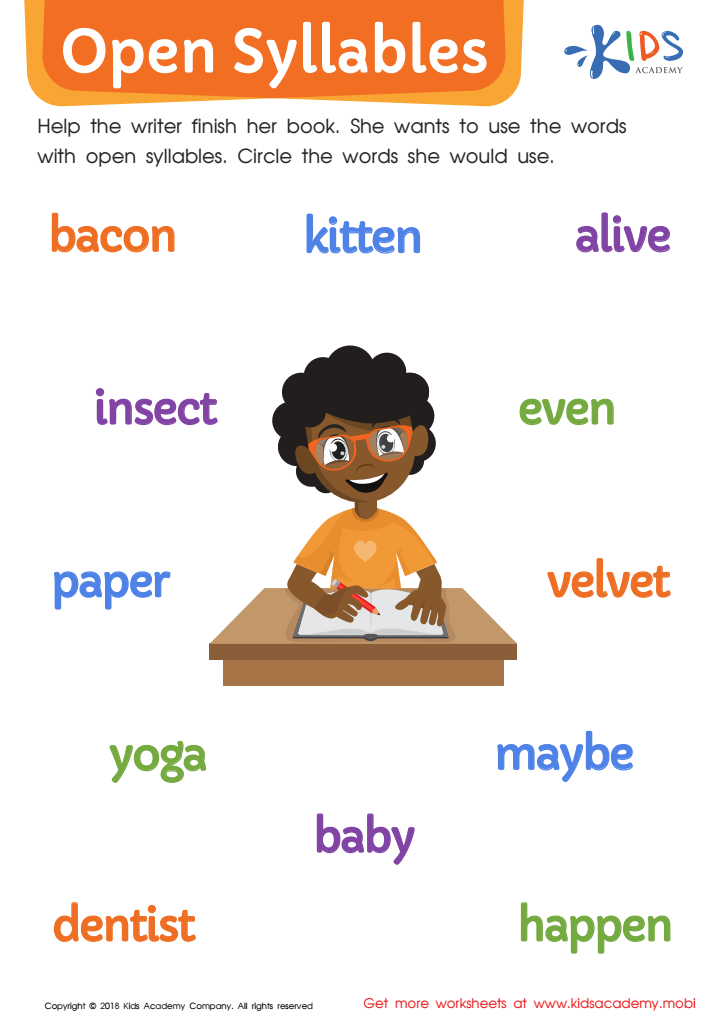
Open Syllables Worksheet
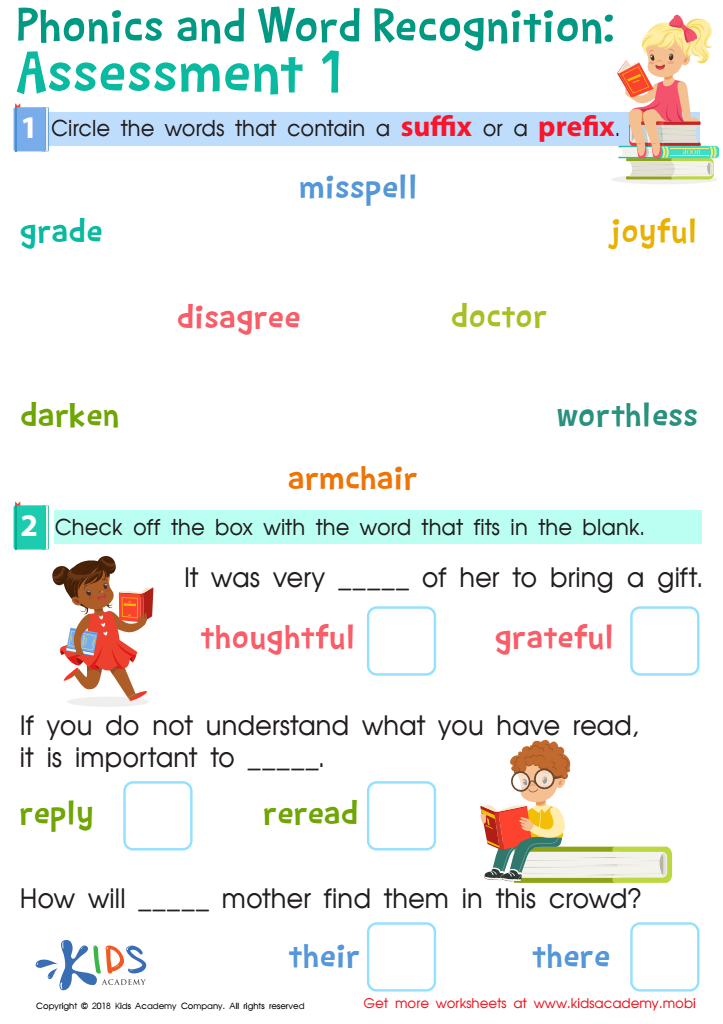
Phonics and Word Recognition: Assessment 1 Worksheet
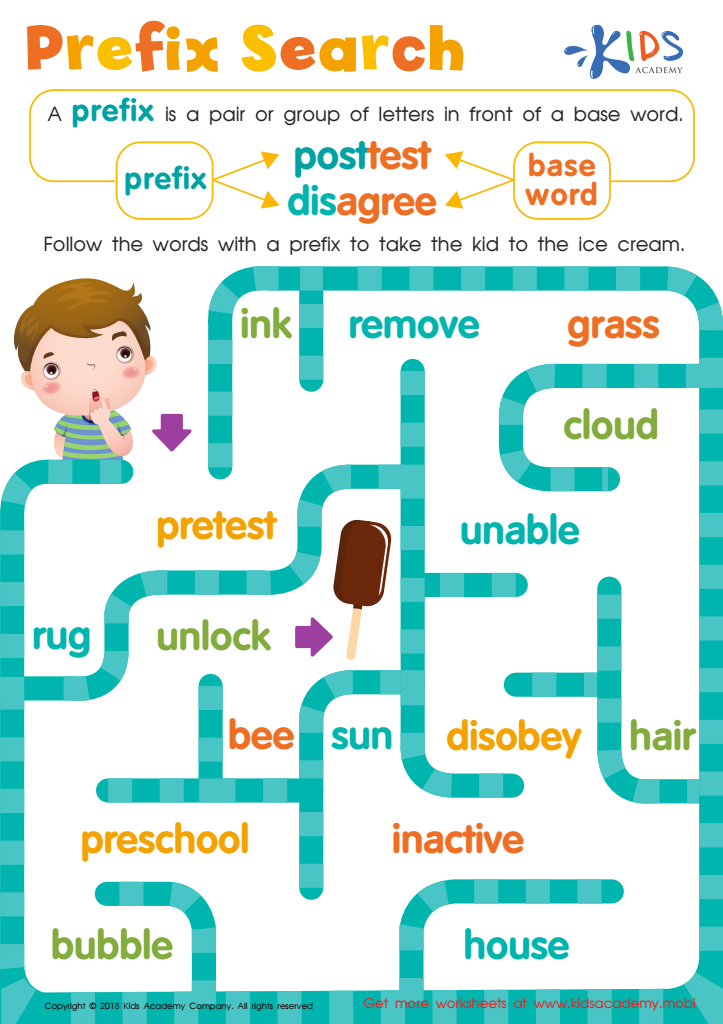
Reading: Prefix Search Worksheet
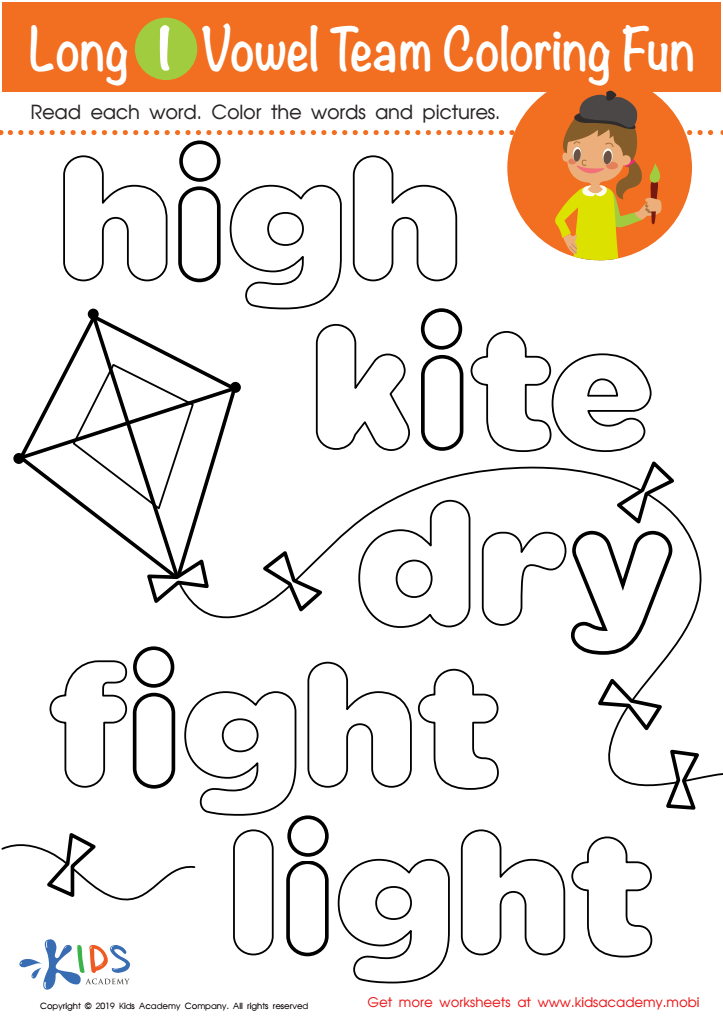
Long I Vowel Team Coloring Worksheet
 Assign to My Students
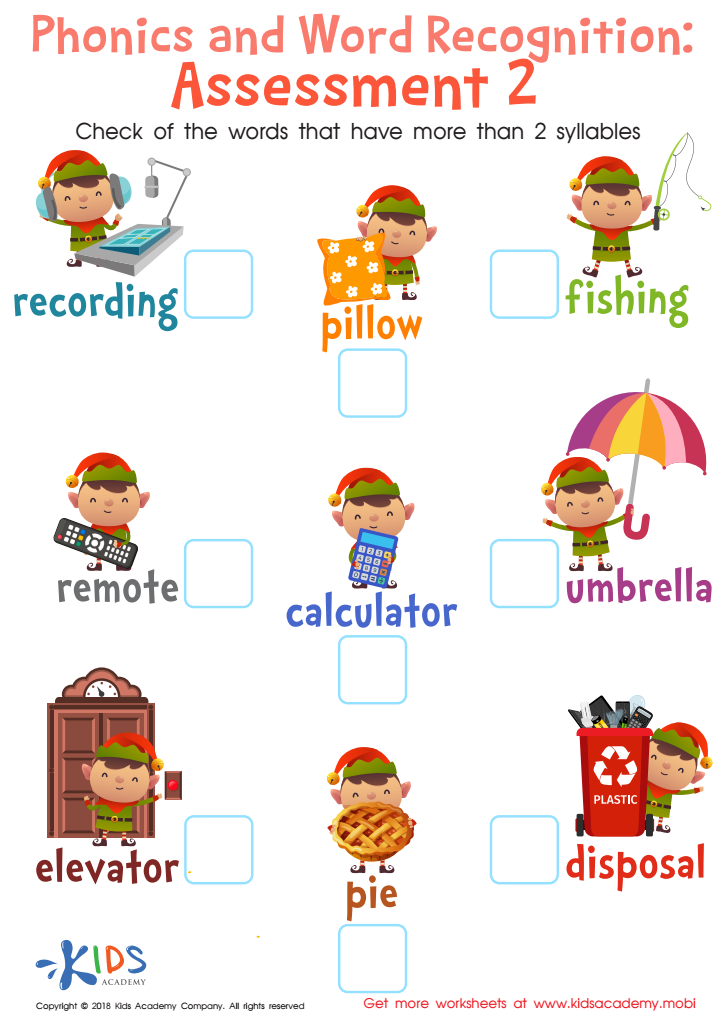
Phonics and Word Recognition: Assessment 2 Worksheet
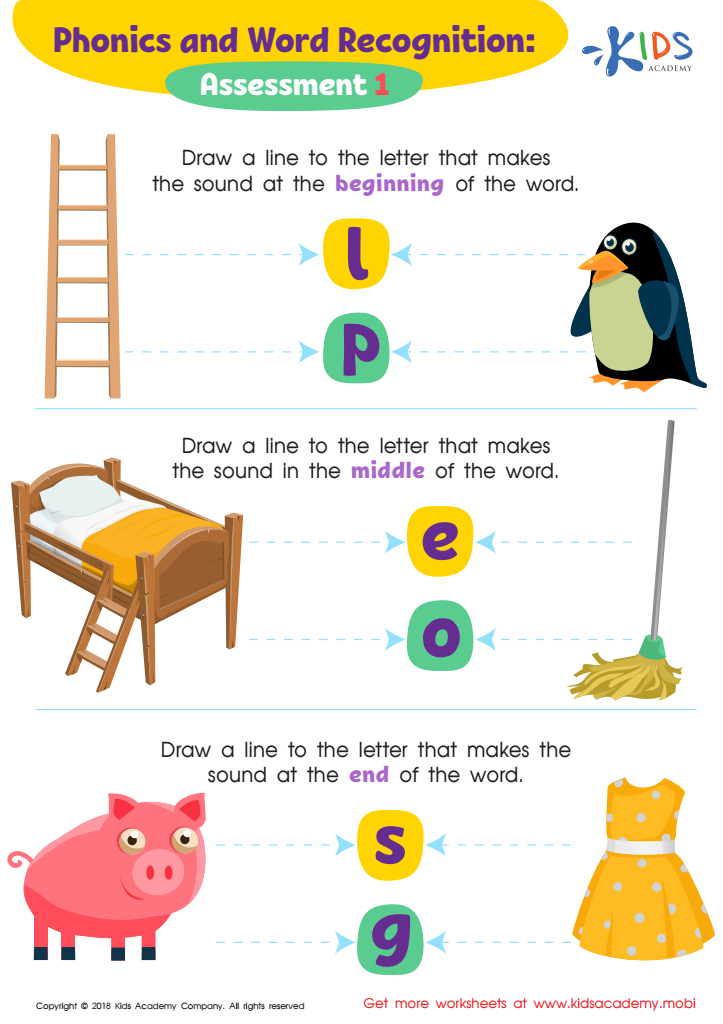
Phonics and Word Recognition: Assessment 1 ELA Worksheet







Word identification, particularly through the Normal Alphabet, is essential for young learners' literacy development. This foundational skill supports children in recognizing familiar words quickly and accurately, fostering a greater comprehension of the text. As parents and teachers, understanding word identification can lead to more effective reading instruction, ultimately benefiting a child's overall academic success.
Familiarity with the Normal Alphabet provides children with the tools to decode and read new words. When children can recognize words by sight, they can focus more on understanding the content rather than spending excessive time decoding each word. This fluency enables them to engage more fully with reading activities, igniting a love for literature and learning.
Additionally, word identification plays a significant role in building vocabulary and phonemic awareness. The more words children can identify, the more likely they are to encounter and internalize new vocabulary, which enriches their language skills and communication abilities.
By prioritizing word identification skills, parents and teachers can create targeted strategies and interventions tailored to each child's needs. This focus can contribute to higher reading proficiency, paving the way for future academic achievements. Engaging in activities that strengthen word identification prepares children for lifelong learning.







