Alphabet Learning Normal Letter Recognition Worksheets
3 filtered results
-
From - To
Welcome to our Alphabet Learning Normal Letter Recognition Worksheets! These engaging and interactive worksheets are designed to help early learners develop essential letter recognition skills. Perfect for preschool and kindergarten classrooms, our resources make learning the alphabet fun and effective. Each worksheet features colorful visuals and diverse activities that encourage students to identify, trace, and practice both uppercase and lowercase letters. By using our thoughtfully crafted exercises, children enhance their phonetic understanding and prepare for reading success. Browse our collection today and give your students the tools they need to master letter recognition in an enjoyable way!
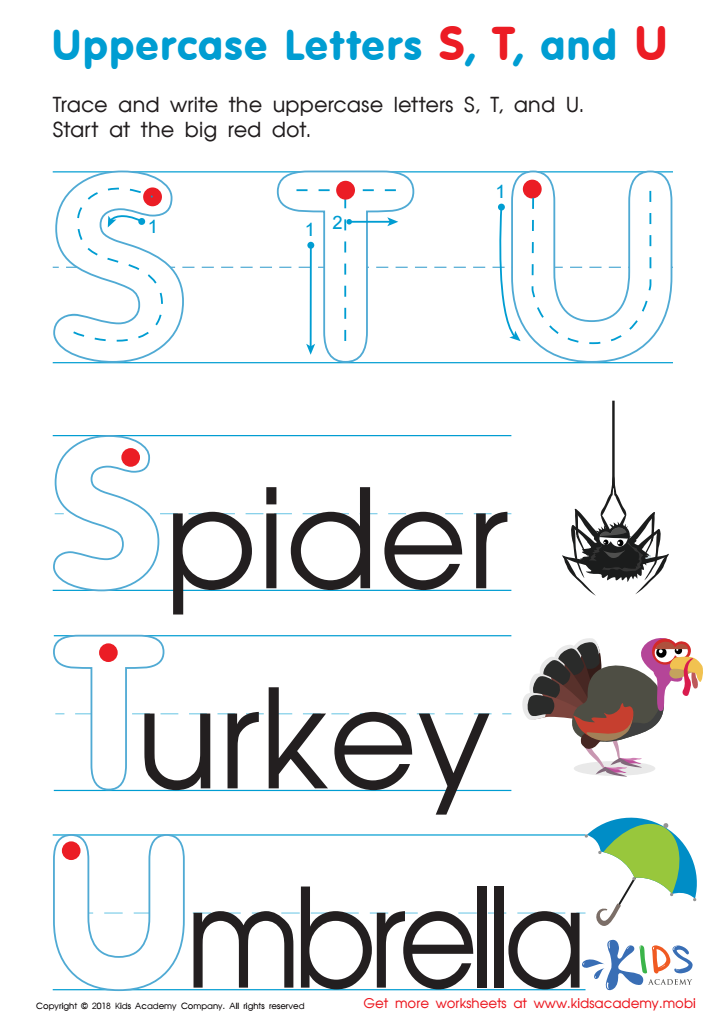
Uppercase Letters S, T, and U Worksheet
 Assign to My Students
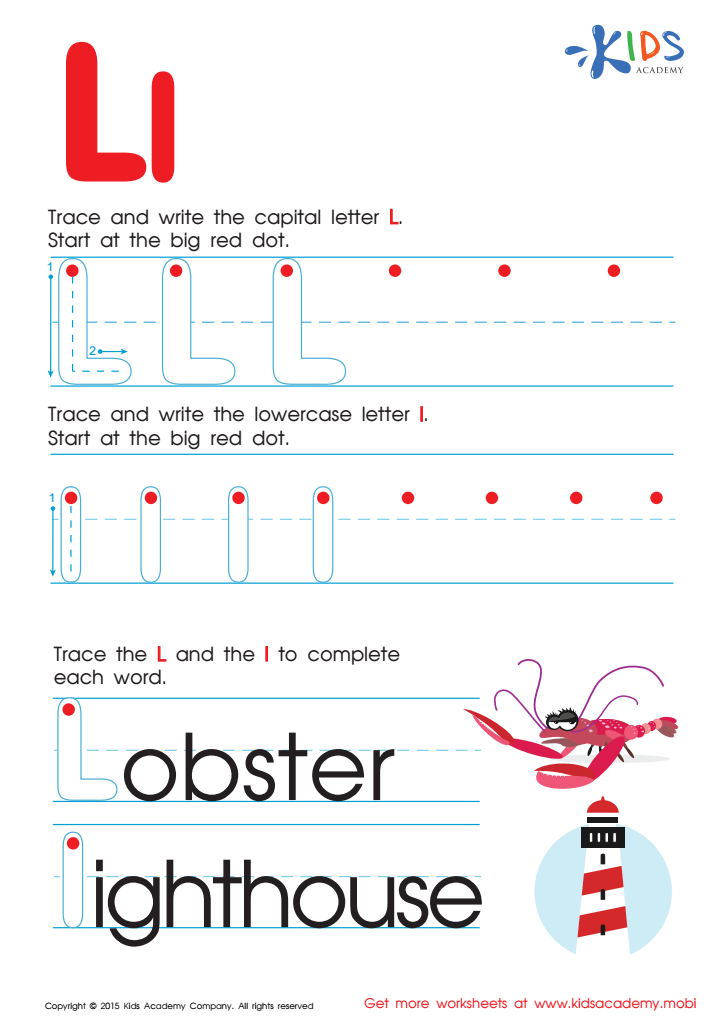
Letter L Tracing Page
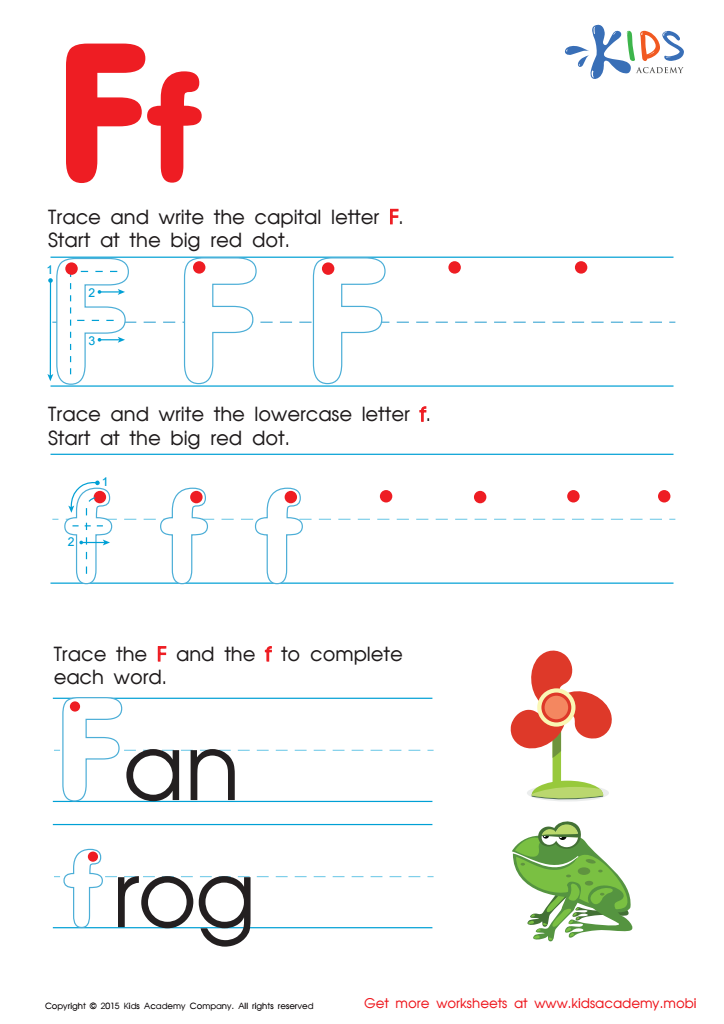
Letter F Tracing Page








Alphabet learning and letter recognition are foundational components of early literacy development, making it crucial for parents and teachers to prioritize this area. Mastery of letter recognition equips children with essential skills for reading and writing, fostering their ability to decode words and develop language comprehension. When children can easily identify both uppercase and lowercase letters, they gain confidence and motivation to engage in reading activities, promoting a lifelong love for literature.
Teachers and parents play an integral role in facilitating this learning process. By creating a supportive and engaging learning environment that incorporates interactive activities, such as games, songs, and storytelling, they can enhance a child's interest in letters. Moreover, early letter recognition lays the groundwork for more complex phonemic awareness and spelling skills, which are crucial for academic success.
Collaboration between parents and teachers is vital. By reinforcing learning at home and communicating about progress, they can ensure that children receive consistent messaging and support. Ultimately, a strong foundation in letter recognition can lead to improved educational outcomes, increased self-esteem, and a smoother transition into more advanced literacy skills, helping children become proficient readers and effective communicators.








