Letter recognition Normal Letter Recognition Worksheets
37 filtered results
-
From - To
Welcome to our Letter Recognition Normal Worksheets, designed to support young learners in mastering the alphabet! These engaging and interactive worksheets provide a fun way for children to identify and practice both uppercase and lowercase letters. With a variety of activities—such as tracing, matching, and coloring—kids will develop essential letter recognition skills. Ideal for pre-k and kindergarten classrooms, our resources cater to different learning styles, enhancing both visual and kinesthetic learning experiences. Help your child build confidence in their literacy skills while enjoying the process! Discover a world of letters and creativity with our exceptional worksheets today.
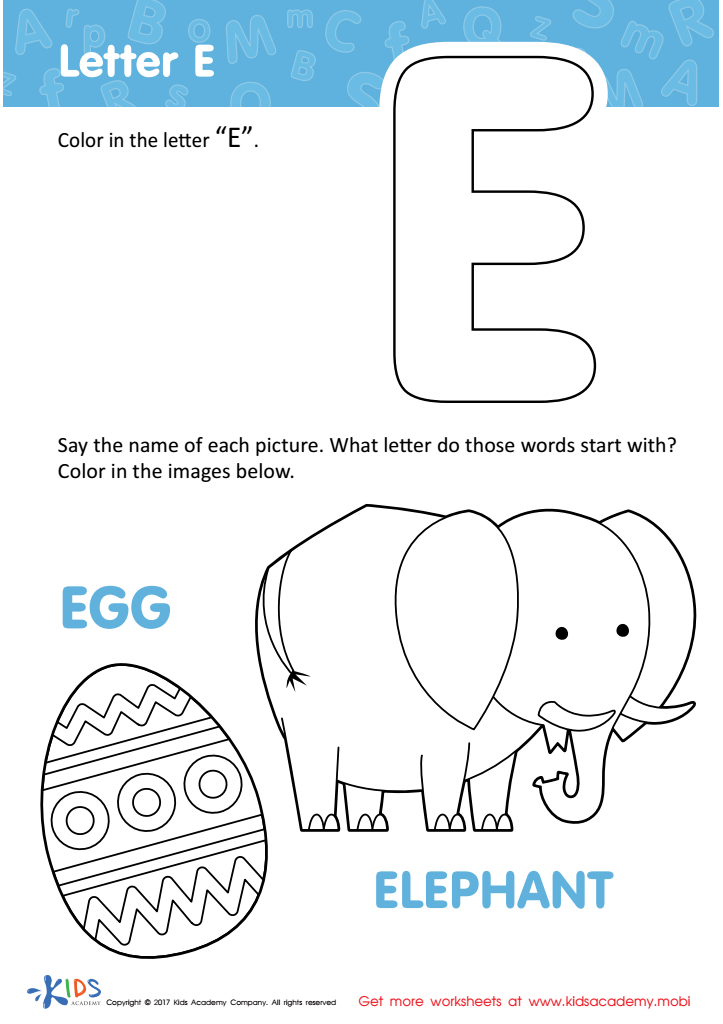
Letter E Coloring Sheet
 Assign to My Students
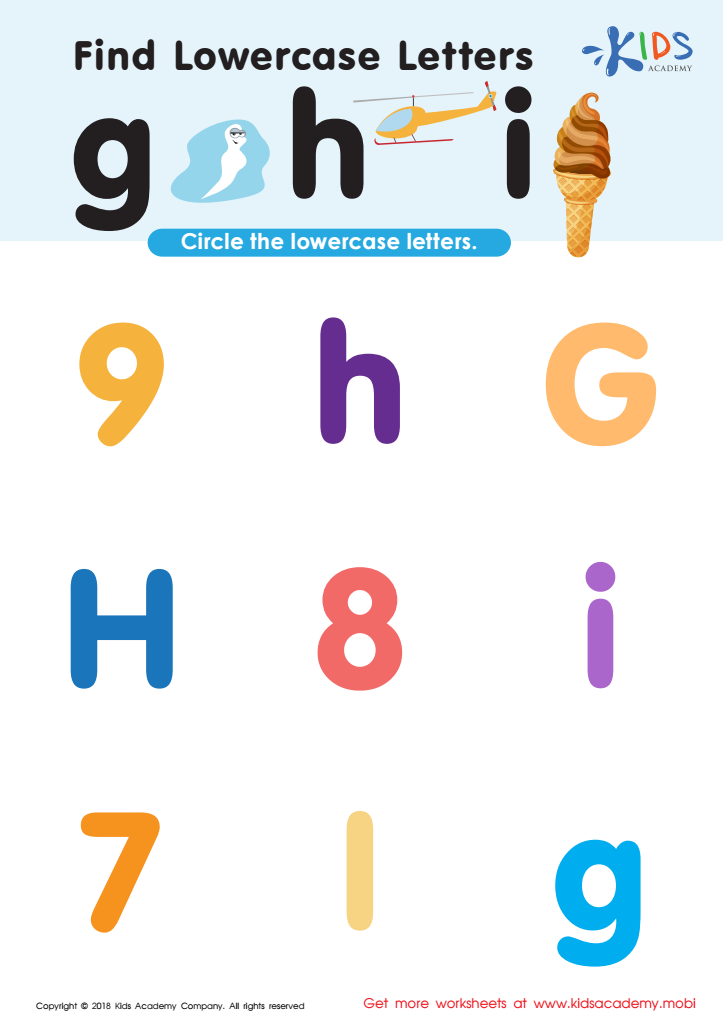
Find Lowercase Letters g h i Worksheet
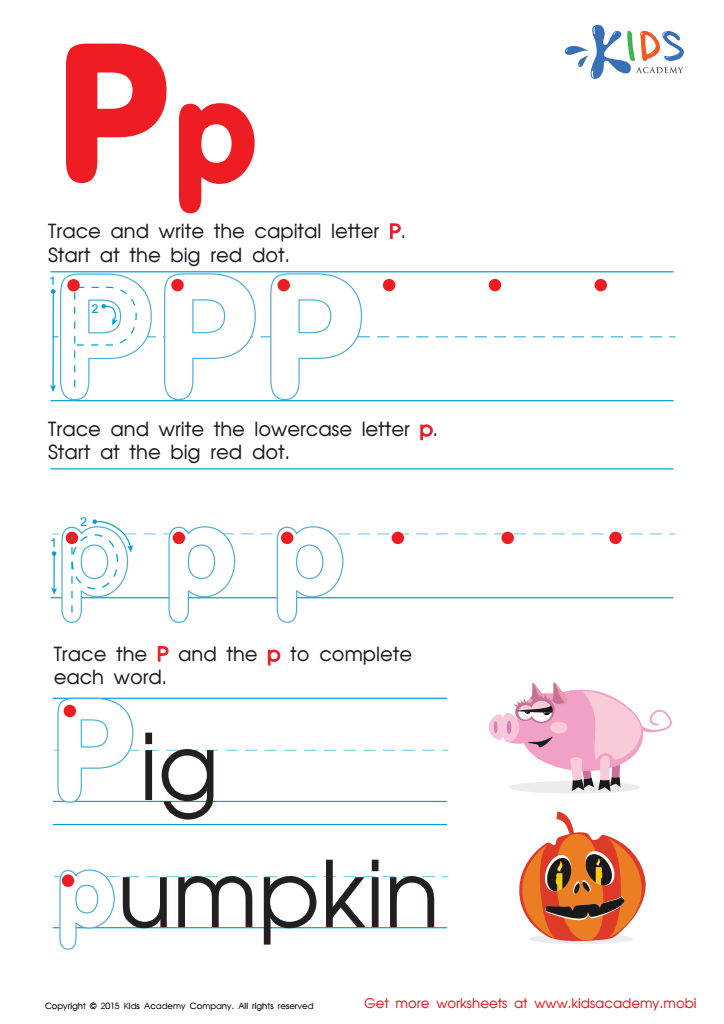
Letter P Tracing Page
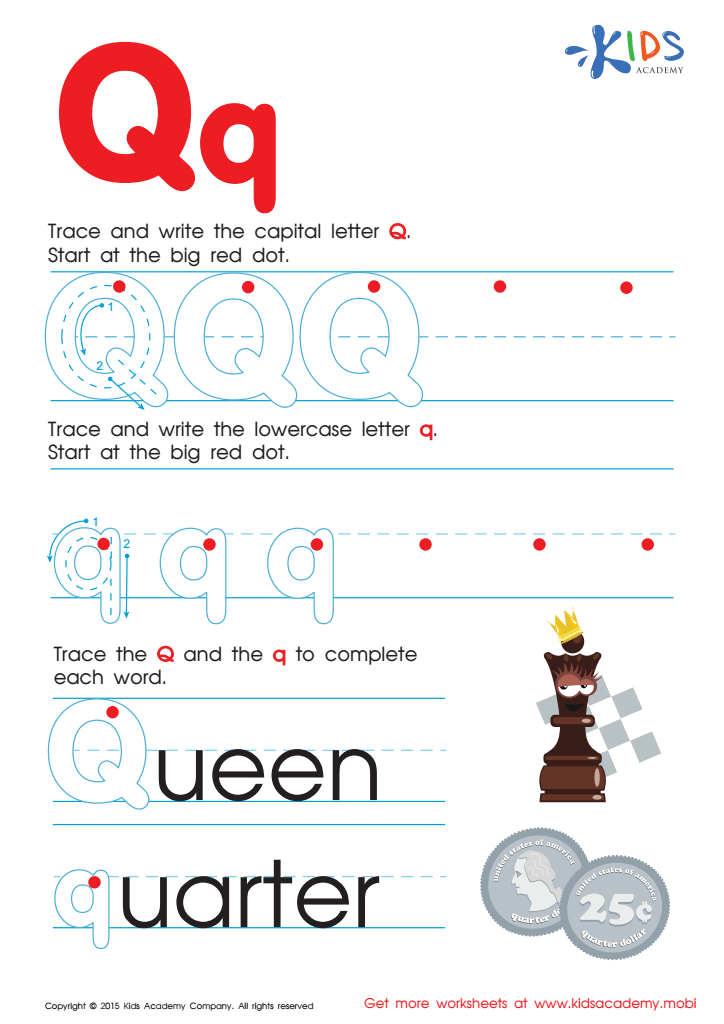
Letter Q Tracing Page
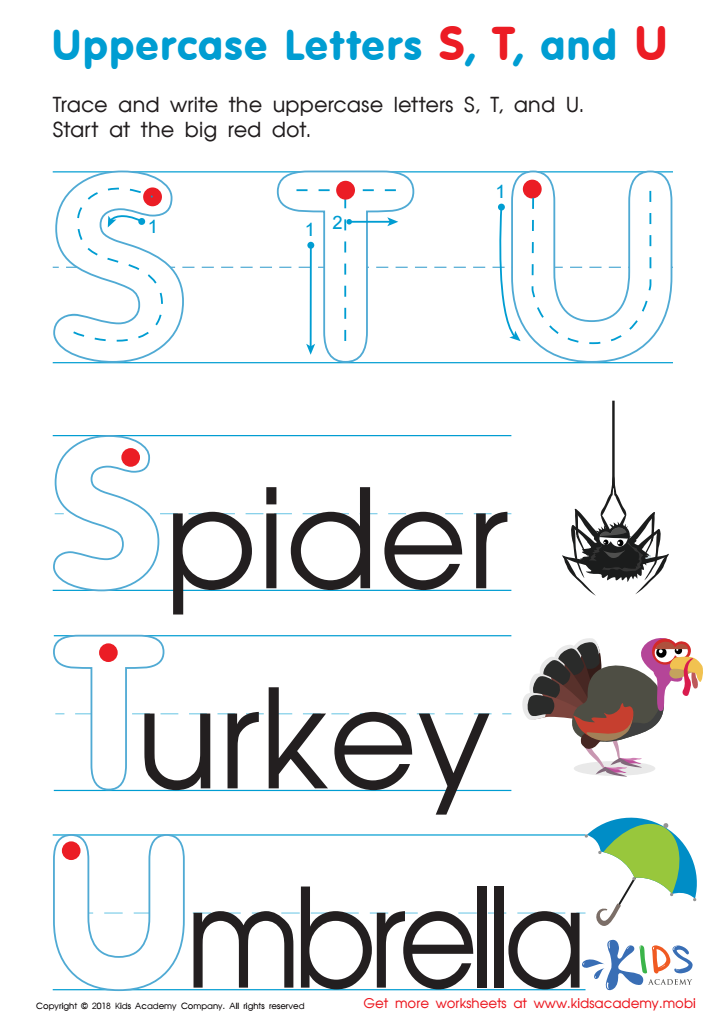
Uppercase Letters S, T, and U Worksheet
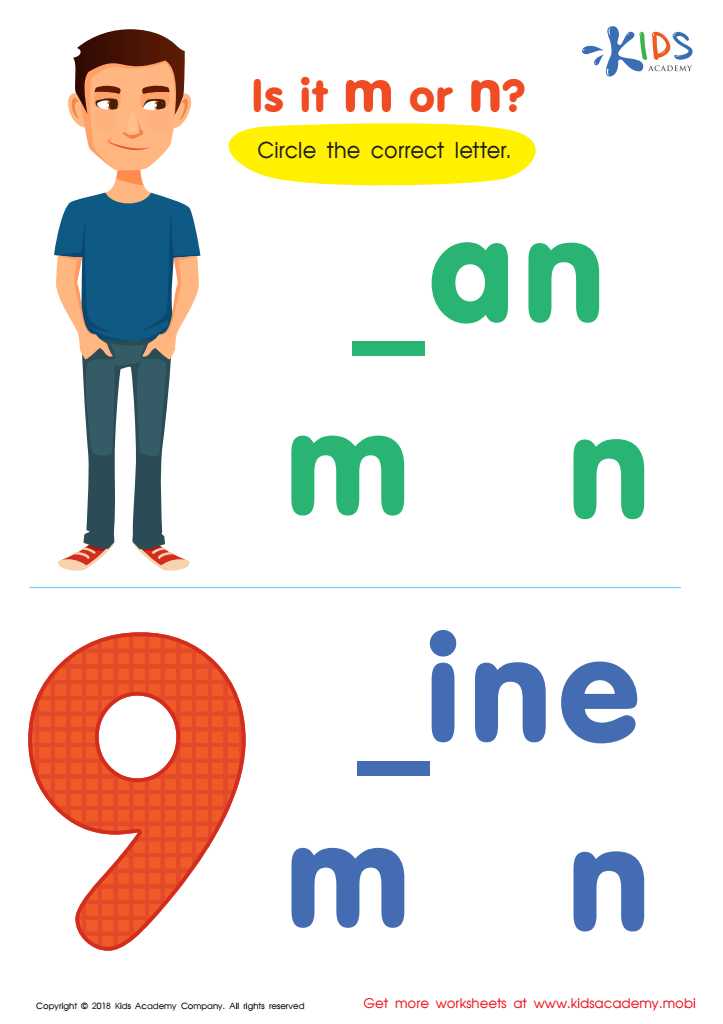
Is It m or n? Worksheet
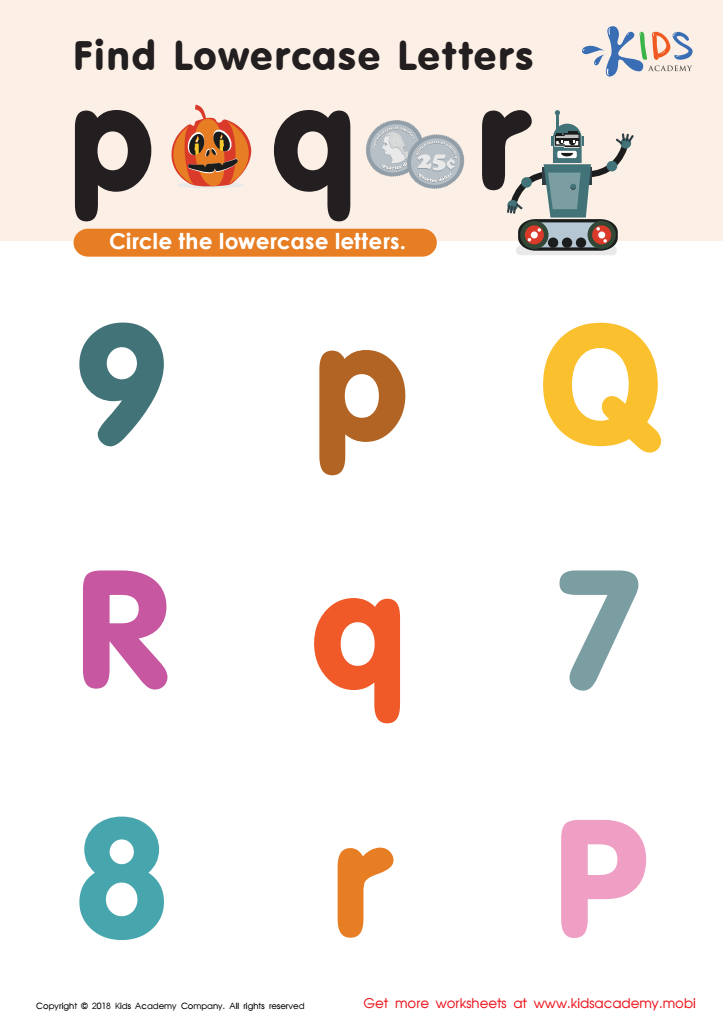
Find lowercase Letters p q r Worksheet
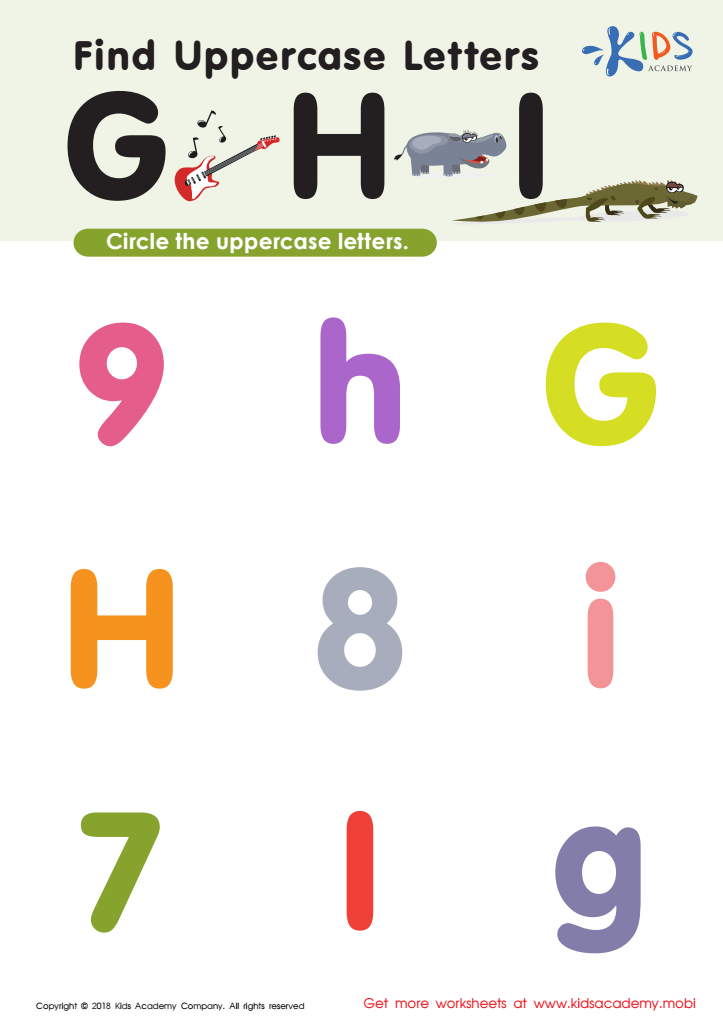
Find Uppercase Letters G, H, and I Worksheet
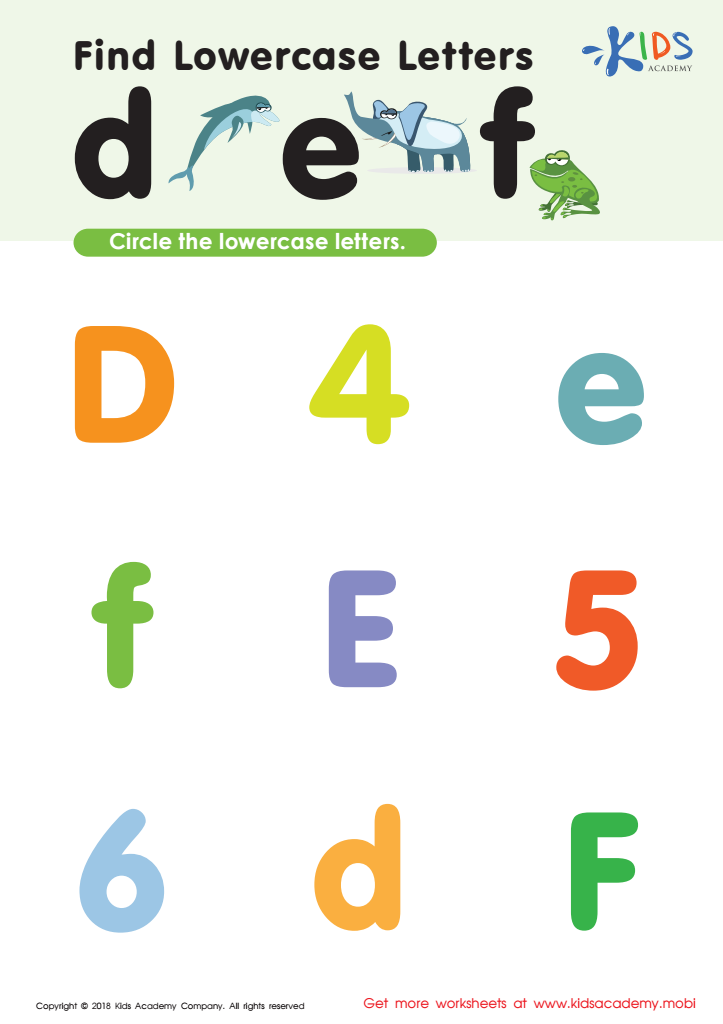
Find Lowercase Letters d e f Worksheet
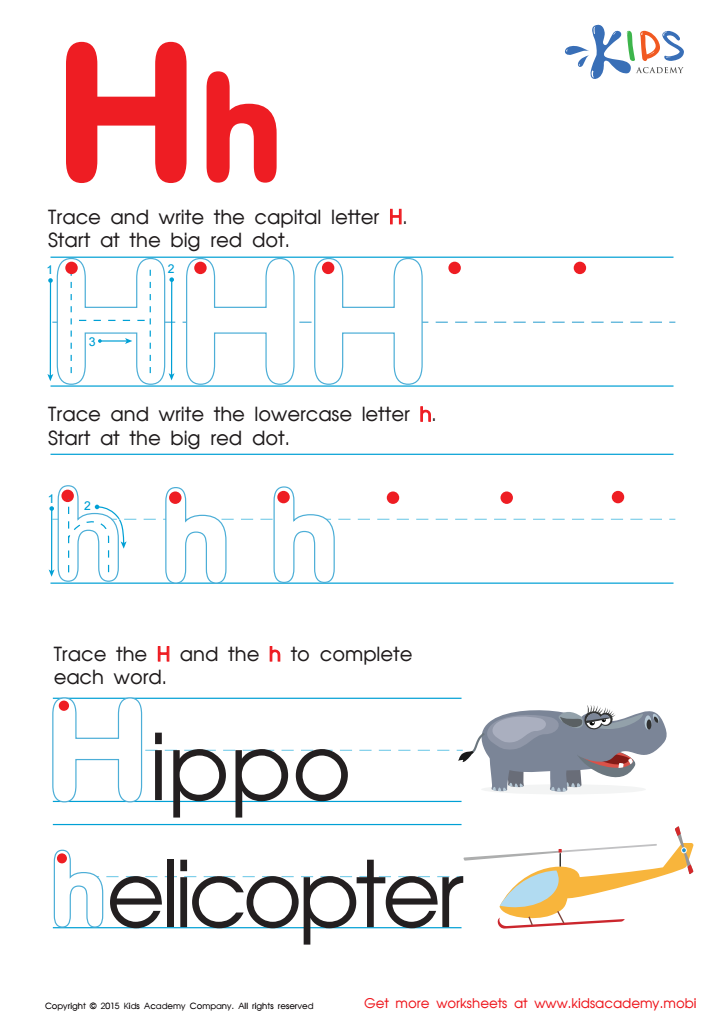
Letter H Tracing Page
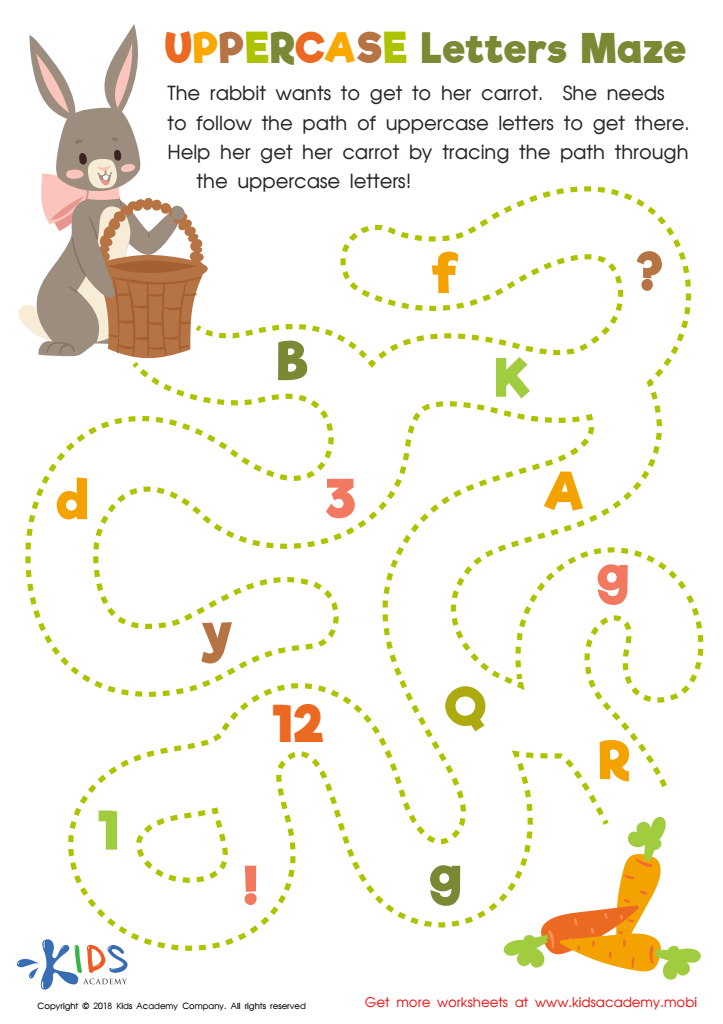
Uppercase Letters Maze Worksheet
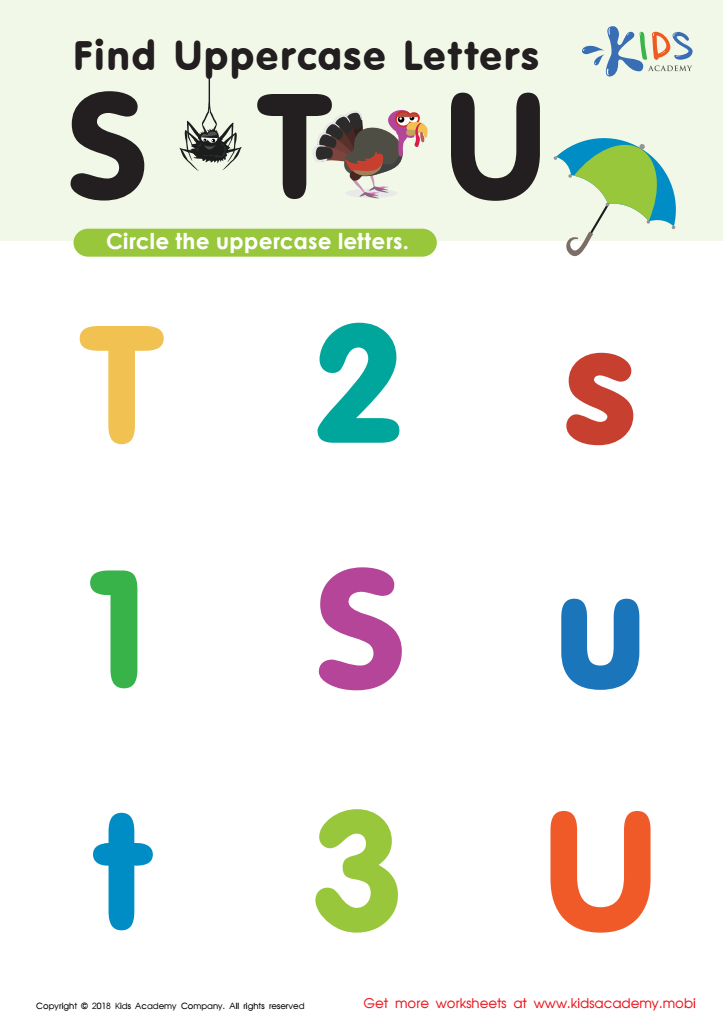
Find Uppercase Letters Worksheet
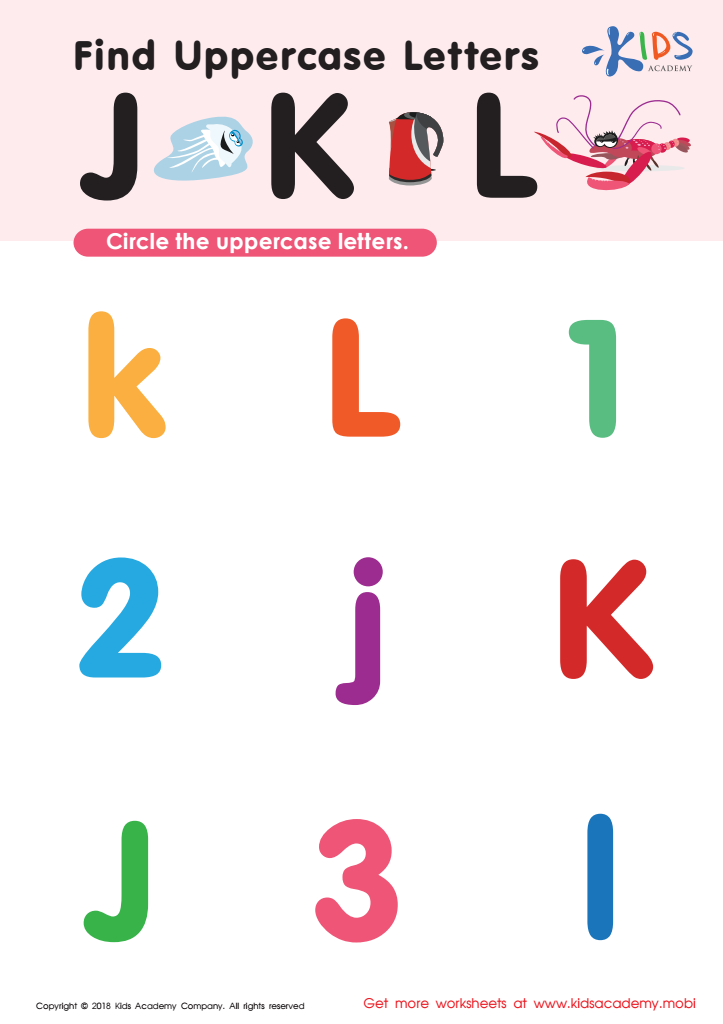
Find Uppercase Letters J, K, and L Worksheet
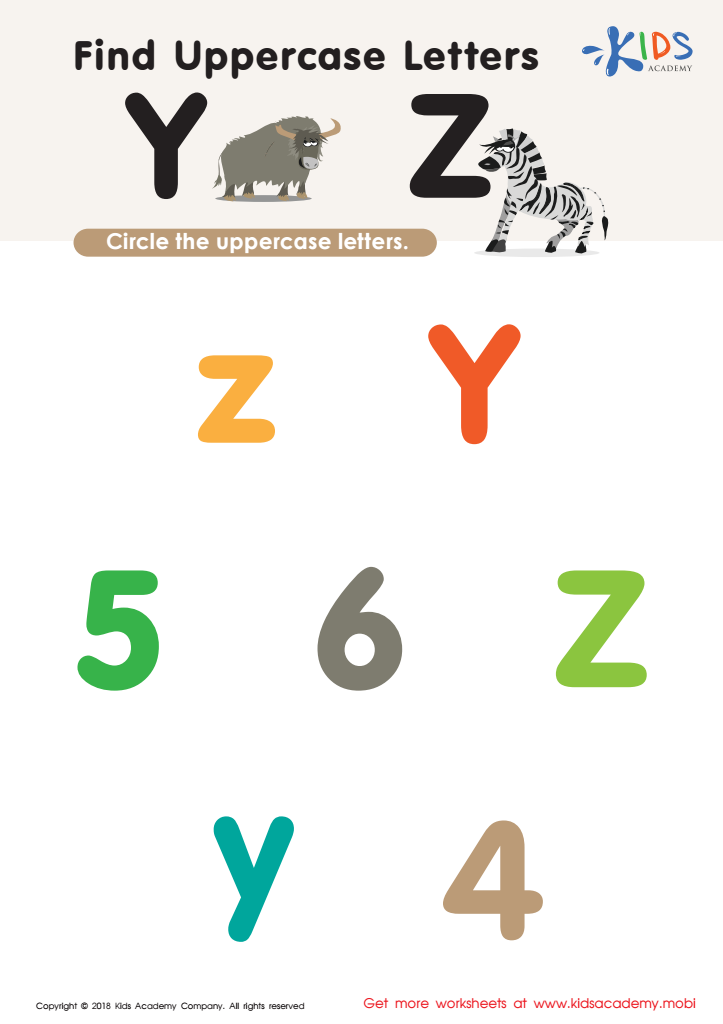
Find Uppercase Letters Y Z Worksheet
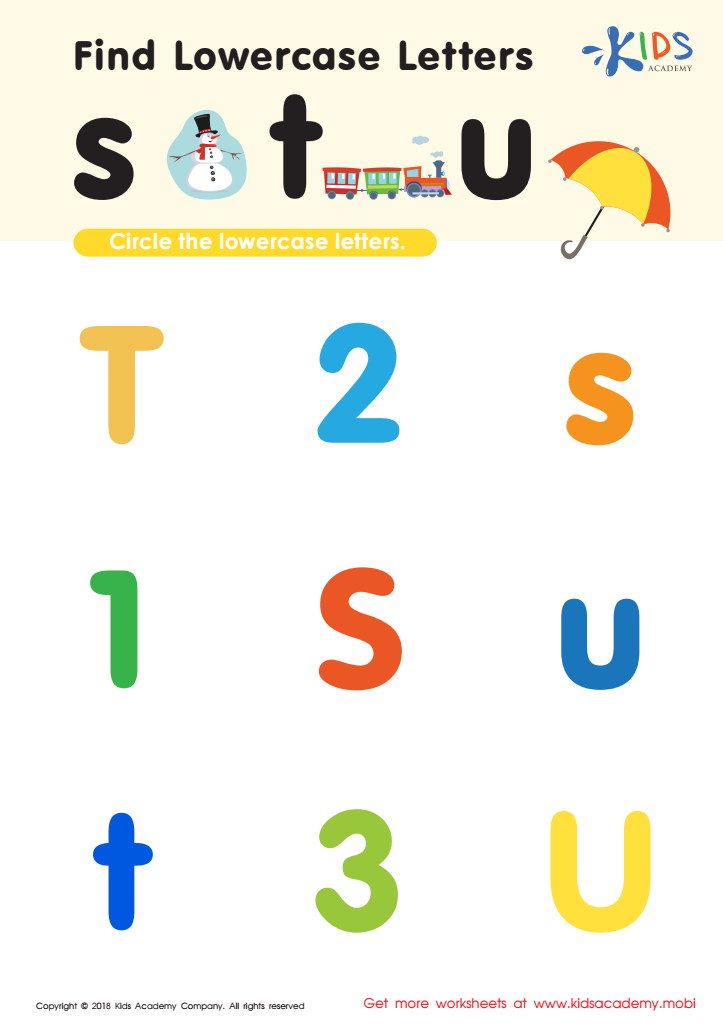
Find lowercase Letters s t u Worksheet

Letter G Tracing Page
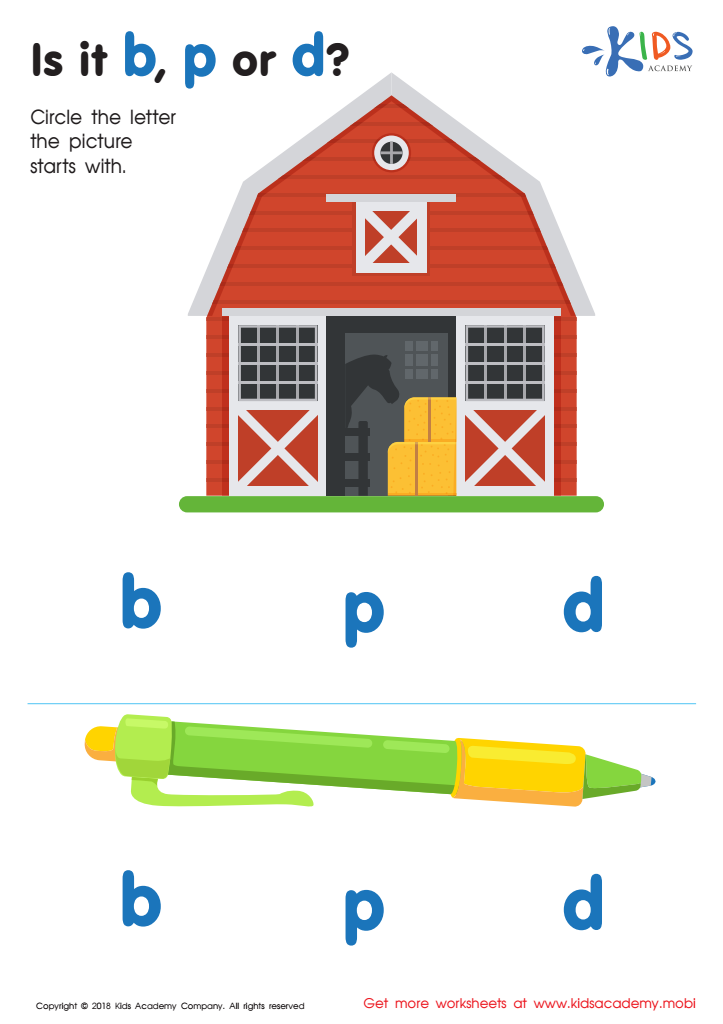
Is it b, p or d? Worksheet
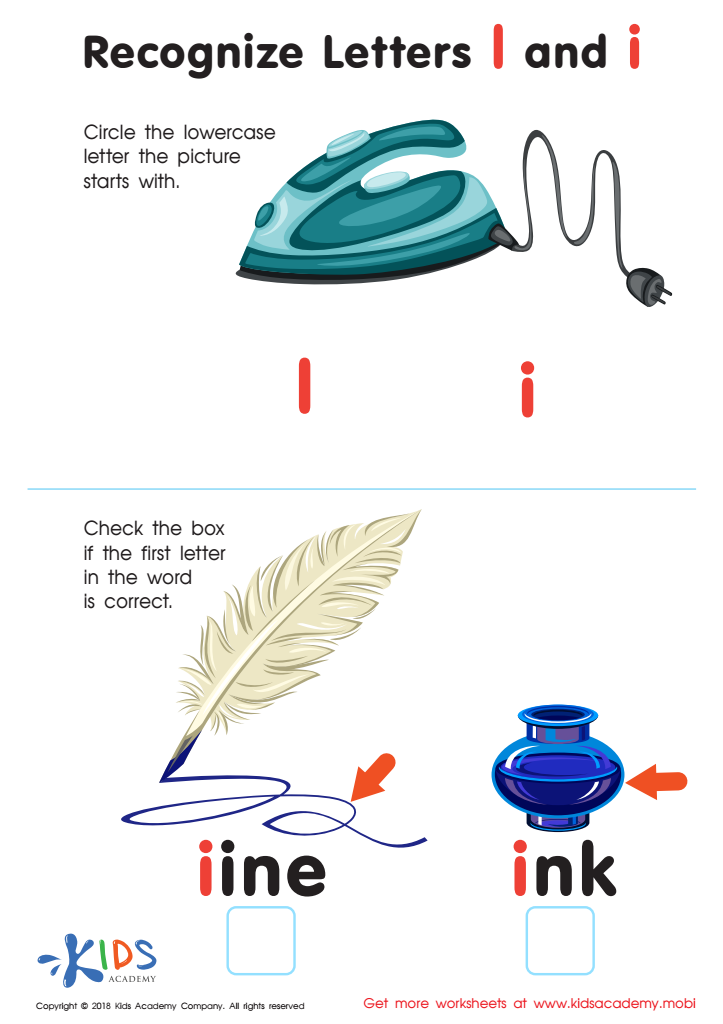
Recognize Letters l and i Worksheet
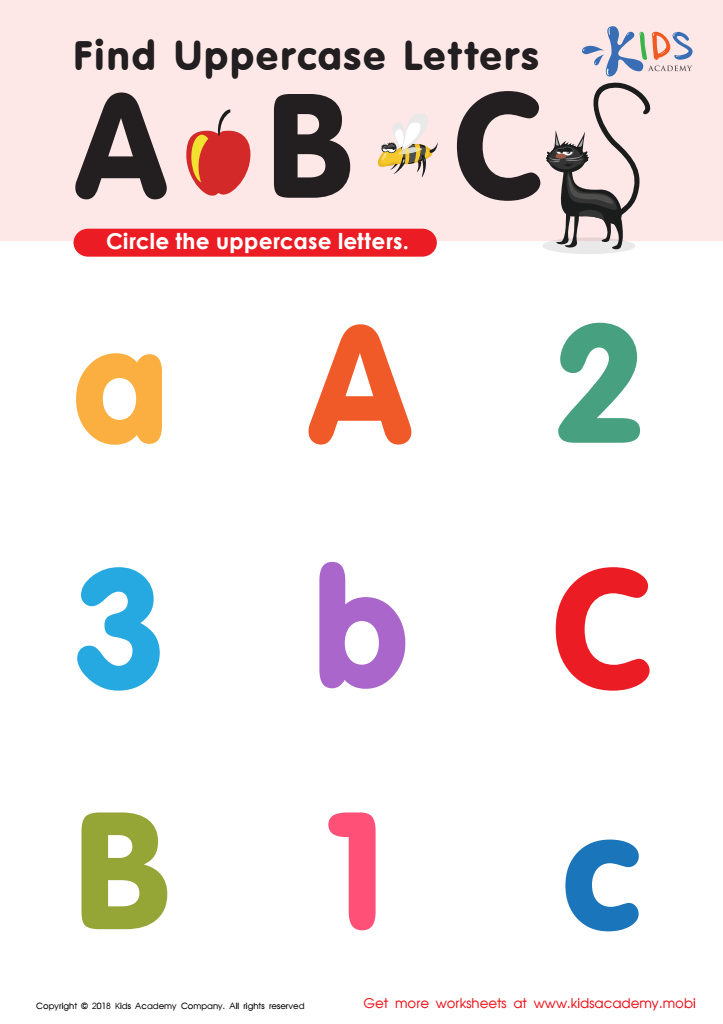
Find Uppercase Letters A, B, and C Worksheet
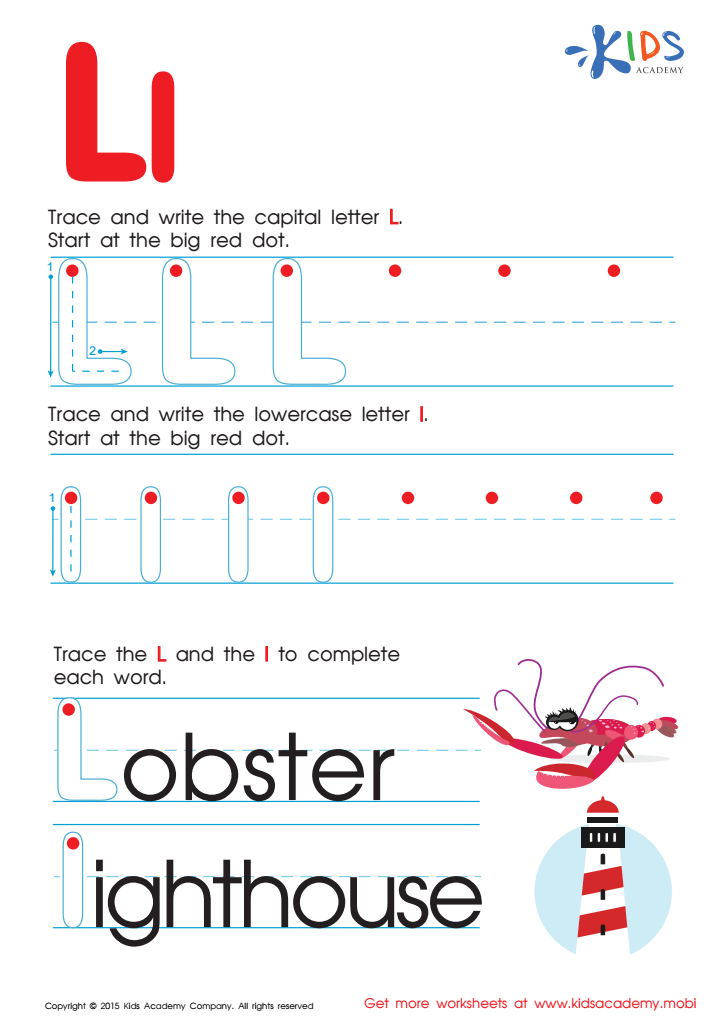
Letter L Tracing Page
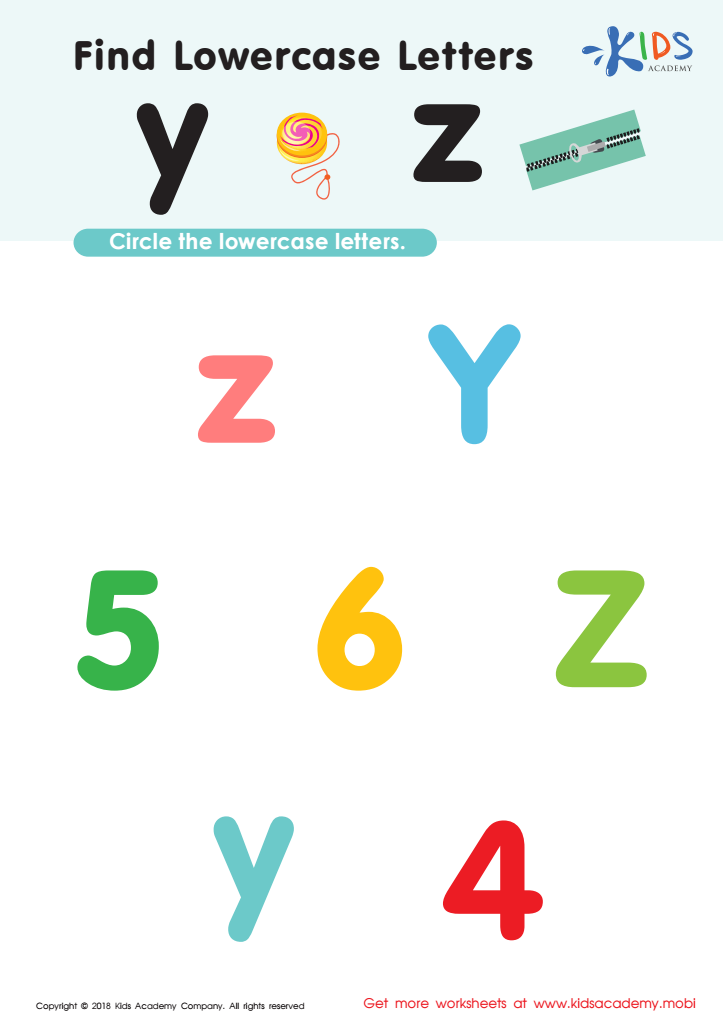
Find Lowercase Letters y z Worksheet
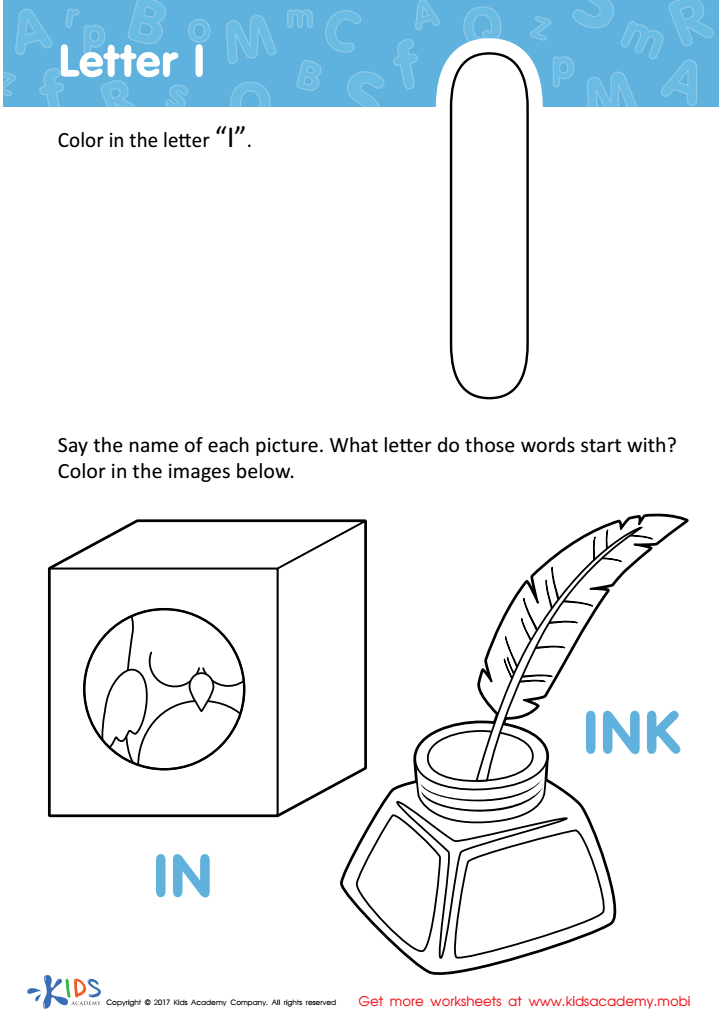
Letter I Coloring Sheet
Assign to My Students
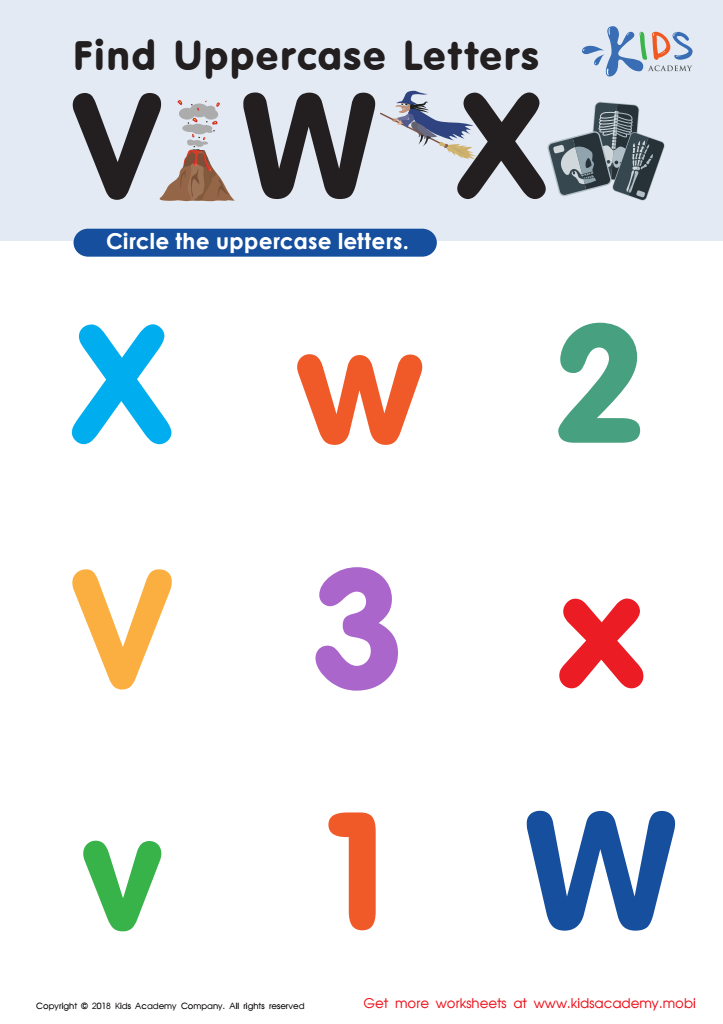
Find Uppercase Letters V, W, X Worksheet
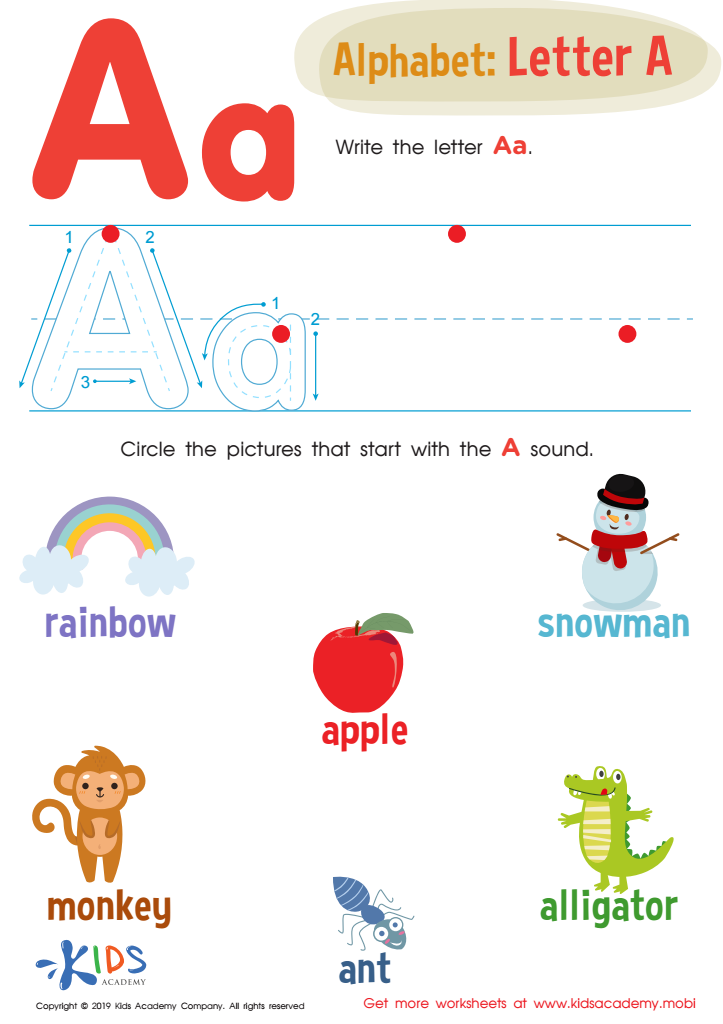
Letter A Tracing Worksheet








Letter recognition is a crucial foundational skill for early literacy development, which significantly influences a child's reading proficiency. Parents and teachers should prioritize this skill for several reasons. First, letter recognition aids in bridging the gap between spoken and written language. When children can identify letters, they begin to understand that letters represent sounds, facilitating the process of decoding words.
Moreover, recognizing letters is key to building vocabulary and comprehension. Children who grasp letters early are more likely to become confident readers, enhancing their overall academic success. This foundational skill also supports self-directed learning; as children gain independence in reading, they develop a sense of achievement and motivation, fostering a lifelong love for books and learning.
Moreover, letter recognition plays an integral role in social interactions, enabling children to engage in written communication with peers, like playing games or sharing notes. The ability to recognize letters also enhances children's capabilities in various activities, from labeling items to playing educational games.
Ultimately, focusing on letter recognition empowers children with essential tools for literacy, opening doors to communication, creativity, and educational achievement. Therefore, both parents and teachers should actively encourage this skill during the formative years.








