Alphabet Recognition Normal Letter Recognition Worksheets - Page 2
30 filtered results
-
From - To
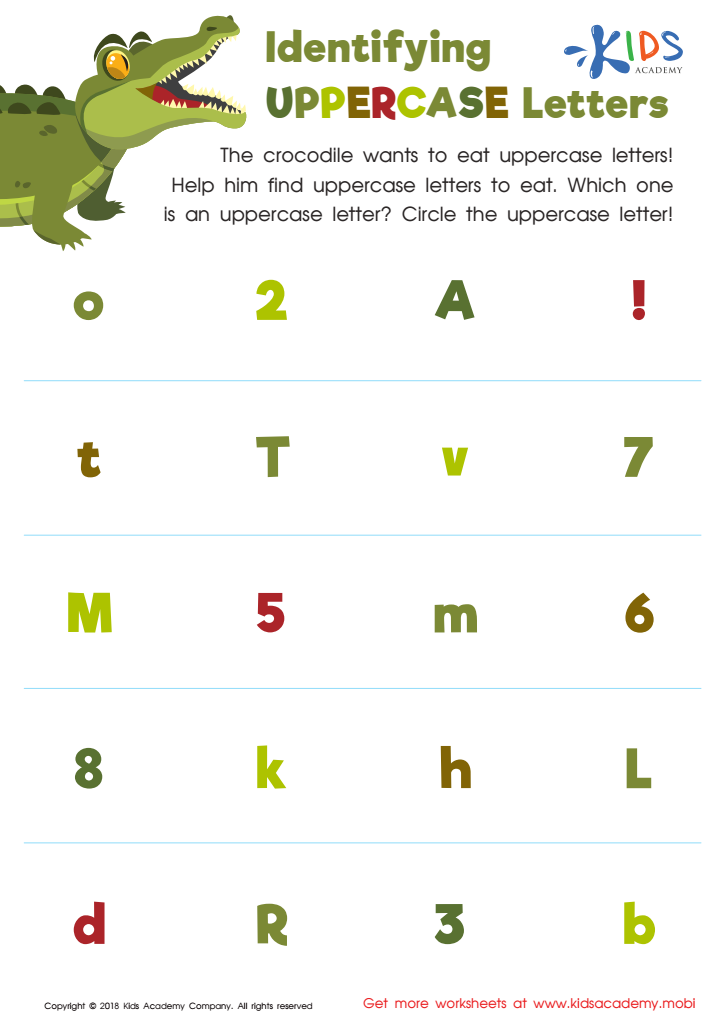
Identifying Uppercase Letters Worksheet
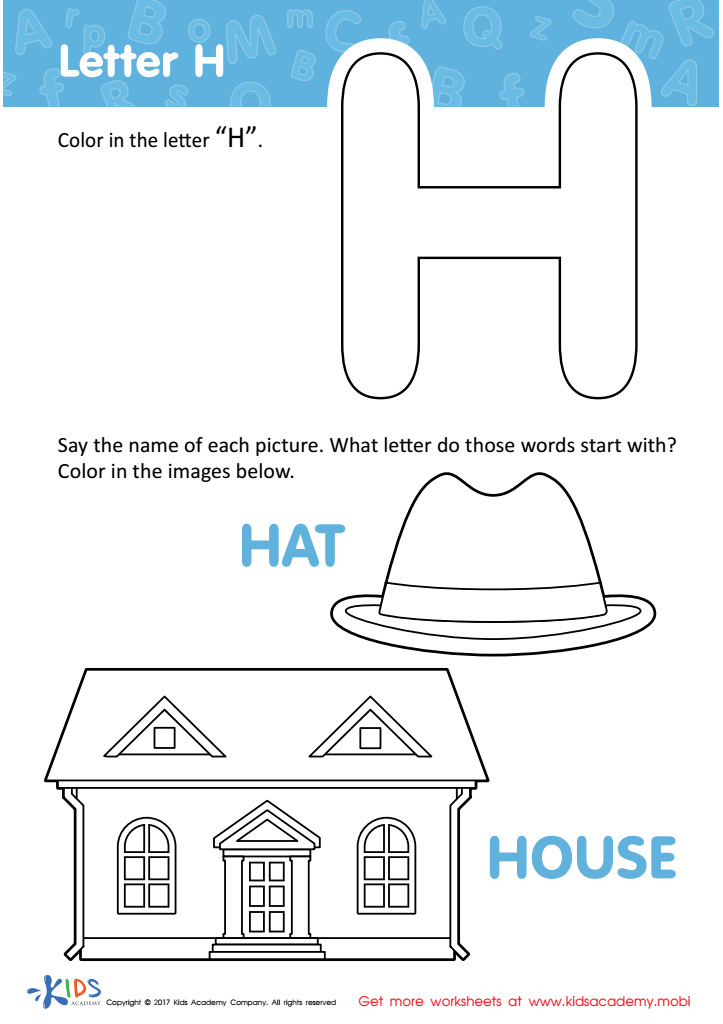
Letter H Coloring Sheet
 Assign to My Students
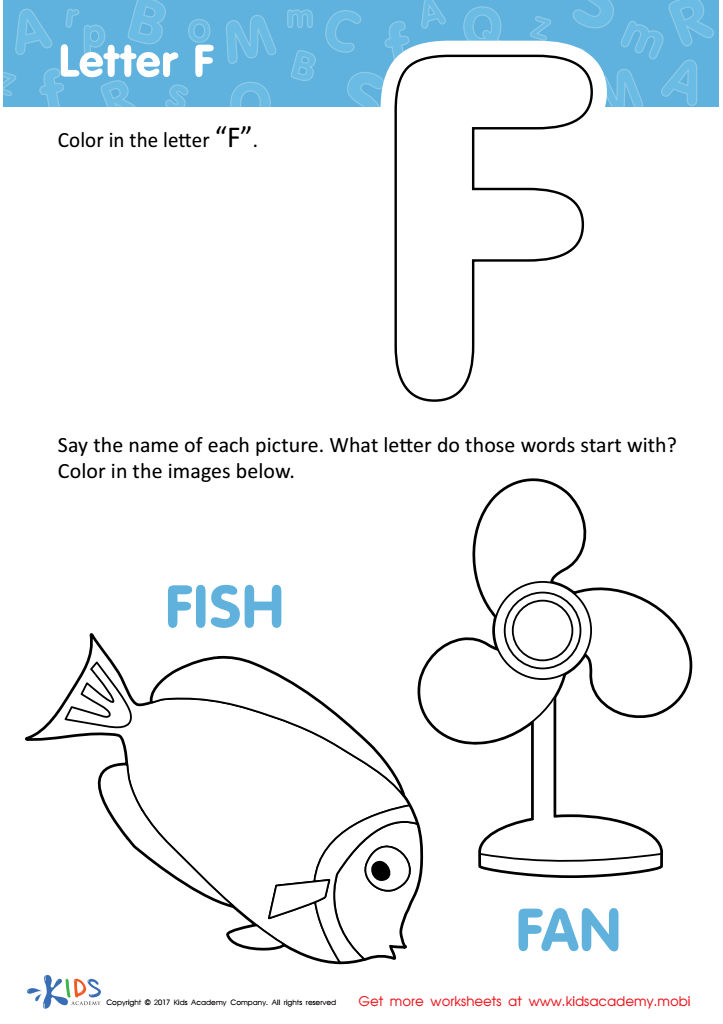
Letter F Coloring Sheet
Assign to My Students
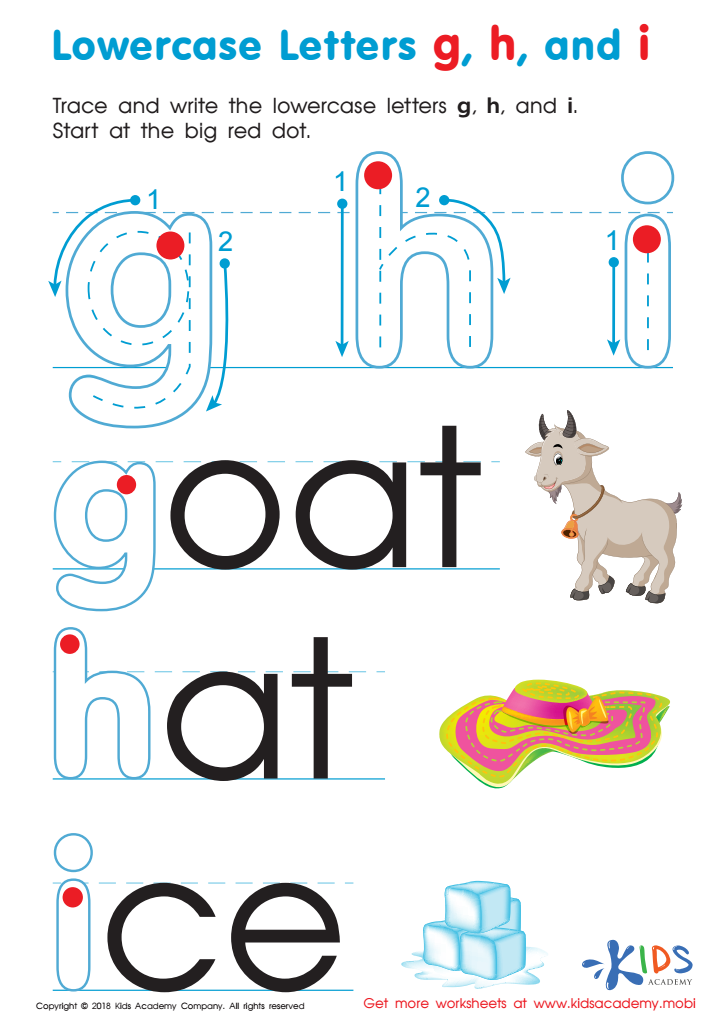
Lowercase Letters g h i Worksheet
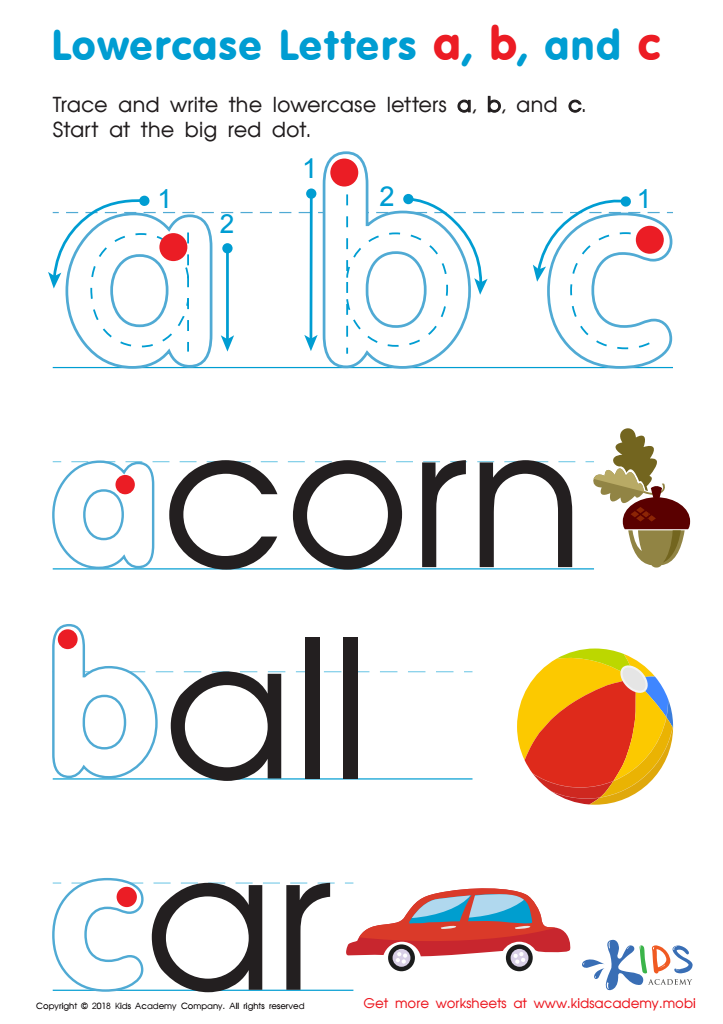
Lowercase Letters a b c Worksheet

Uppercase Letters V, W, and X Worksheet








Alphabet recognition and normal letter recognition are crucial skills for early literacy development in young children. Understanding the letters of the alphabet forms the foundation for reading and writing, which are essential components of a child's academic success. When parents and teachers prioritize these skills, they help set children up for effective communication and literacy proficiency.
Recognizing letters enables children to decode words, aiding in their reading comprehension. It also enhances their ability to write, as they learn to associate shapes with sounds and words. Improved literacy skills foster a love for reading, igniting curiosity and encouraging lifelong learning.
Furthermore, letter recognition plays a significant role in building children's confidence. As they master these skills, children feel empowered to engage with written texts, take risks in learning, and participate more actively in discussions. Early intervention and practice can help identify children who may struggle with reading, allowing for timely support.
Ultimately, by supporting alphabet recognition and normal letter recognition, parents and teachers play a pivotal role in equipping children with vital skills that will not only enhance their academic performance but also benefit their overall personal and social development.








