Alphabet sequencing Normal Letter Recognition Worksheets
3 filtered results
-
From - To
Enhance your child's letter recognition skills with our engaging "Alphabet Sequencing Normal Letter Recognition Worksheets." Designed for early learners, these worksheets help kids identify and sequence letters in the alphabet, fostering essential early reading skills. Featuring a variety of fun activities, including tracing, coloring, and matching, these resources make learning enjoyable and interactive. Each worksheet is thoughtfully crafted to ensure that children not only learn to identify letters but also understand their order in the alphabet. Ideal for home learning or classroom use, our printable worksheets support young learners in building a strong foundation for future literacy success!
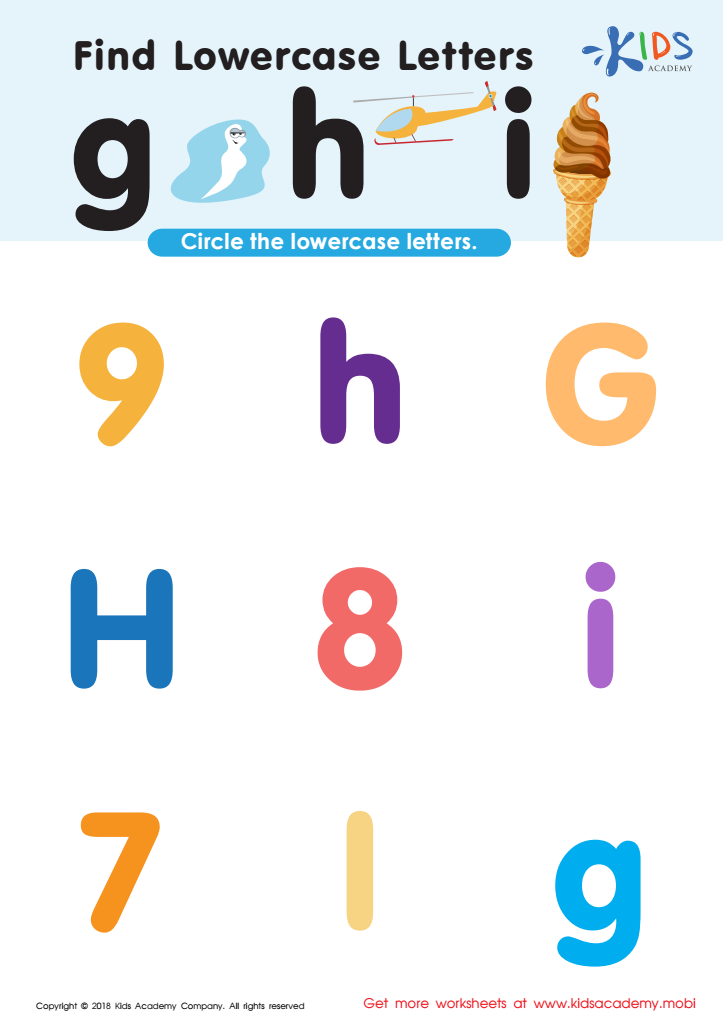
Find Lowercase Letters g h i Worksheet
 Assign to My Students
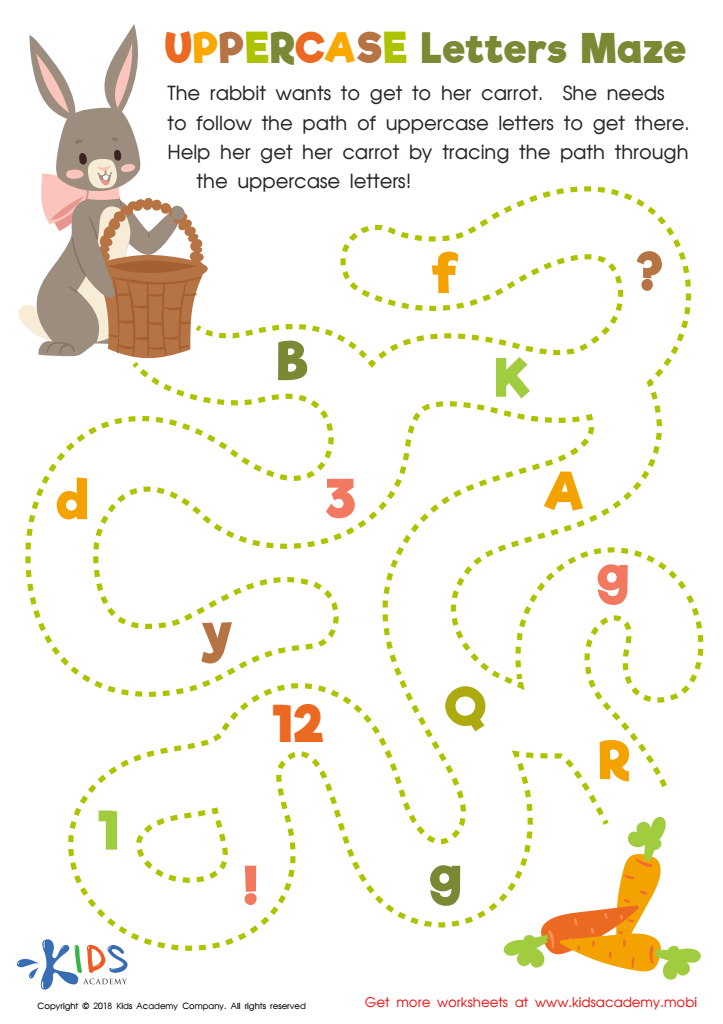
Uppercase Letters Maze Worksheet
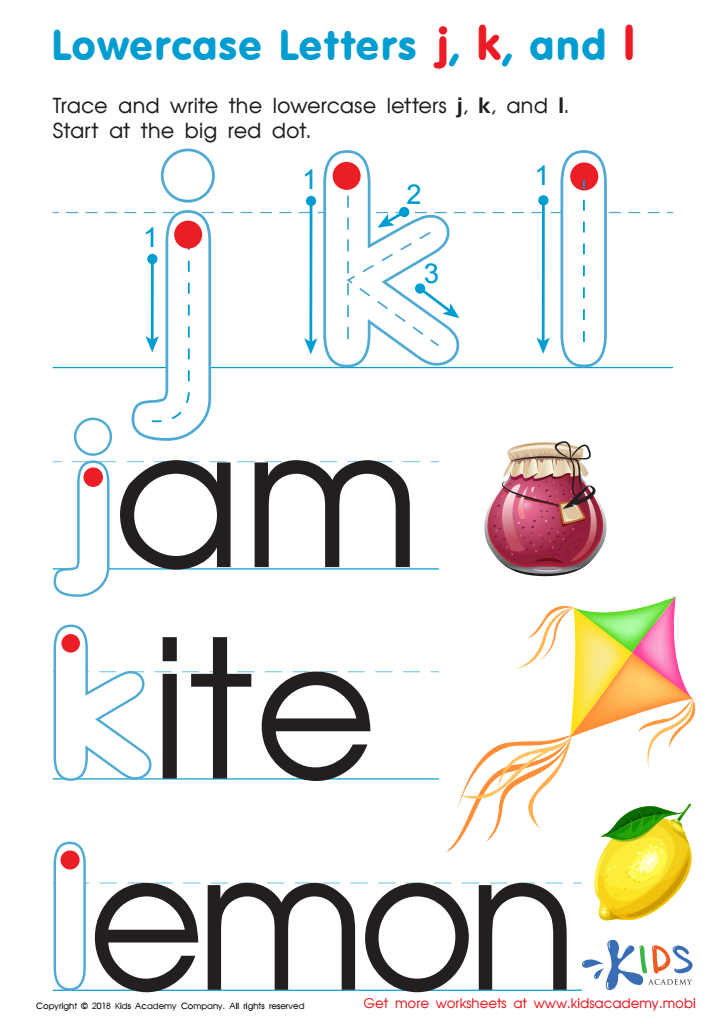
Lowercase Letters j k l Worksheet








Alphabet sequencing and normal letter recognition are fundamental skills for young children as they begin their literacy journey. Understanding the sequence of the alphabet helps children recognize the order of letters, which is crucial for reading and writing. When children learn to identify letters in sequence, they can better approach tasks such as spelling, organizing words, and understanding the phonetic relationships between letters.
For parents and teachers, fostering these skills is vital for several reasons. Firstly, early mastery of alphabet sequence enhances children's overall literacy development, increasing their confidence and enthusiasm for reading. When children can recognize and order letters, it provides a foundation for phonics, vocabulary acquisition, and sentence structure.
Moreover, these skills are often linked to academic success; strong letter recognition helps prevent future reading difficulties. Engaging activities, such as singing the alphabet song, playing matching games, or using flashcards, can motivate children and make learning fun.
Ultimately, fostering alphabet sequencing and letter recognition ensures that children are equipped with critical early literacy skills, paving the way for their future learning and success in school. Parents and teachers should prioritize these areas to encourage a love for reading and a strong educational foundation.








