Alphabet understanding Normal Letter Recognition Worksheets
5 filtered results
-
From - To
Enhance your child’s literacy skills with our engaging Alphabet Understanding Normal Letter Recognition Worksheets! Designed for early learners, these interactive worksheets promote essential letter recognition through fun activities. Children will joyfully identify and differentiate uppercase and lowercase letters, reinforcing their understanding of the alphabet. Perfect for classroom or home use, our printable worksheets cater to various learning styles, making learning enjoyable and effective. By incorporating colorful visuals and engaging exercises, these resources support foundational reading skills while encouraging a love for learning. Explore our collection today and set your child on the path to becoming a confident reader!
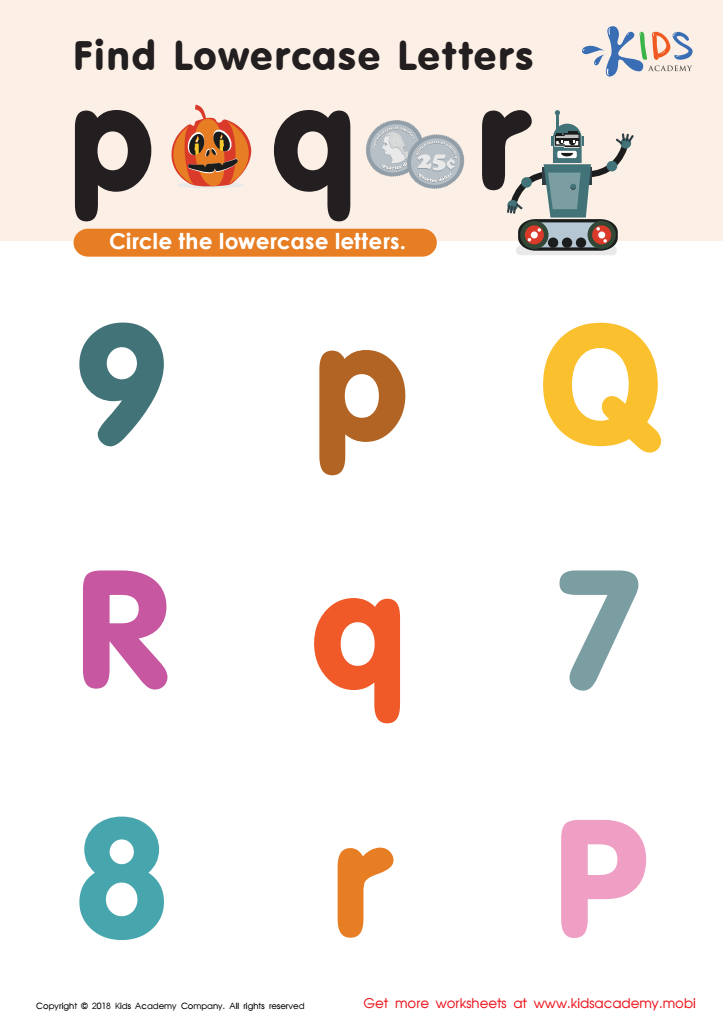
Find lowercase Letters p q r Worksheet
 Assign to My Students
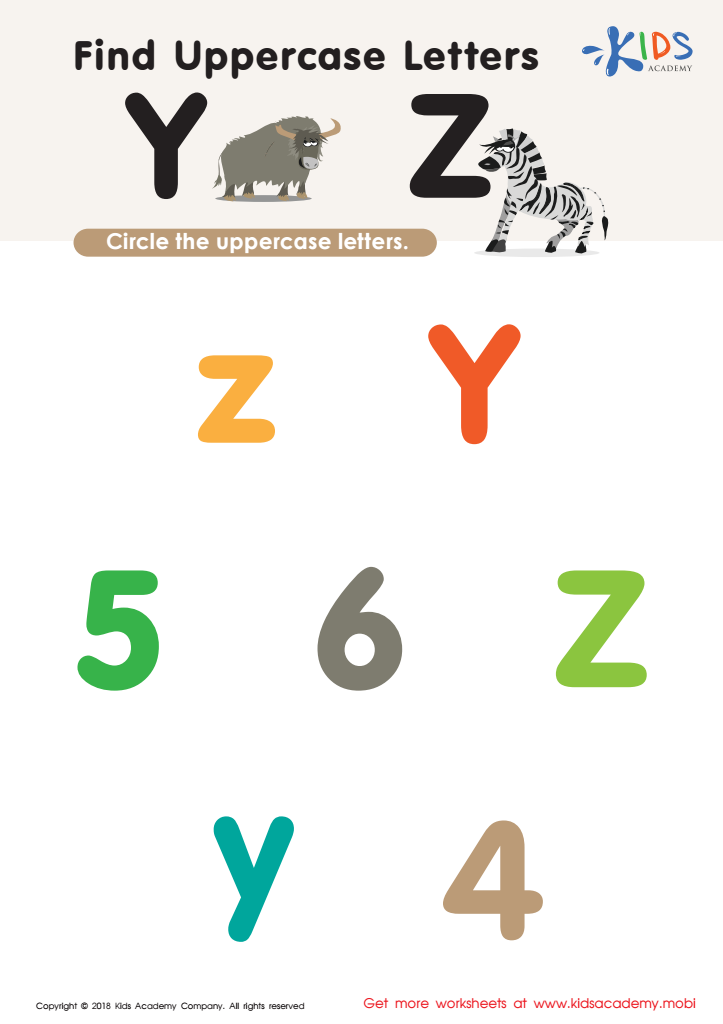
Find Uppercase Letters Y Z Worksheet
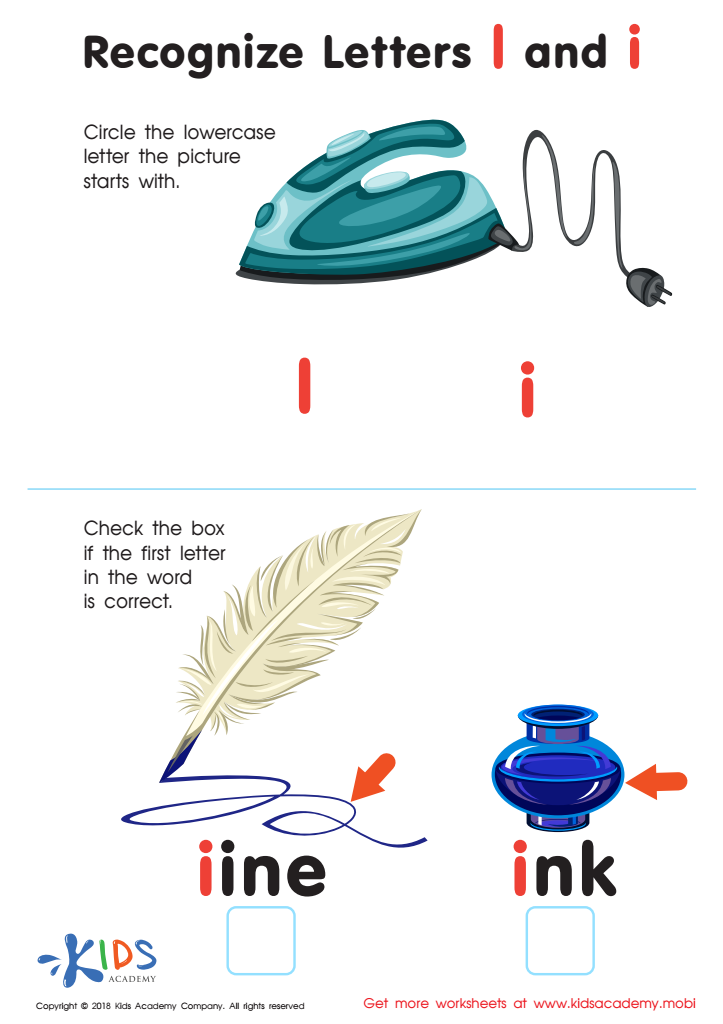
Recognize Letters l and i Worksheet
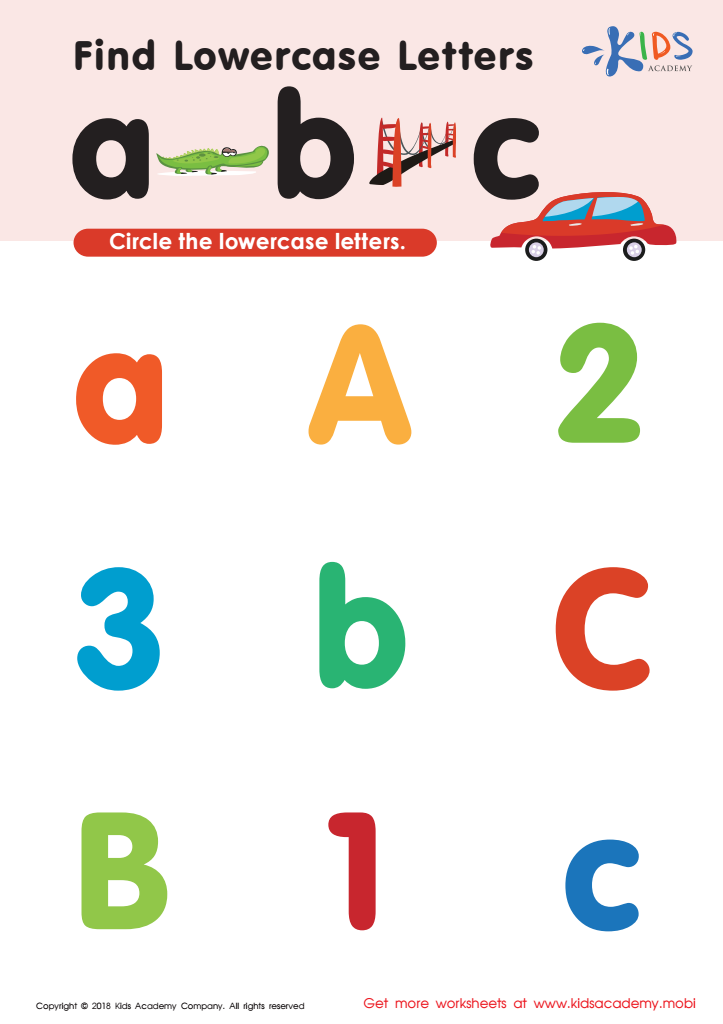
Find lowercase letters a b c Worksheet
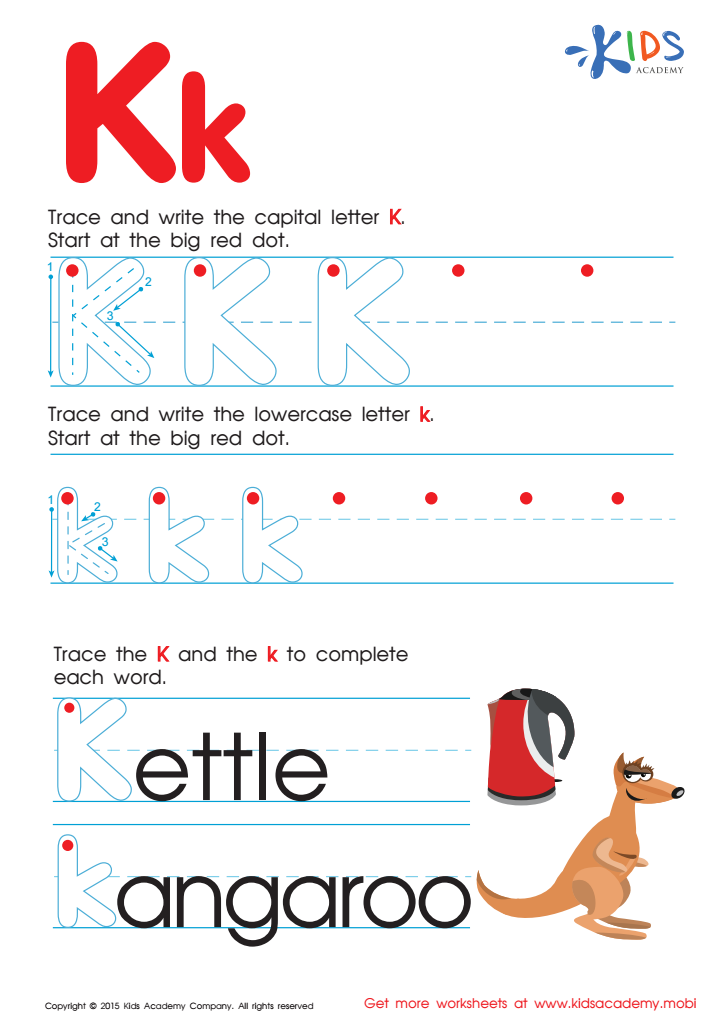
Letter K Tracing Page








Parents and teachers should prioritize alphabet understanding and normal letter recognition because these are foundational skills for literacy development. Recognizing letters is the first step in helping children read and write, essential skills for academic success in all subjects. When children can identify letters, they can begin to understand the sounds associated with them, aiding phonics development—crucial for decoding words when reading.
Additionally, early letter recognition fosters vocabulary acquisition and comprehension skills, enabling children to engage with more complex texts as they progress. A strong grasp of the alphabet also builds confidence in expressing themselves through writing. For parents and teachers, nurturing this understanding lays the groundwork for effective communication and critical thinking later in life.
Moreover, awareness of letter recognition allows educators to tailor instruction to a child’s needs, ensuring they are building crucial skills at an appropriate pace. Engaging with letters can also be a fun and interactive experience, strengthening the bond between adults and children.
In a rapidly changing, information-driven world, fostering strong literacy skills through letter recognition can shape a child's future opportunities. Ultimately, prioritizing these skills empowers children to thrive academically and socially.








