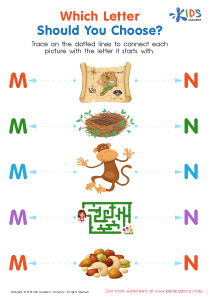
Alphabet sequencing Normal Lowercase/Small Letters Worksheets
3 filtered results
-
From - To
Help your students master the alphabet with our engaging Alphabet Sequencing Normal Lowercase/Small Letters Worksheets from Kids Academy. These worksheets are designed to enhance your child's ability to identify, sequence, and write lowercase letters. Perfect for early learners, they reinforce foundational literacy skills through fun and interactive activities. Each worksheet offers colorful, visually appealing exercises to keep your child engrossed while making learning enjoyable. Ideal for classroom or home use, these worksheets ensure your child develops a strong understanding of alphabet order, setting the stage for successful reading and writing skills. Start learning today!
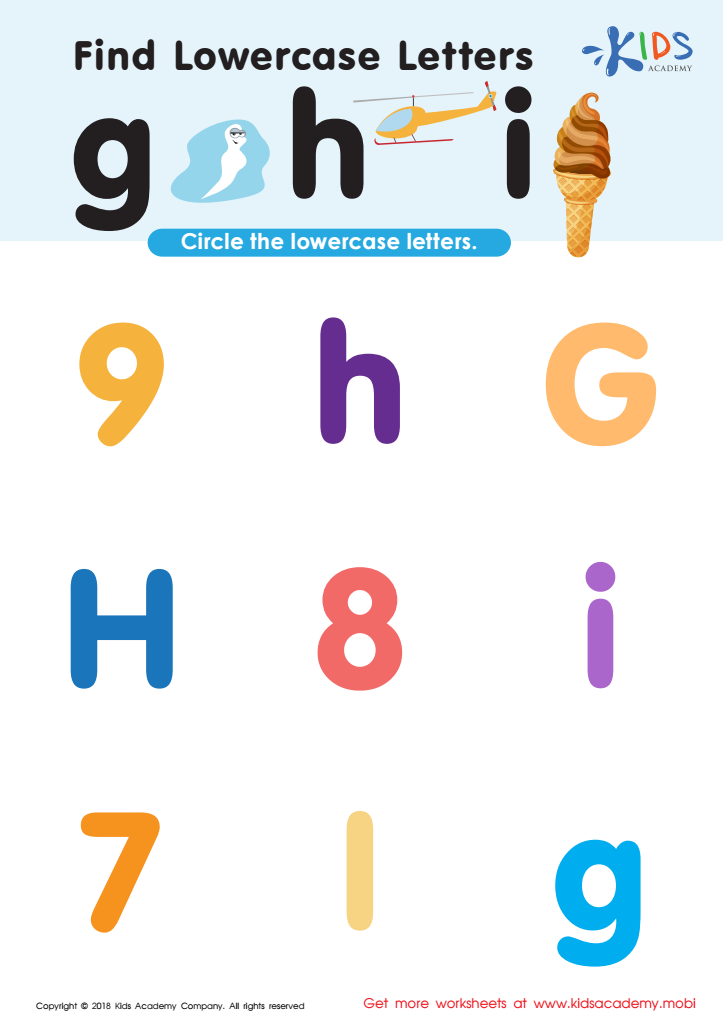
Find Lowercase Letters g h i Worksheet
 Assign to My Students
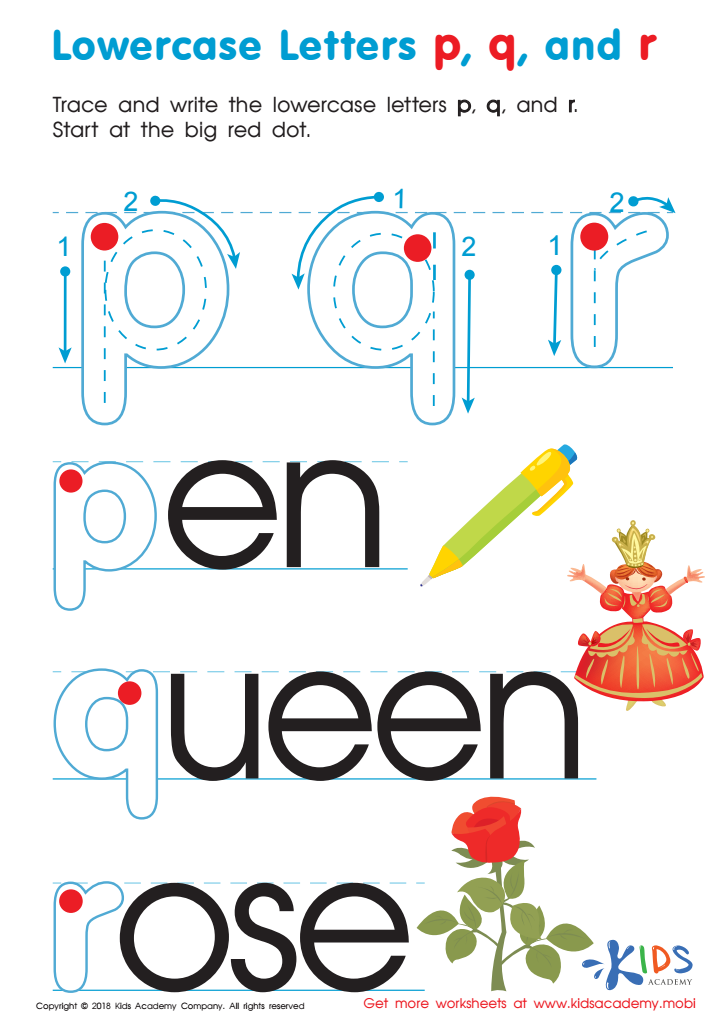
Lowercase Letters p q r Worksheet
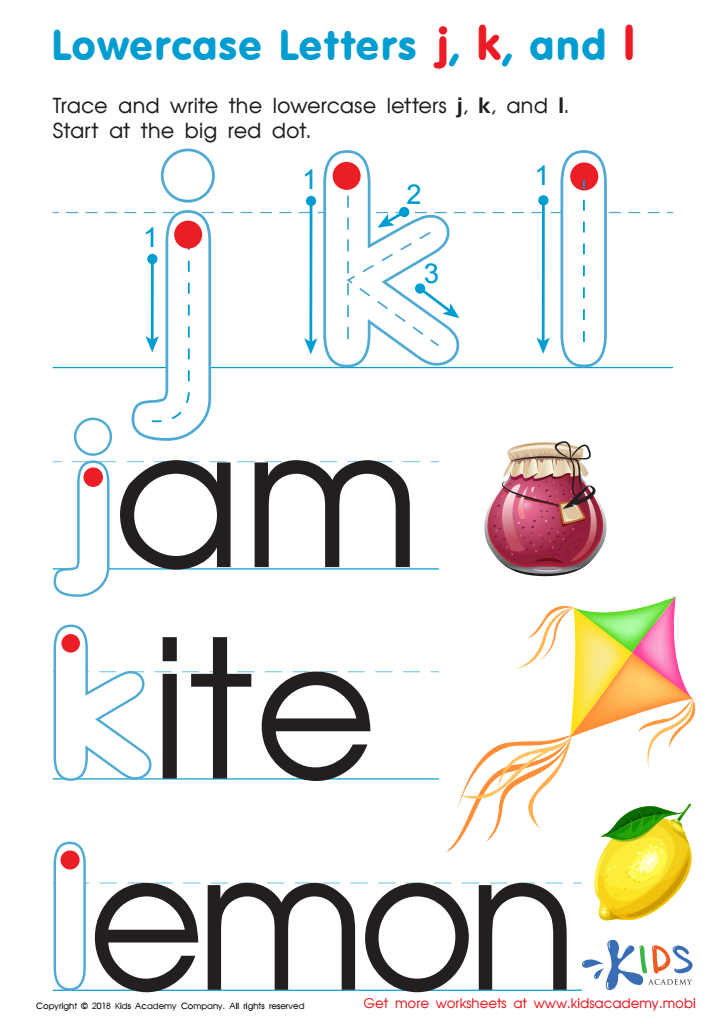
Lowercase Letters j k l Worksheet


Alphabet sequencing in lowercase letters is crucial for early childhood literacy development, and both parents and teachers should prioritize it for several reasons. Firstly, lowercase letters constitute the bulk of written text that children will encounter in books, worksheets, and everyday reading. Mastery of these letters ensures children can read smoothly and comprehend text more effectively.
Understanding the sequence of the alphabet aids in the development of alphabetical order skills, which are foundational for later skills like dictionary use, organizing information, and even learning other languages. Proficiency in lowercase letter sequencing enhances phonemic awareness, as children learn the sounds that correspond with each letter, an essential step towards phonics-based reading instruction.
Moreover, recognizing and writing lowercase letters with fluency promotes fine motor skills and coordination. Engaging in activities like alphabet puzzles, writing exercises, and sequencing games supports cognitive and physical development simultaneously.
Parents' involvement reinforces learning outside the classroom, creating a consistent and supportive educational environment. Teachers, by blending fun, interactive methods that involve lowercase letters, help children build a strong literacy foundation. By focusing on lowercase alphabet sequencing, parents and teachers contribute substantially to a child's overall language development, setting the stage for future academic success.