Number Recognition Normal Phonics Worksheets
3 filtered results
-
From - To
Discover our engaging Number Recognition Normal Phonics Worksheets designed to enhance early math skills through interactive learning! Tailored for young learners, these worksheets combine fun activities with phonics to help children recognize numbers and their corresponding quantities. Ideal for preschool and kindergarten classrooms, our resources promote confidence in number identification while reinforcing phonetic sounds. From vibrant illustrations to engaging exercises, each worksheet captivates students and fosters a love for learning. Dive into a world of educational fun and give your child the tools they need to succeed in number recognition! Perfect for home or classroom use. Start your learning adventure today!
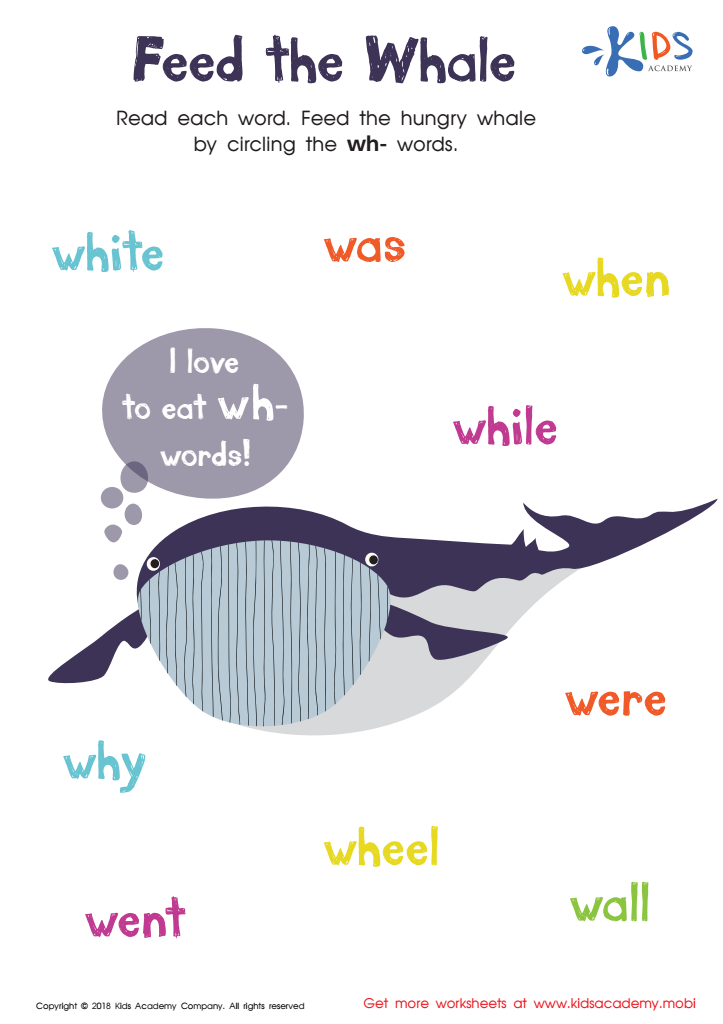
Feed the Whale Worksheet
 Assign to My Students
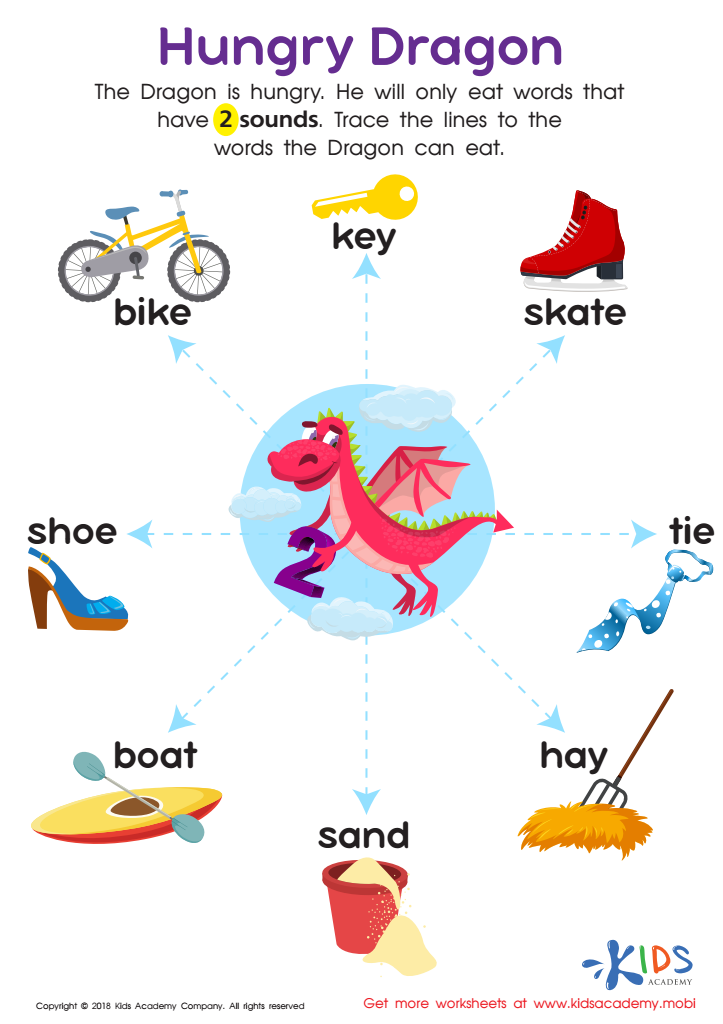
Hungry Dragon Worksheet
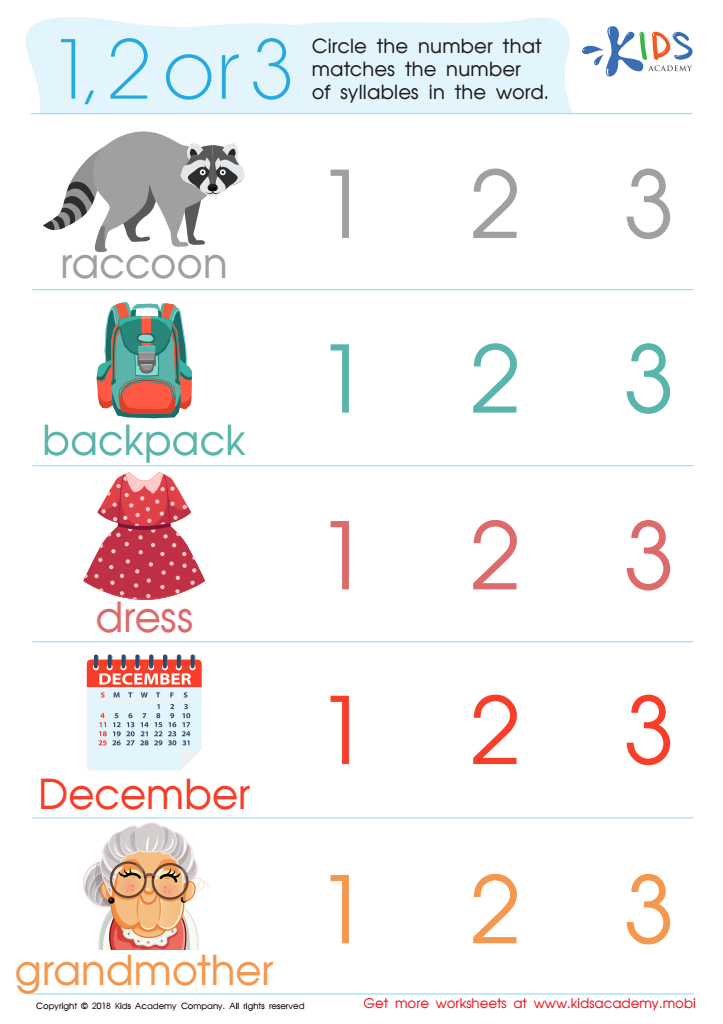
1, 2 or 3? Worksheet








Number recognition and phonics are foundational skills that play a crucial role in early childhood education. Parents and teachers should prioritize these competencies for several reasons.
Firstly, number recognition supports mathematical development. Early exposure to numbers helps children understand quantities, patterns, and basic operations, laying the groundwork for more complex mathematical concepts. Recognizing numbers aids in everyday practical applications, such as counting objects or telling time, which fosters a sense of empowerment and confidence in young learners.
Similarly, phonics is essential for literacy. Understanding the relationship between sounds and letters equips children with the skills needed to read fluently. Strong phonics skills enable students to decode unfamiliar words, enhancing their reading comprehension and vocabulary development.
Additionally, both number recognition and phonics encourage cognitive development. They stimulate problem-solving and critical thinking skills, as children learn to synthesize mathematical and linguistic concepts. By supporting these skills, parents and teachers can help children become independent learners and prepare them for future academic success.
Engaging children in activities that develop these skills can enhance their educational experience and foster a love for learning. Ultimately, investing in number recognition and normal phonics is a stepping stone to lifelong learning and achievement.







