Letter Tracing Practice Normal Tracing Letters Worksheets
3 filtered results
-
From - To
Welcome to our Letter Tracing Practice Normal Tracing Letters Worksheets page! Here, you'll find engaging and educational resources designed to help young learners master handwriting skills. Our worksheets focus on normal letter tracing to ensure children can easily recognize and write both uppercase and lowercase letters. Perfect for preschool and kindergarten learners, these worksheets promote fine motor skills and boost confidence in writing. Each printable is designed to be fun and interactive, encouraging children to practice consistently. Enhance your child's literacy skills today with our user-friendly tracing worksheets that make learning the alphabet enjoyable!
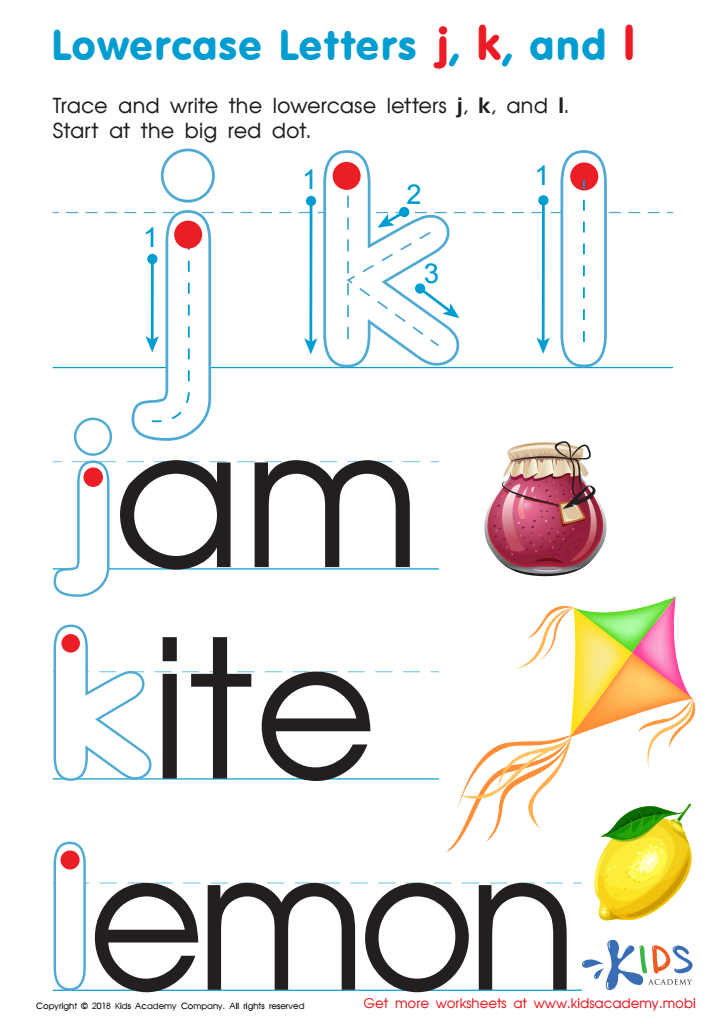
Lowercase Letters j k l Worksheet
 Assign to My Students
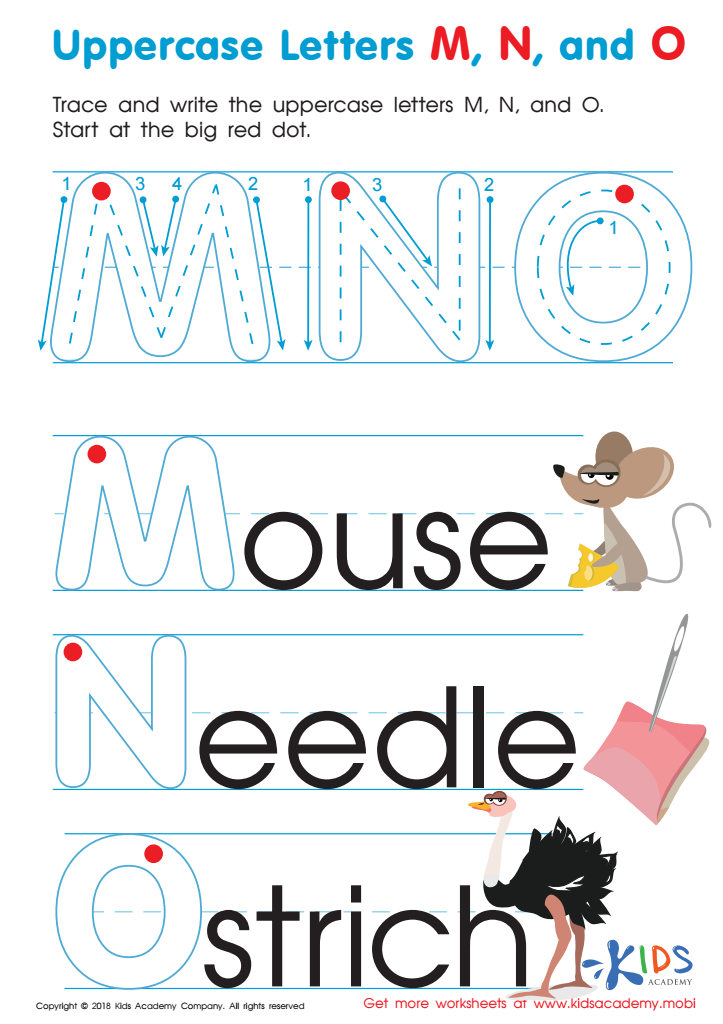
Uppercase Letters M, N, and O Worksheet
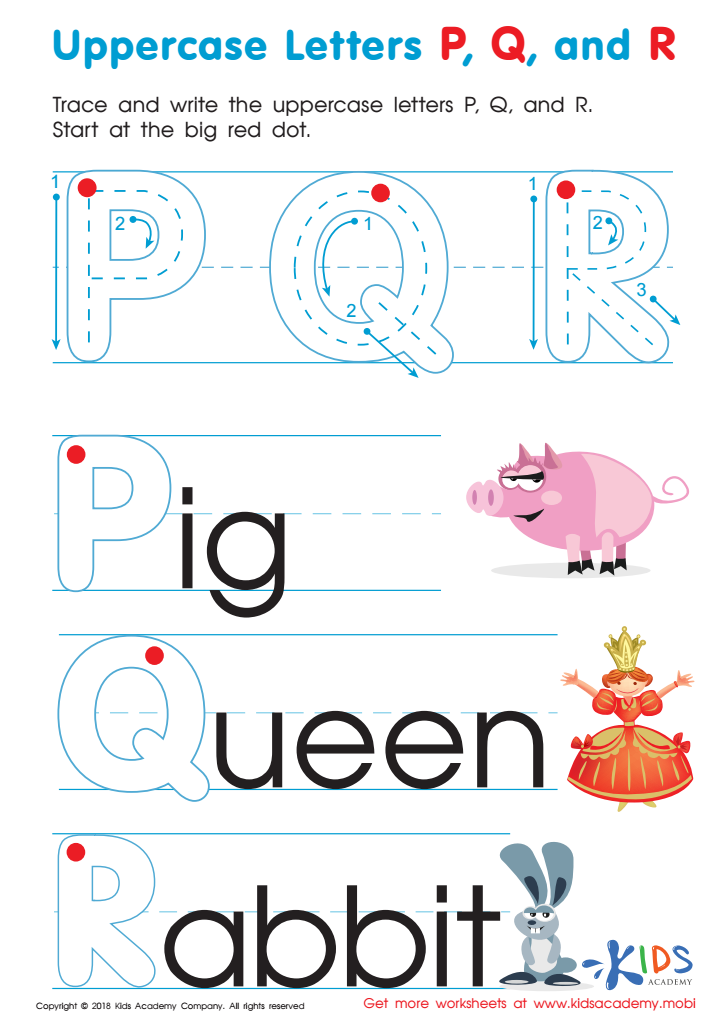
Uppercase Letters P, Q, and R Worksheet








Letter tracing practice is essential for early literacy development, and both parents and teachers should prioritize it for several reasons. Firstly, tracing letters helps children develop fine motor skills, which are critical for writing. By controlling a pencil or marker while following the lines, children enhance their hand-eye coordination and dexterity, laying the groundwork for more complex writing tasks.
Additionally, letter tracing reinforces letter recognition and formation. When children trace, they visually and physically engage with each letter, facilitating better recall and understanding of the alphabet. This critical foundation aids in reading and writing proficiency and lays the groundwork for strong literacy skills later on.
Furthermore, letter tracing practice cultivates focus and patience in young learners. As children learn to trace letters carefully, they also develop their ability to concentrate and maintain attention, skills that are invaluable across all areas of learning.
Importantly, this activity can be both educational and enjoyable, allowing for creative engagement through various activities, such as arts and crafts or sensory learning. By incorporating letter tracing exercises into home or classroom routines, parents and teachers provide children with a purposeful way to practice essential skills that support their academic journey.








