Alphabetical order understanding Normal English for Beginners Worksheets
3 filtered results
-
From - To
Enhance your beginners' English skills with our "Alphabetical Order Understanding" worksheets! Designed specifically for early learners, these engaging resources introduce the concept of alphabetical order in a fun and interactive way. Students will practice organizing words and phrases from A to Z, improving their vocabulary and spelling along the way. Each worksheet features clear instructions and vibrant visuals that make learning enjoyable. Perfect for classrooms or home schooling, these printable documents help foster essential skills in young learners. Explore our comprehensive collection to support your teaching efforts and build a solid foundation in English language education. Start your alphabetical journey now!
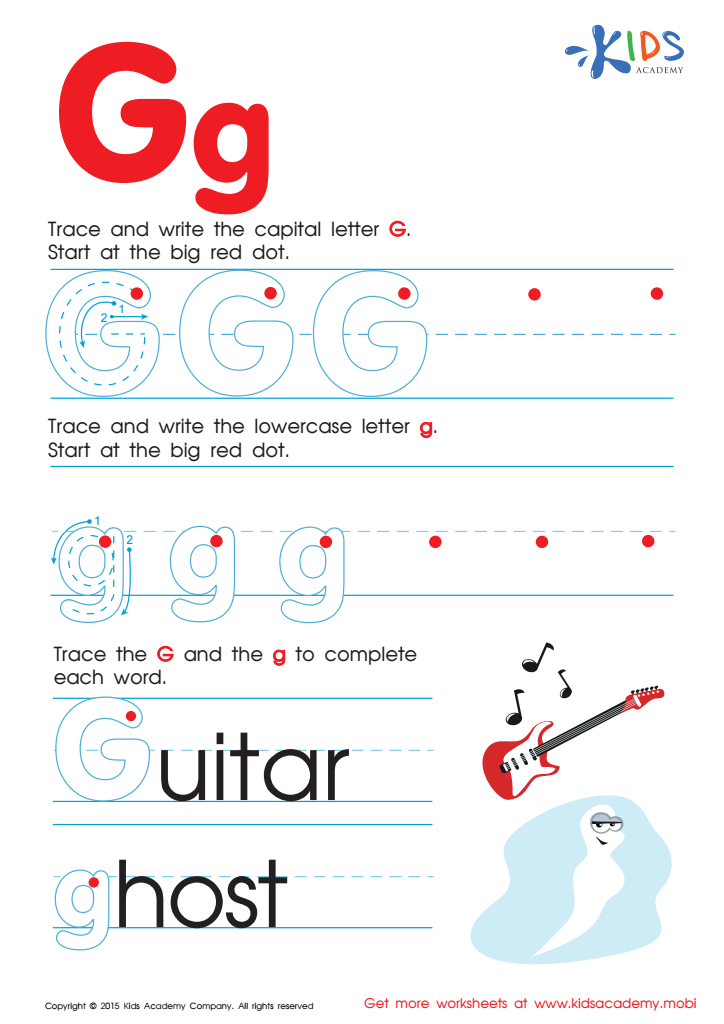
Letter G Tracing Page
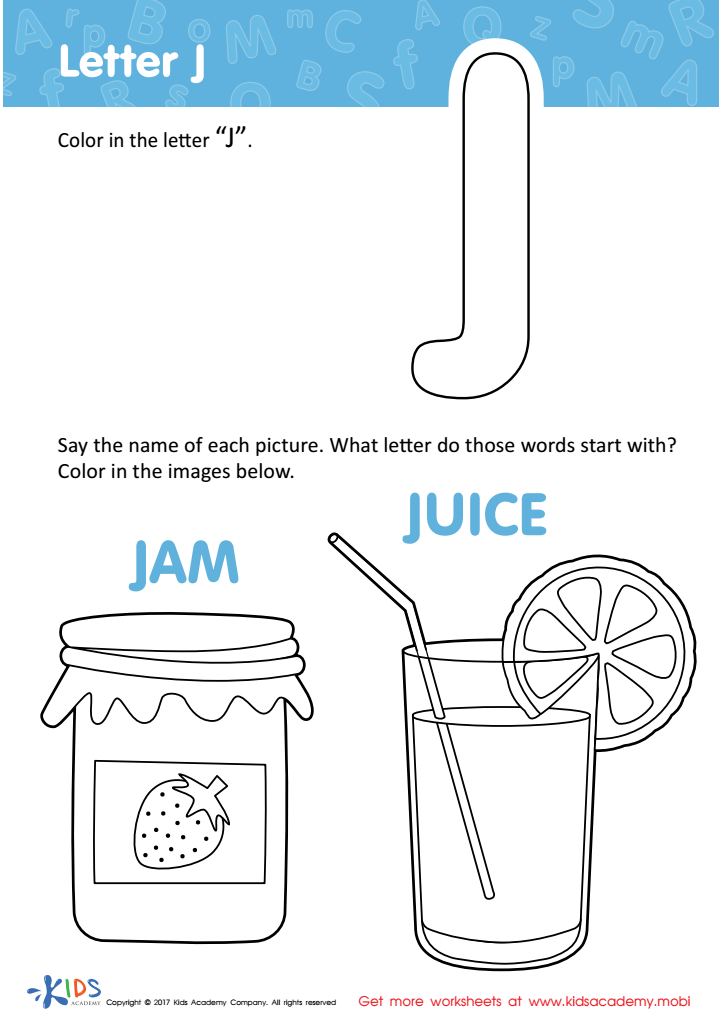
Letter J Coloring Sheet
 Assign to My Students
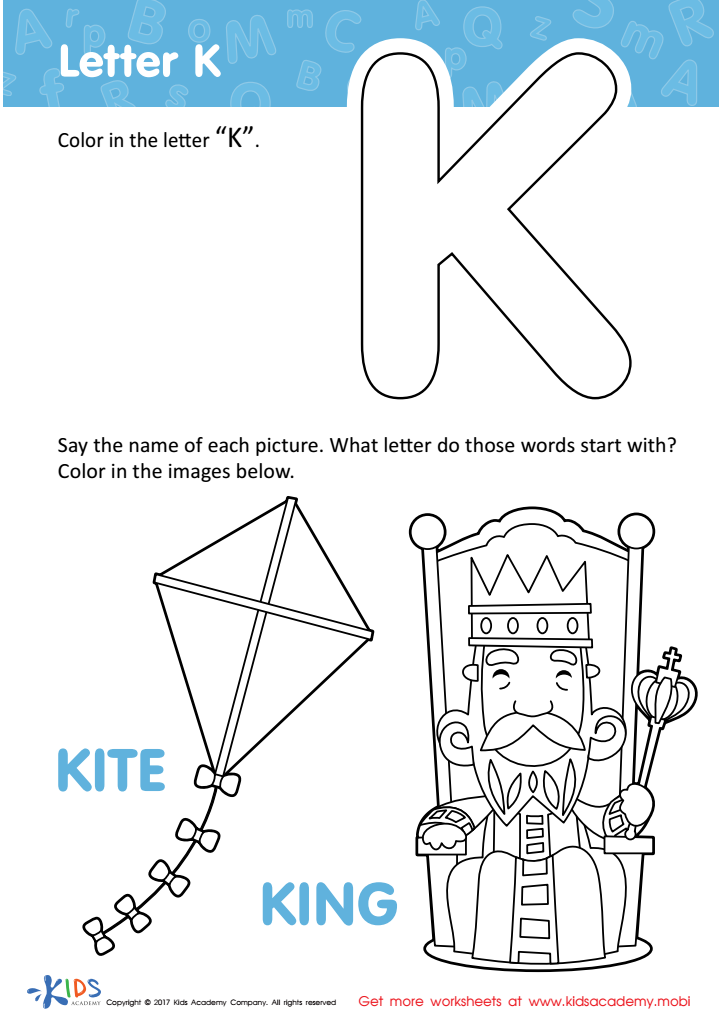
Letter K Coloring Sheet
Assign to My Students




Understanding alphabetical order is essential for beginners learning English, as it lays the groundwork for various educational and organizational skills. Firstly, it provides students with tools to navigate books, dictionaries, and online resources effectively, enhancing their ability to find information quickly. This skill also fosters independence in learning, encouraging children to seek answers on their own.
For parents and teachers, promoting alphabetical order helps develop strong phonemic awareness, which contributes to reading and spelling proficiency. When students recognize and arrange words alphabetically, they begin to understand letter sounds and sequences, reinforcing their overall language development.
Moreover, mastering alphabetical order encourages critical thinking and categorization skills. Children learn to classify words, which can enhance their vocabulary and comprehension. This skill becomes increasingly relevant as students progress in their education, where information sorting is vital.
Lastly, reinforcing alphabetical order understanding creates a sense of order and structure in learning environments, making concepts easier to grasp and fostering a love for literacy. Overall, the benefits extend not only to immediate language acquisition but also to lifelong learning habits that will serve children in various aspects of their academic journeys.