Handwriting practice Normal English for Beginners Worksheets - Page 2
26 filtered results
-
From - To
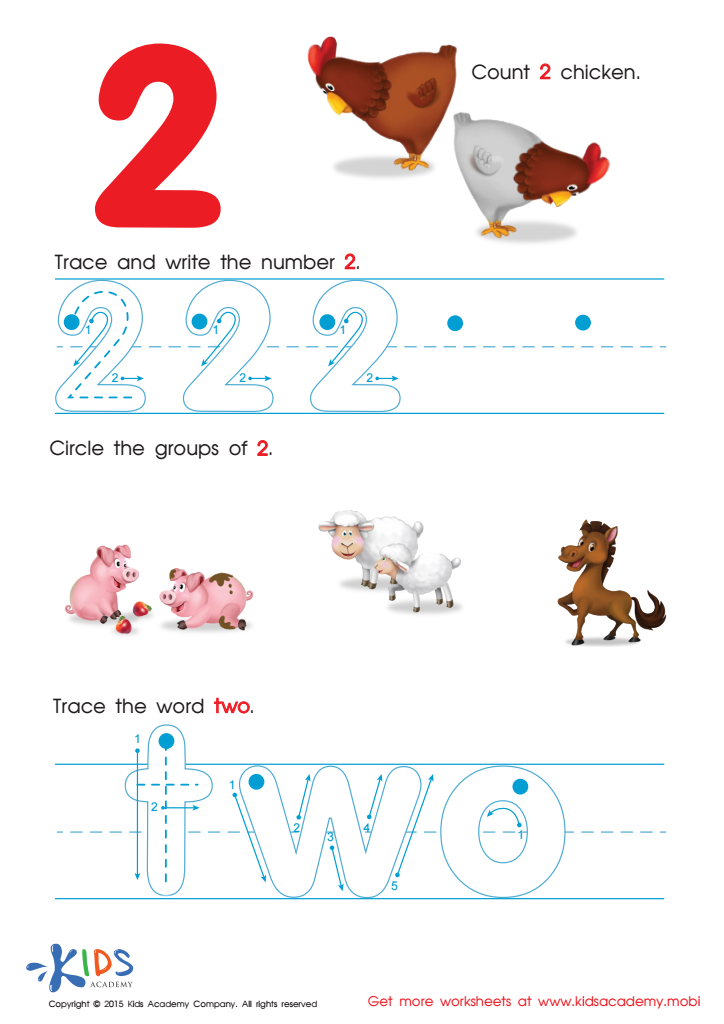
Learn to Write the Number 2 Worksheet

Letter N Coloring Sheet
 Assign to My Students





Handwriting practice is crucial for beginners because it forms the foundation for their learning and communication skills. For young children, mastering handwriting helps improve their fine motor skills, which are essential for everyday tasks like tying shoes or using utensils. When students practice handwriting, they are also developing coordination, muscle memory, and hand-eye coordination.
Beyond physical skills, handwriting reinforces students' understanding of letters and numbers. Writing by hand helps students learn how to spell, boosts their memory of new vocabulary, and enhances their reading skills. It's an important step in cognitive development because it makes the connection between written and spoken language clearer.
From a practical standpoint, neat handwriting is important for students' future success. Clear writing ensures that they can express their thoughts accurately and be understood by others, which is key in exams and paperwork later in life.
Handwriting practice also teaches patience and focus, qualities that are essential for long-term academic and personal success. It encourages students to slow down and process information more completely.
Overall, dedicating time to handwriting practice can significantly benefit a child's development, making it a valuable component of early education that parents and teachers should not overlook.