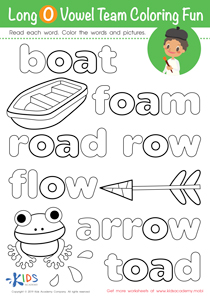
Phonics Skills Normal Grade 1 Short Vowels Worksheets
3 filtered results
-
From - To
Explore our engaging collection of Phonics Skills worksheets tailored for Grade 1 students! These Short Vowels worksheets introduce young learners to essential phonics concepts, emphasizing recognition and production of short vowel sounds. Designed with colorful illustrations and interactive activities, they make learning fun and effective. Each worksheet reinforces the relationship between letters and sounds, helping children build a solid foundation in reading and writing. Perfect for home or classroom use, these resources are ideal for enhancing literacy skills. Jumpstart your child's phonics journey with our user-friendly, print-ready worksheets that support early reading development and boost classroom confidence!
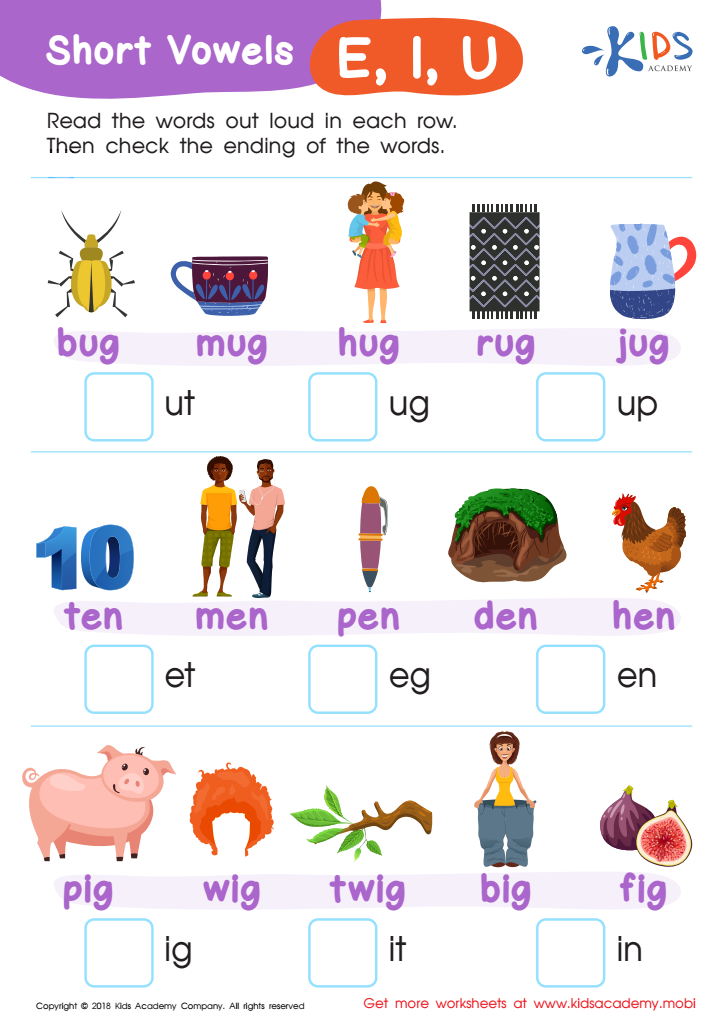
Short Vowels /e/, /i/, and /u/ Worksheet
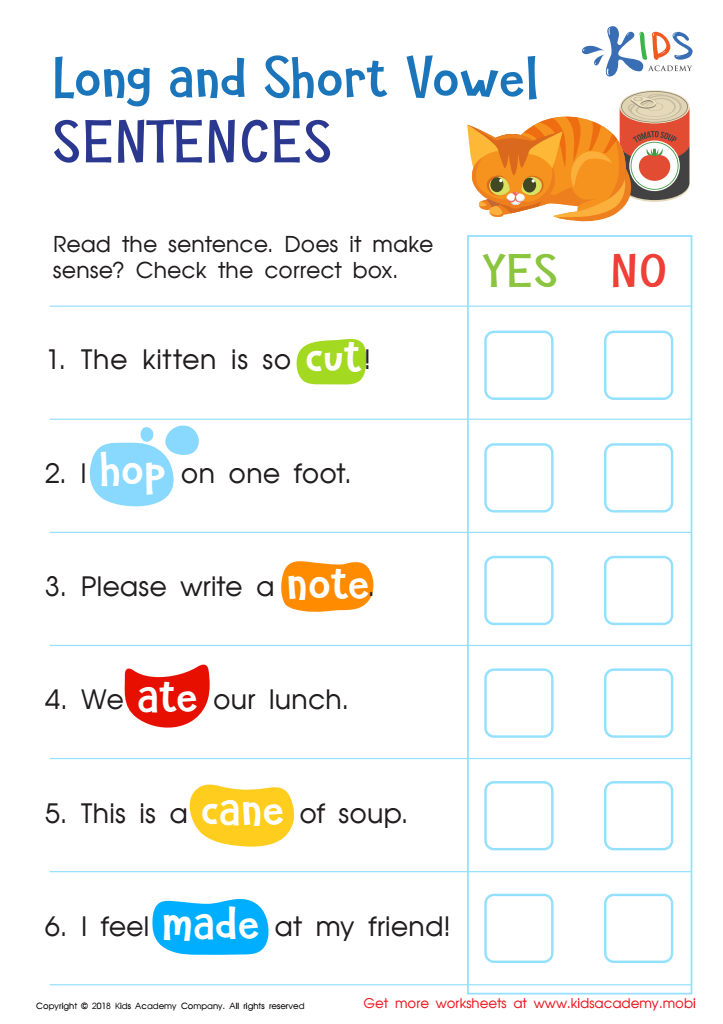
Long and Short Vowel Sentences: Assessment Worksheet

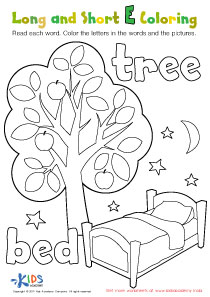
Long and Short E Worksheet
 Assign to My Students


Phonics skills, particularly short vowels, are foundational to reading success in early grades, making it essential for parents and teachers to prioritize them for Grade 1 students. Short vowels—such as “a,” “e,” “i,” “o,” and “u”—play a crucial role in word formation and pronunciation. Mastering these sounds aids children in decoding unfamiliar words, enhancing their reading fluency and comprehension.
Early mastery of phonics skills helps bolster a child's confidence in reading, making it a fun and engaging activity rather than a source of anxiety. When children understand how vowels function within words, they become better equipped to tackle spelling and vocabulary challenges, promoting a richer language experience overall.
Moreover, phonics instruction offers a systematic approach to reading, which can be tailored to fit diverse learning styles. Parents can reinforce key phonics concepts at home through simple games or reading activities. By collaborating with teachers in this process, they help establish a supportive learning environment.
Finally, strong phonics skills lay the groundwork for future academic success, as proficient readers often perform better across all subjects. Therefore, emphasizing short vowel phonics not only enhances literacy but supports overall educational development, making it a critical focus in Grade 1.