Enhancing observational skills Normal Grade 1 Worksheets
3 filtered results
-
From - To
Enhancing observational skills is vital for first graders as they begin to explore and understand their environment. Our grade 1 worksheets are thoughtfully designed to engage young learners in developing sharp observational capabilities. These printable activities encourage children to notice details, analyze visuals, and make connections. Through various exercises, students will practice skills such as identifying similarities and differences, spotting patterns, and enhancing memory recall. The worksheets promote critical thinking and boost confidence in their observational abilities. Prepare your child for success by integrating these fun and interactive learning tools that make observation both exciting and educational!
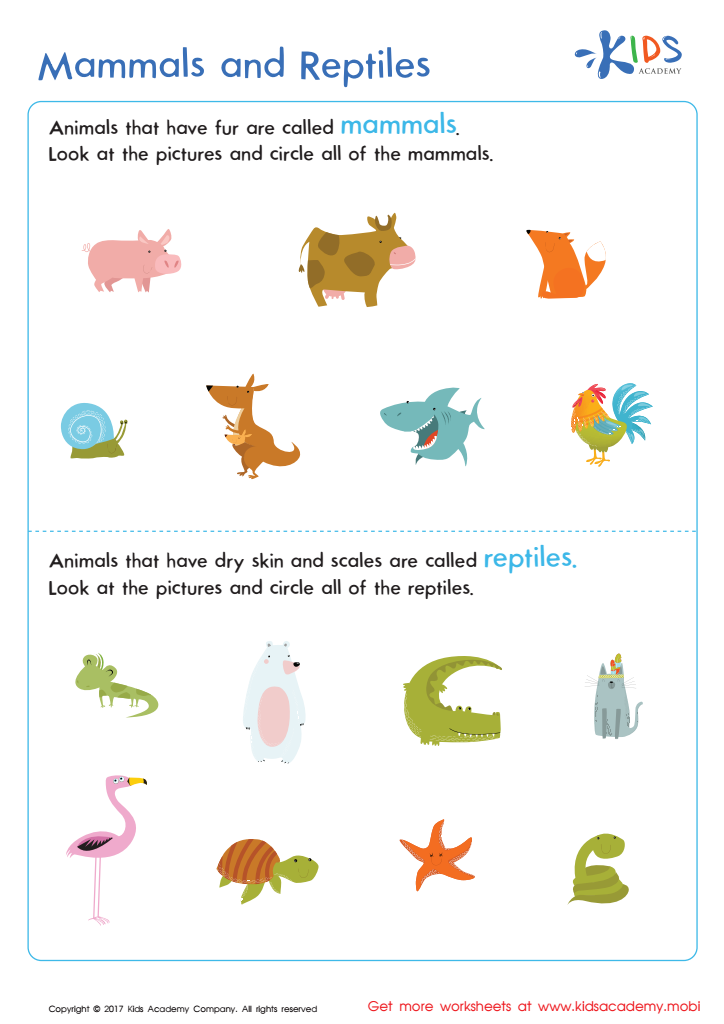
Mammals and Reptiles Worksheet
 Assign to My Students
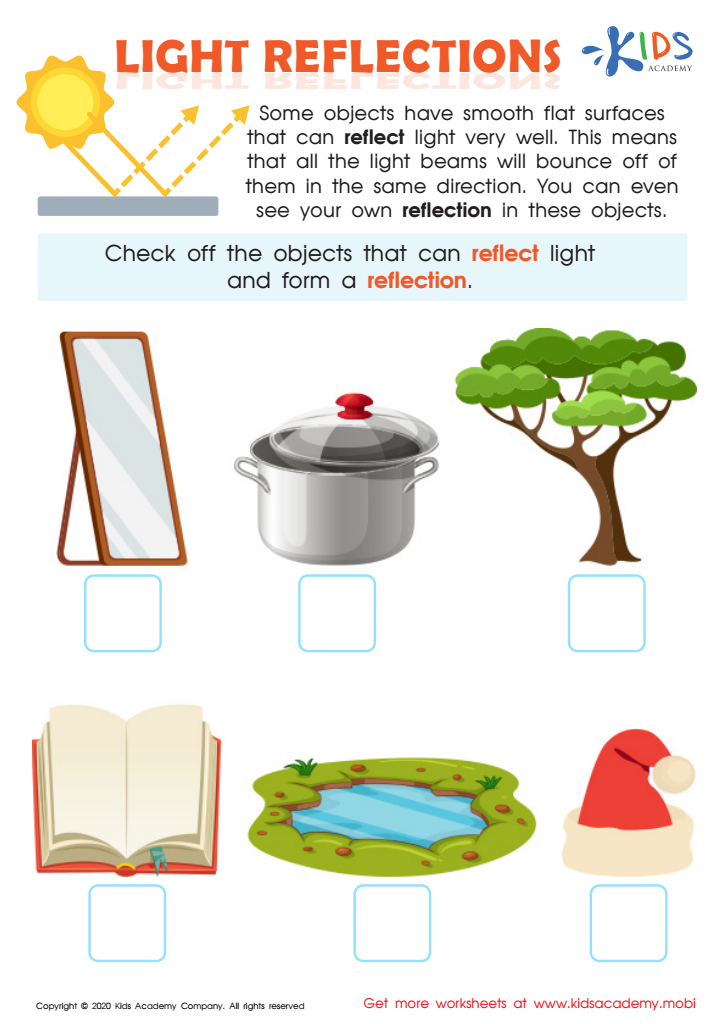
Light Reflections Worksheet
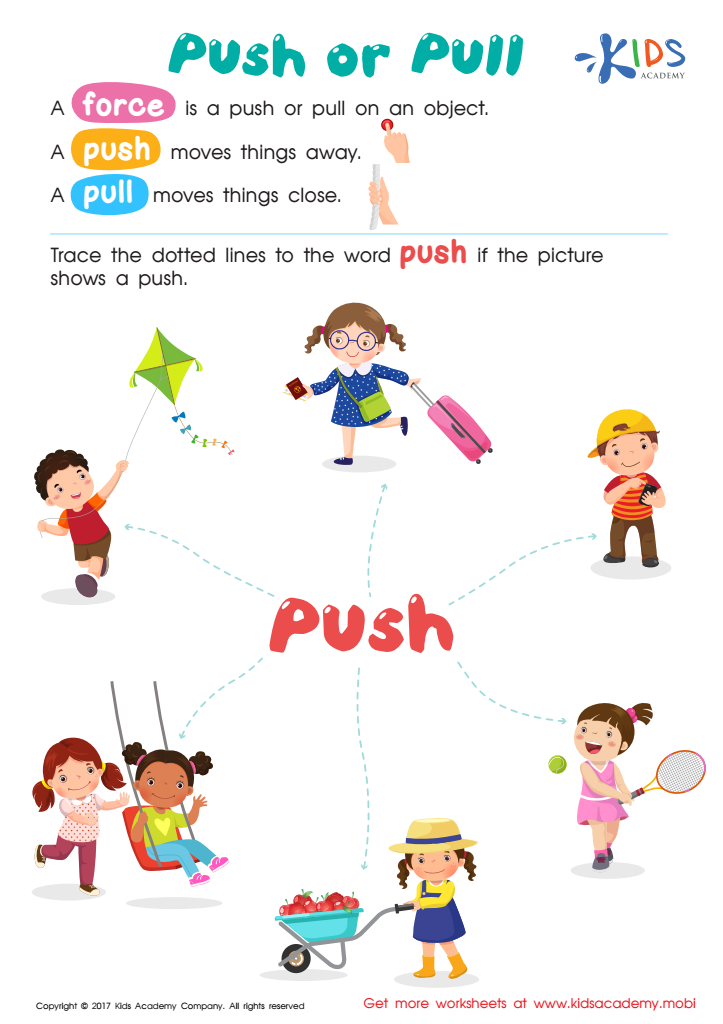
Push or Pull Worksheet




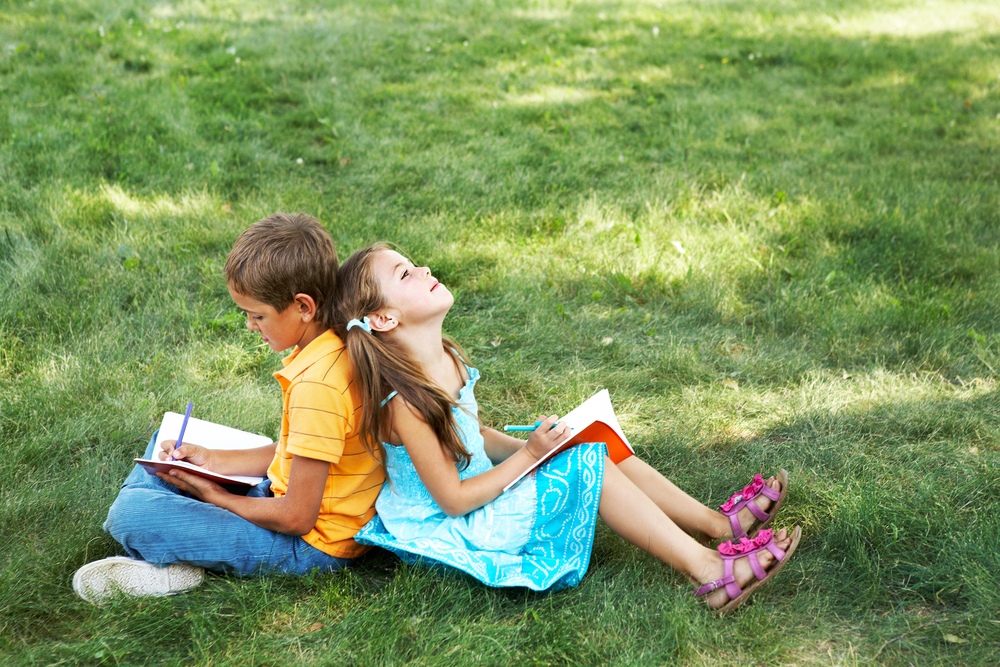



Enhancing observational skills in Grade 1 is crucial for both parents and teachers, as these skills lay the foundation for a child's learning journey. At this stage, children are naturally curious and eager to explore their environment, enabling them to gather information through observation. By honing these skills, they develop critical thinking, attention to detail, and an understanding of the world around them.
Observation supports various aspects of development, including literacy and math. For instance, noticing patterns in nature helps establish early math concepts, while keen observation of story elements aids comprehension. Encouraging children to observe their surroundings promotes inquiry-based learning, nurturing a culture of exploration and questioning.
Furthermore, strong observational skills assist in emotional and social development. Children learn to read nonverbal cues, enhancing their ability to interact with peers and form meaningful relationships. Parents and teachers should engage children through activities that stimulate these skills, such as nature walks, art projects, or interactive discussions.
In summary, investing in the enhancement of observational skills is essential for fostering well-rounded, independent learners who are equipped to navigate both academic and social landscapes effectively. By prioritizing these skills, adults can create a supportive environment that inspires curiosity and discovery.