Hand-eye Coordination Normal Grade 1 Worksheets
18 filtered results
-
From - To
Enhance your child's learning experience with our engaging Hand-eye Coordination Normal Grade 1 Worksheets. Designed for first graders, these worksheets focus on developing vital motor skills through interactive activities. Students will enjoy a variety of exercises including tracing, drawing, and matching, all aimed at improving their coordination and fine motor skills. Our worksheets align with educational standards to ensure that your child builds a strong foundation for future learning. Perfect for home or classroom use, these resources are ideal for reinforcing hand-eye coordination concepts. Prepare your first grader for success while making learning fun and effective!
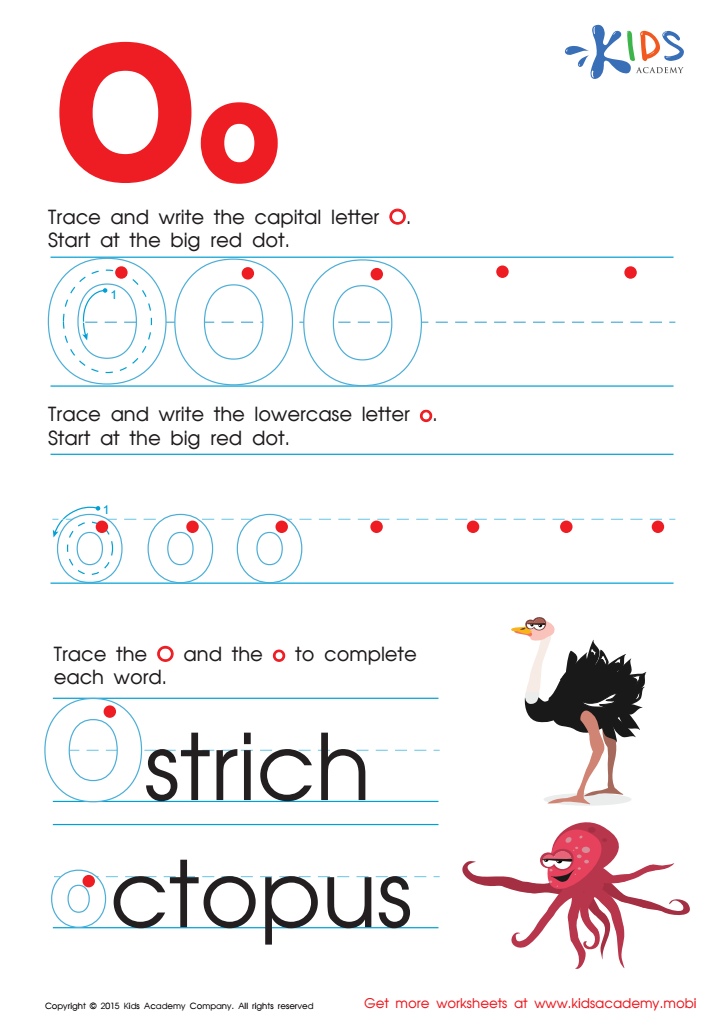
Letter O Tracing Page
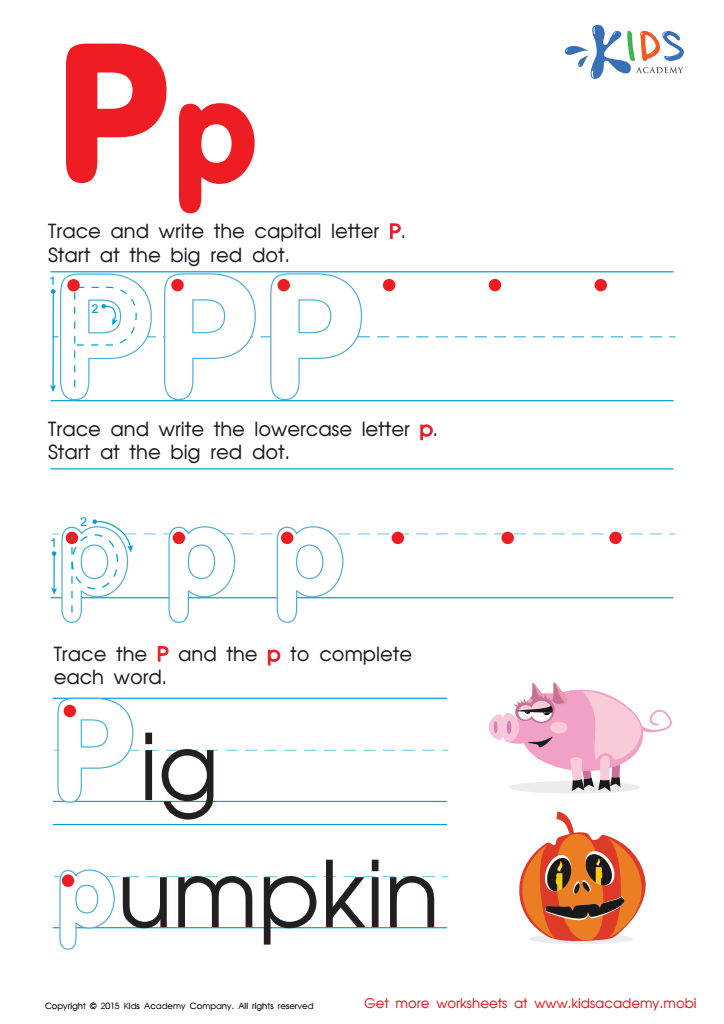
Letter P Tracing Page
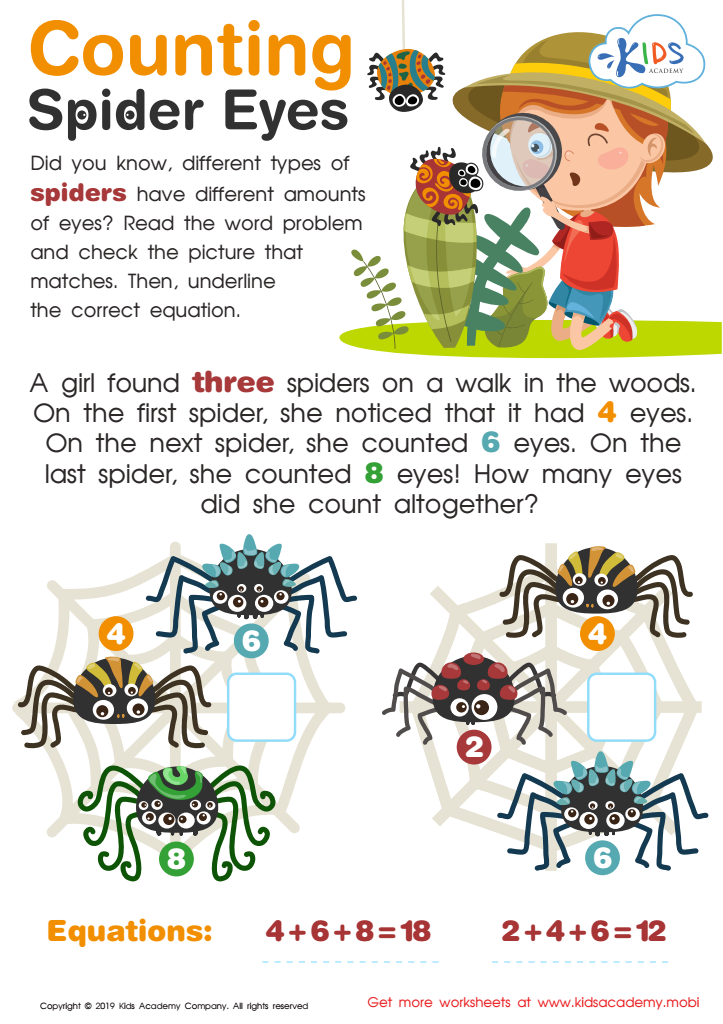
Counting Spider Eyes Worksheet
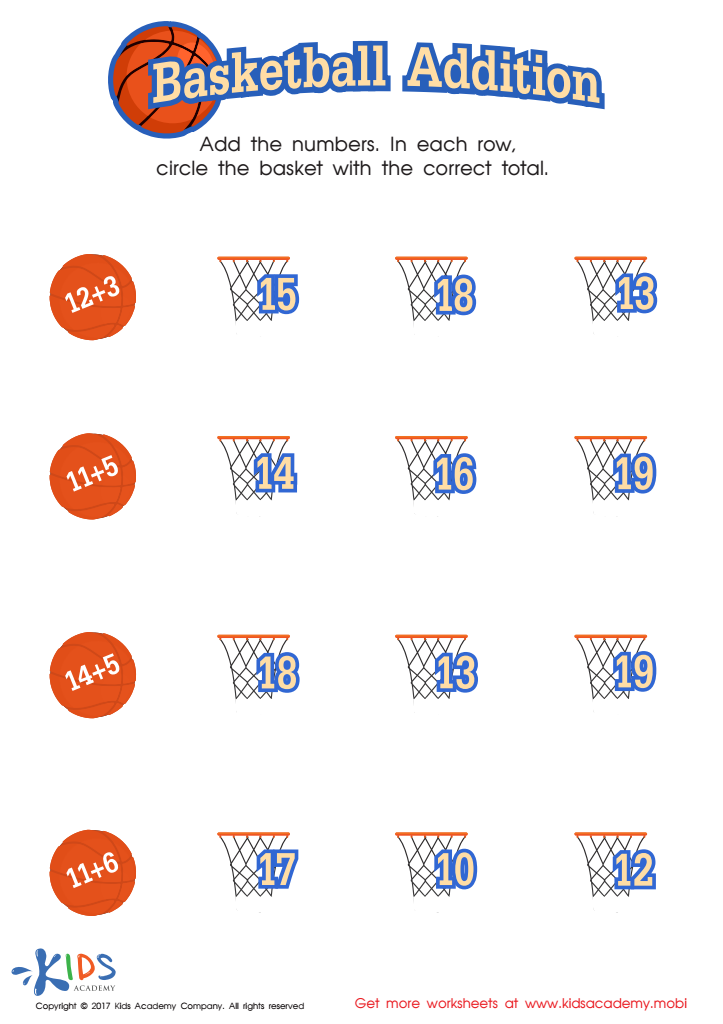
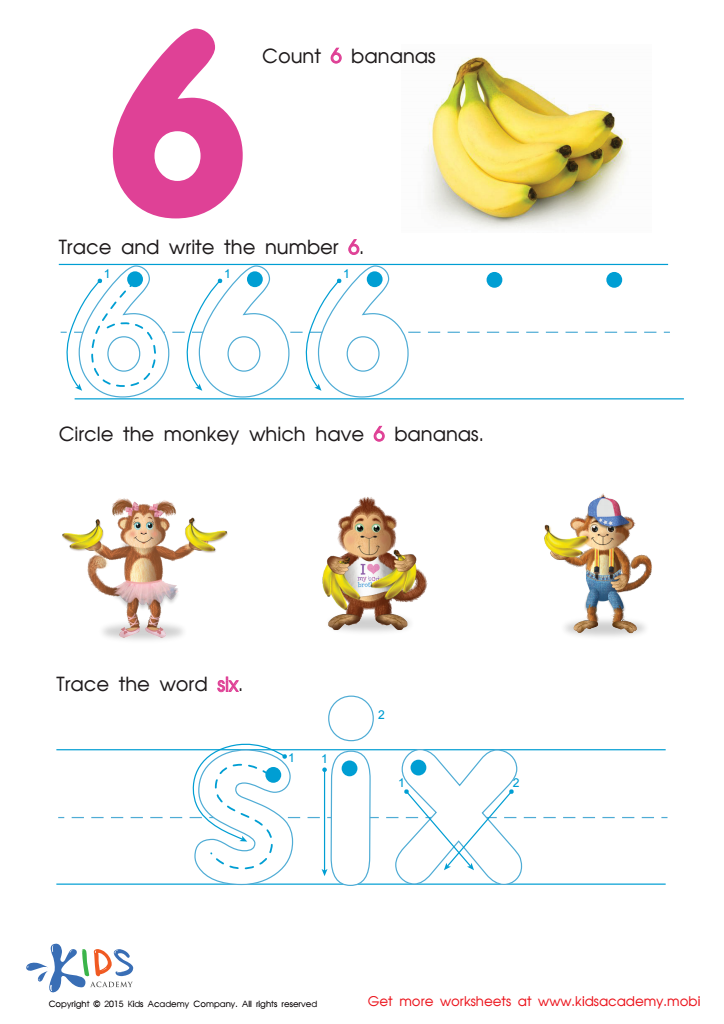
Tracing And Writing Number 6 Worksheet
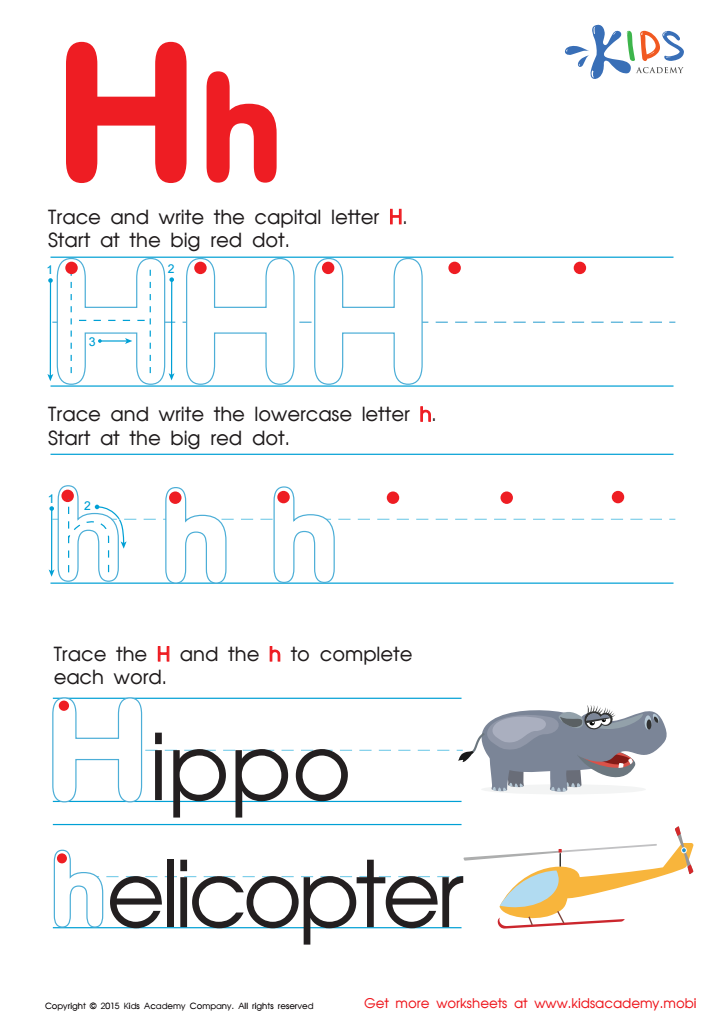
Letter H Tracing Page
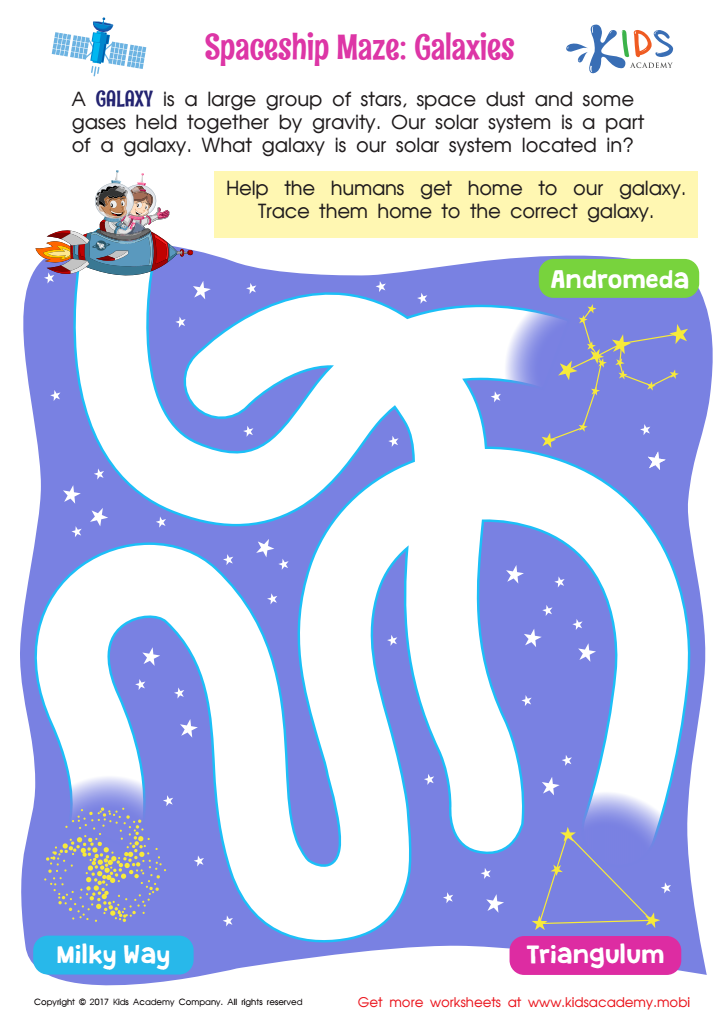
Spaceship Maze: Galaxies Worksheet
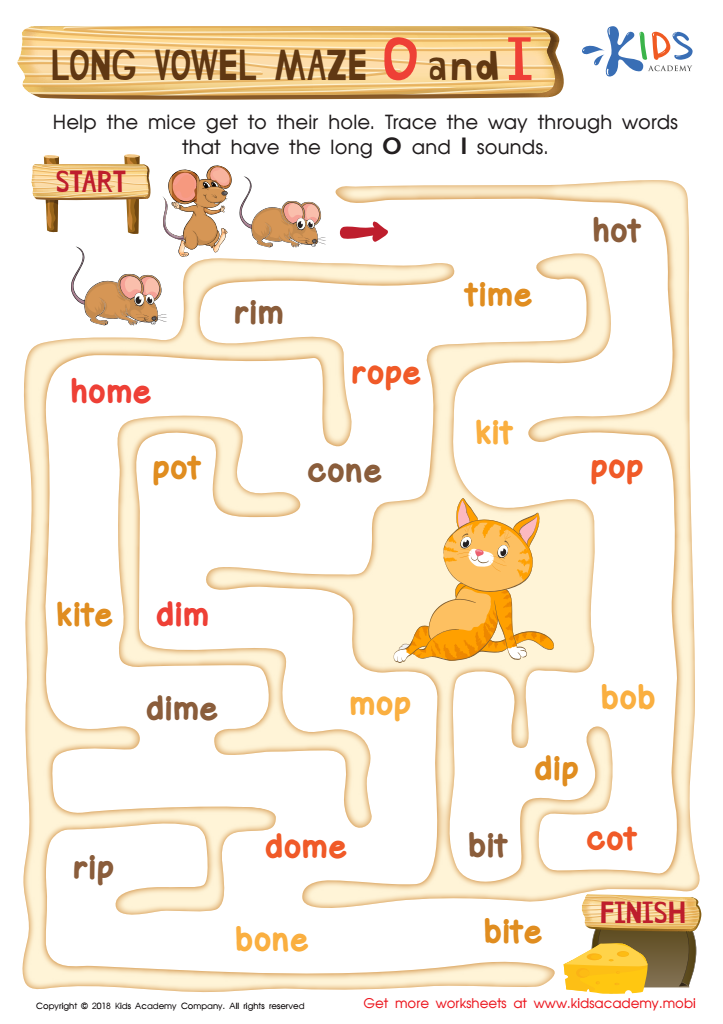
Long Vowel Maze /o/ and /i/ Worksheet
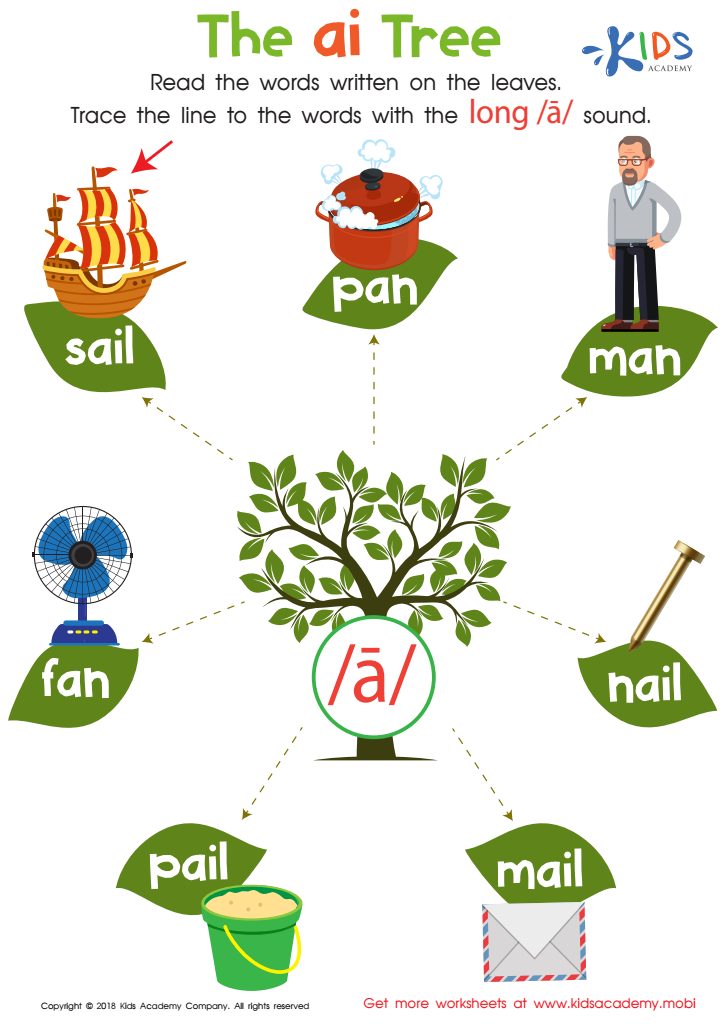
The AI Tree Worksheet
Sea Horses Printable
 Assign to My Students

Long and Short U Worksheet
Assign to My Students
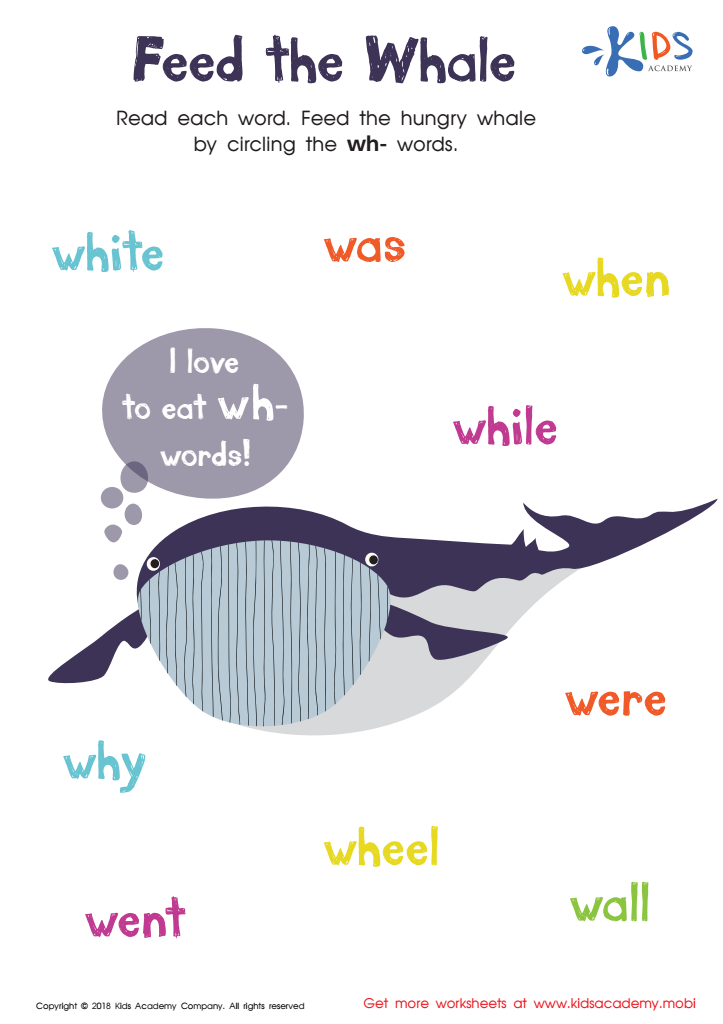
Feed the Whale Worksheet
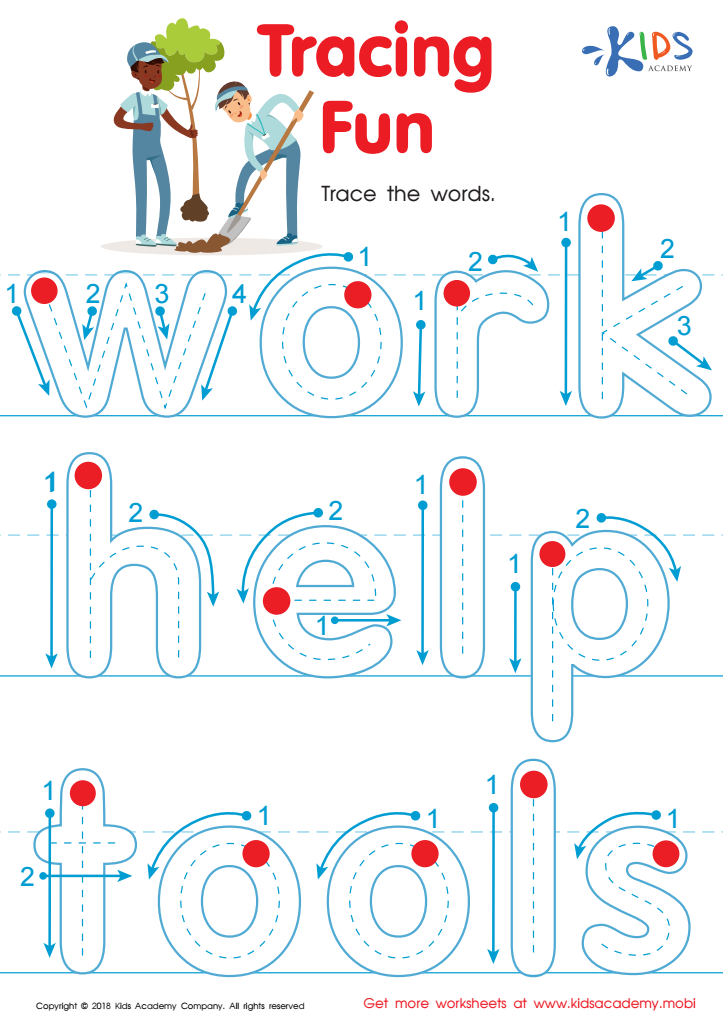
Tracing Fun Worksheet
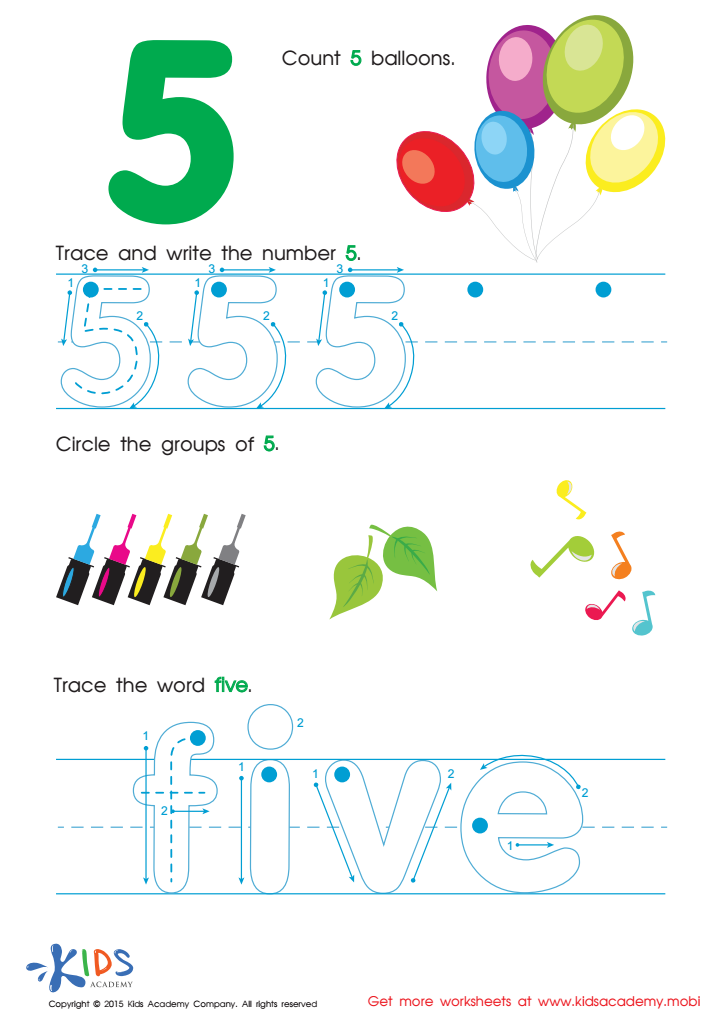
Practice Writing Number 5 Worksheet
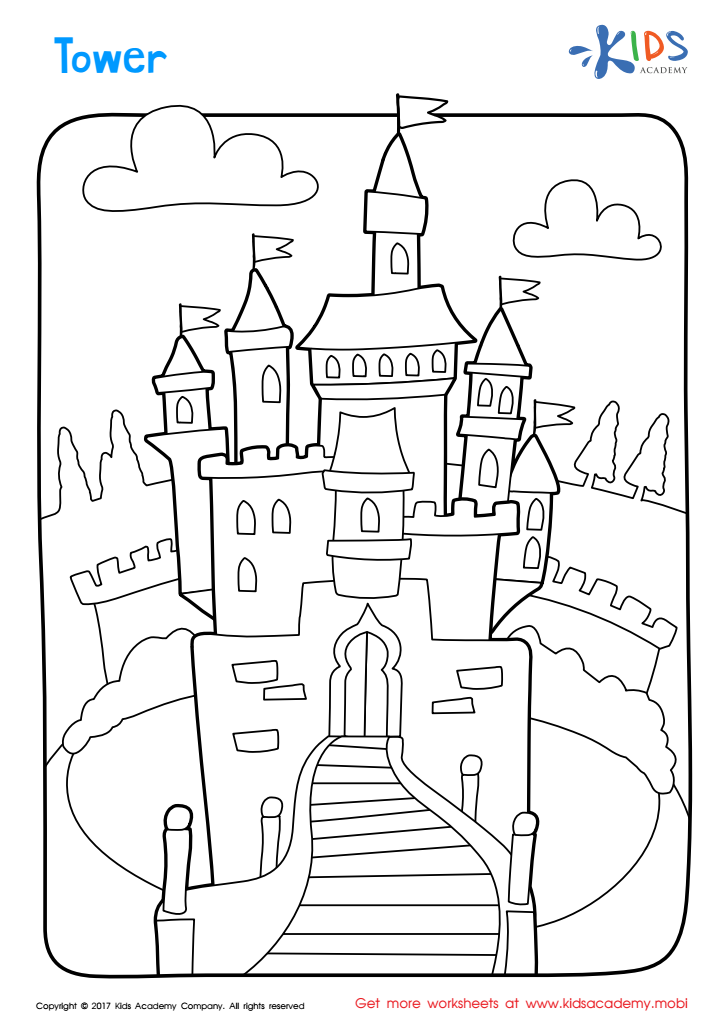
Tower Coloring Page
Assign to My Students
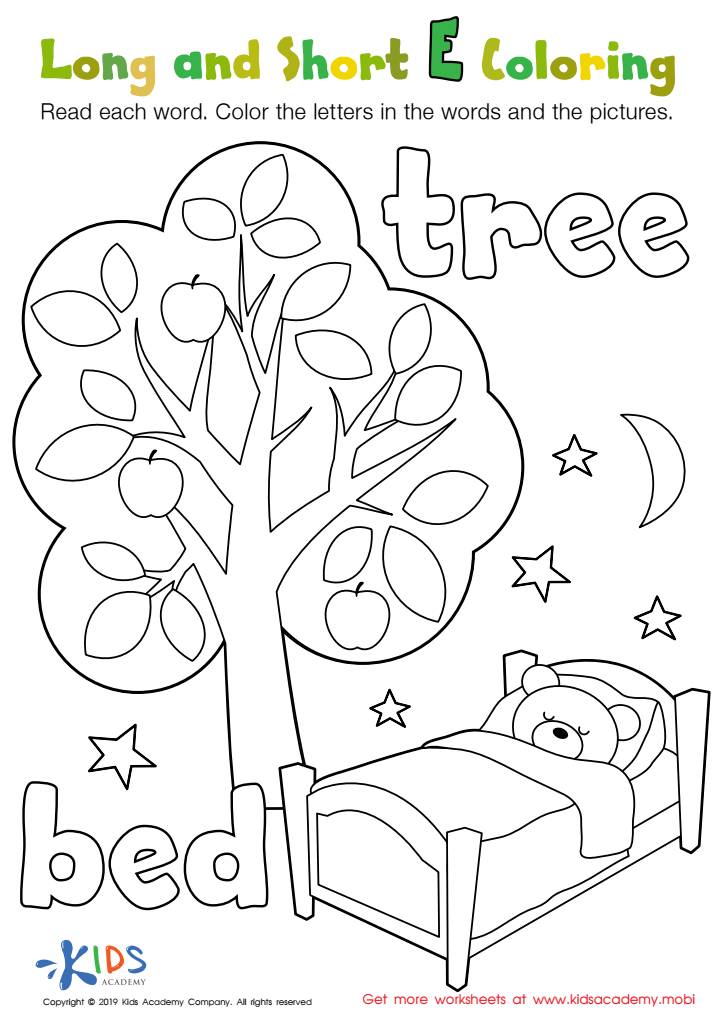
Long and Short E Worksheet
Assign to My Students

Letter D Tracing Page




.jpg)


Hand-eye coordination (HEC) is a crucial skill for young children, particularly in Grade 1, as it lays the foundation for various academic and physical activities. This skill involves the ability to synchronize visual input with motor actions, allowing children to perform tasks that require the use of both their hands and eyes.
Parents and teachers should prioritize HEC because it impacts children's learning and everyday activities. For instance, activities like writing, drawing, cutting with scissors, and playing sports rely heavily on effective hand-eye coordination. Children with well-developed HEC are often more confident and adept in their physical movements, leading to better participation and engagement in school and social settings.
Moreover, fostering HEC can bolster fine motor skills, which are essential for tasks like buttoning their clothing, tying shoelaces, or using cutlery. The integration of play-based activities that enhance hand-eye coordination in the curriculum—such as throwing balls, building blocks, or puzzles—can help develop not just physical skills but also problem-solving abilities.
In summary, hand-eye coordination is vital for Grade 1 students as it influences their overall development, helping them succeed both academically and socially. By supporting HEC, parents and teachers can ensure a solid foundation for children's future learning and physical engagement.