Problem-Solving Skills Normal Grade 1 Worksheets - Page 3
50 filtered results
-
From - To
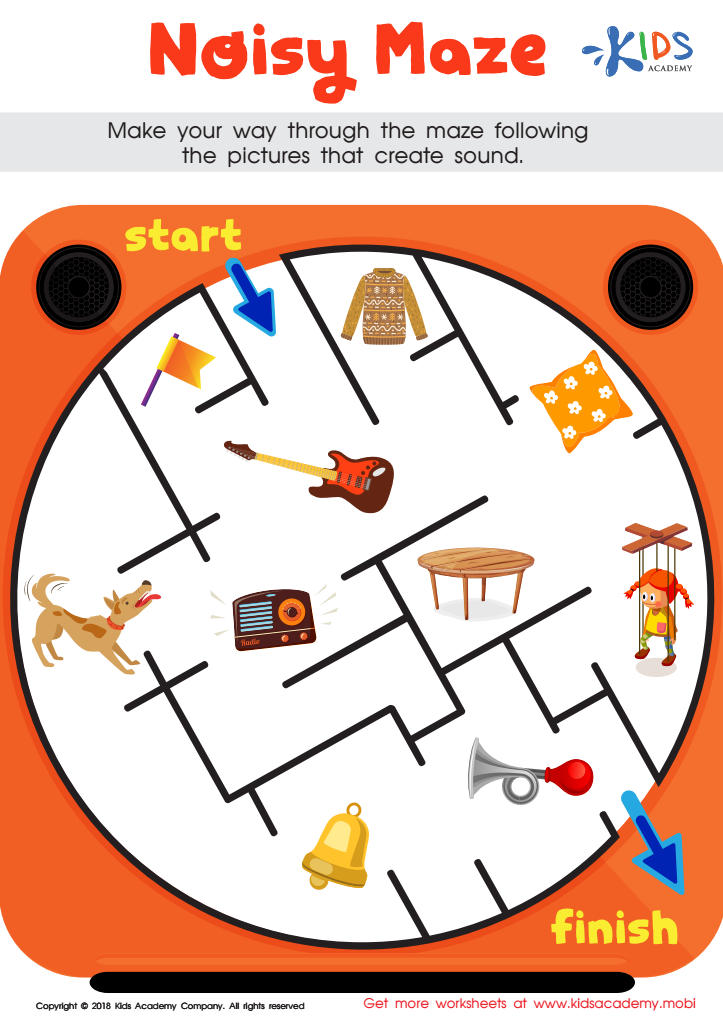
Noisy Maze Worksheet
 Assign to My Students
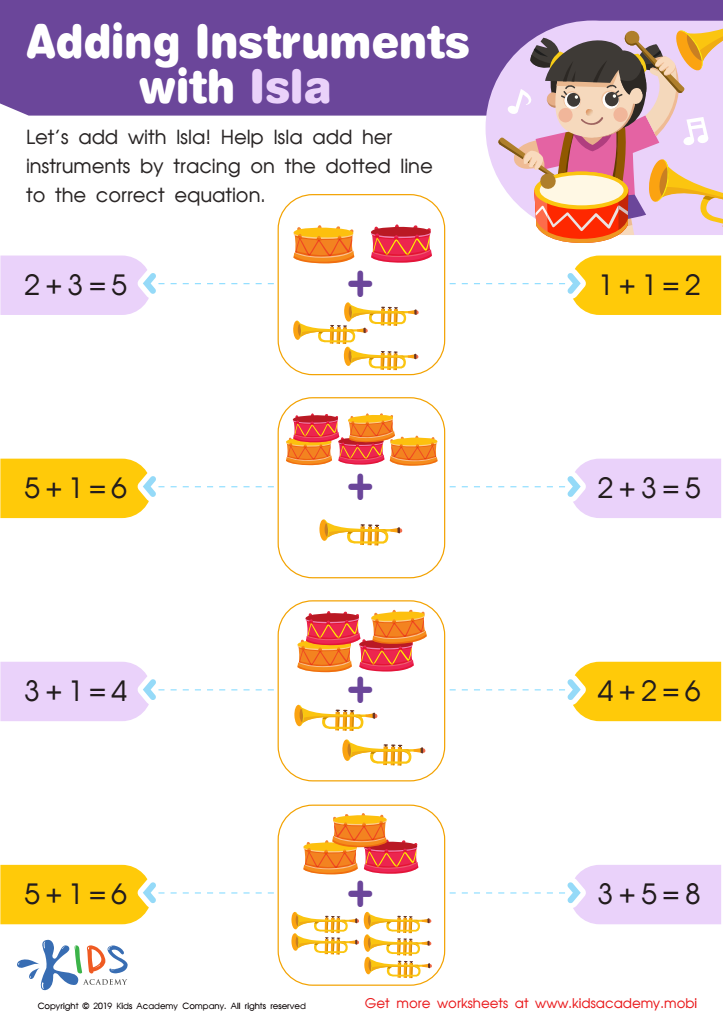
Adding Instruments with Isla Worksheet







Problem-solving skills in Grade 1 are foundational for children's cognitive development and future academic success. At this formative age, students are beginning to grasp fundamental concepts in mathematics, reading, and science. By fostering problem-solving abilities early, parents and teachers equip children with essential tools for tackling challenges across all subjects.
Learning to problem-solve boosts critical thinking and creativity, allowing children to explore various solutions and understand cause-and-effect relationships. It also enhances their ability to work independently, build confidence, and develop perseverance. Through problem-solving activities, children learn to approach obstacles methodically, considering different strategies before arriving at solutions. This iterative process helps them understand that mistakes are part of learning, nurturing a growth mindset that is vital for long-term educational and personal growth.
Moreover, problem-solving promotes collaboration and communication when done in group settings. Children learn to express their ideas, listen to others, and build upon each other’s insights, fostering teamwork skills essential for future social and professional environments. Overall, prioritizing problem-solving in Grade 1 helps in creating well-rounded, resilient learners capable of navigating the complex world around them with confidence and curiosity.