Developing analytical skills Normal Grade 1 Science Worksheets
3 filtered results
-
From - To
Enhance your Grade 1 students' analytical skills with our engaging Science worksheets. Designed specifically for young learners, these resources encourage critical thinking and observation. Through exciting activities, students will explore key scientific concepts while honing their problem-solving abilities. Our worksheets foster inquiry-based learning, allowing children to analyze information, draw conclusions, and develop a deeper understanding of the world around them. Perfect for both classroom and at-home use, these worksheets will make science fun and interactive! Equip your first graders with the analytical tools they need to succeed academically and in everyday life. Explore our collection and inspire future scientists today!
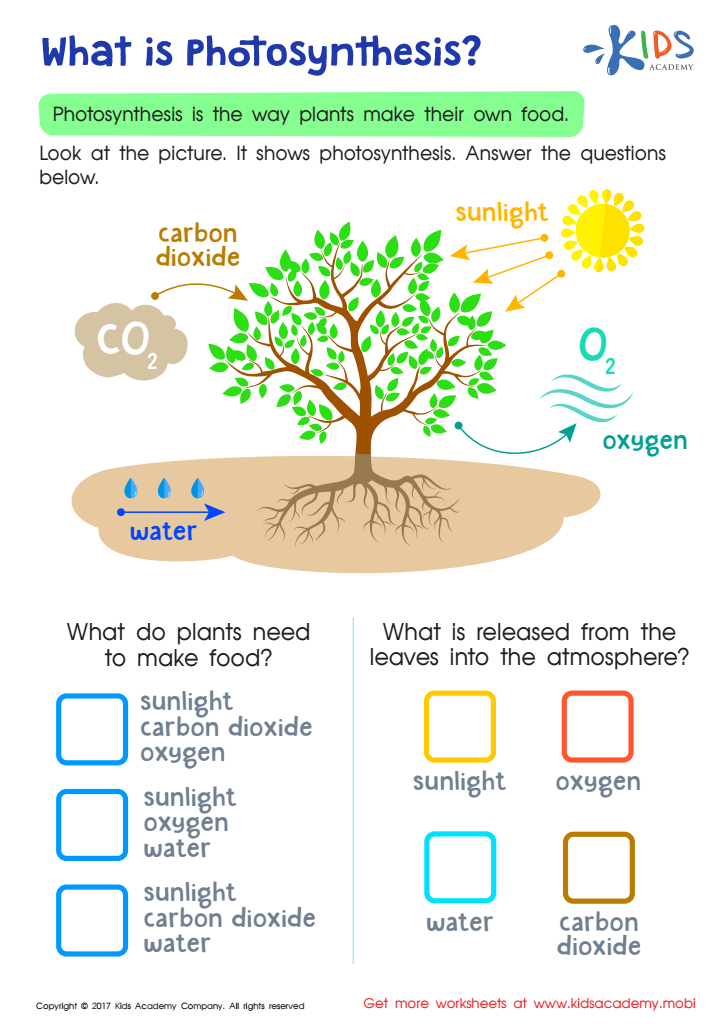
What is Photosynthesis Printable
 Assign to My Students
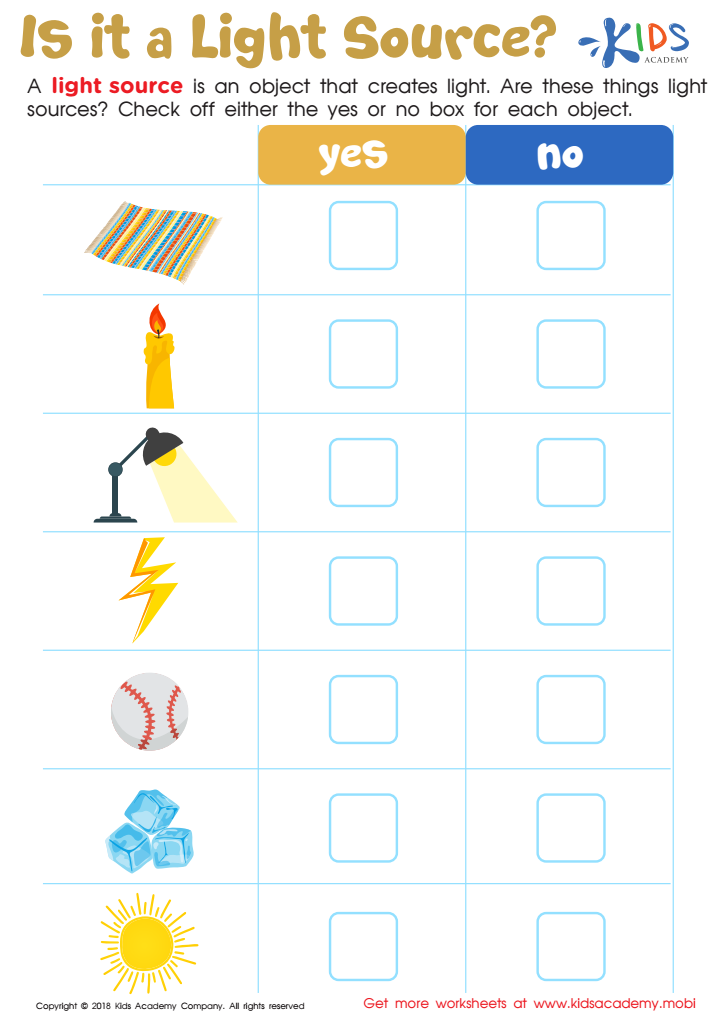
Is It a Light Source? Worksheet
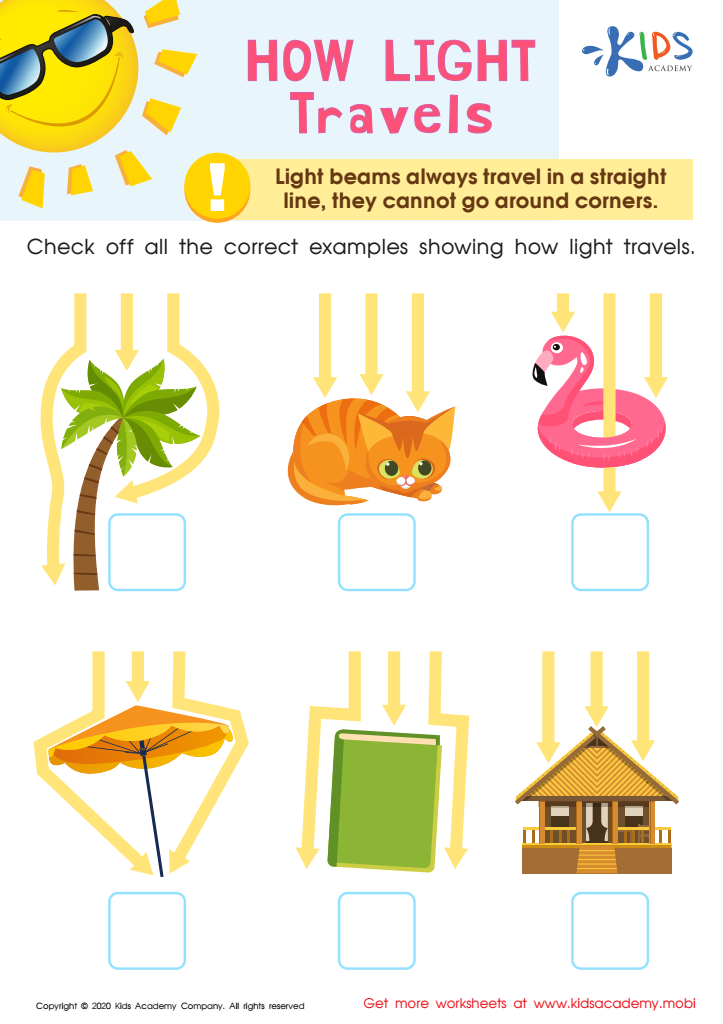
How Light Travels Worksheet







Developing analytical skills in Grade 1 science is vital for young learners, as these skills form the foundation for critical thinking and problem-solving in their education. Parents and teachers should prioritize this development because analytical skills enable children to observe, question, and understand the world around them. At this stage, students learn to ask questions like "Why? How? What happens next?"—essential inquiries that encourage curiosity and exploration.
In the context of science, fostering analytical skills helps children interpret data, recognize patterns, and make connections between concepts. For example, during a simple experiment like observing plant growth, students learn to analyze changes over time and understand the cause-and-effect relationships, which builds a essential scientific method foundation.
Furthermore, these skills promote confidence and independence, as children learn to make observations and draw conclusions. This critical thinking ability not only benefits their academic journey in science but also enhances overall cognitive development, enabling them to face new challenges more effectively. Therefore, by nurturing analytical skills in Grade 1 science, parents and teachers play a vital role in shaping lifelong learners who are prepared to navigate a complex world.







