Letter recognition Normal Kindergarten ABC Letters Worksheets
15 filtered results
-
From - To
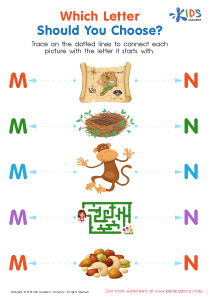
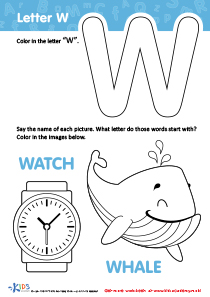
Explore our engaging "Letter Recognition Normal Kindergarten ABC Letters Worksheets" designed to enhance early literacy skills! Perfect for young learners, these worksheets provide fun and interactive activities that aid in identifying uppercase and lowercase letters. Each worksheet features colorful illustrations and engaging exercises that make learning enjoyable. Children will build their letter recognition abilities while improving fine motor skills through tracing, matching, and coloring activities. Whether in the classroom or at home, these resources are ideal for encouraging a love of reading and writing from an early age. Watch your child's confidence grow as they master the alphabet with our thoughtfully crafted worksheets!
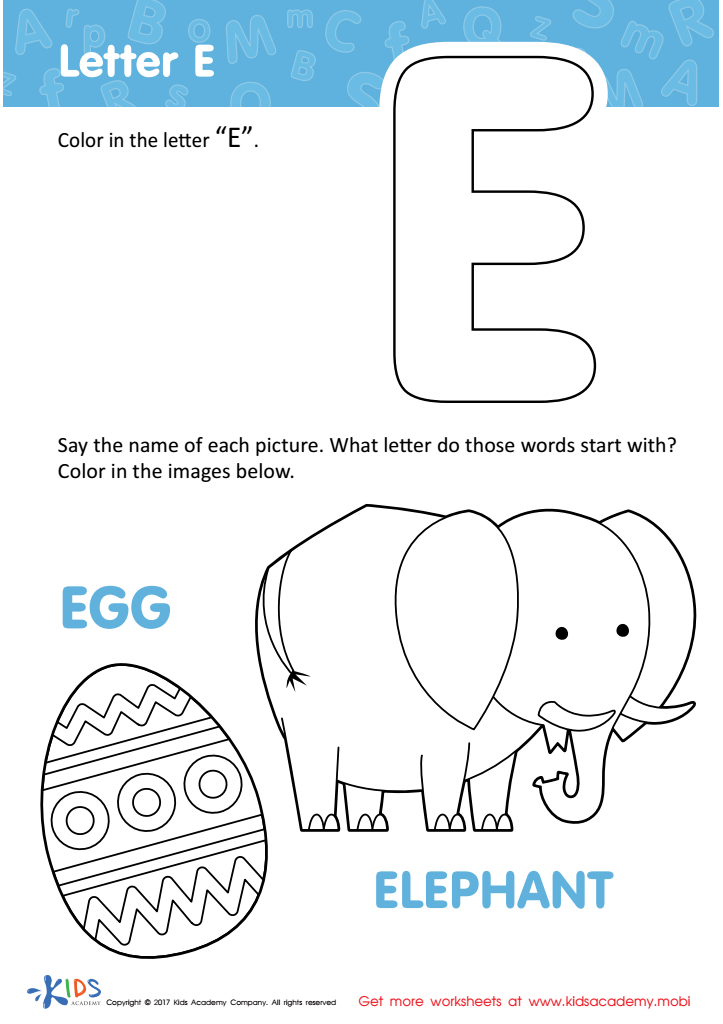
Letter E Coloring Sheet
 Assign to My Students


Letter P Tracing Page
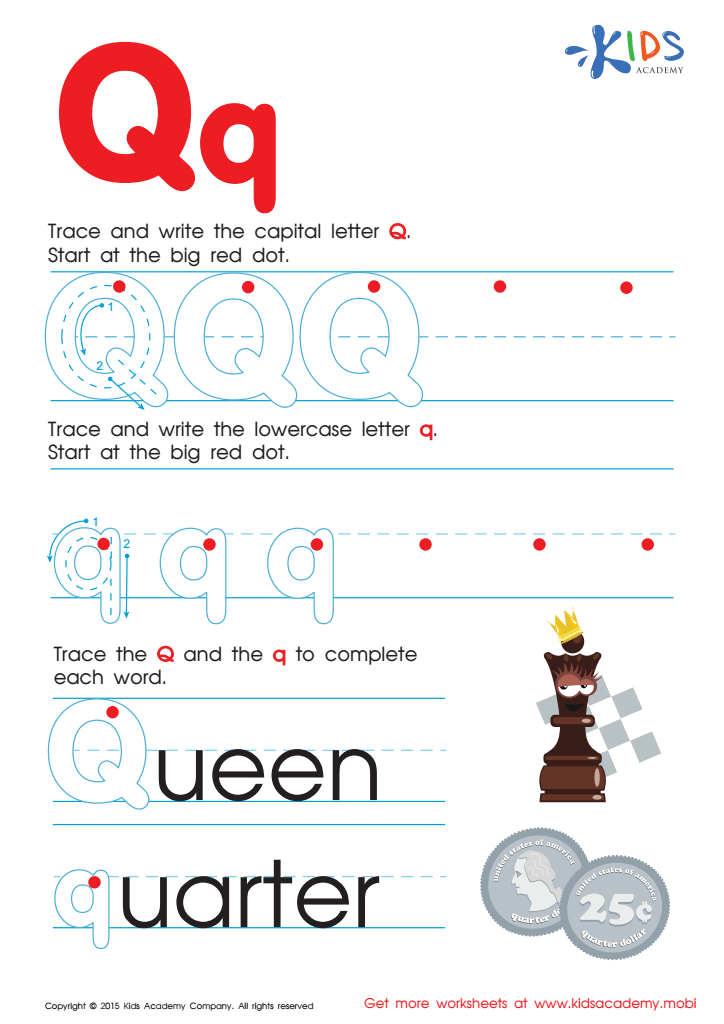
Letter Q Tracing Page

Letter H Tracing Page

Letter G Tracing Page
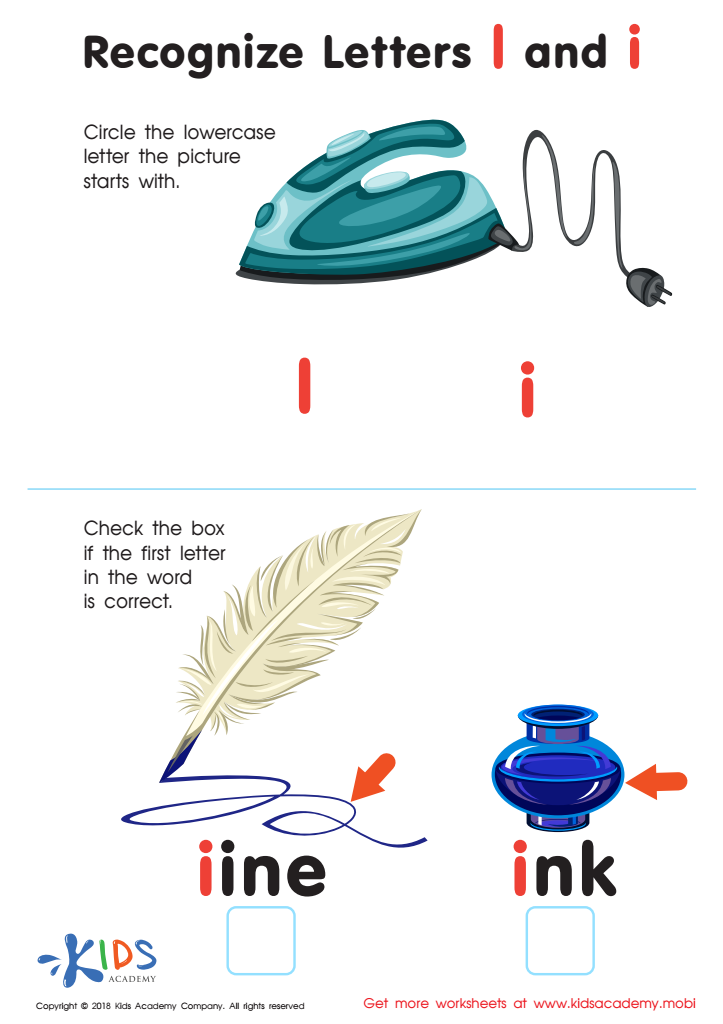
Recognize Letters l and i Worksheet
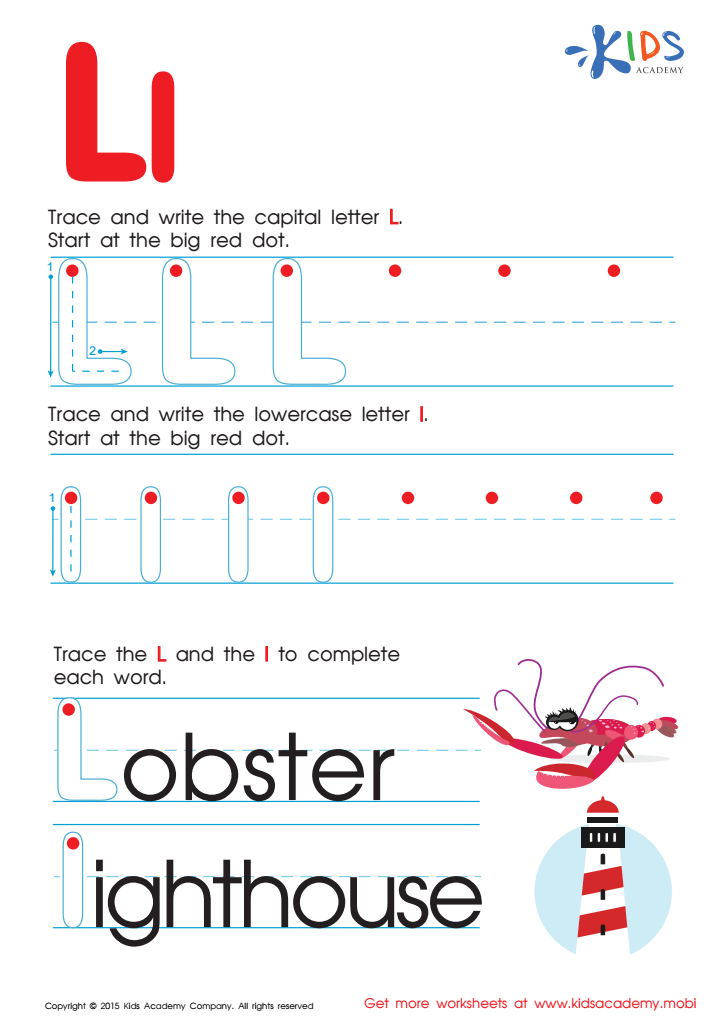
Letter L Tracing Page
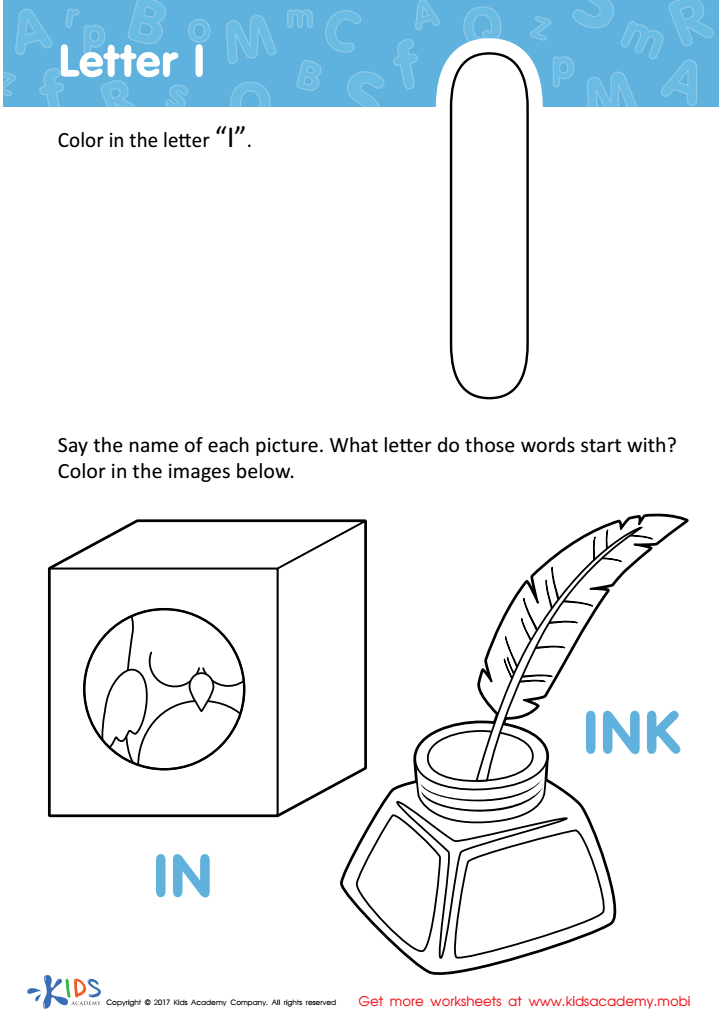
Letter I Coloring Sheet
Assign to My Students
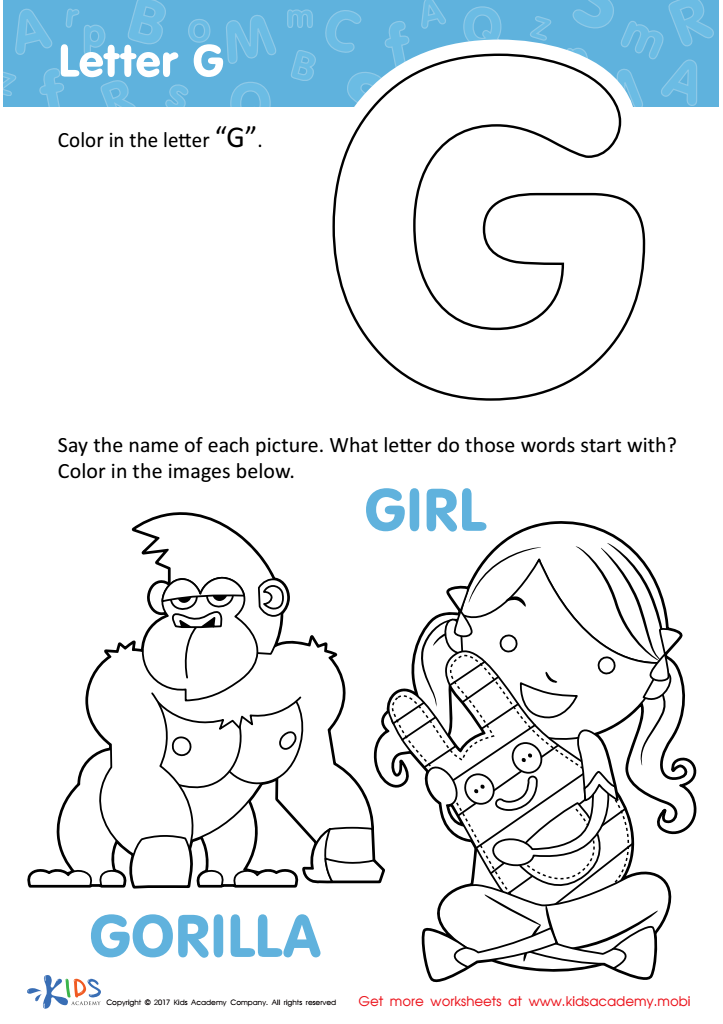
Letter G Coloring Sheet
Assign to My Students
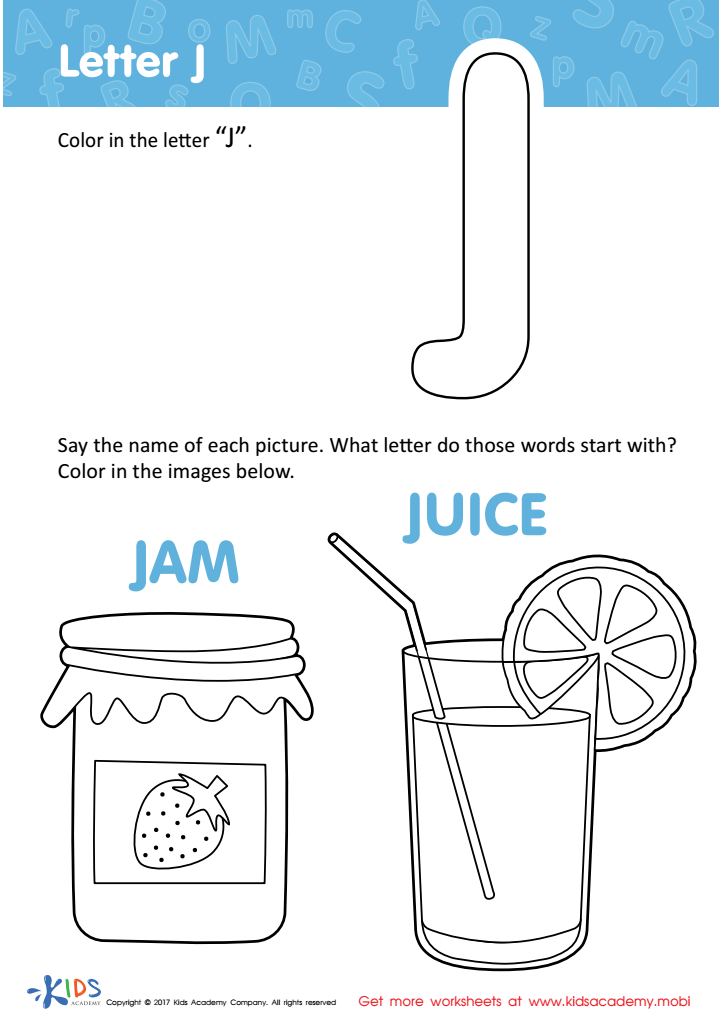
Letter J Coloring Sheet
Assign to My Students
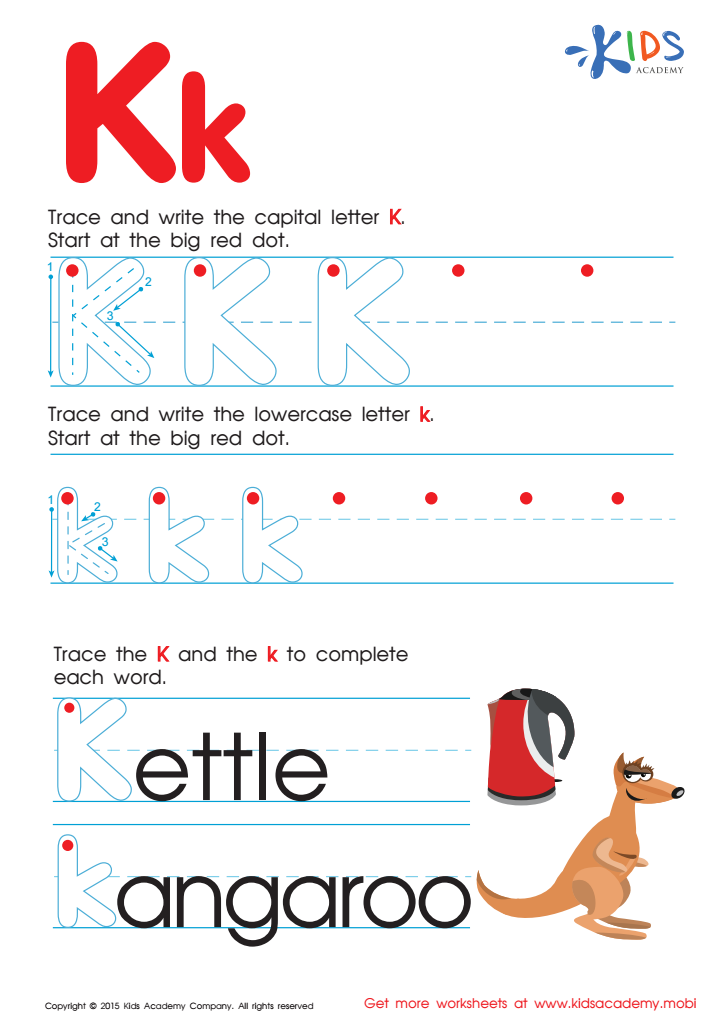
Letter K Tracing Page
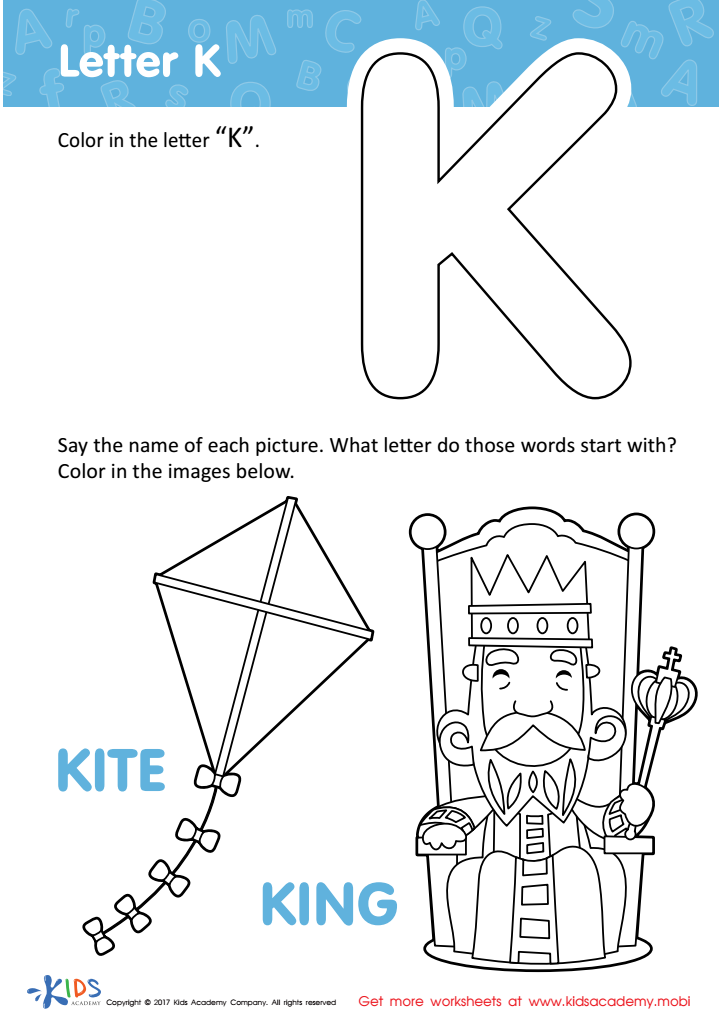
Letter K Coloring Sheet
Assign to My Students
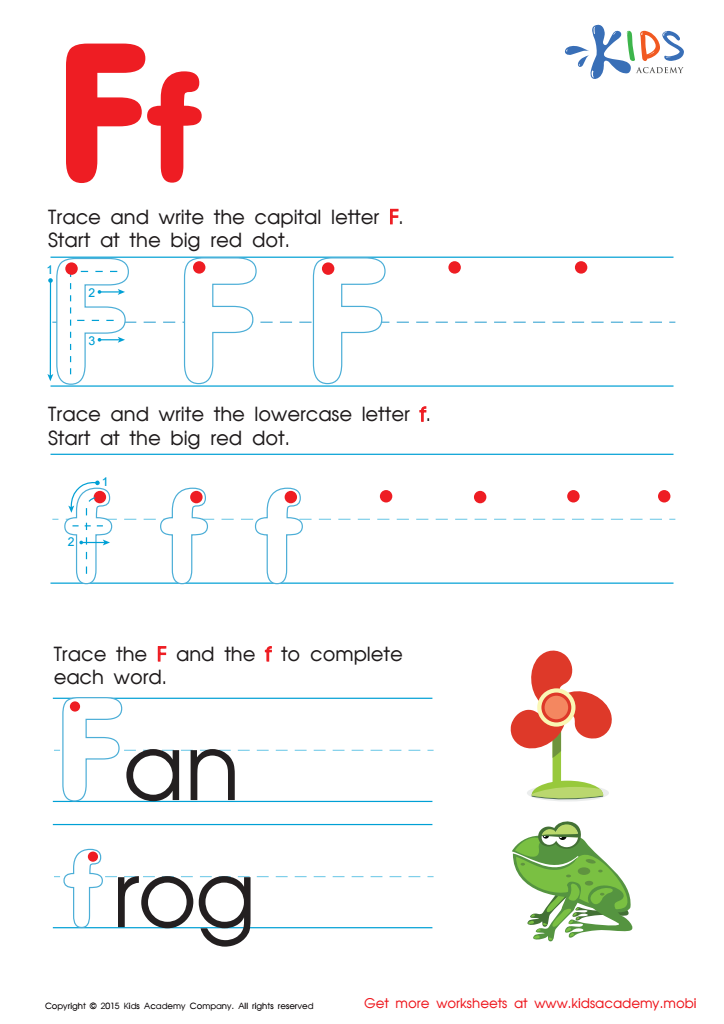
Letter F Tracing Page
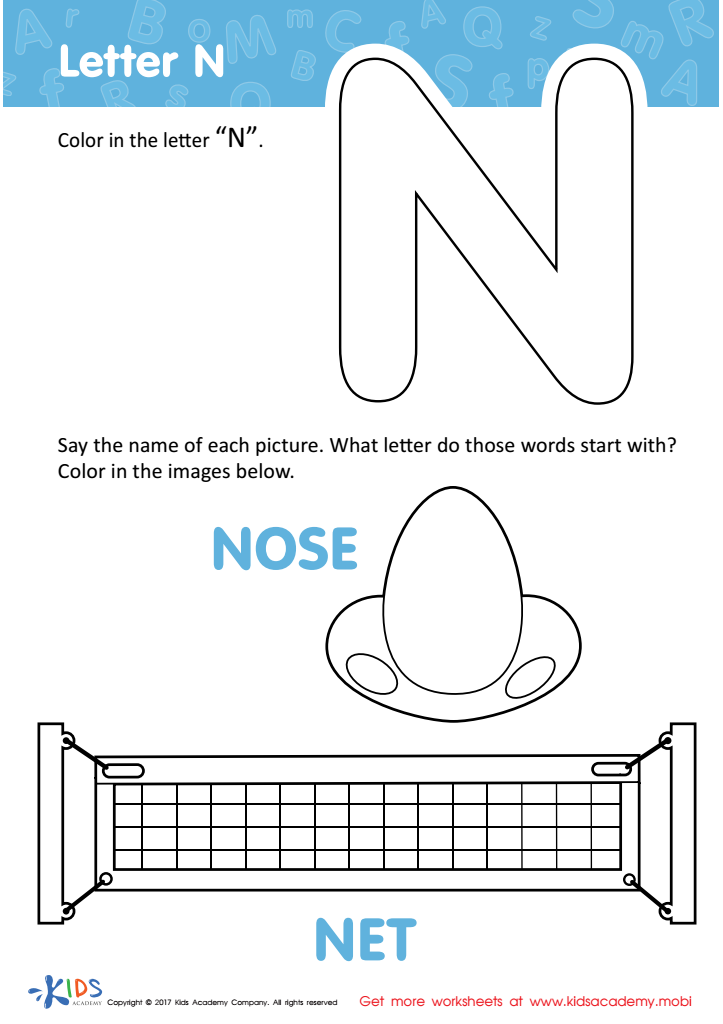
Letter N Coloring Sheet
Assign to My Students

Letter D Tracing Page








Letter recognition is a fundamental skill in early literacy that plays a crucial role in a child's educational development. For parents and teachers, understanding the importance of this skill in kindergarten is vital for several reasons.
Firstly, letter recognition is the building block for reading and writing. When children can identify and name letters, they can eventually connect these letters to sounds, facilitating phonetic awareness. This foundational skill helps them decode words, fostering reading fluency and comprehension.
Secondly, letter recognition fosters a sense of confidence in young learners. When children can recognize letters, they feel empowered to participate in various literacy activities, encouraging a love for reading and learning. This, in turn, enhances their overall academic performance.
Additionally, early exposure to letters aids in language development. Children become familiar with vocabulary and sentence structure, improving their communication skills.
Lastly, recognizing letters encourages social interactions. As children share books and stories, they bond with peers and adults, enriching their social experiences.
In conclusion, parents and teachers should prioritize letter recognition in kindergarten, as it lays the groundwork for successful literacy skills, boosts self-esteem, enhances language development, and fosters social connections. Early engagement with letters sets the stage for lifelong learning.