Alphabet Recognition Normal Kindergarten Alphabet Worksheets - Page 2
39 filtered results
-
From - To
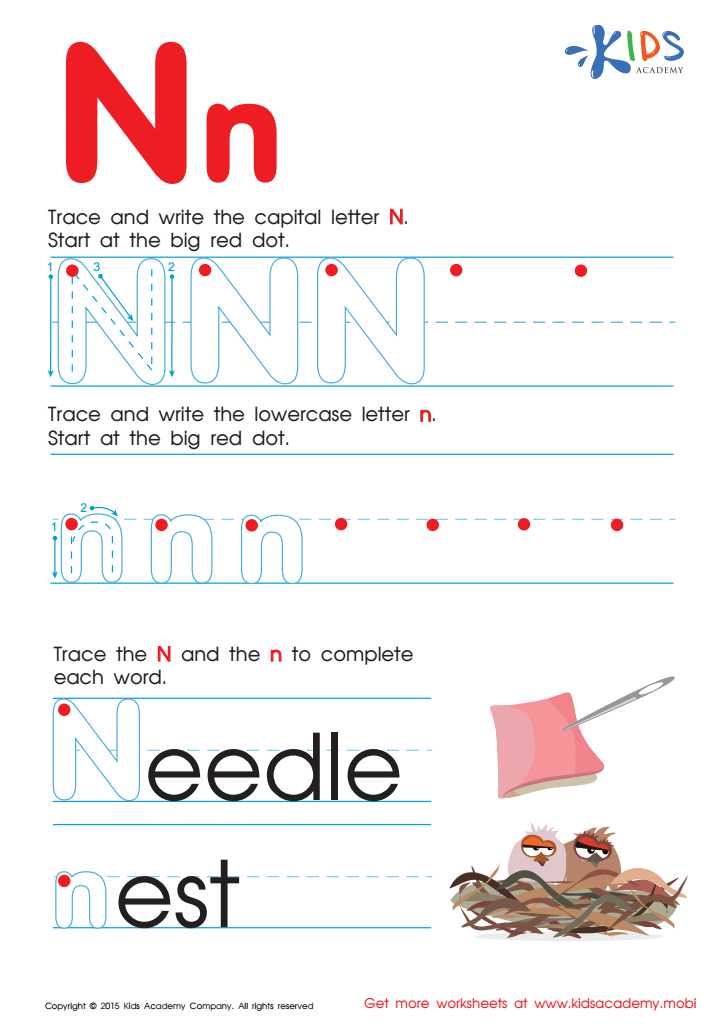
Letter N Tracing Page
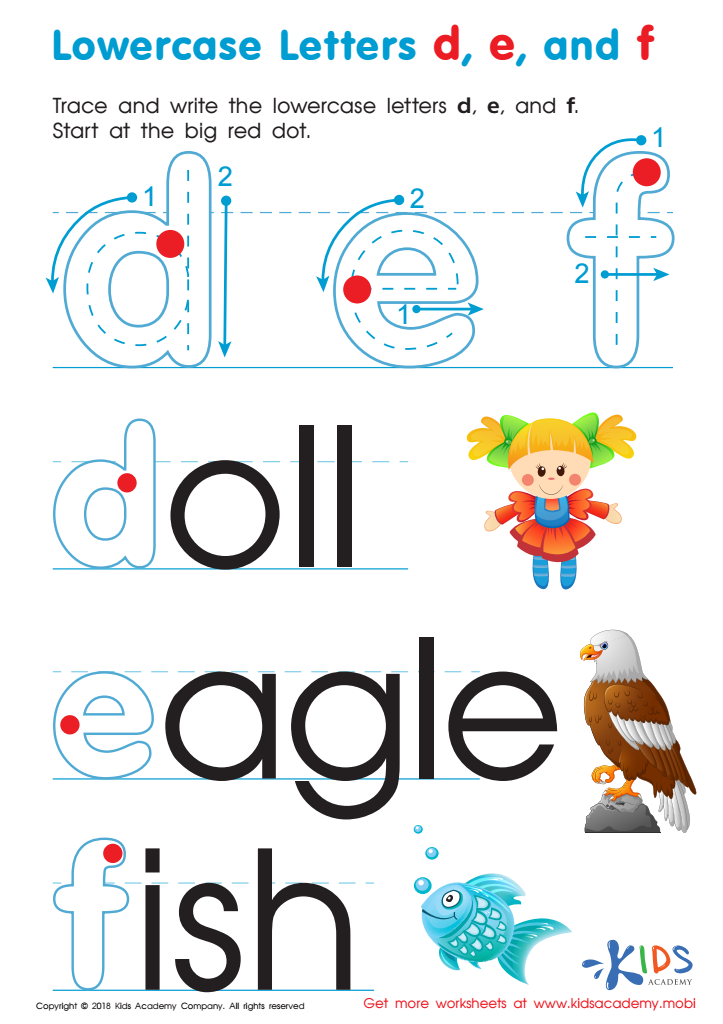
Lowercase Letters d e f Worksheet
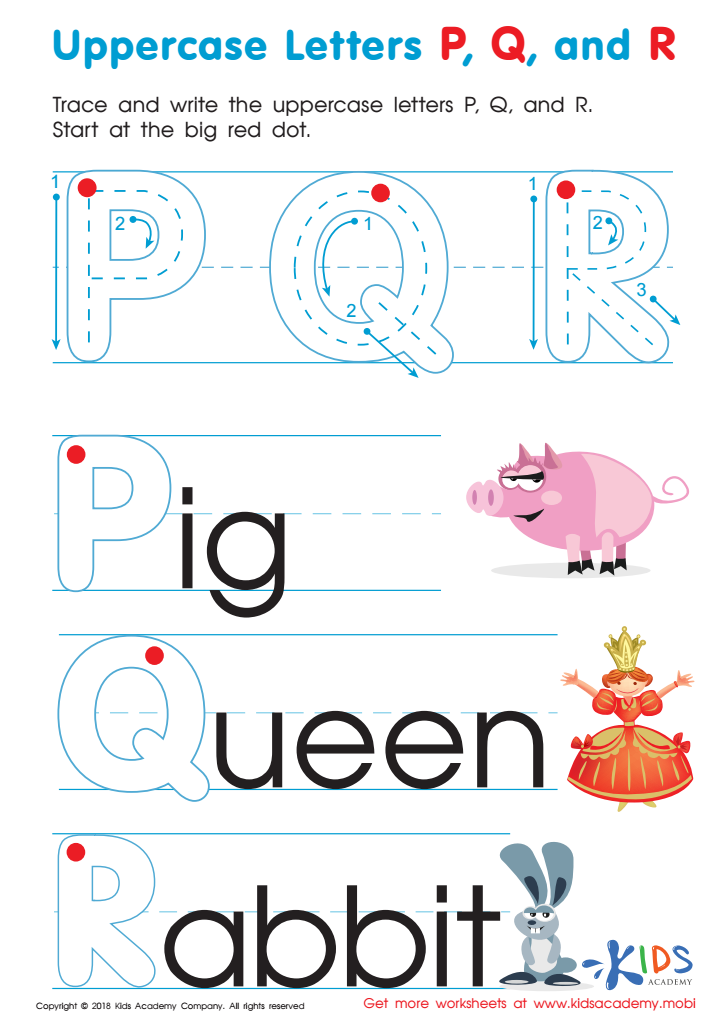
Uppercase Letters P, Q, and R Worksheet
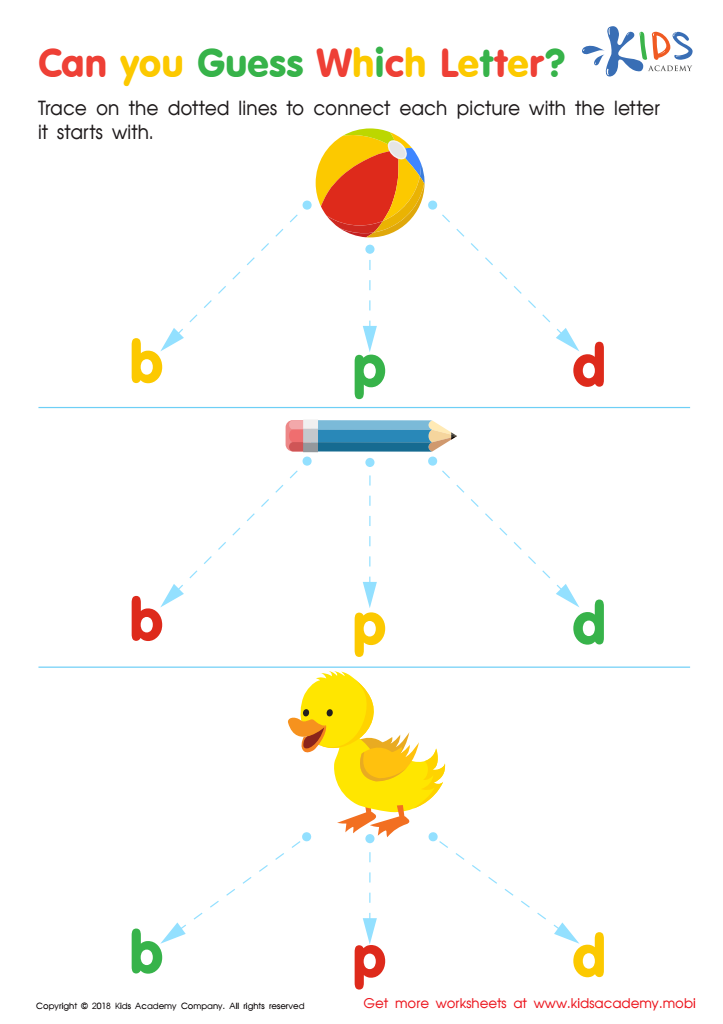
Can you Guess Which Letter? Worksheet
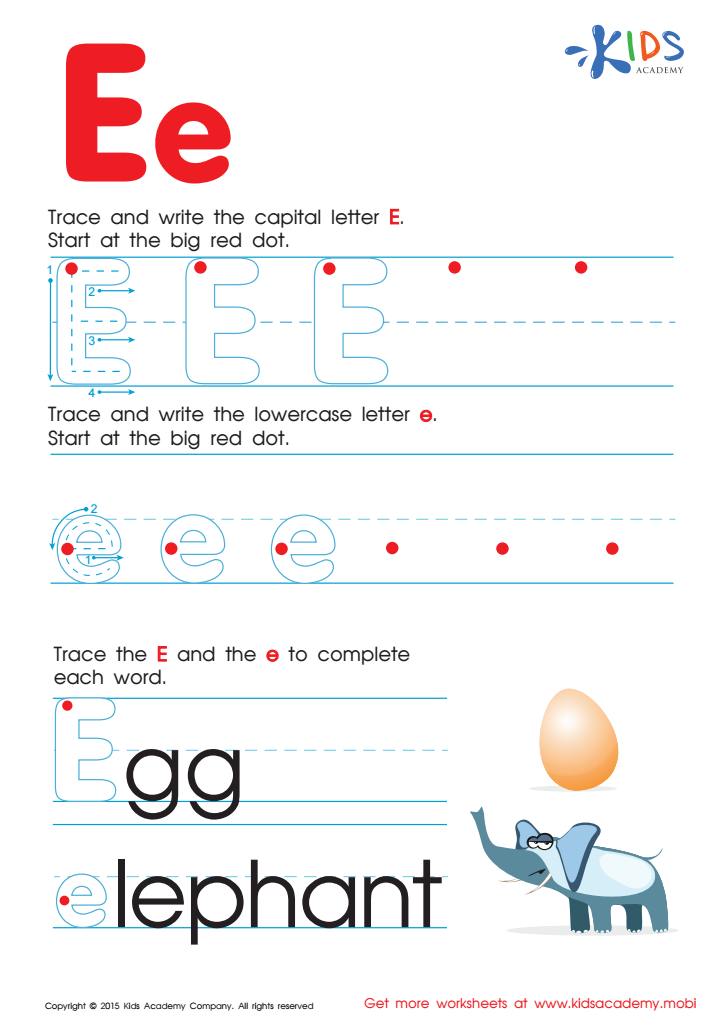
Letter E Tracing Page
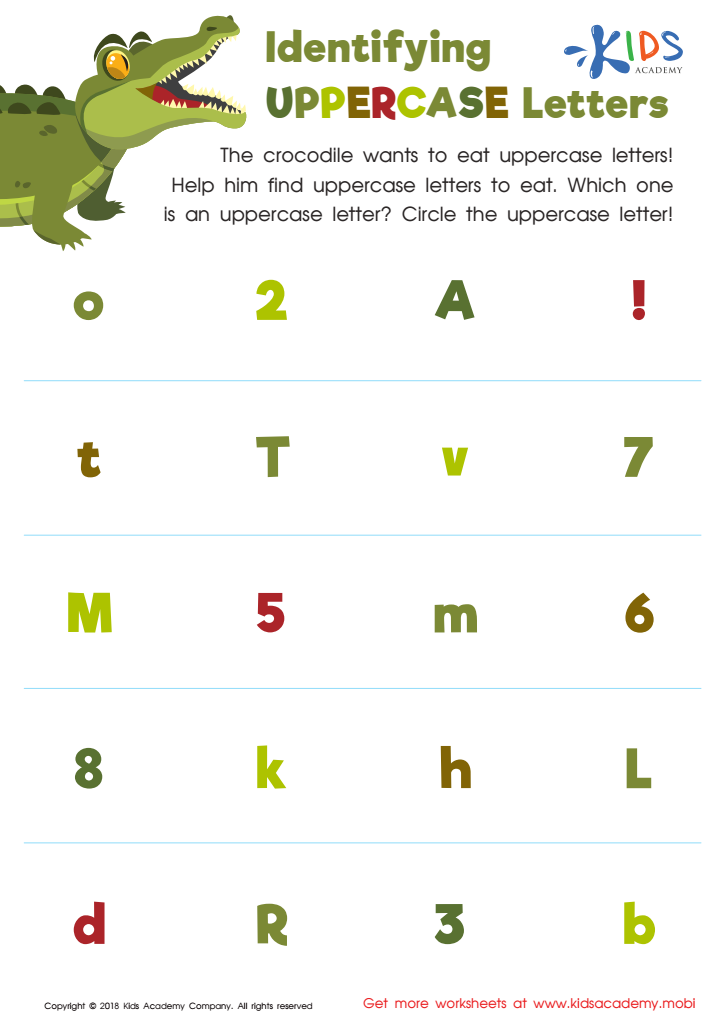
Identifying Uppercase Letters Worksheet
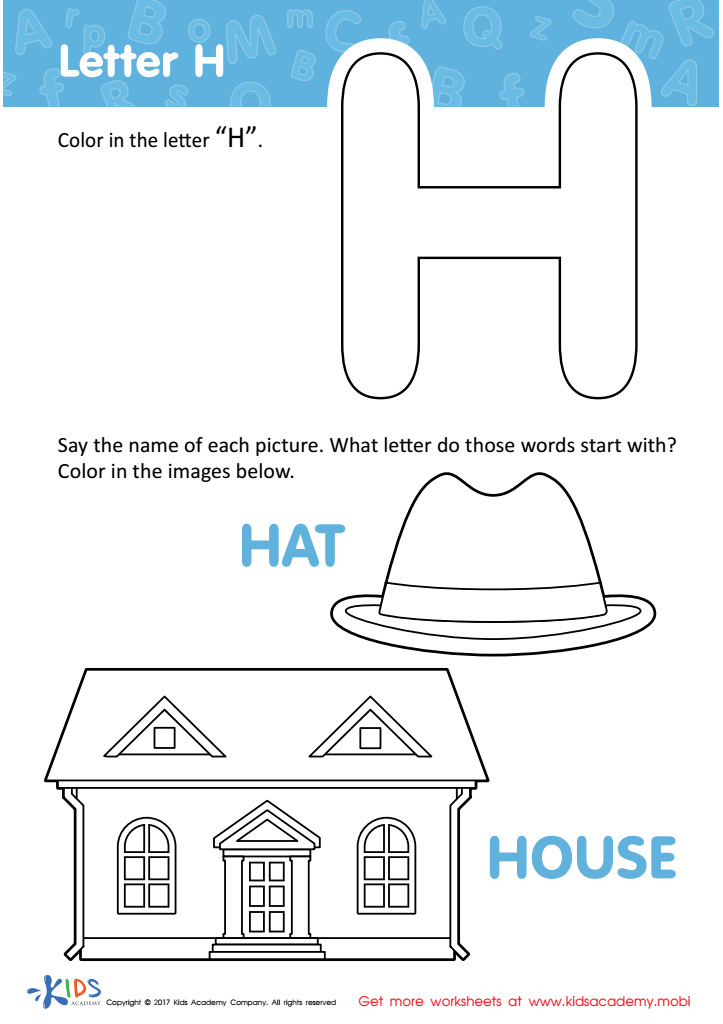
Letter H Coloring Sheet
 Assign to My Students
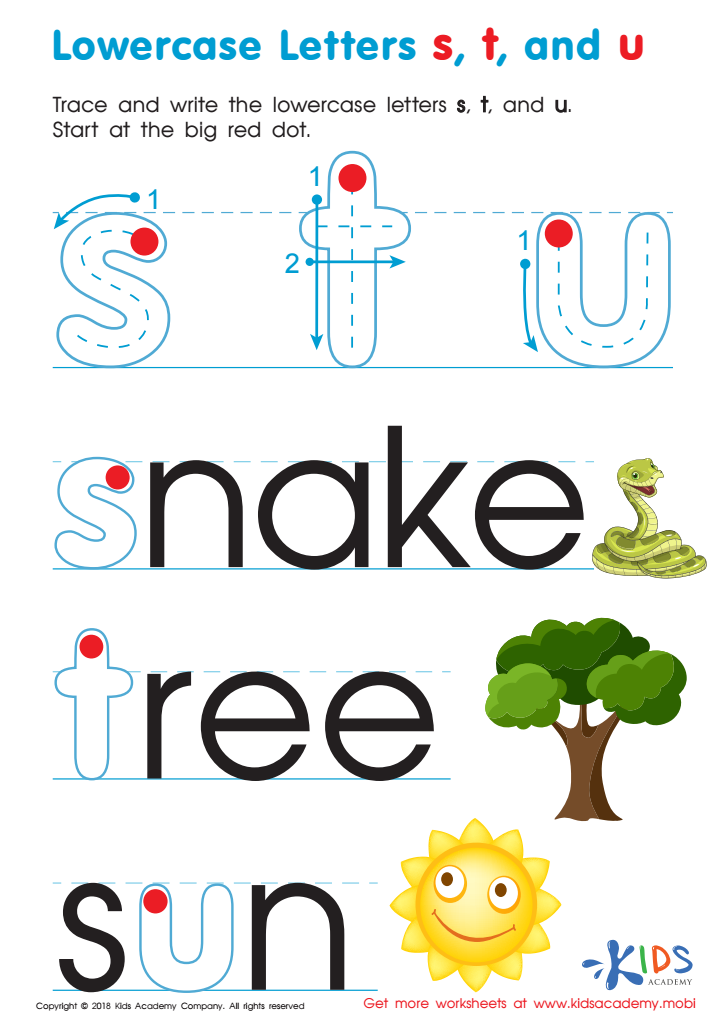
Lowercase Letters s t u Worksheet
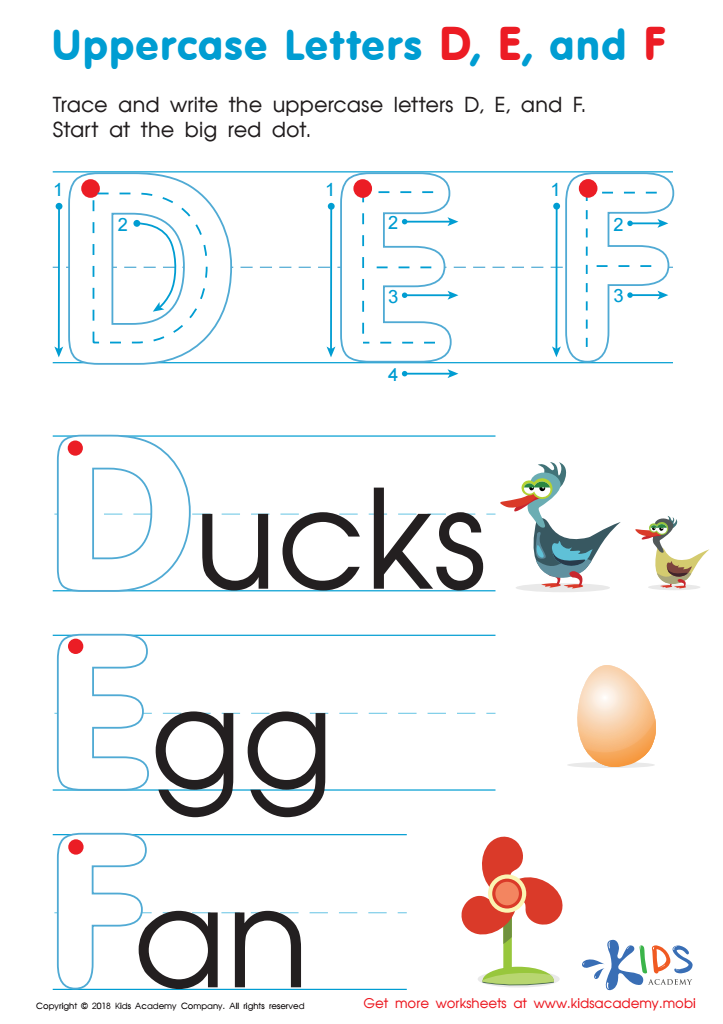
Uppercase Letters D, E, and F Worksheet
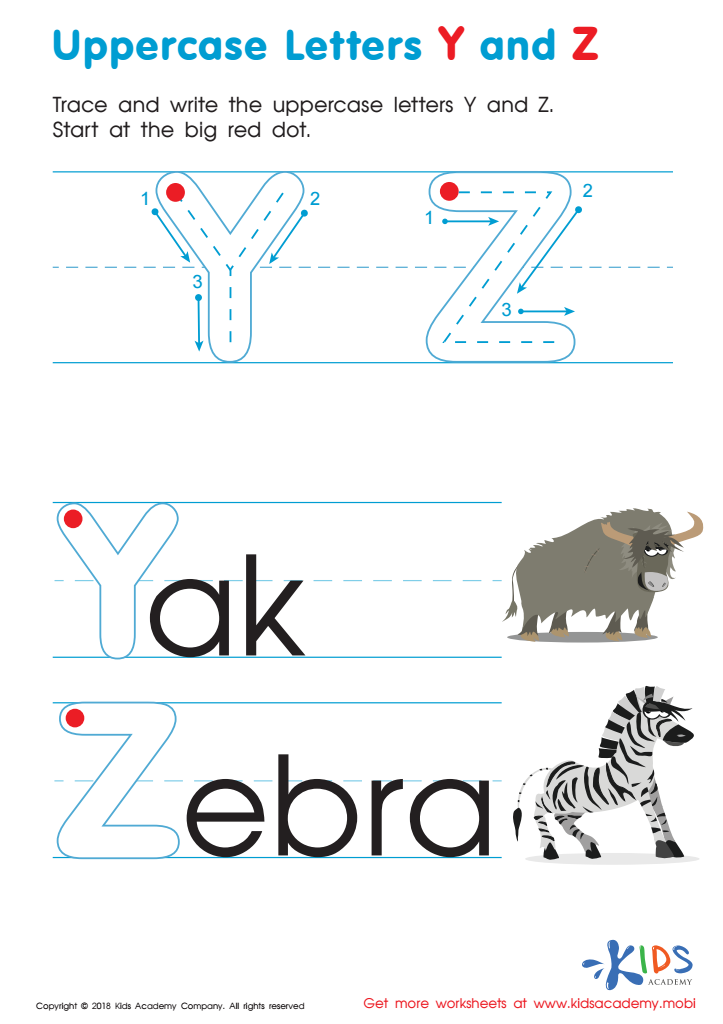
Uppercase Letters Y Z Worksheet
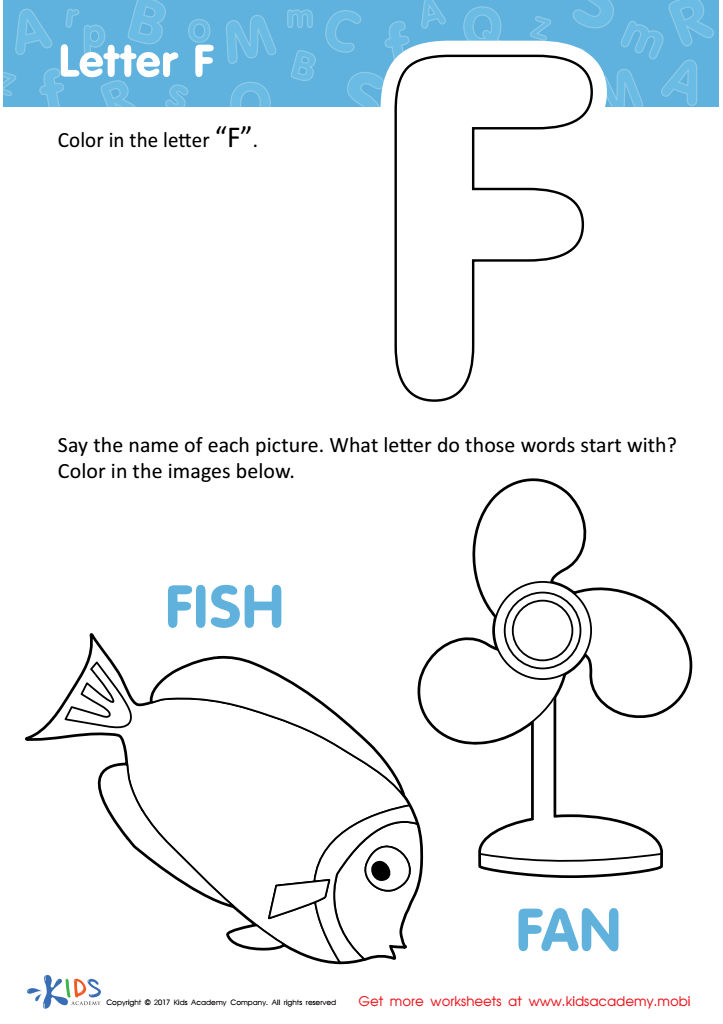
Letter F Coloring Sheet
Assign to My Students
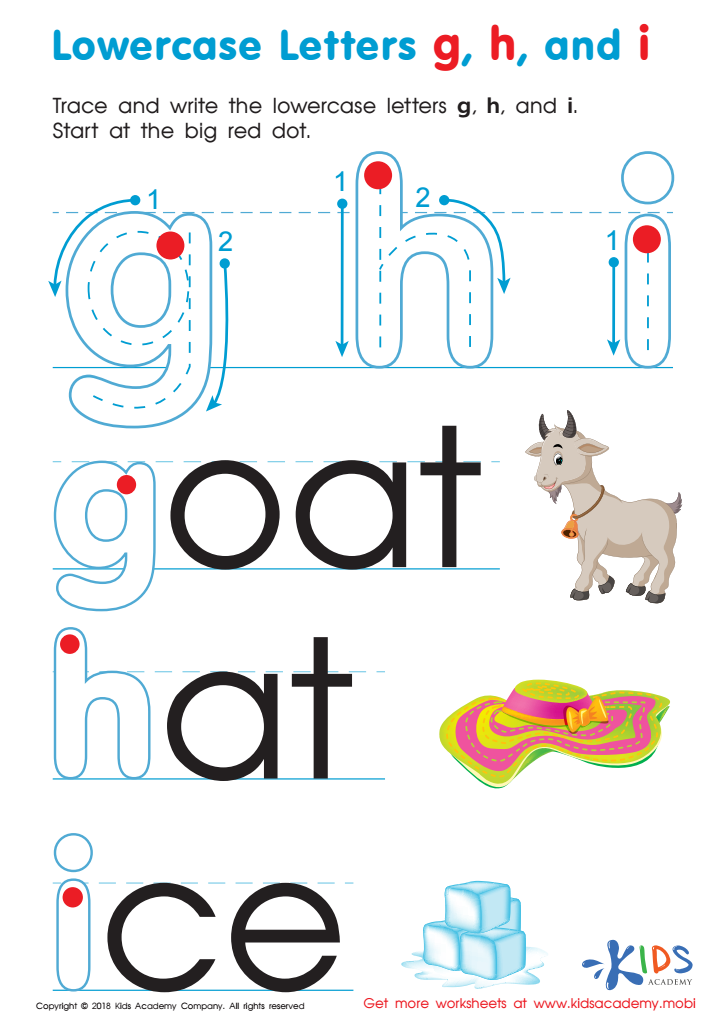
Lowercase Letters g h i Worksheet
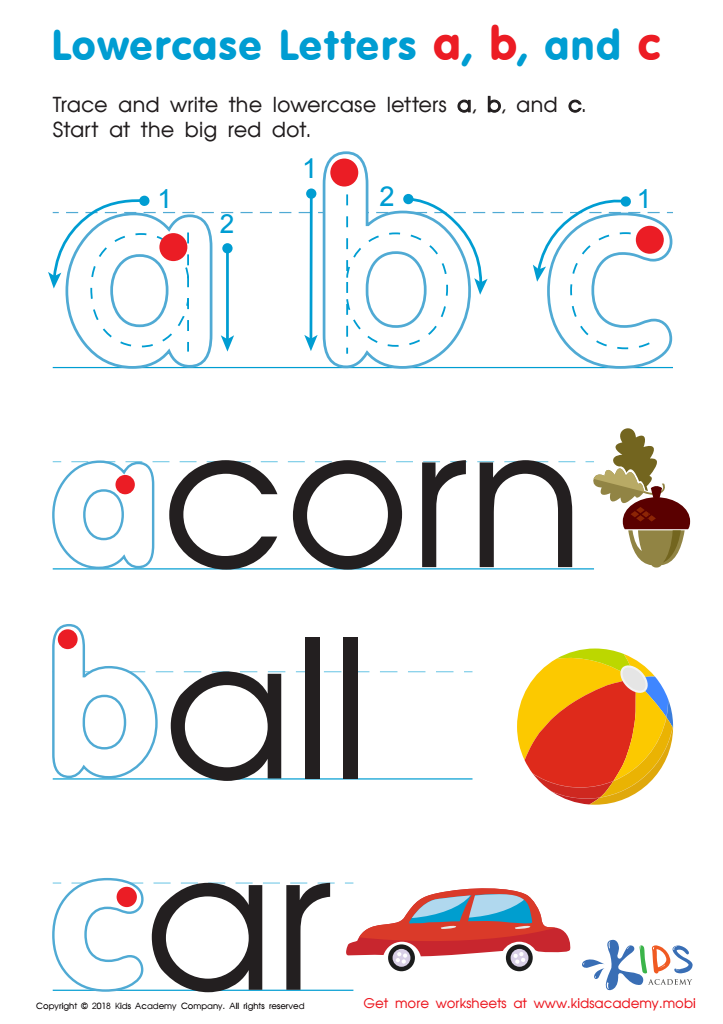
Lowercase Letters a b c Worksheet
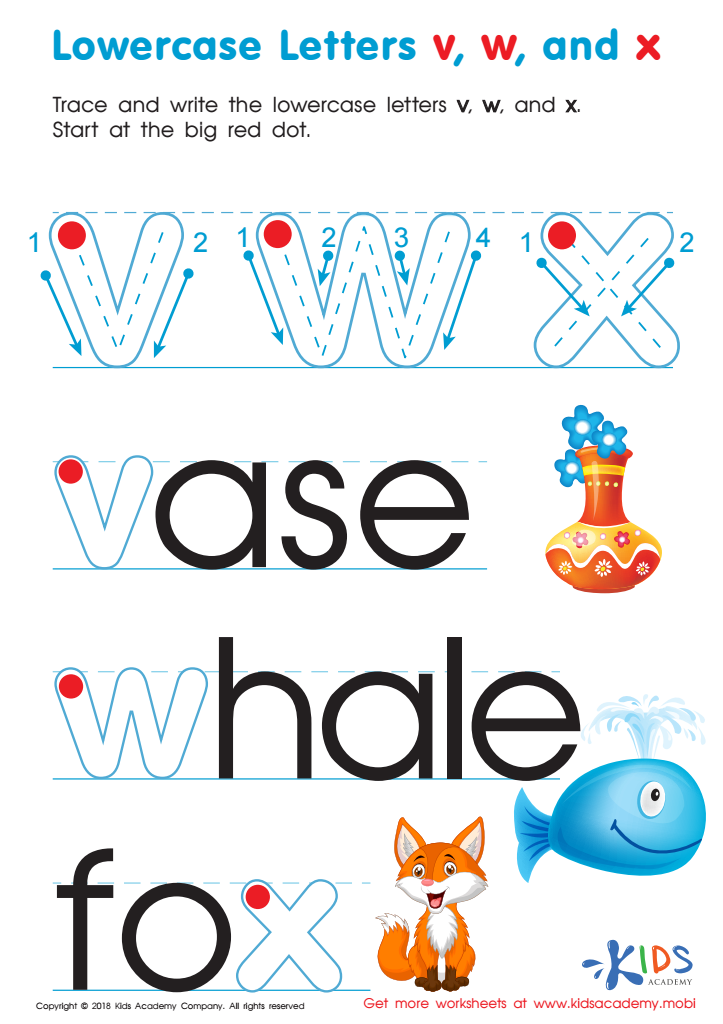
Lowercase Letters v w x Worksheet
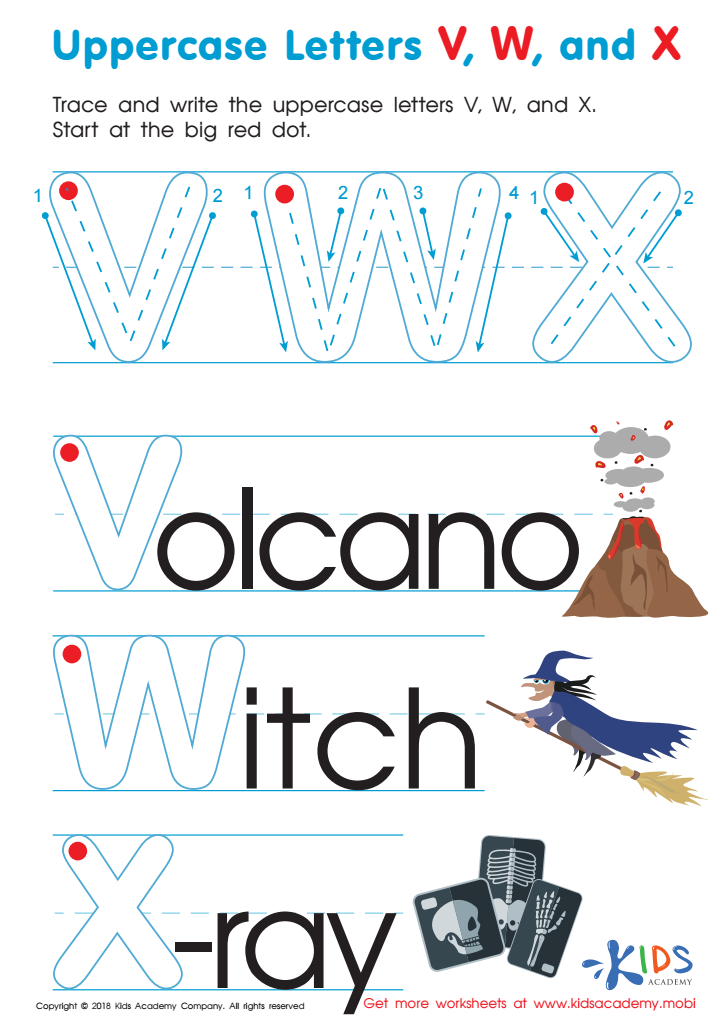
Uppercase Letters V, W, and X Worksheet








Alphabet recognition is a foundational skill in early childhood education, particularly in kindergarten. Understanding the alphabet is crucial for young learners as it directly impacts their literacy development. Firstly, recognizing letters fosters phonemic awareness, which is essential for reading and writing. When children can identify letters and their corresponding sounds, they can begin to decode words, a critical step in becoming proficient readers.
Moreover, early alphabet recognition enhances vocabulary development and strengthens overall communication skills. It allows children to explore language, facilitating activities like storytelling, singing, and rhyming, which further engage their interest in learning.
For parents and teachers, monitoring a child's progress in alphabet recognition can guide instruction and identify areas needing support. Intervention at this stage can prevent future reading difficulties, promoting confidence and a love for learning. Additionally, knowing the alphabet serves as the foundation for more complex literacy skills, such as spelling and grammar.
Involving both parents and teachers in this learning process creates a consistent, supportive environment where children can thrive. Thus, alphabet recognition is not just an academic milestone; it's a vital component in preparing children for lifelong learning and communication. Supporting these skills nurtures a child's enthusiasm for knowledge and exploration.