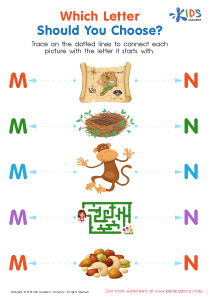
Alphabet understanding Normal Kindergarten Alphabet Worksheets
6 filtered results
-
From - To
Welcome to our engaging Alphabet Understanding Normal Kindergarten Worksheets! Designed to foster early literacy skills, these printable resources support kindergarteners in recognizing and mastering letters. Each worksheet features fun activities that promote letter identification, sound recognition, and writing practice. Children will explore letters through vibrant images, stimulating exercises, and hands-on learning opportunities tailored to keep their interests alive. Perfect for classroom settings or at-home learning, these worksheets empower young learners to build a solid foundation for future reading and writing success. Discover a myriad of creative activities that make learning the alphabet exciting and enjoyable! Start your child's alphabet journey today!
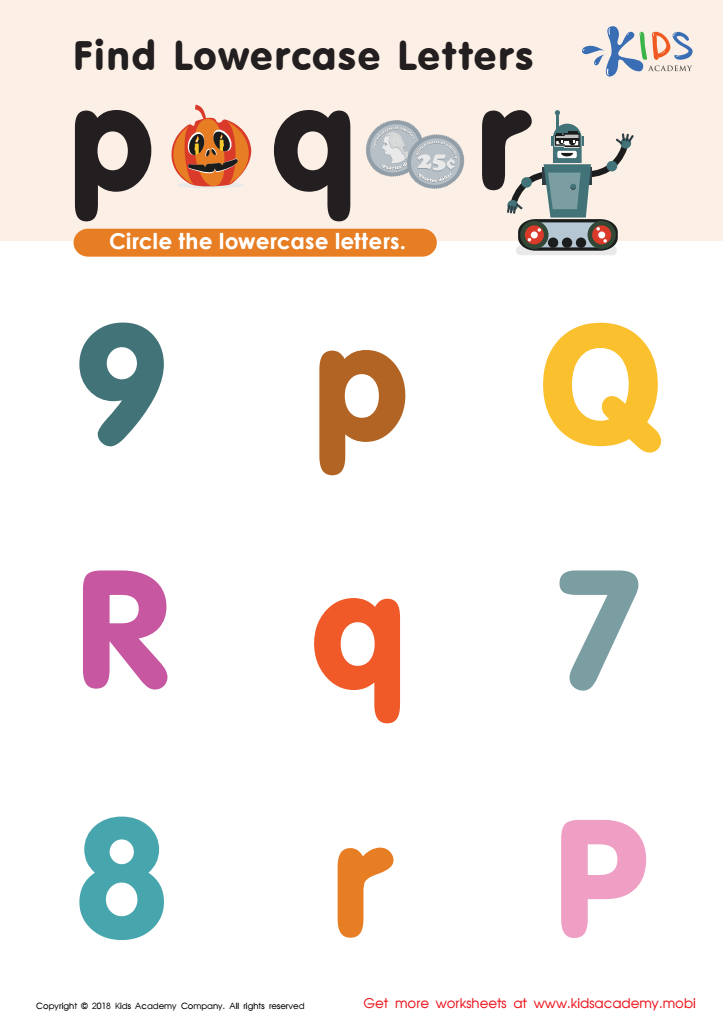
Find lowercase Letters p q r Worksheet
 Assign to My Students
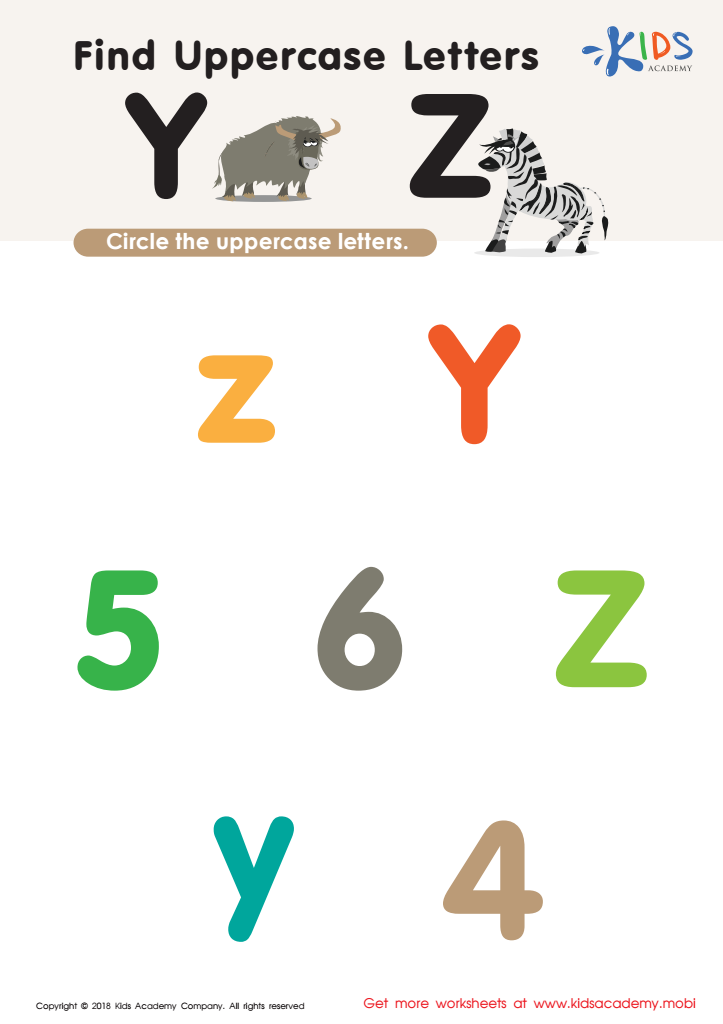
Find Uppercase Letters Y Z Worksheet
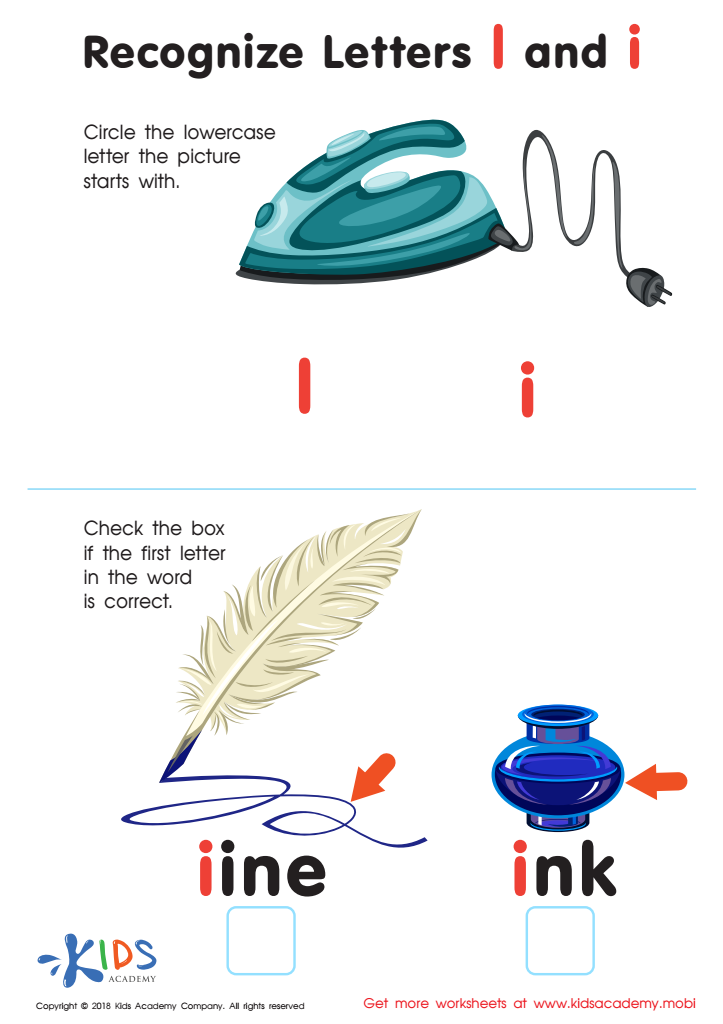
Recognize Letters l and i Worksheet
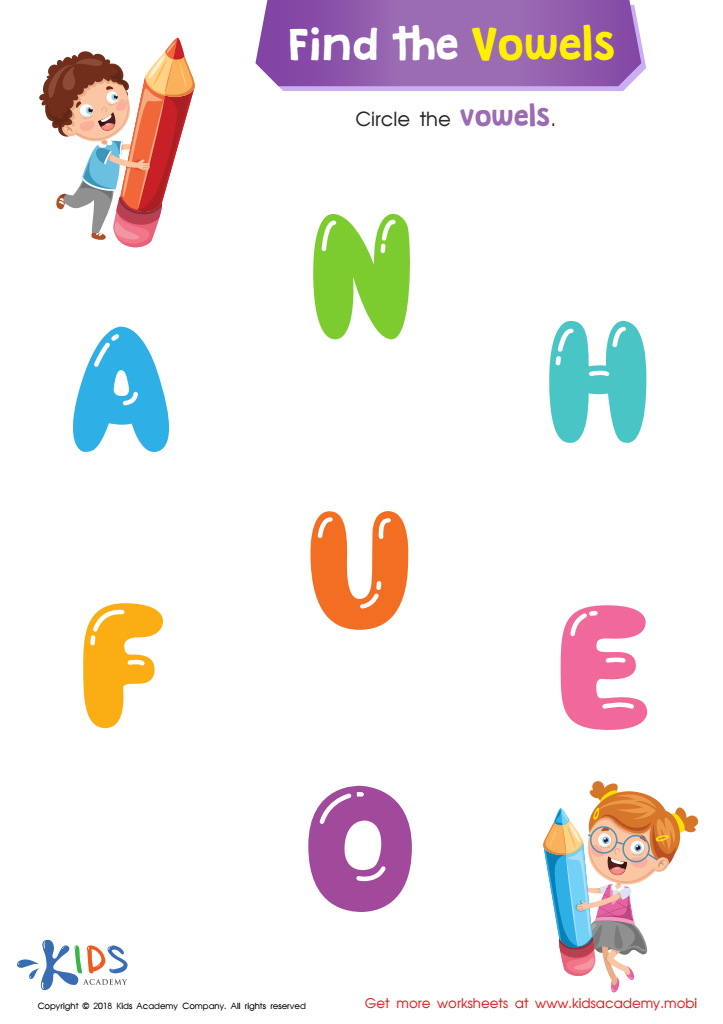
Find the Vowels Reading Worksheet

Find lowercase letters a b c Worksheet
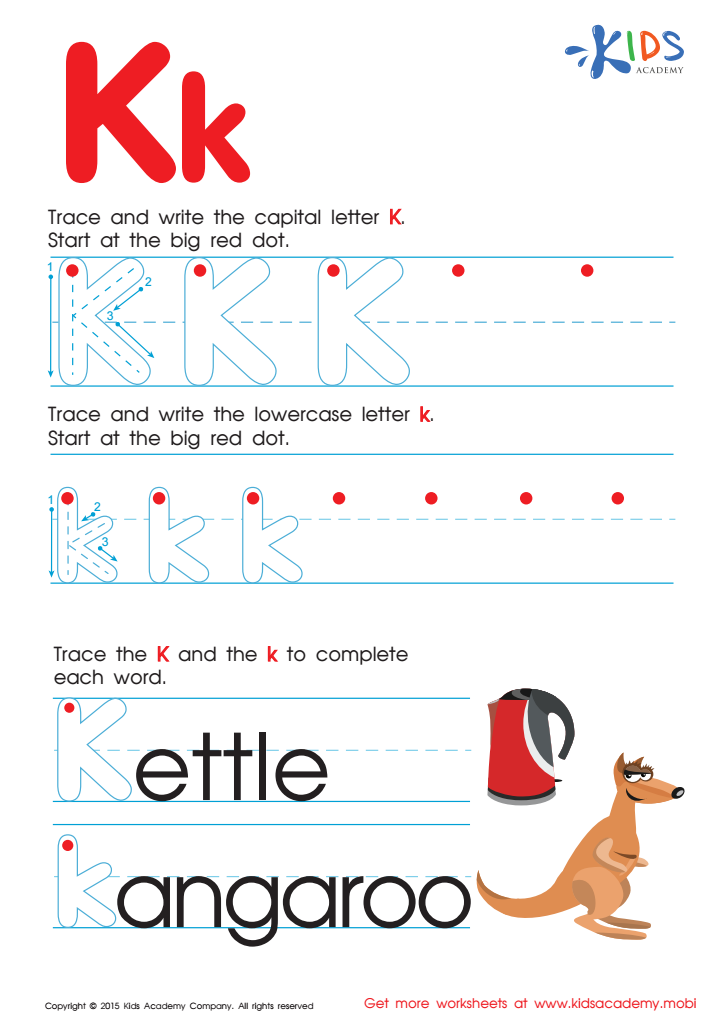
Letter K Tracing Page








Understanding the alphabet is foundational in early childhood education and critical for kindergarten readiness. Parents and teachers should prioritize alphabet understanding because it lays the groundwork for literacy development. Mastery of the alphabet enables children to recognize letters, understand their sounds, and eventually blend those sounds to form words. This phonemic awareness is essential for teaching reading.
Moreover, a solid grasp of the alphabet enhances children's vocabulary and comprehension skills as they progress into reading, writing, and spelling. Engaging with letters through songs, games, and activities fosters larger language skills and boosts confidence as children develop their communication abilities.
Additionally, early exposure to the alphabet helps to cultivate a love for reading. When children can recognize letters and sound them out, they become more inclined to interact with books and stories, enhancing their cognitive and emotional development.
Finally, understanding the alphabet prepares children for academic success. It equips them with vital skills that not only impact their literacy but influence overall learning and cognitive functions. Thus, both parents and teachers play a crucial role in ensuring children have a strong foundation in alphabet understanding, setting them up for lifelong learning successes.