Fine Motor Skills Normal Kindergarten Alphabet Worksheets - Page 2
47 filtered results
-
From - To
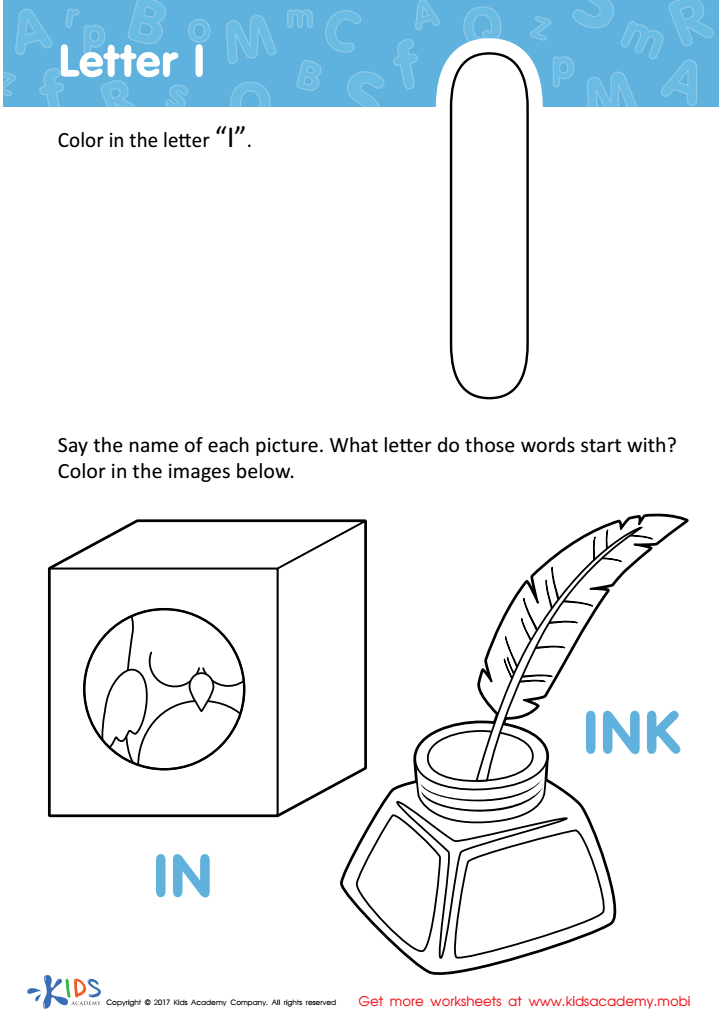
Letter I Coloring Sheet
 Assign to My Students

Long and Short U Worksheet
Assign to My Students
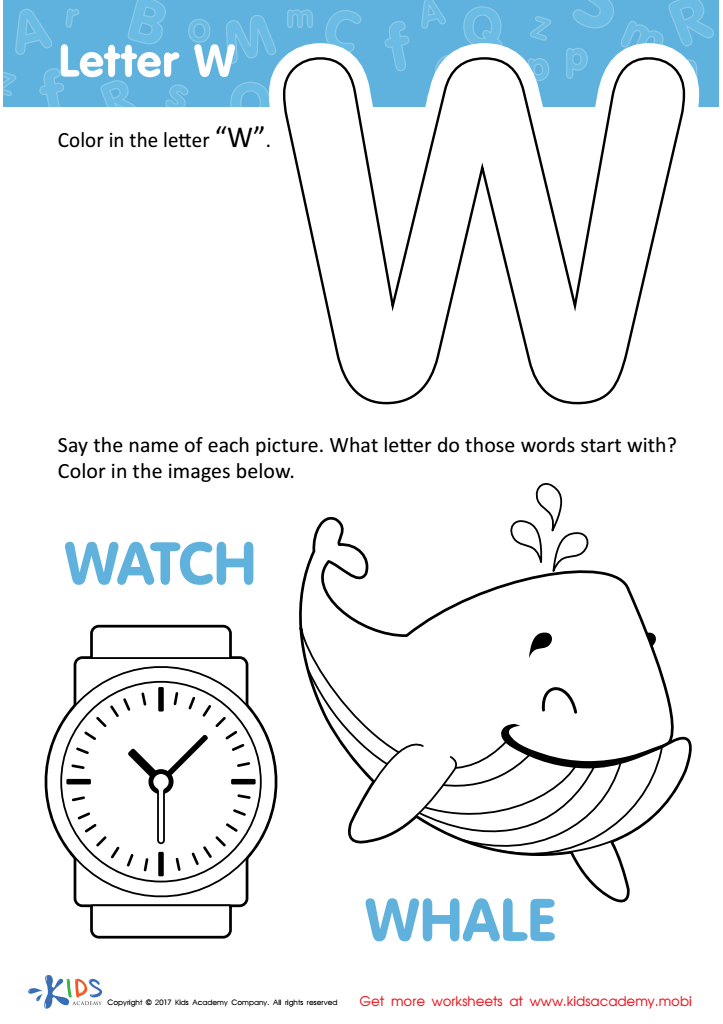
Letter W Coloring Sheet
Assign to My Students
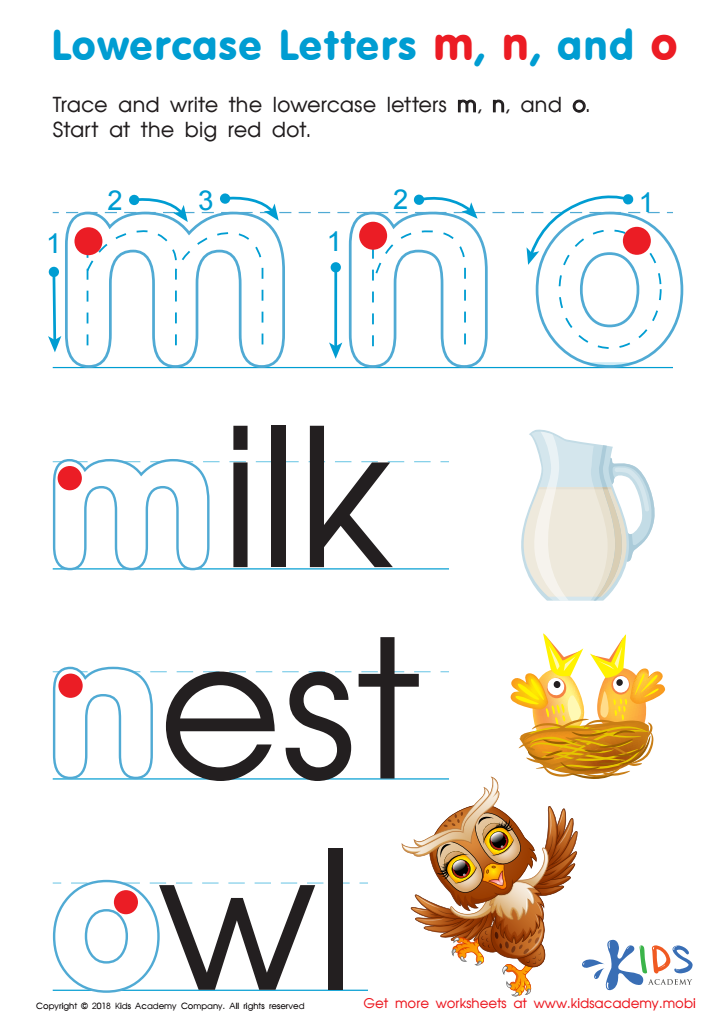
Lowercase Letters m n o Worksheet
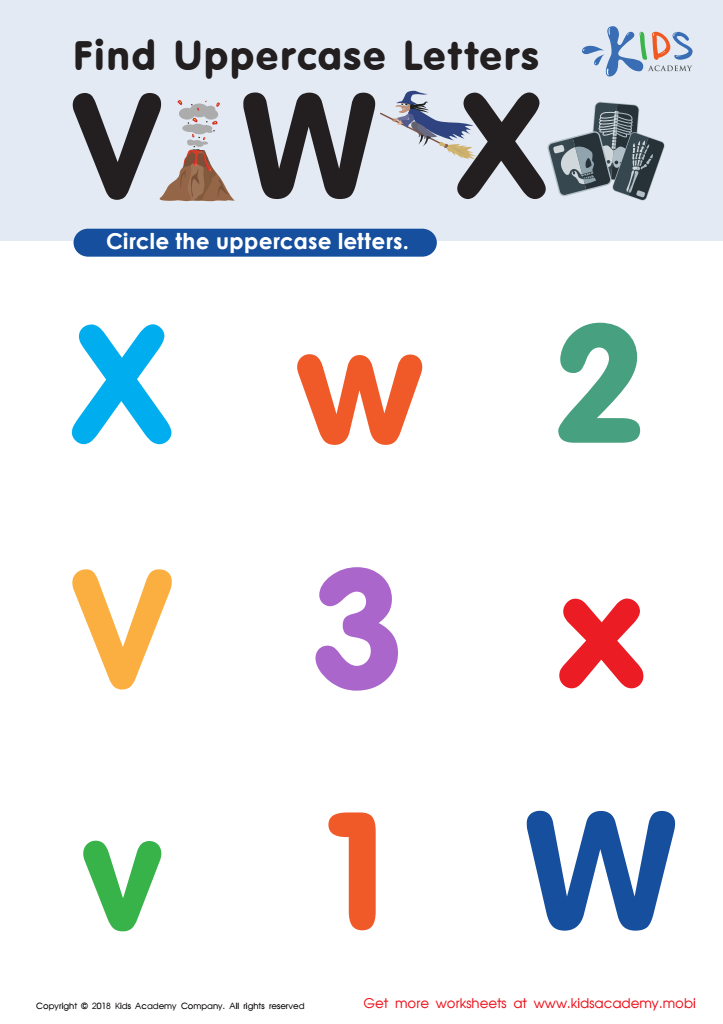
Find Uppercase Letters V, W, X Worksheet
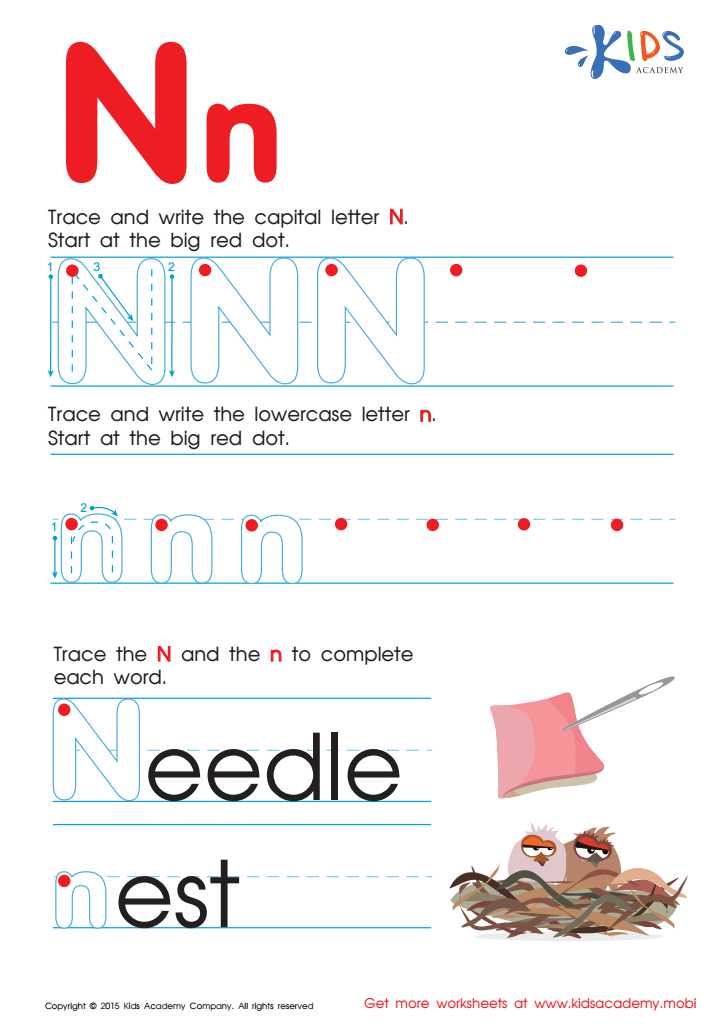
Letter N Tracing Page
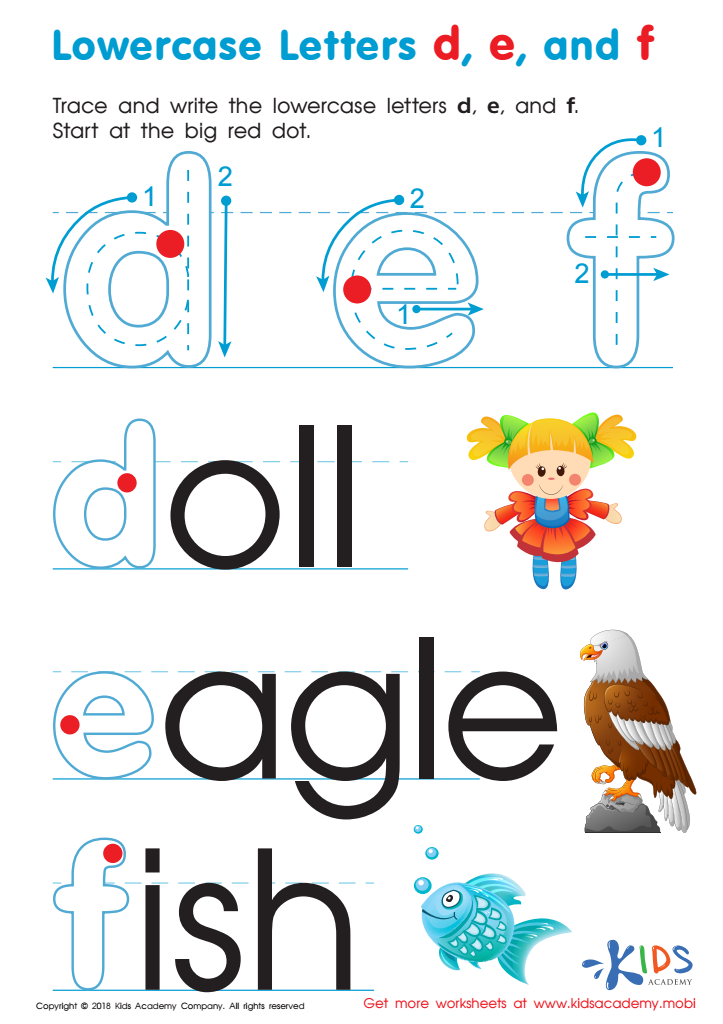
Lowercase Letters d e f Worksheet
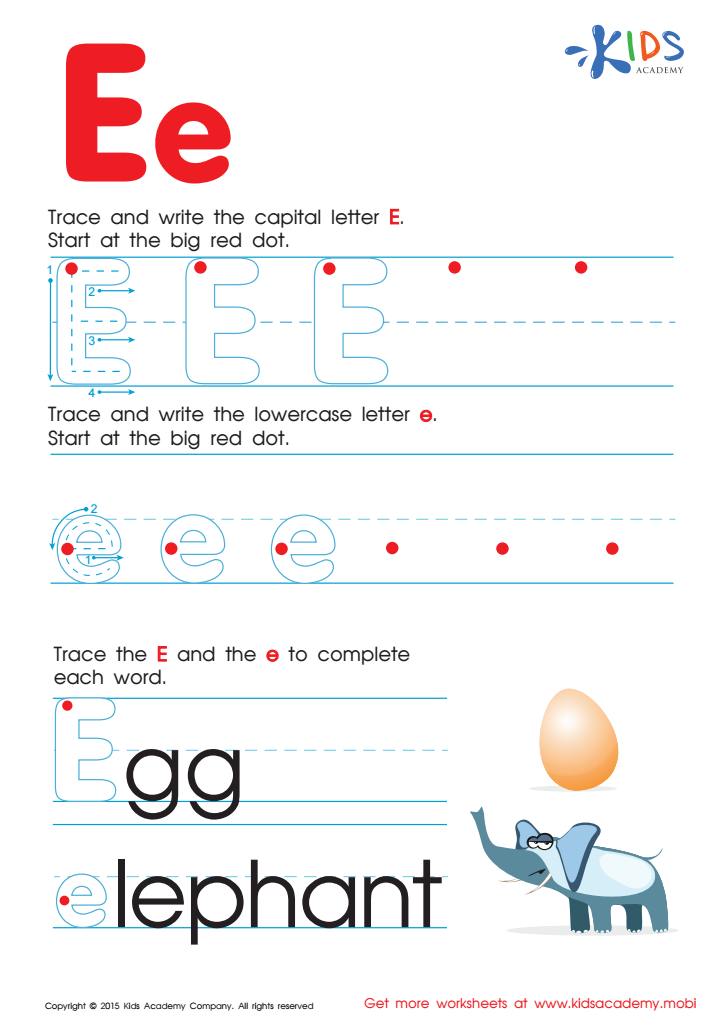
Letter E Tracing Page
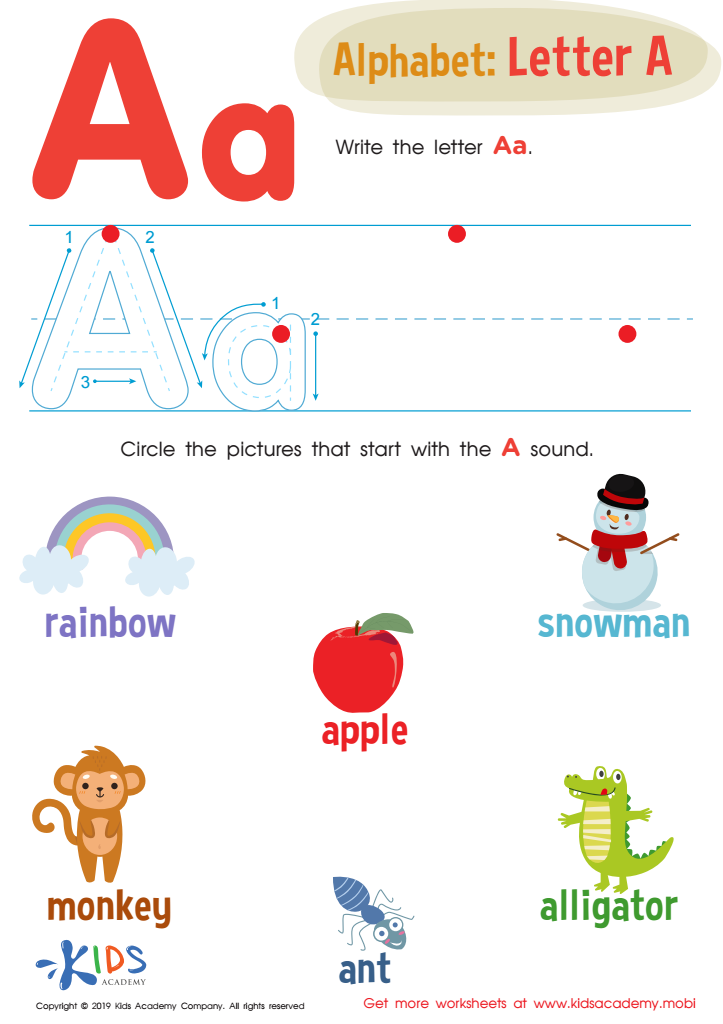
Letter A Tracing Worksheet
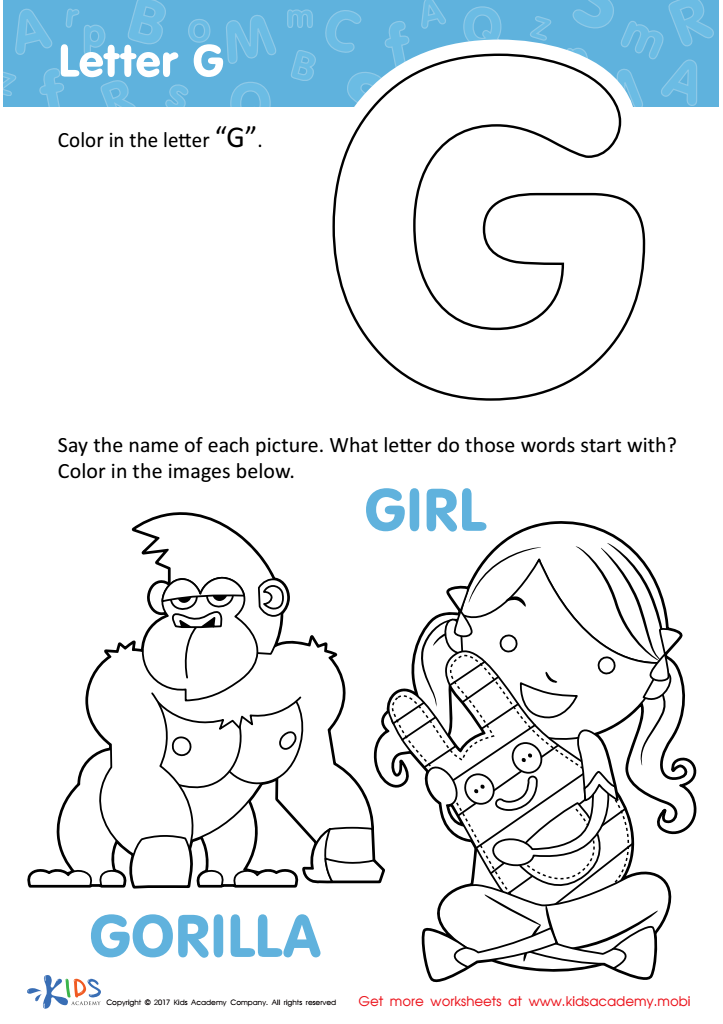
Letter G Coloring Sheet
Assign to My Students
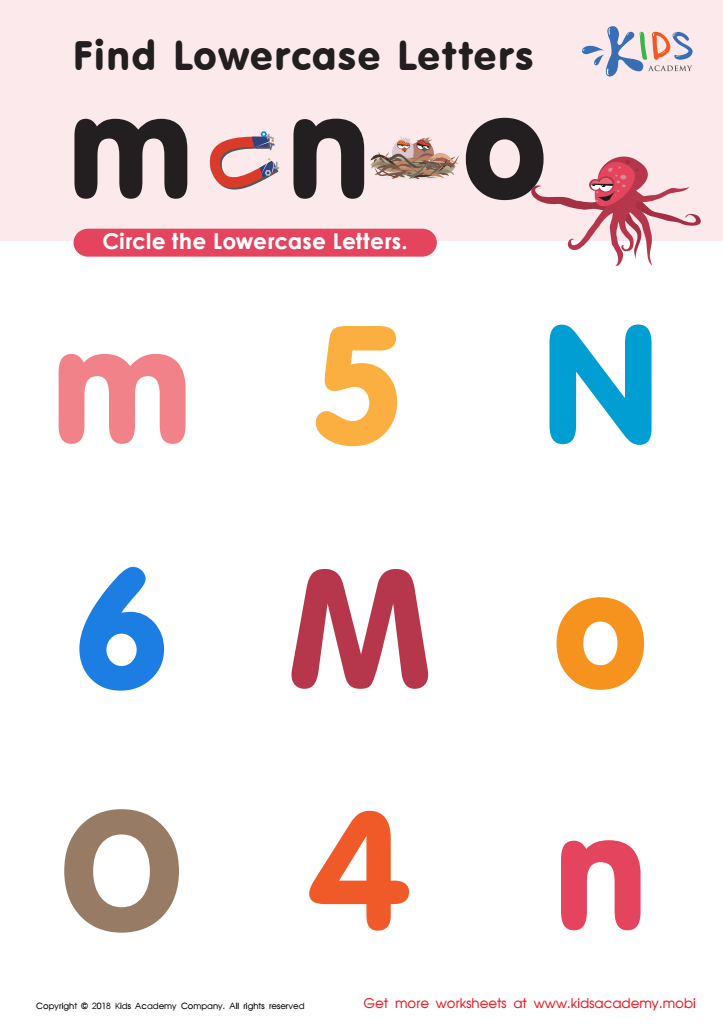
Find Lowercase Letters m n o Worksheet
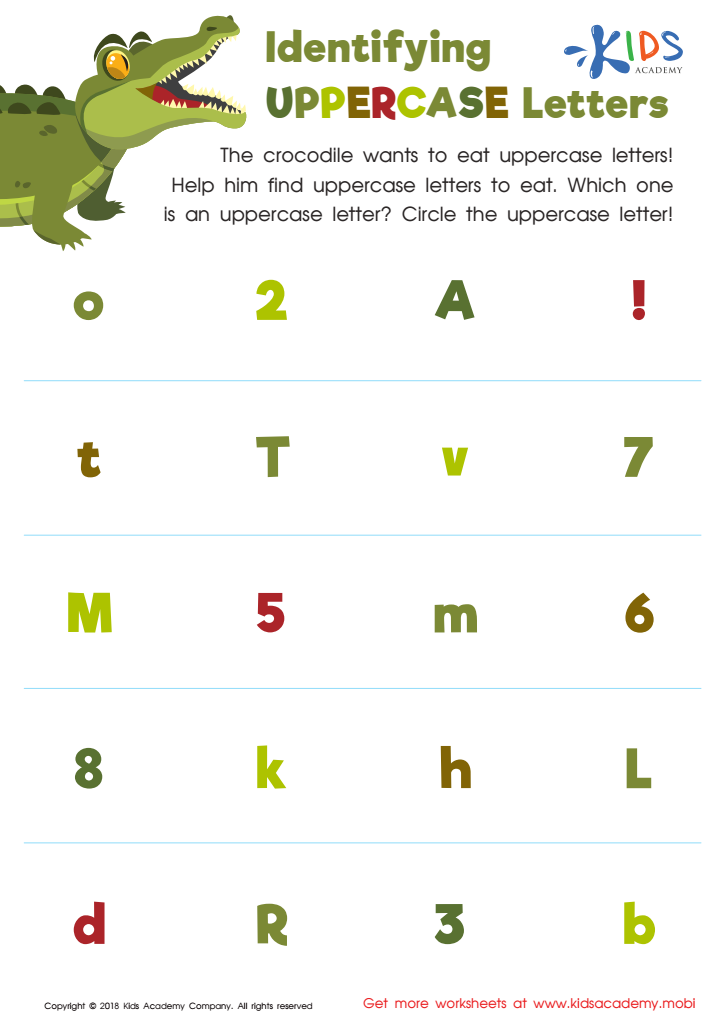
Identifying Uppercase Letters Worksheet
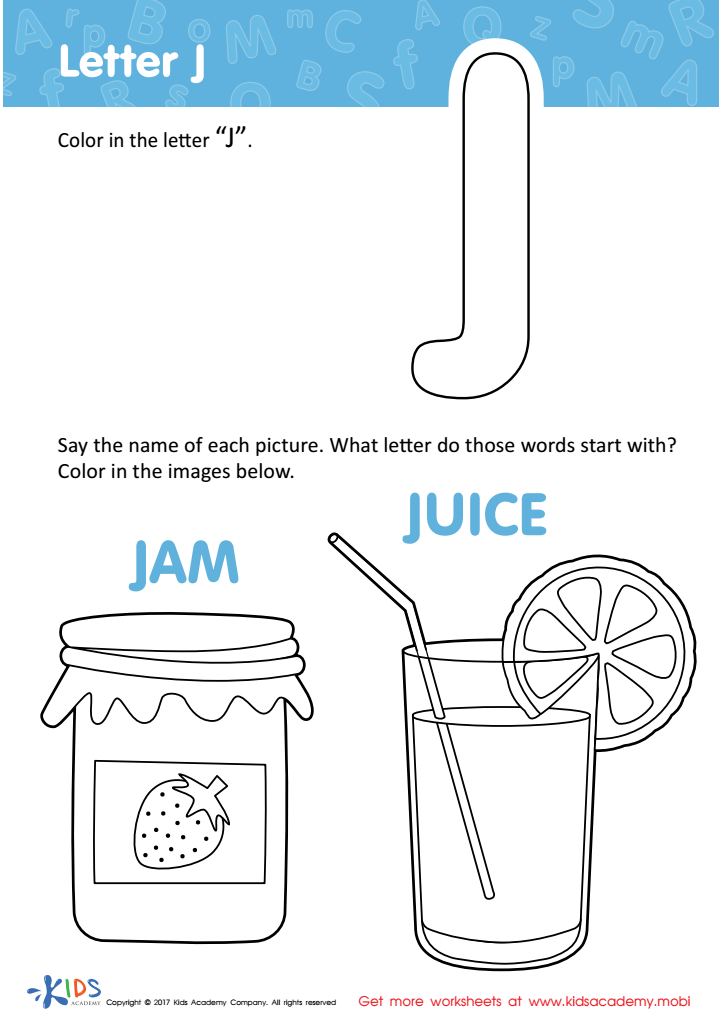
Letter J Coloring Sheet
Assign to My Students
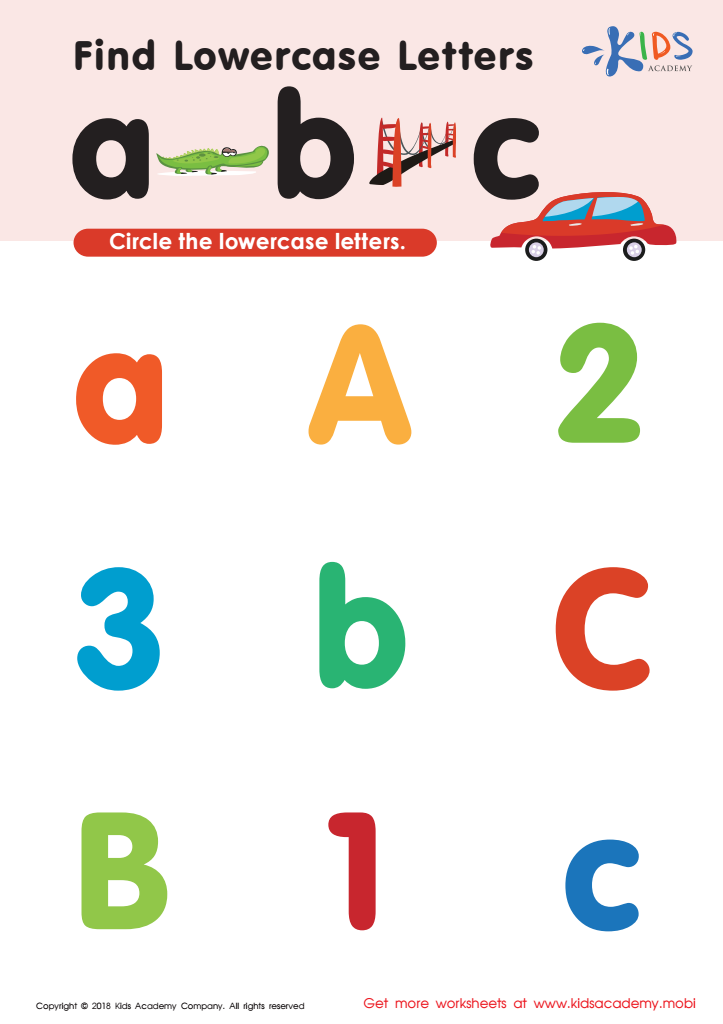
Find lowercase letters a b c Worksheet
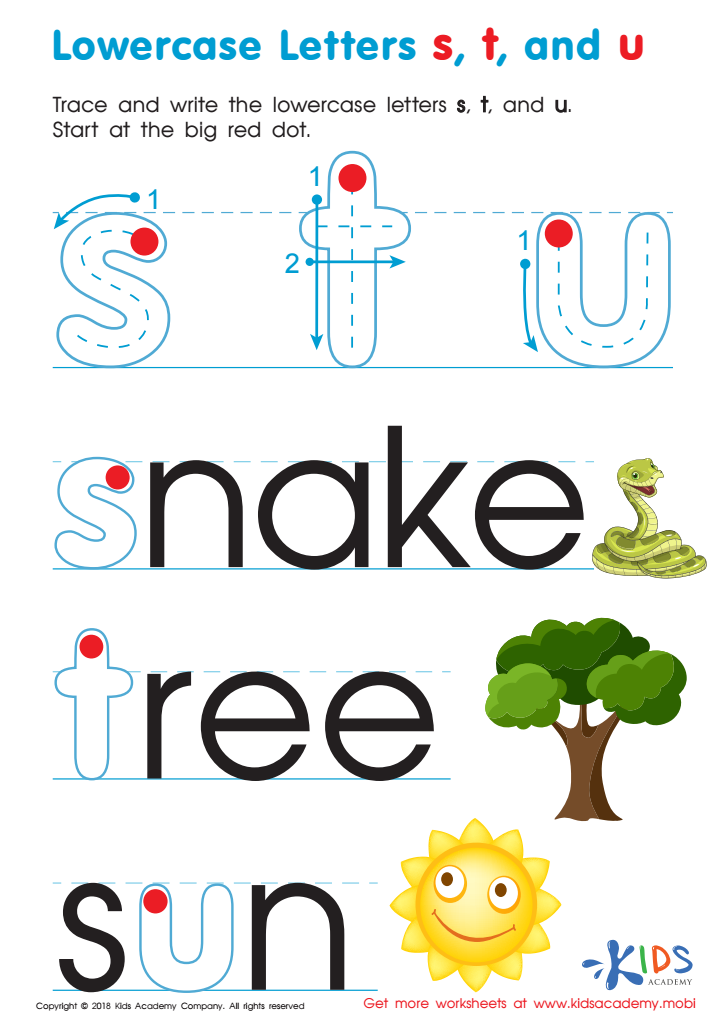
Lowercase Letters s t u Worksheet
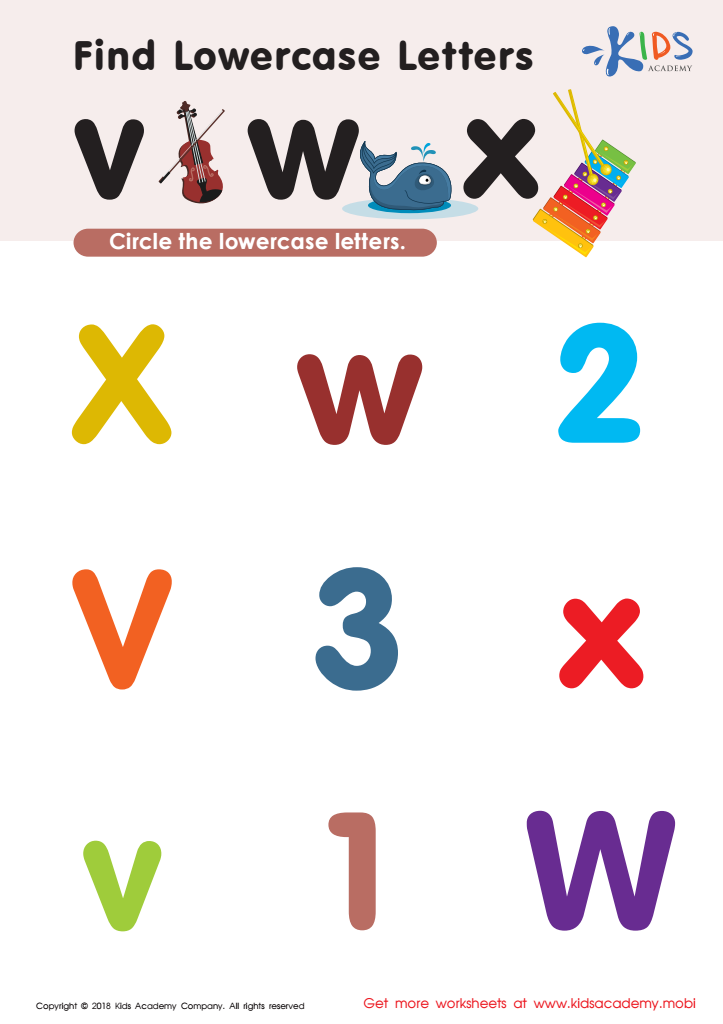
Find Lowercase Letters v w x Worksheet
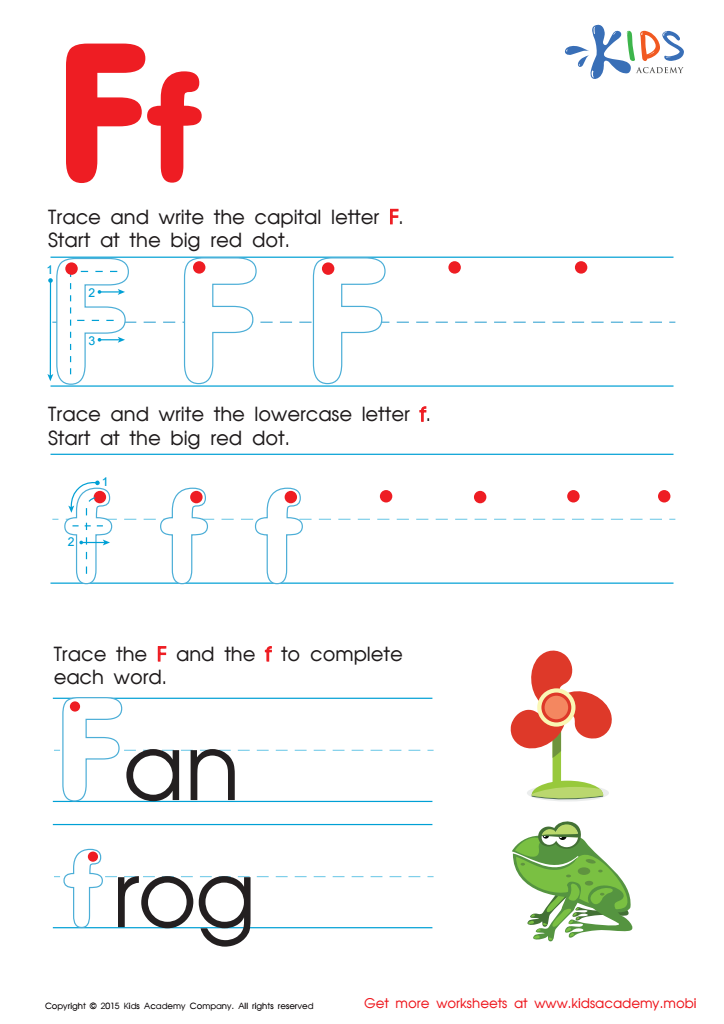
Letter F Tracing Page
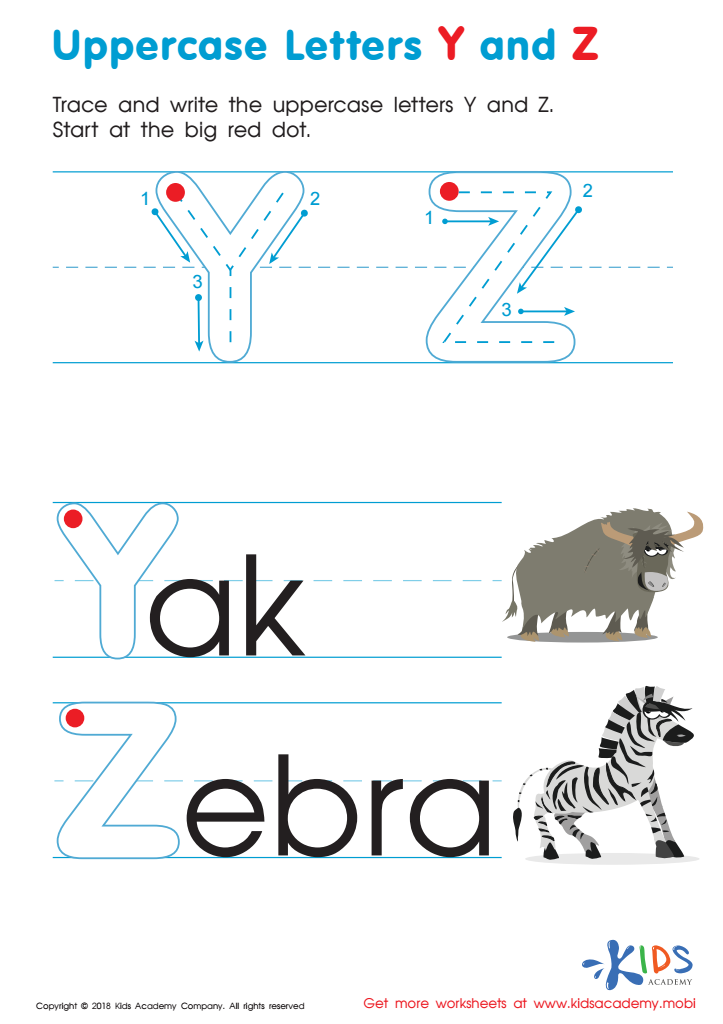
Uppercase Letters Y Z Worksheet
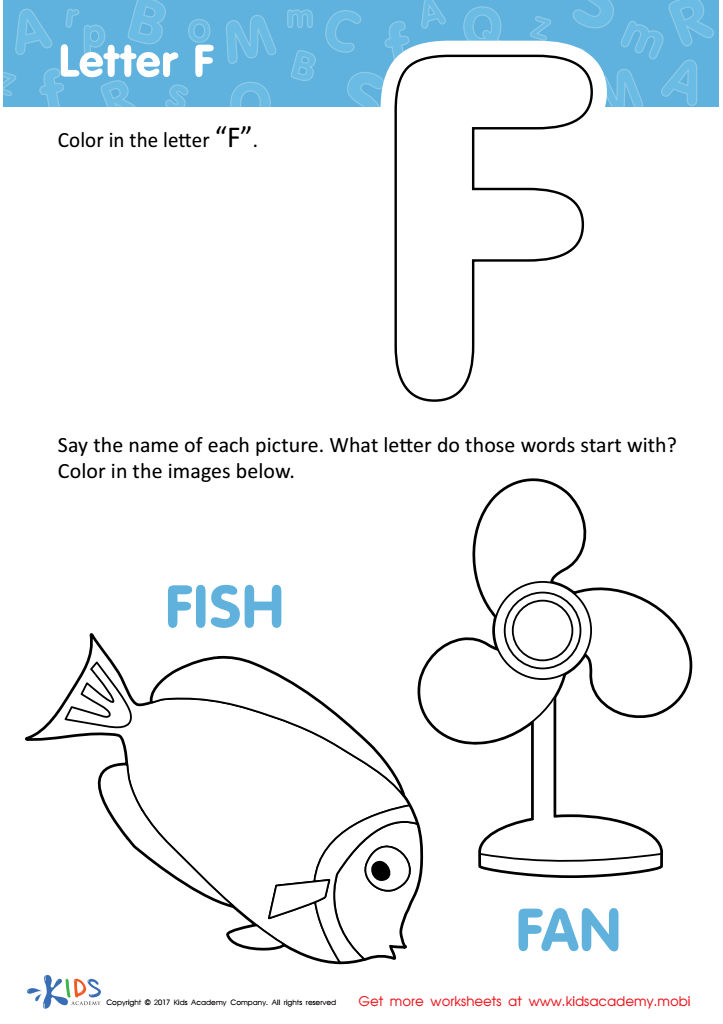
Letter F Coloring Sheet
Assign to My Students
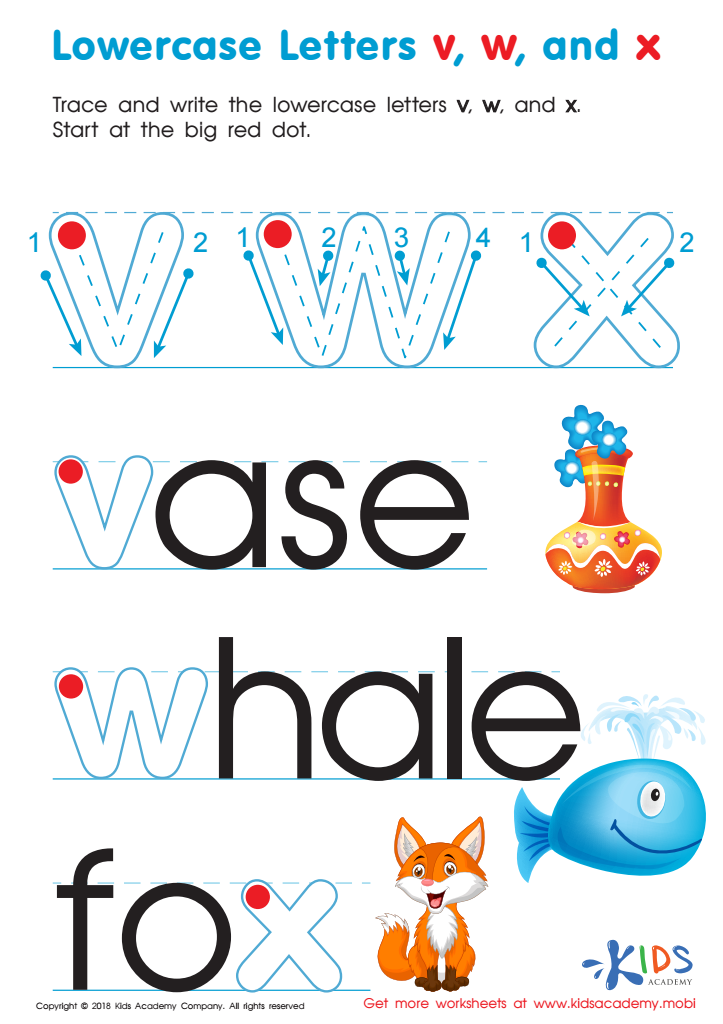
Lowercase Letters v w x Worksheet
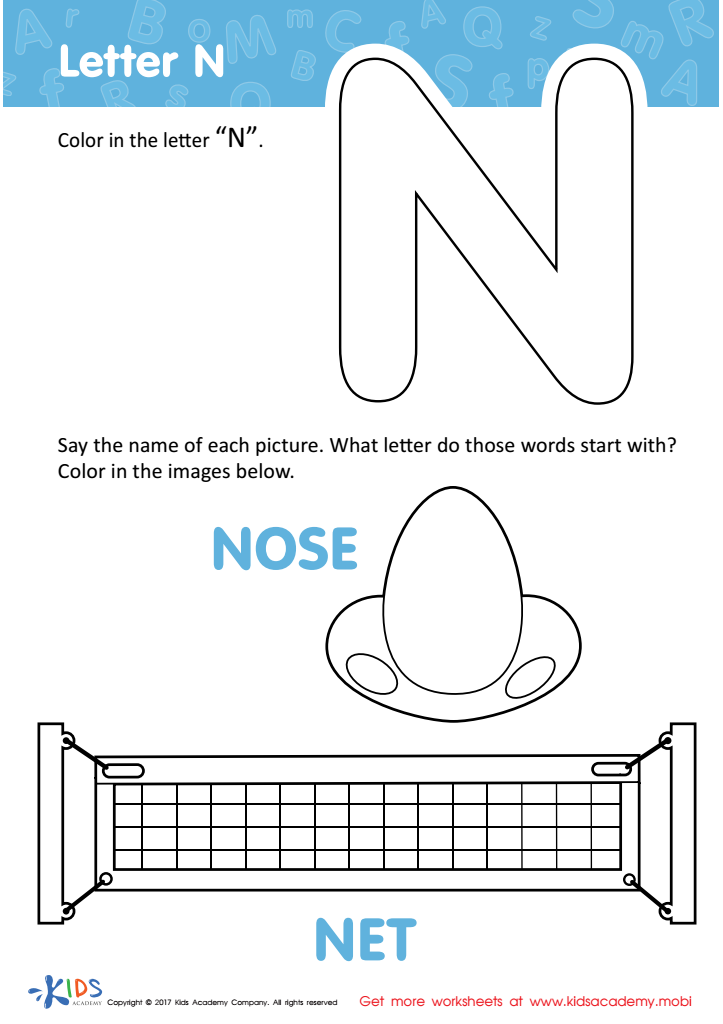
Letter N Coloring Sheet
Assign to My Students
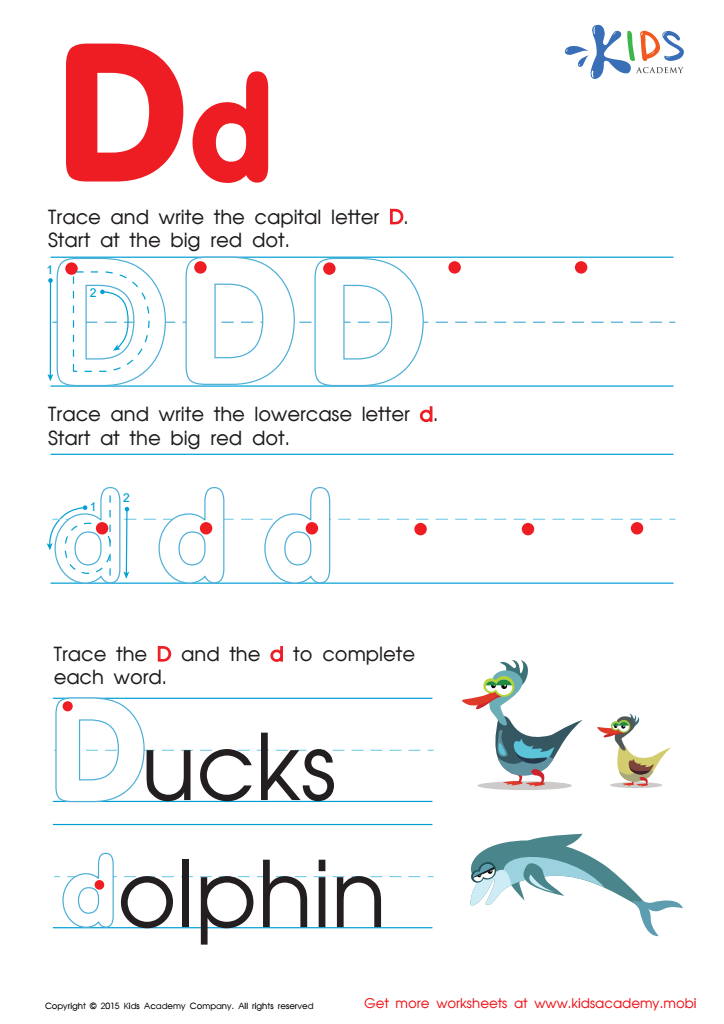
Letter D Tracing Page
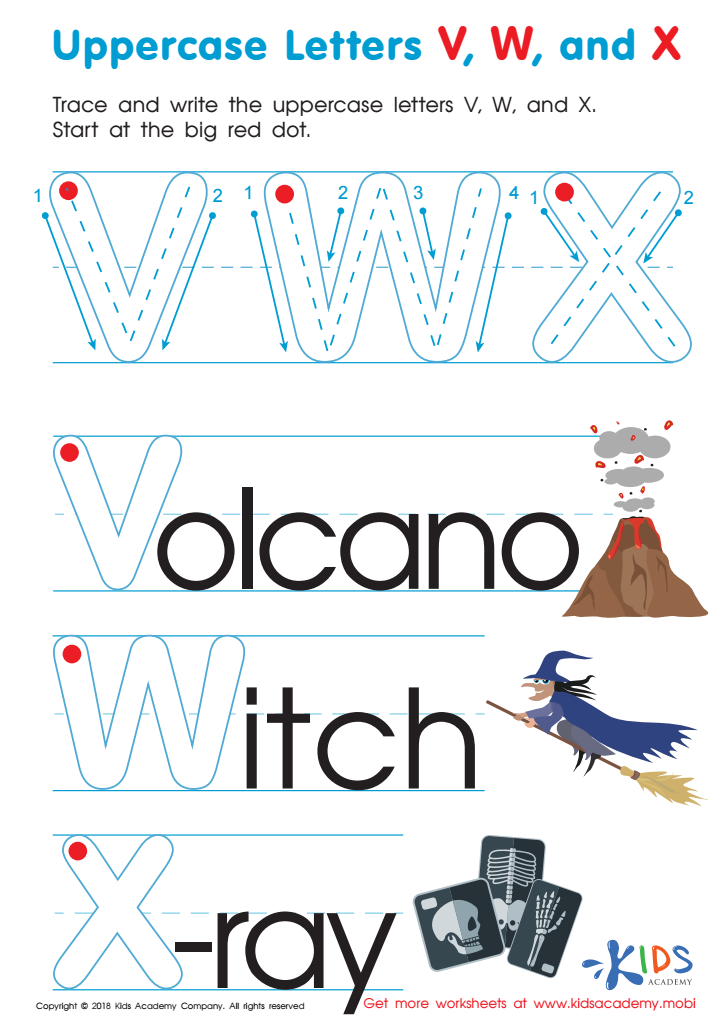
Uppercase Letters V, W, and X Worksheet








Fine motor skills are essential for children's overall development, particularly in a kindergarten setting where they transition into more structured learning. These skills involve the coordination of small muscles in the hands and fingers, which plays a crucial role in tasks like writing, drawing, cutting, and other activities that require precision. When children develop fine motor skills, they gain greater control over their movements, fostering confidence and independence.
For parents and teachers, supporting the refinement of these skills in kindergarten is vital as it directly impacts literacy and numeracy learning. The ability to manipulate writing instruments affects a child's capability to form letters accurately, which is foundational in learning the alphabetical system. When children struggle with fine motor tasks, they may become frustrated, leading to a lack of interest in writing and reading activities.
By focusing on activities that enhance fine motor development—such as using scissors, gluing, or threading beads—parents and teachers contribute to a strong base for academic success and everyday functioning. Relevant instruction and play integrate these skills in enjoyable ways, making learning engaging while laying the groundwork for future educational achievements. By investing in children's fine motor skills, adults encourage not only their academic journey but also their self-esteem and joyful learning experiences.