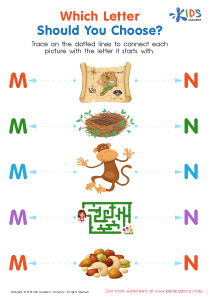
Handwriting practice Normal Kindergarten Alphabet Worksheets - Page 2
32 filtered results
-
From - To
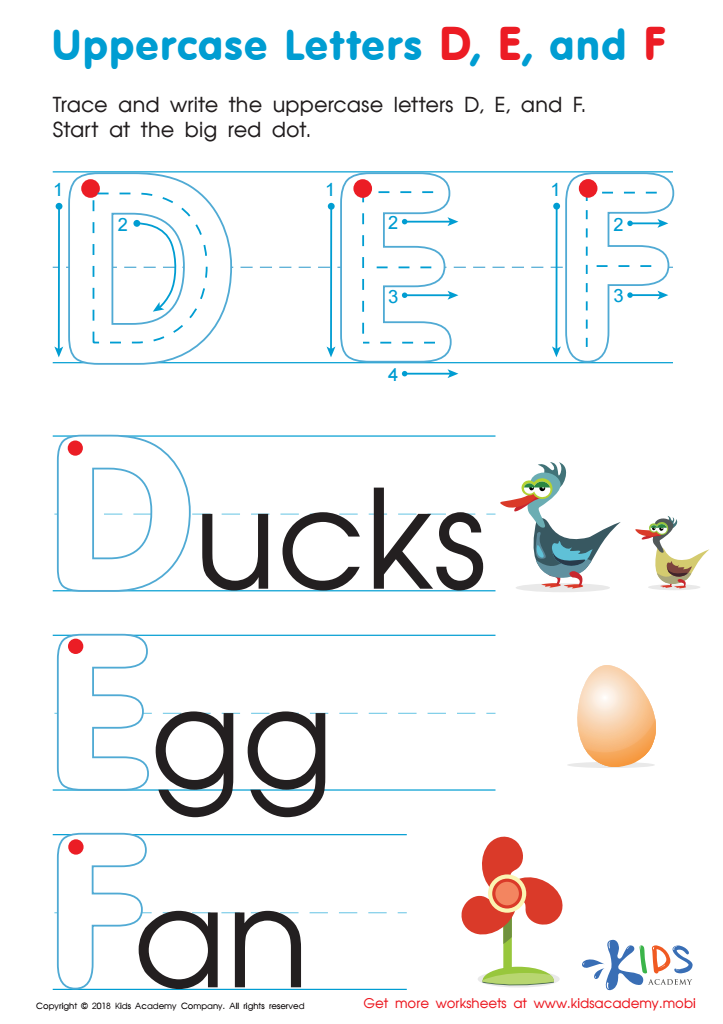
Uppercase Letters D, E, and F Worksheet
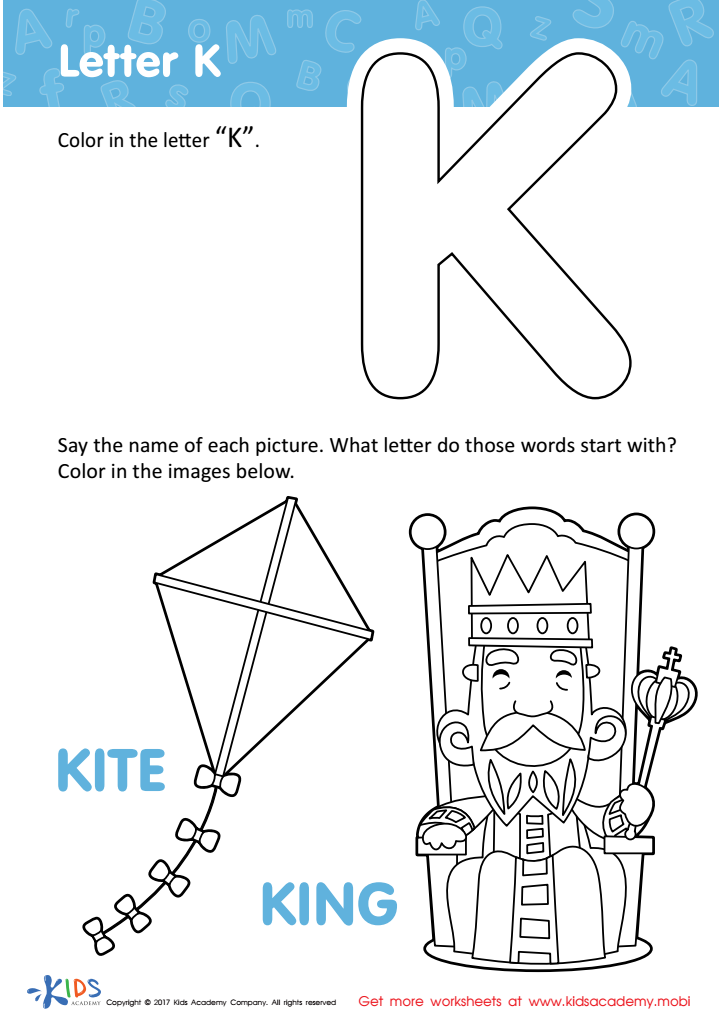
Letter K Coloring Sheet
 Assign to My Students

Uppercase Letters Y Z Worksheet
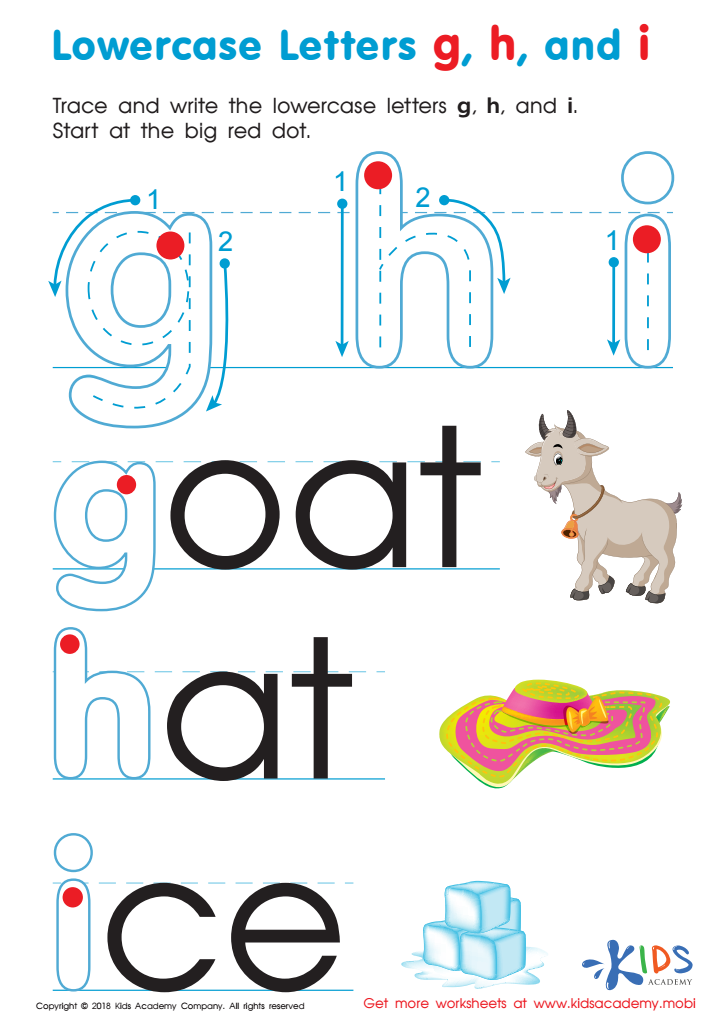
Lowercase Letters g h i Worksheet
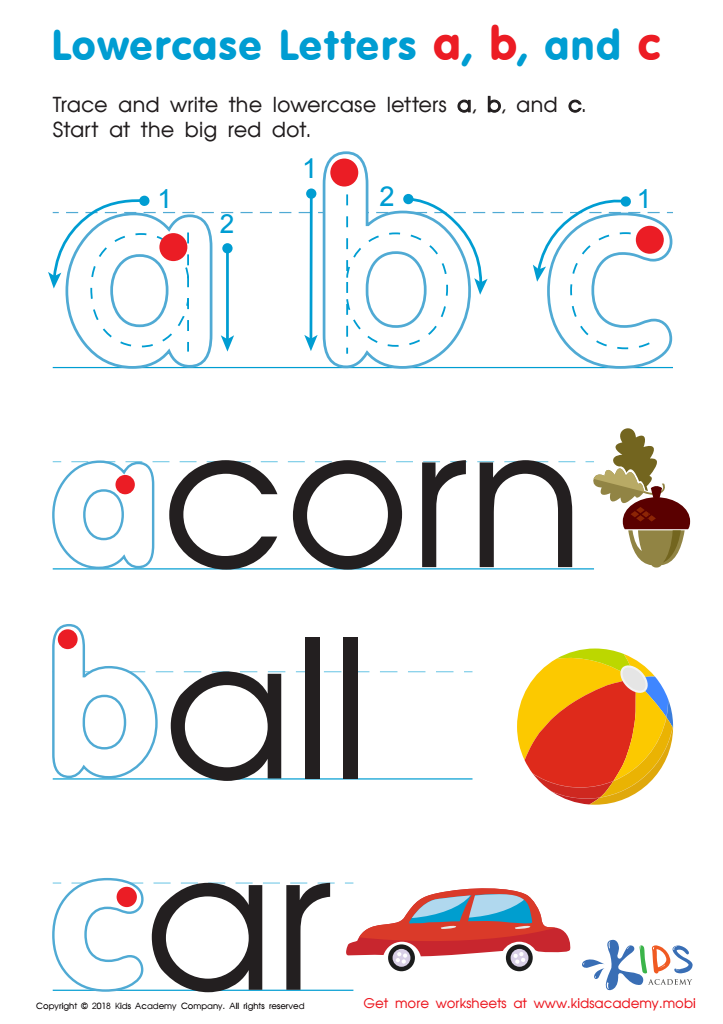
Lowercase Letters a b c Worksheet
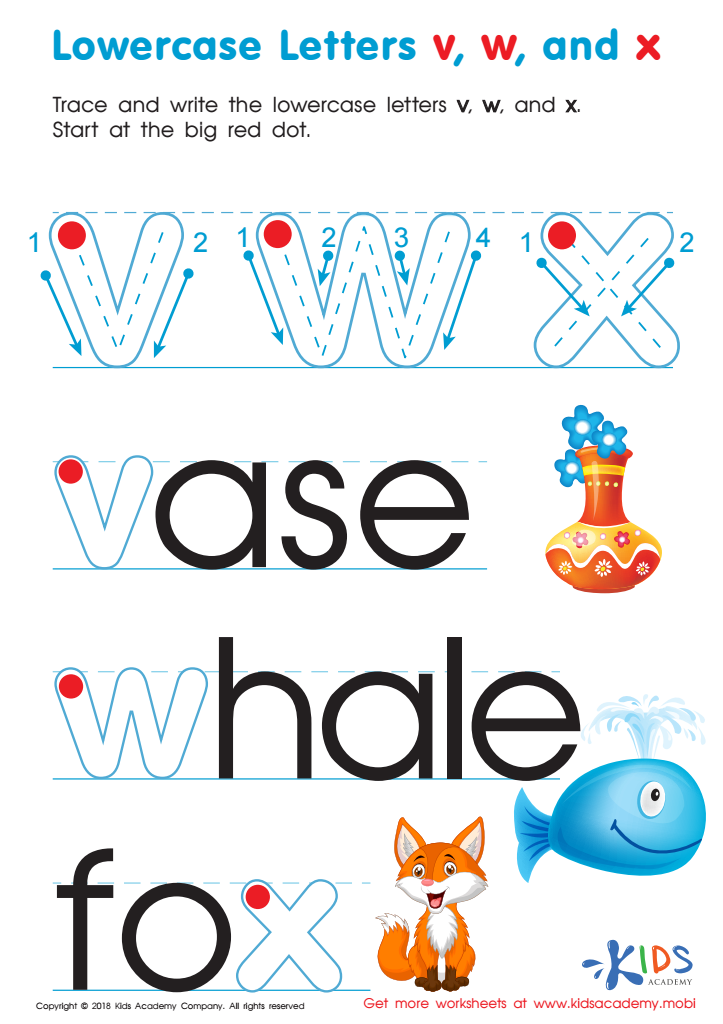
Lowercase Letters v w x Worksheet
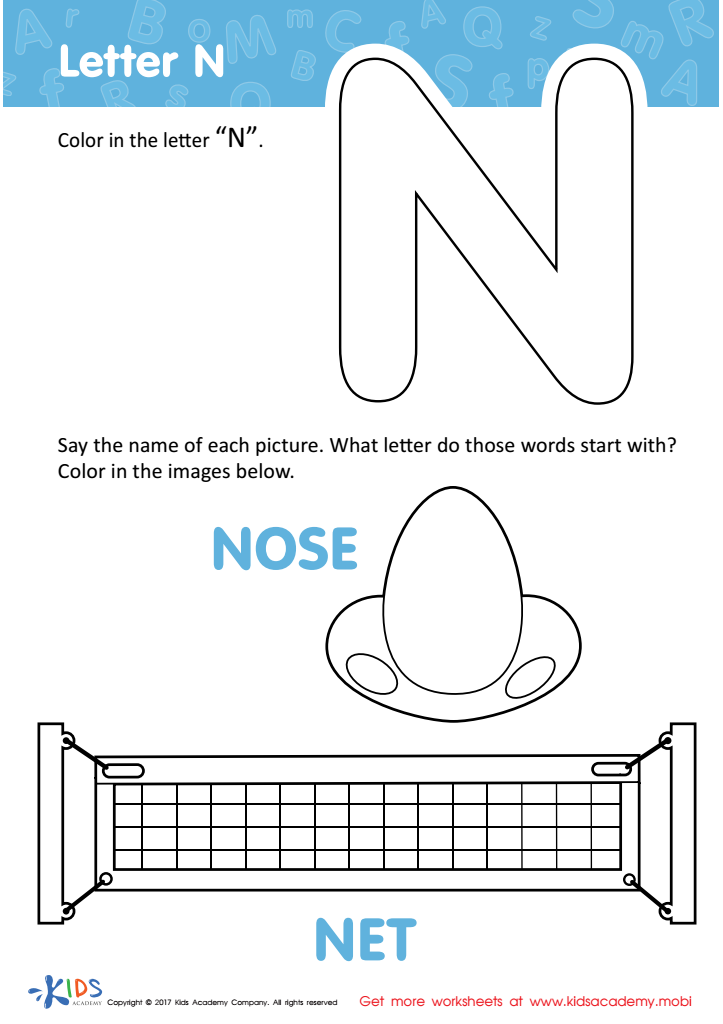
Letter N Coloring Sheet
Assign to My Students
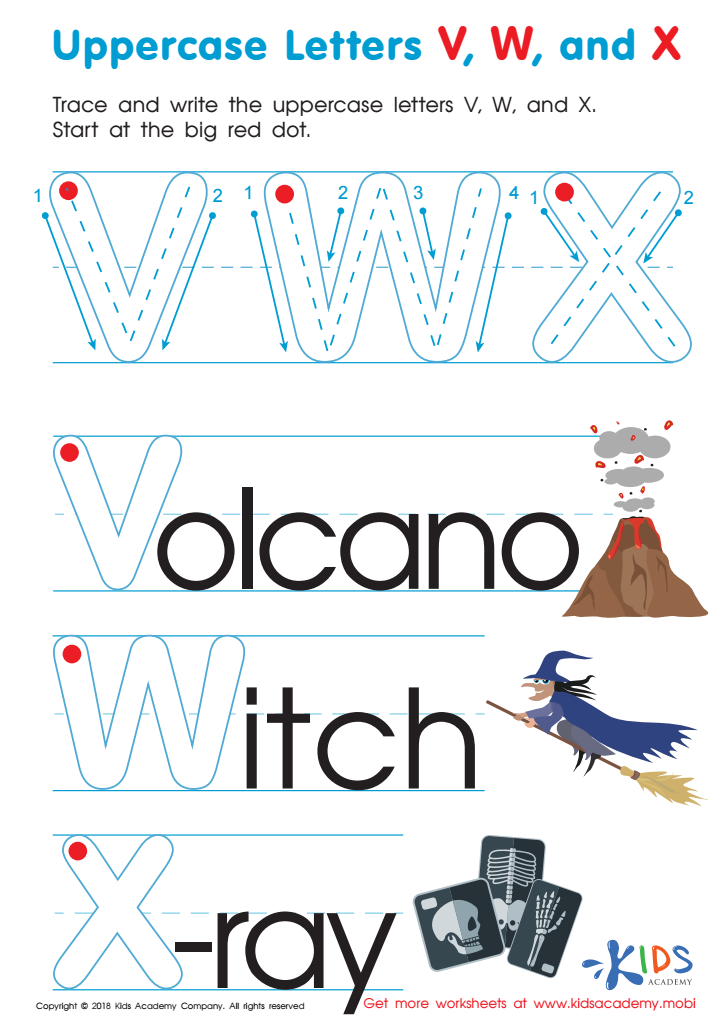
Uppercase Letters V, W, and X Worksheet








Handwriting practice in Kindergarten plays a crucial role in a child's development and learning journey. First and foremost, it enhances fine motor skills, which are essential for various daily tasks. By writing letters, children learn to control their hand movements, improving their dexterity and coordination.
Moreover, proper handwriting lays a foundation for effective communication. Learning to form letters correctly helps children read and write with clarity, facilitating comprehension and expression. In Kindergarten, mastering the normal alphabet style not only aids literacy but also boosts confidence. Kids taking pride in their handwriting often feel more motivated to write and share their thoughts.
Additionally, handwriting can be linked to cognitive development. As children practice letters, they strengthen their memory and understanding of letter shapes, valuable skills that contribute to vocabulary development. Teachers and parents should also consider the emotional aspects; children gain a sense of accomplishment as they see their progress.
In an increasingly digital world, the importance of handwriting should not be overlooked. Ensuring children receive consistent handwriting practice nurtures both academic skills and personal growth, preparing them for future educational challenges. Therefore, investing time and effort into handwriting practice in Kindergarten is essential for a child's overall development.