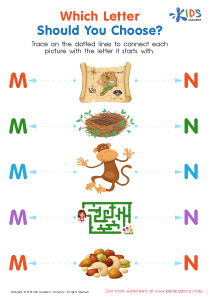
Vocabulary enhancement Normal Kindergarten Phonics Worksheets
11 filtered results
-
From - To
Boost your child's vocabulary with our Vocabulary Enhancement Normal Kindergarten Phonics Worksheets! Designed to make learning engaging and effective, these worksheets focus on key phonics skills that enrich language development. Each activity targets sound recognition and word formation, helping to improve reading fluency and comprehension. The colorful and interactive worksheets are perfect for young learners, making phonics enjoyable and accessible. These engaging resources foster cognitive skills while building a strong foundation for literacy. Explore our collection to equip your kindergarteners with the vocabulary they need to succeed in their educational journey, making learning both fun and functional!
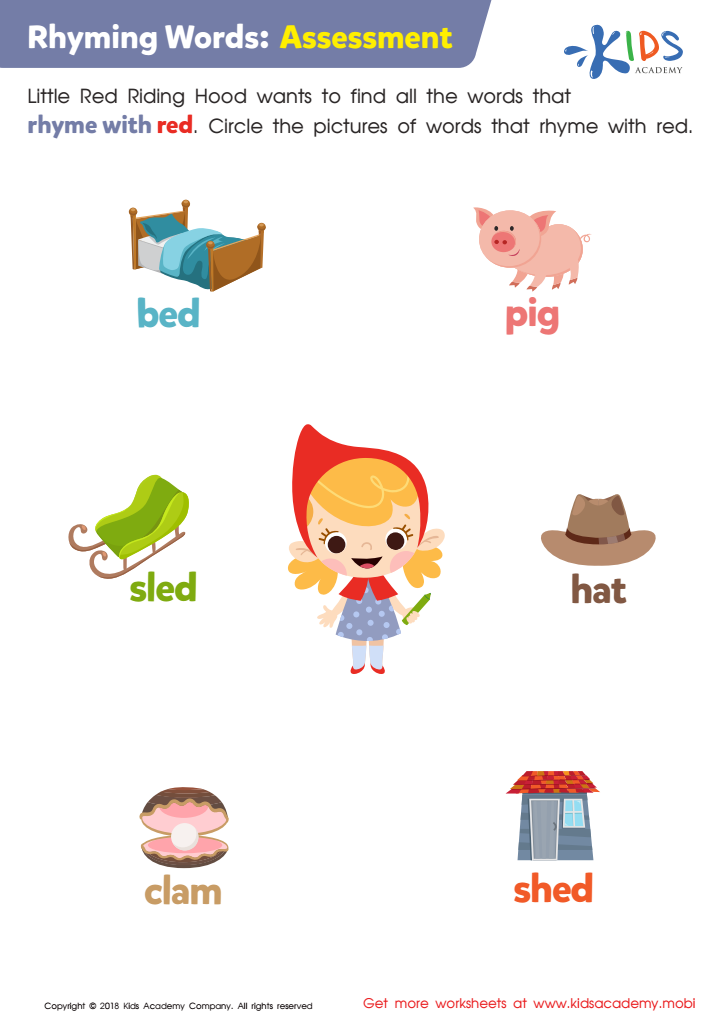
Rhyming Words: Assessment Worksheet
 Assign to My Students
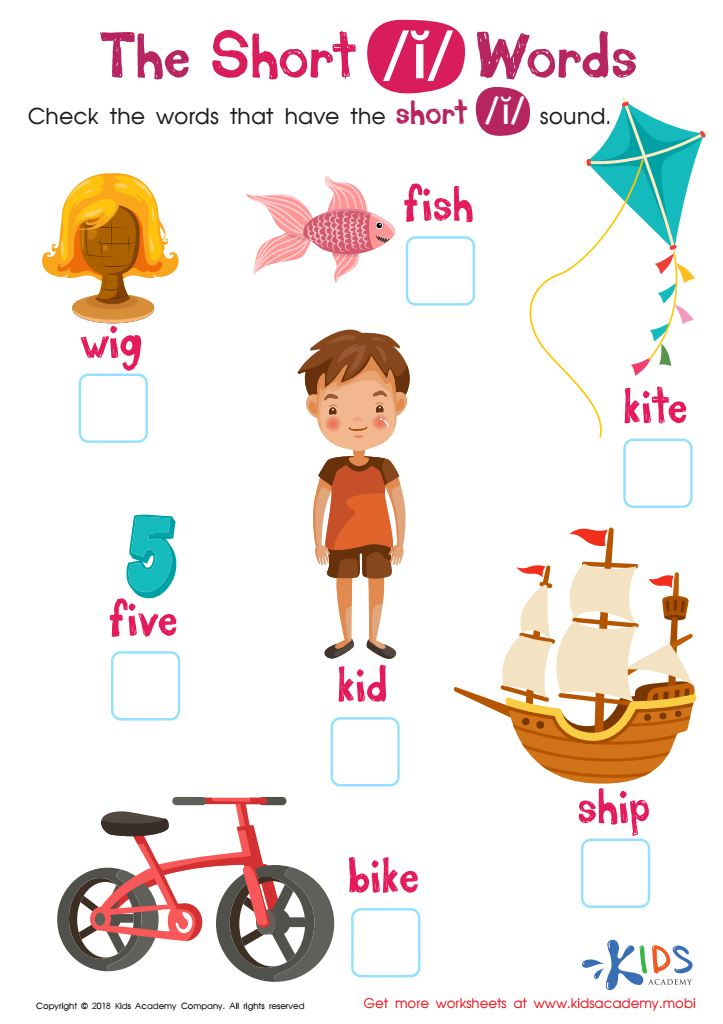
The Short I Words Reading Worksheet
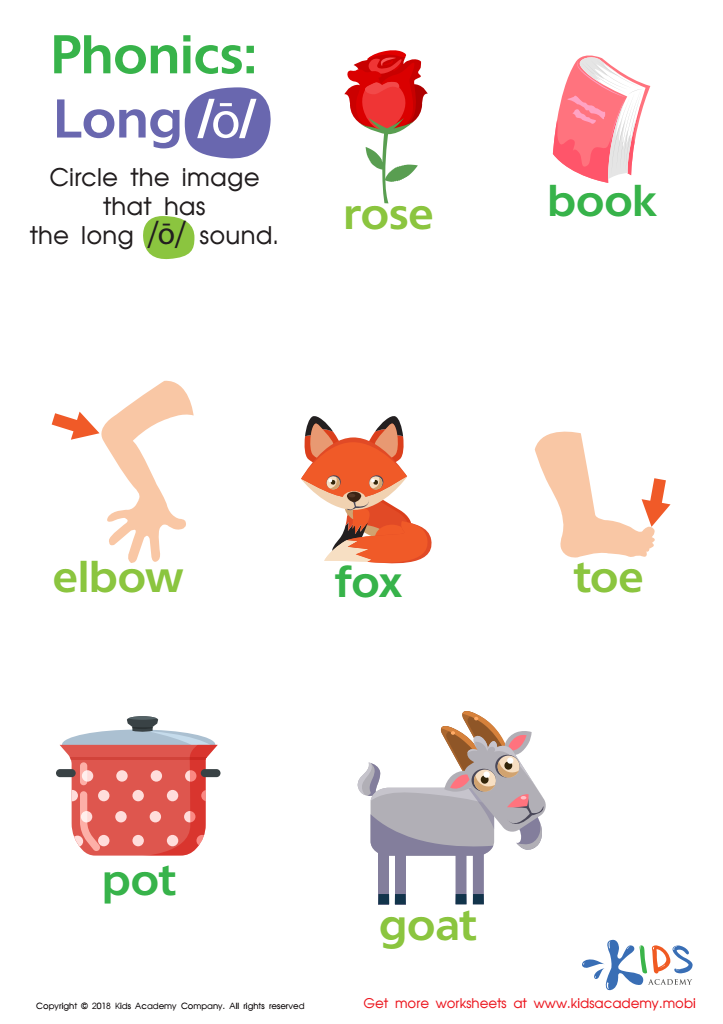
Phonics Long O Reading Worksheet
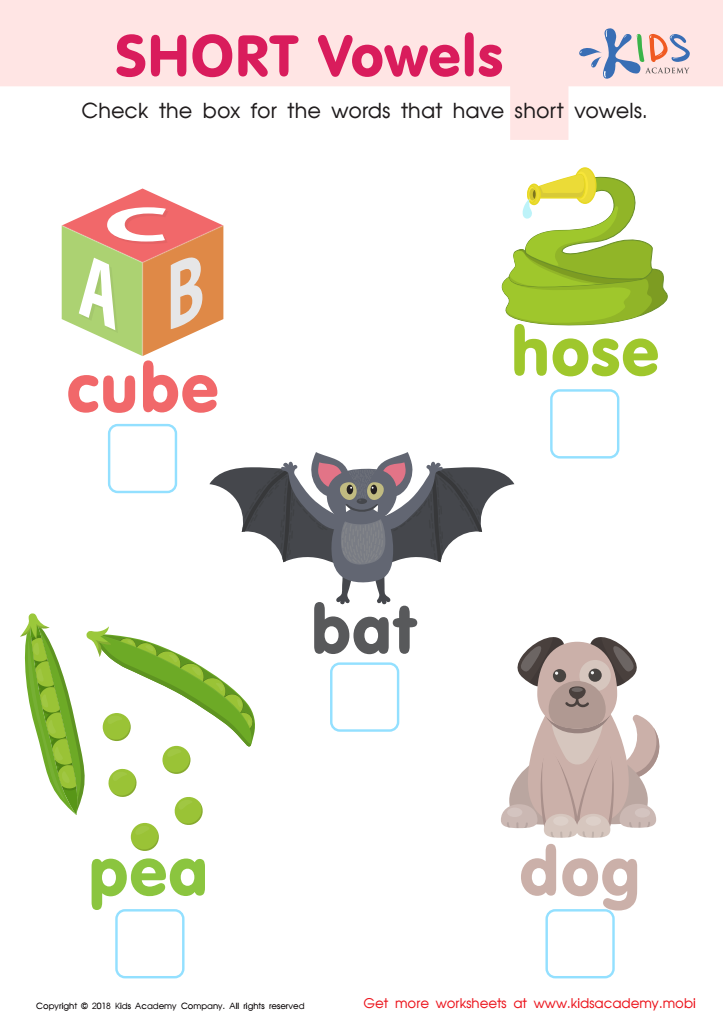
short vowels Worksheet
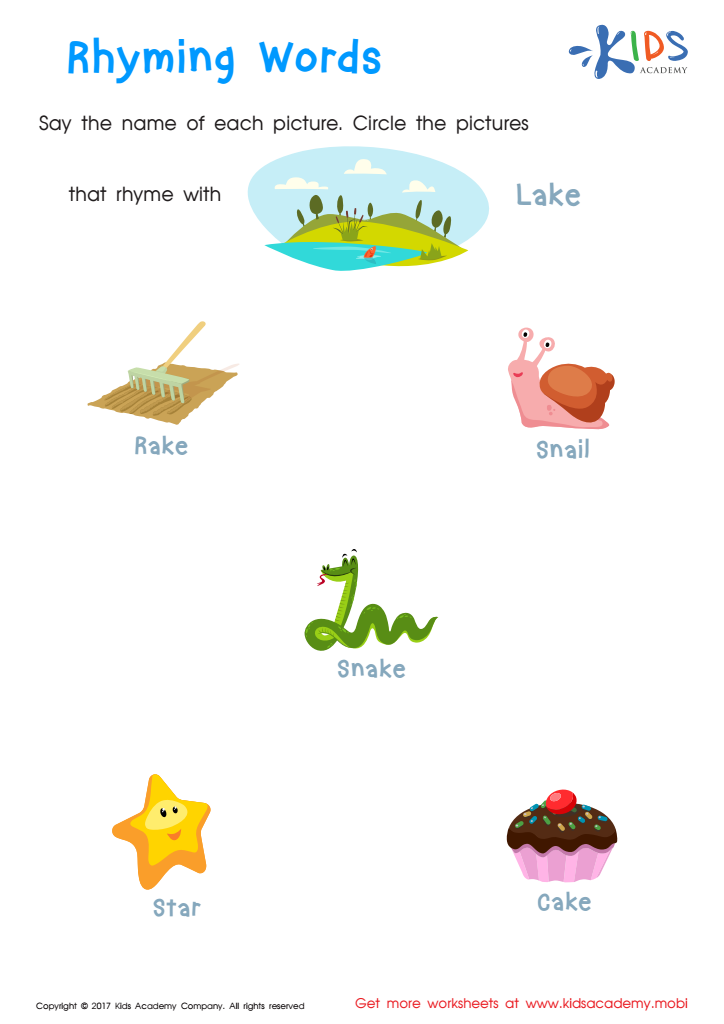
Rhyming Words Rhyming Worksheet
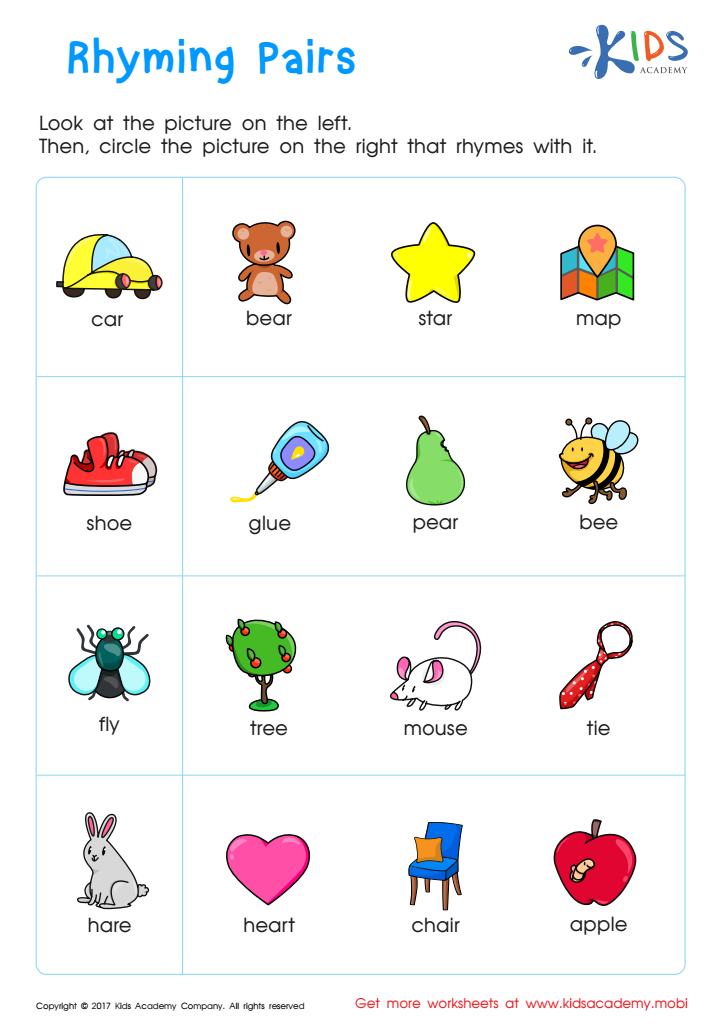
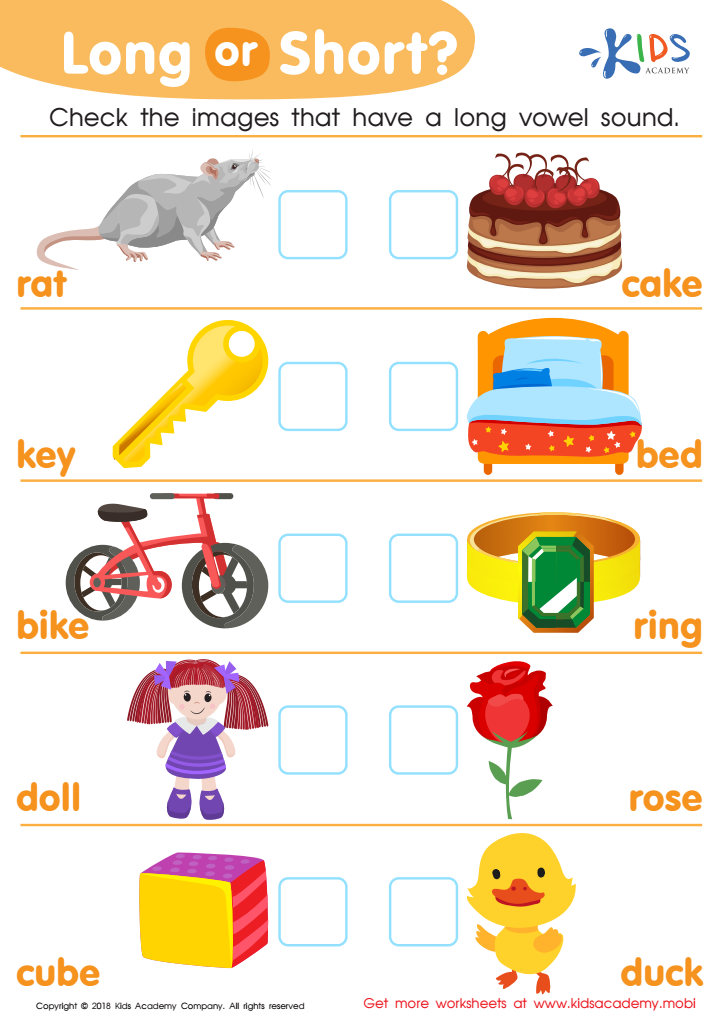
Long or Short Reading Worksheet
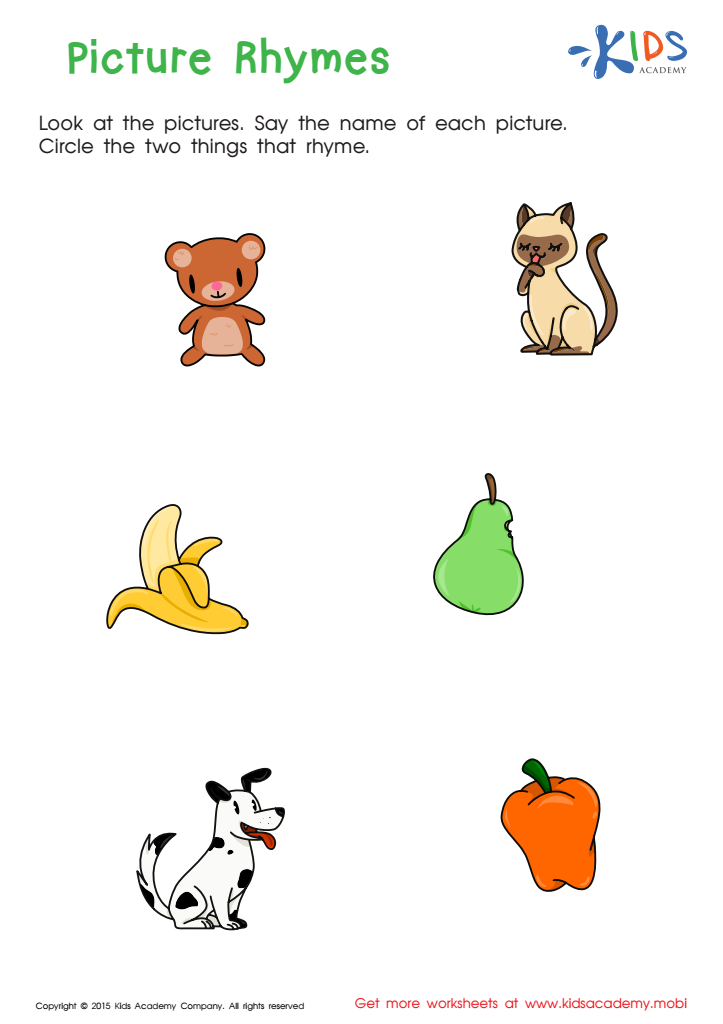
First Words: Picture Rhymes Worksheet
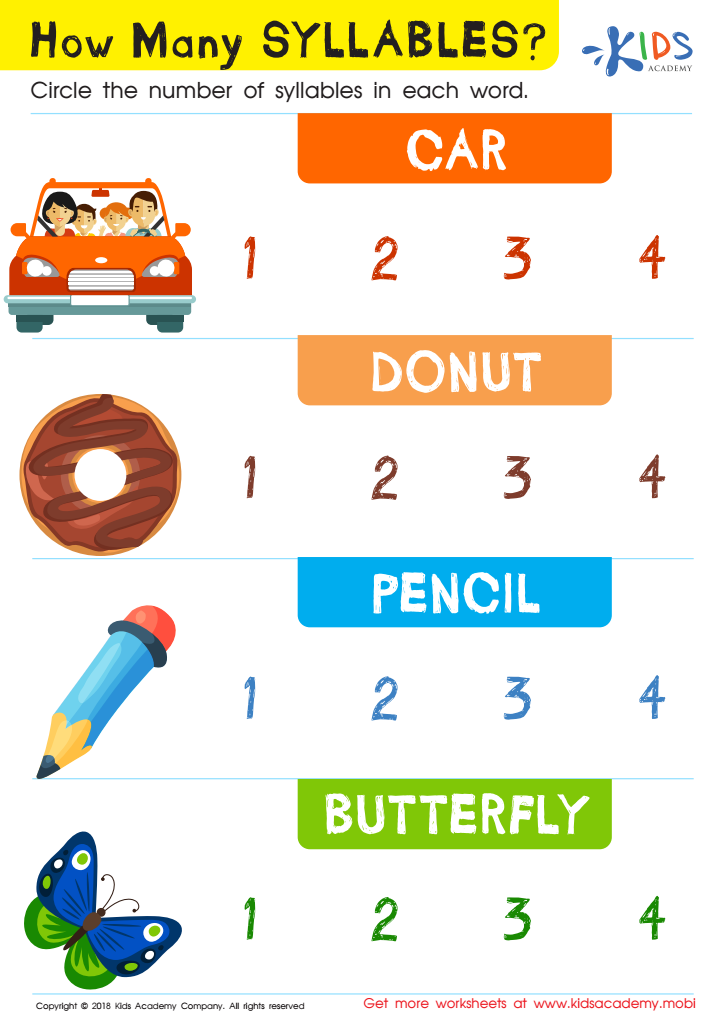
How Many Syllables? Worksheet
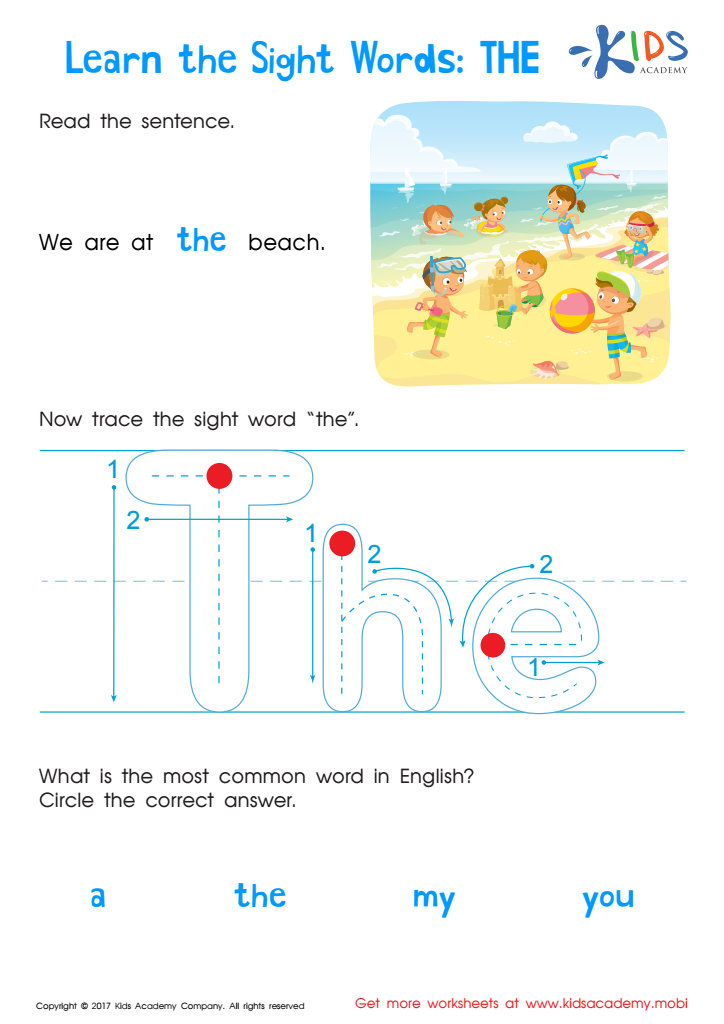
Sight Words: The Worksheet
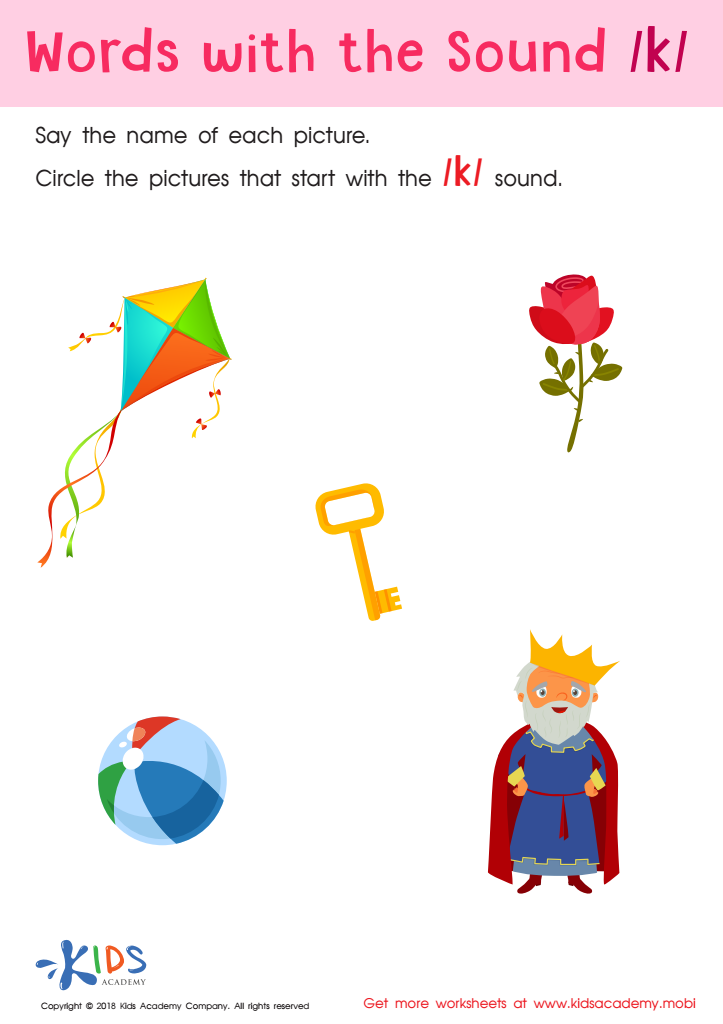
Words with sound k Reading Worksheet






Parents and teachers should prioritize vocabulary enhancement through phonics in kindergarten for several compelling reasons. First, a robust vocabulary is foundational for literacy development. Children who have a wide range of words at their disposal, gained through effective phonics instruction, can better decode words and, subsequently, comprehend what they read. Phonics teaches kids the relationship between letters and sounds, making it easier for them to sound out unfamiliar words and improve their reading skills.
Additionally, supporting vocabulary development fosters communication skills. Enhanced vocabulary allows young learners to express their thoughts, ask questions, and engage in conversations with peers and adults more effectively. This interaction contributes to their overall social and emotional growth.
Moreover, vocabulary enhancement supports critical thinking. When children can articulate their ideas and understand a wider array of terms, they can engage in more complex thought processes. Lastly, vocabulary knowledge has long-term academic implications, often predicting later reading and writing success.
Investing time and resources into vocabulary enhancement through phonics nurtures confident readers, thinkers, and communicators. By prioritizing these skills from an early age, educators and families lay the groundwork for lifelong literacy and learning.