Alphabet Recognition Normal Kindergarten Upper & Lowercase Letters Worksheets
19 filtered results
-
From - To
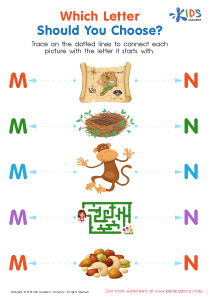
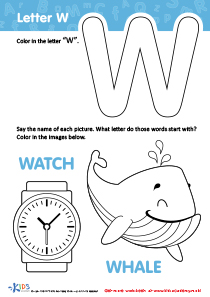
Boost your child's alphabet mastery with our "Alphabet Recognition Normal Kindergarten Upper & Lowercase Letters Worksheets." Perfectly designed for young learners, these engaging worksheets facilitate recognition of both uppercase and lowercase letters. Tailored for kindergarten level, they support foundational reading skills, enhance letter identification, and promote handwriting ease. With vivid illustrations and playful exercises, children will joyfully practice their ABCs while developing critical early literacy skills. Equip your little learner for academic success by making alphabet learning fun, interactive, and effective. Discover the perfect blend of education and enjoyment with our printable worksheets today!
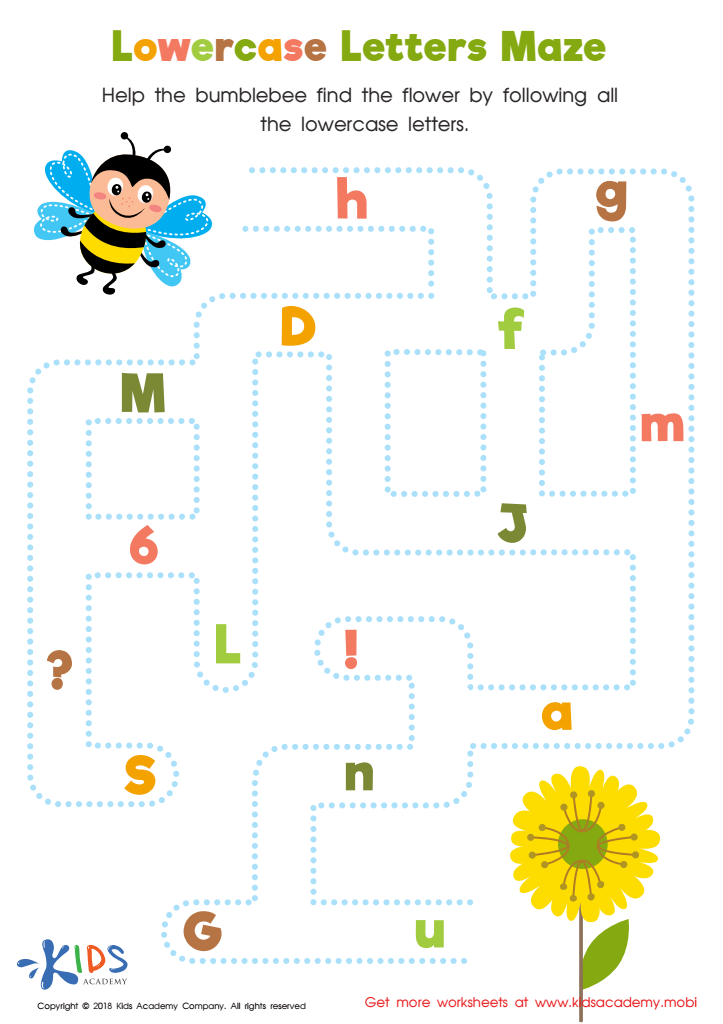
Lowercase Letters Maze Worksheet
 Assign to My Students


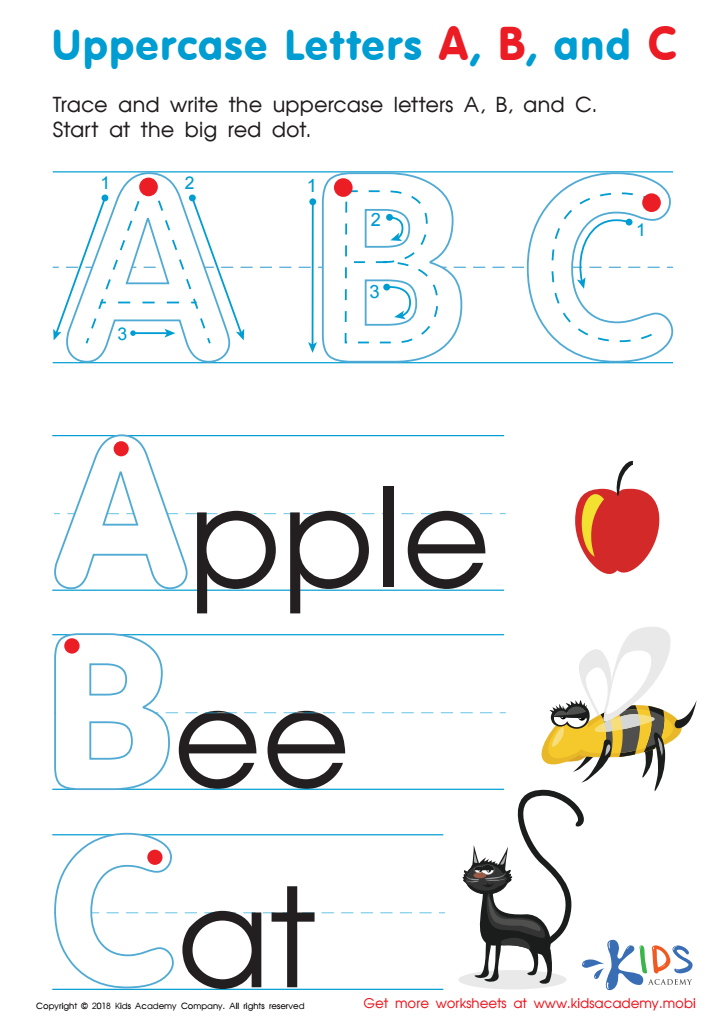
Uppercase Letters A, B, and C Worksheet
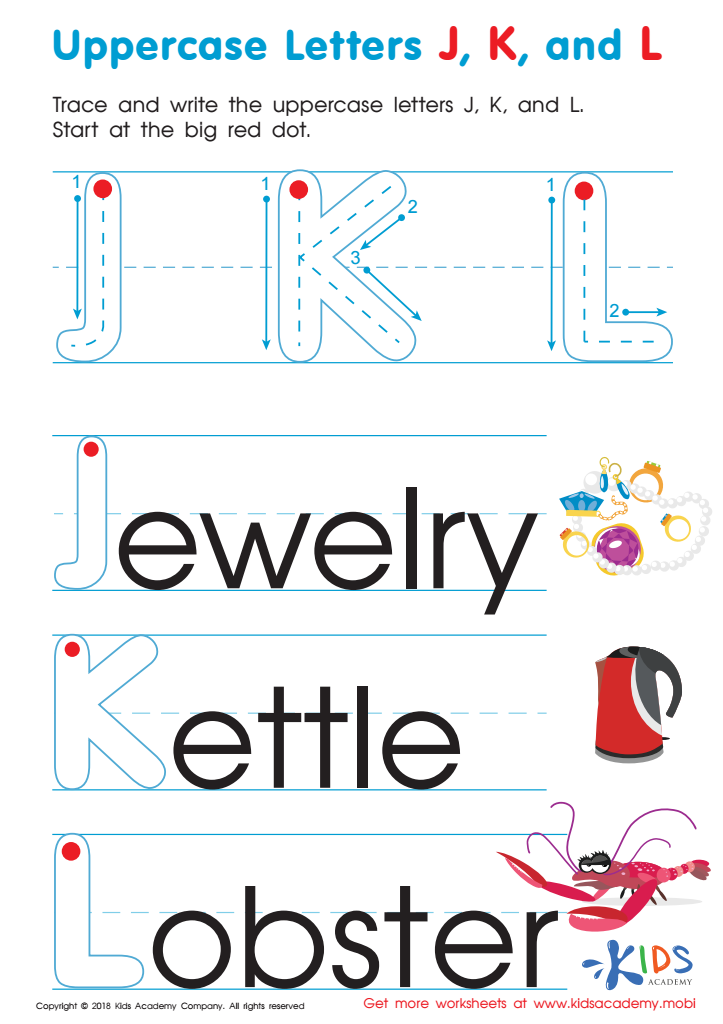
Uppercase Letters J, K, and L Worksheet
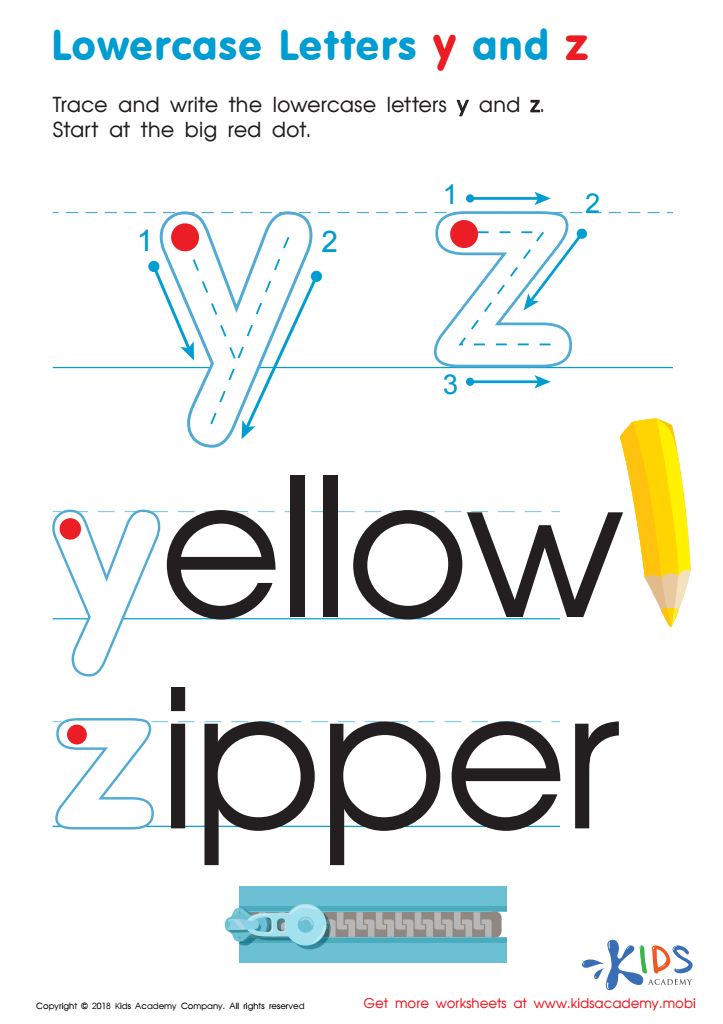
Lowercase Letters y z Worksheet
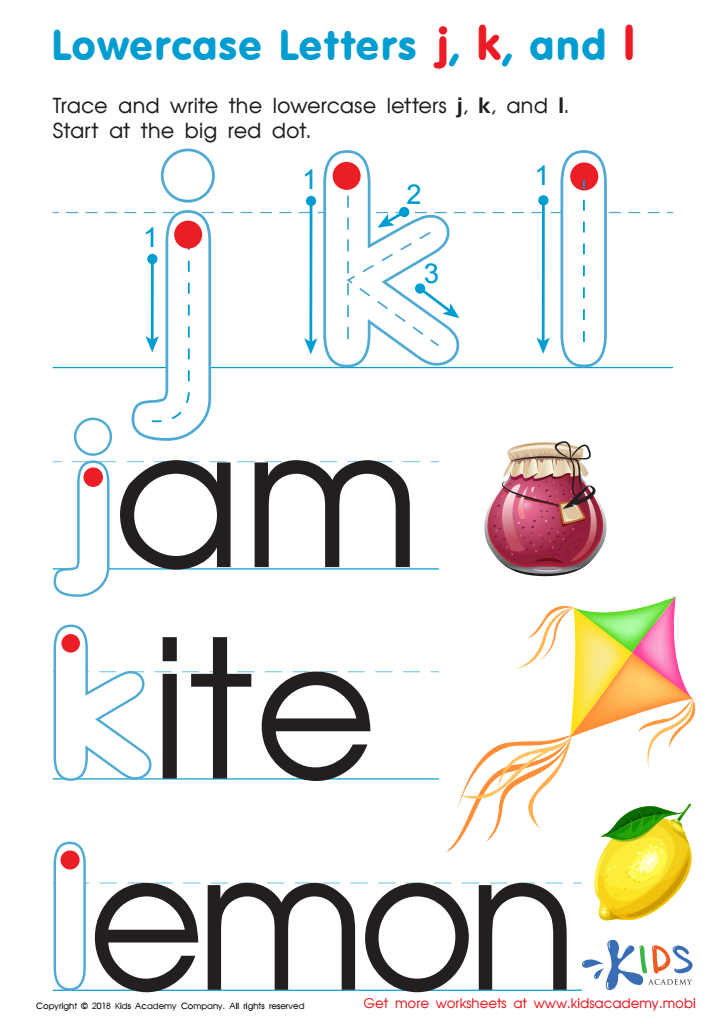
Lowercase Letters j k l Worksheet
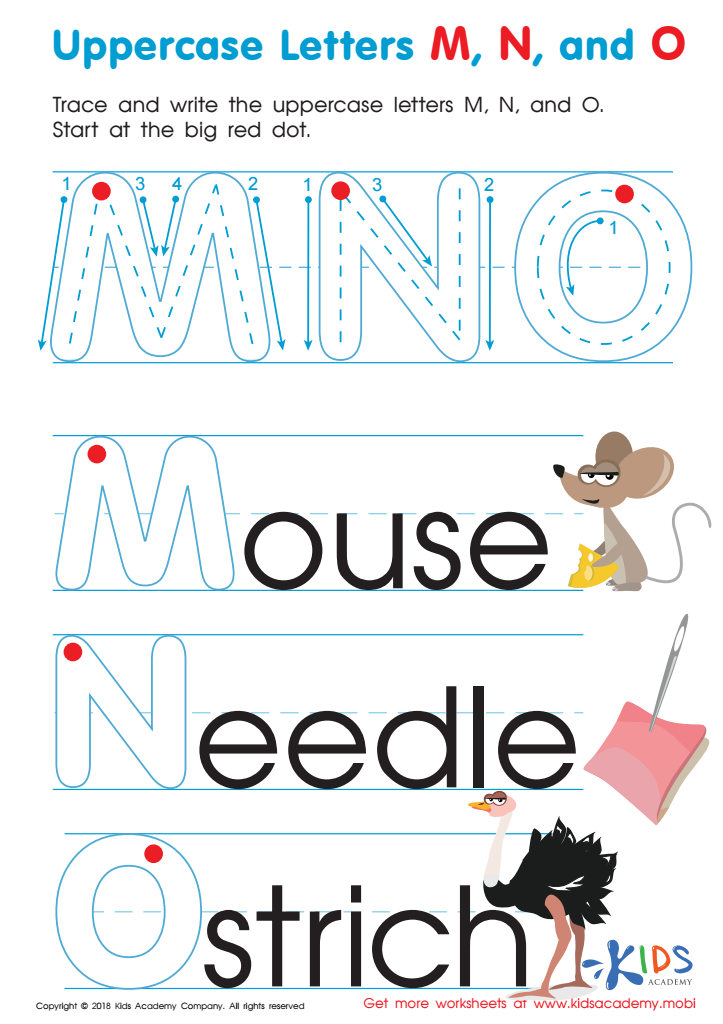
Uppercase Letters M, N, and O Worksheet
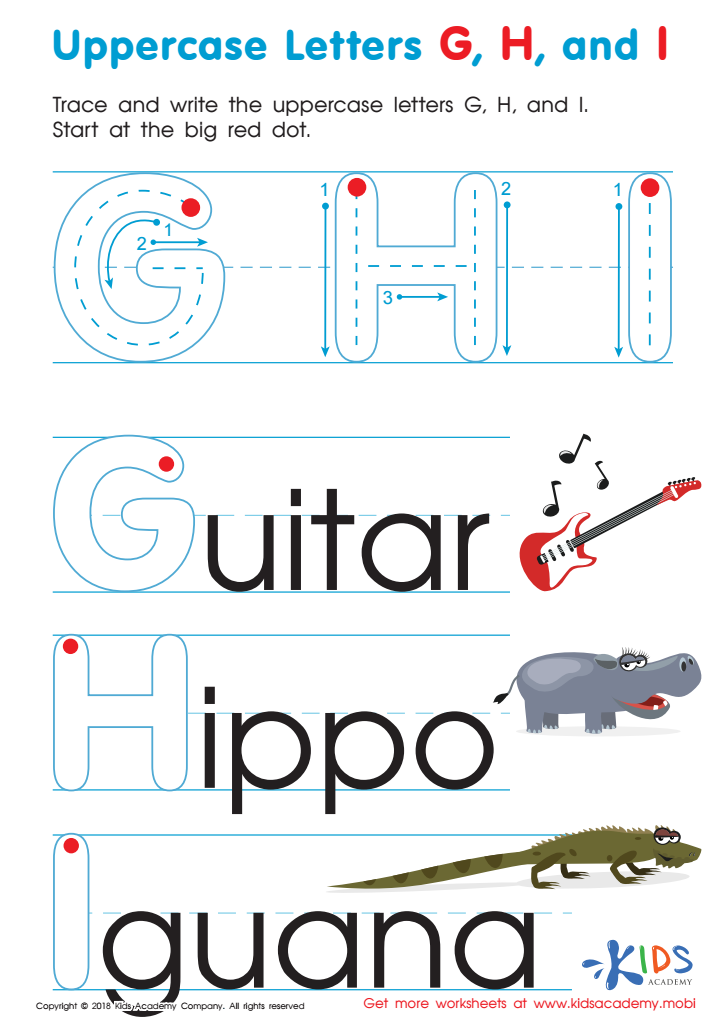
Uppercase Letters G, H, and I Worksheet
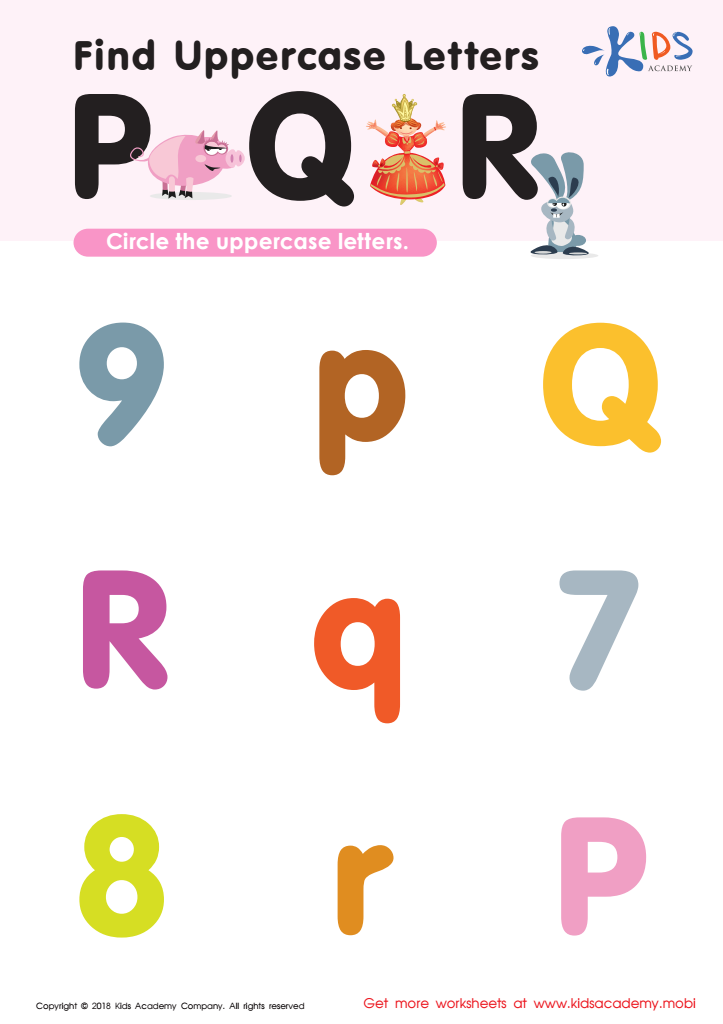
Find Uppercase Letters P, Q, and R Worksheet
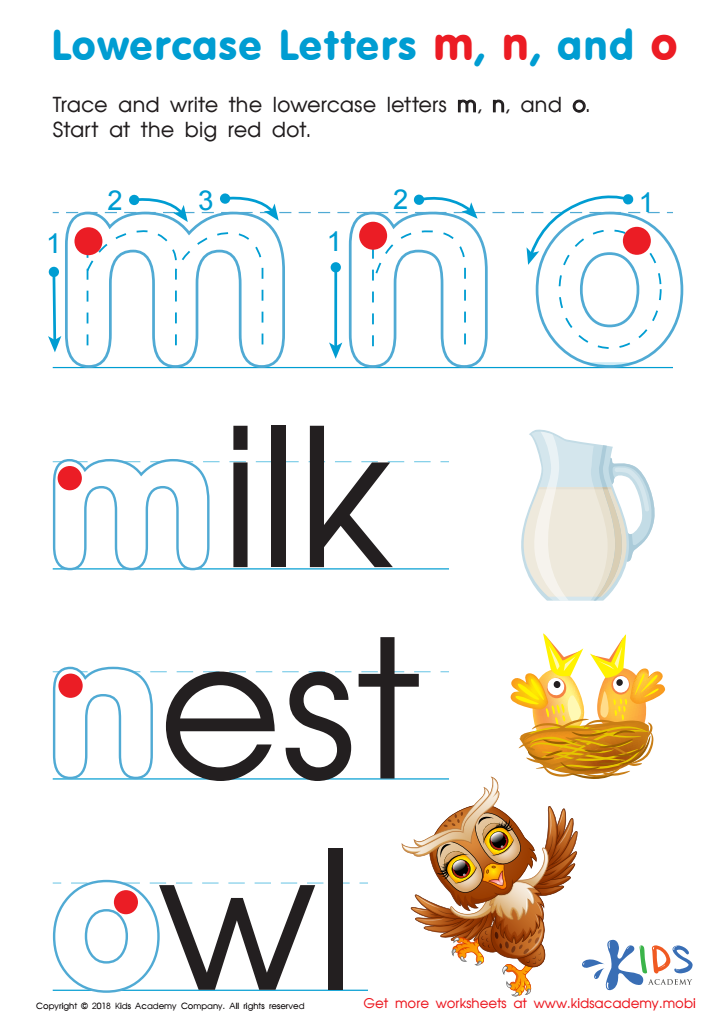
Lowercase Letters m n o Worksheet
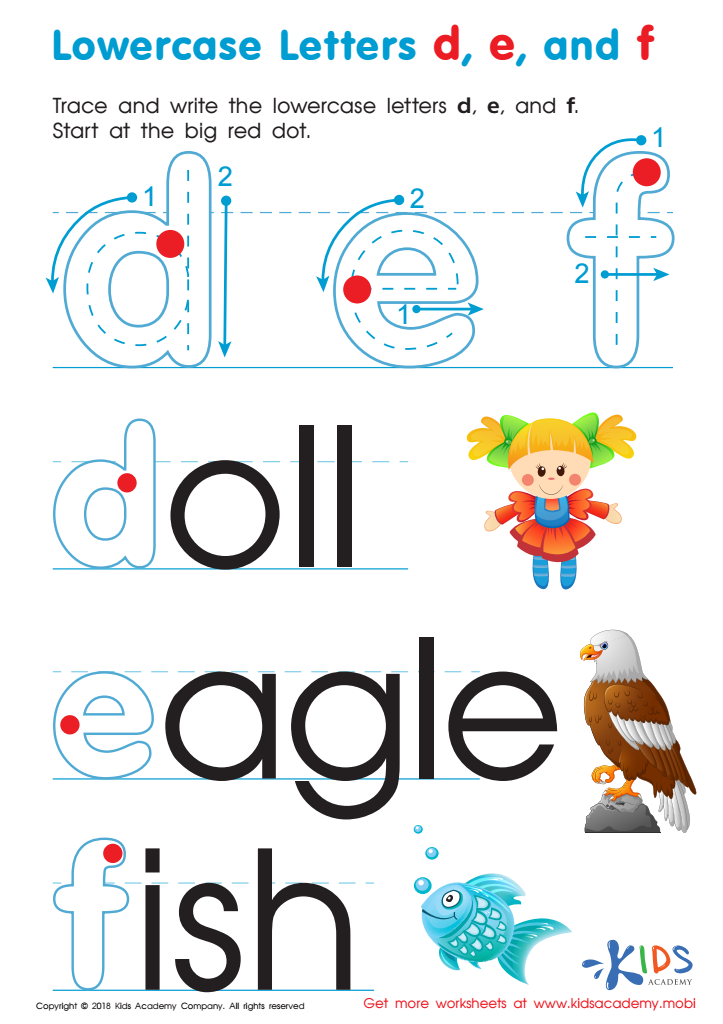
Lowercase Letters d e f Worksheet
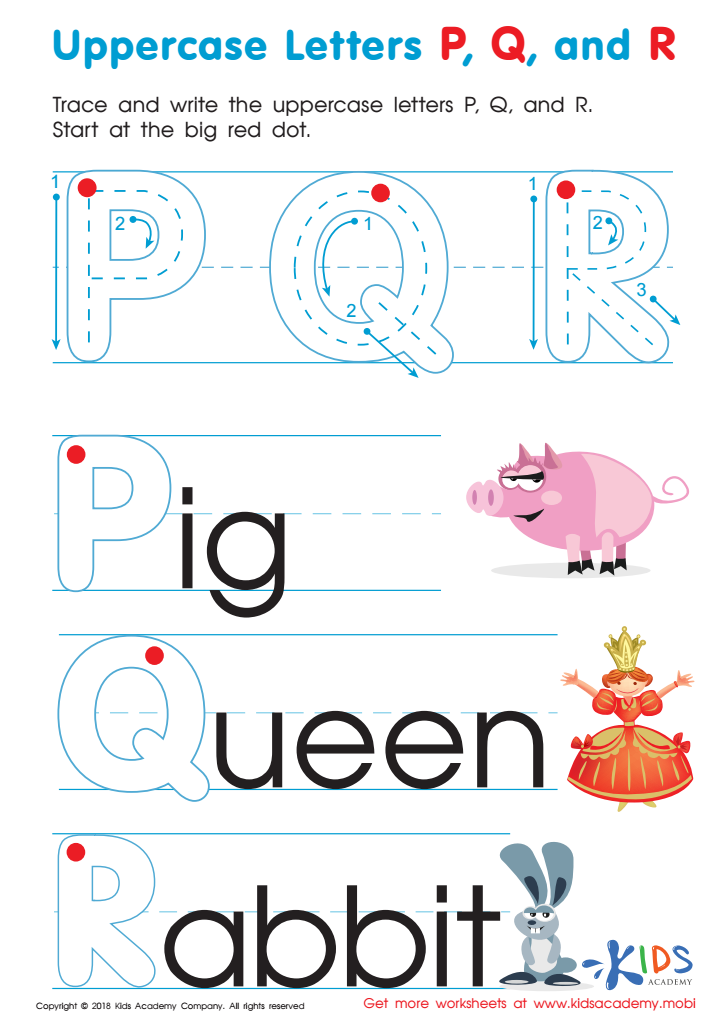
Uppercase Letters P, Q, and R Worksheet
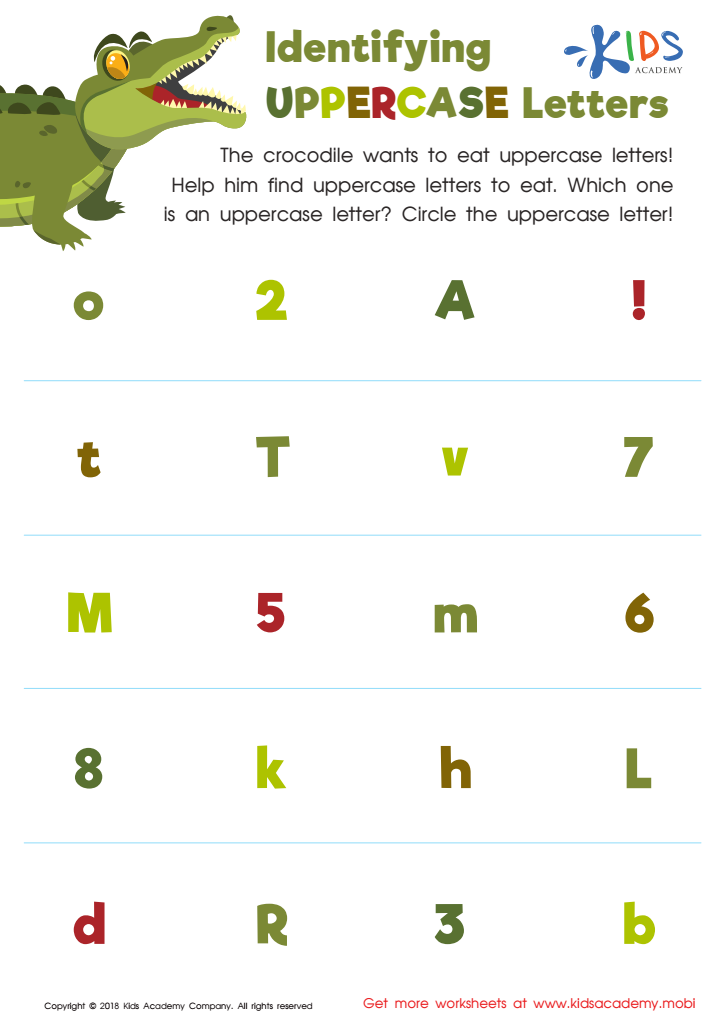
Identifying Uppercase Letters Worksheet
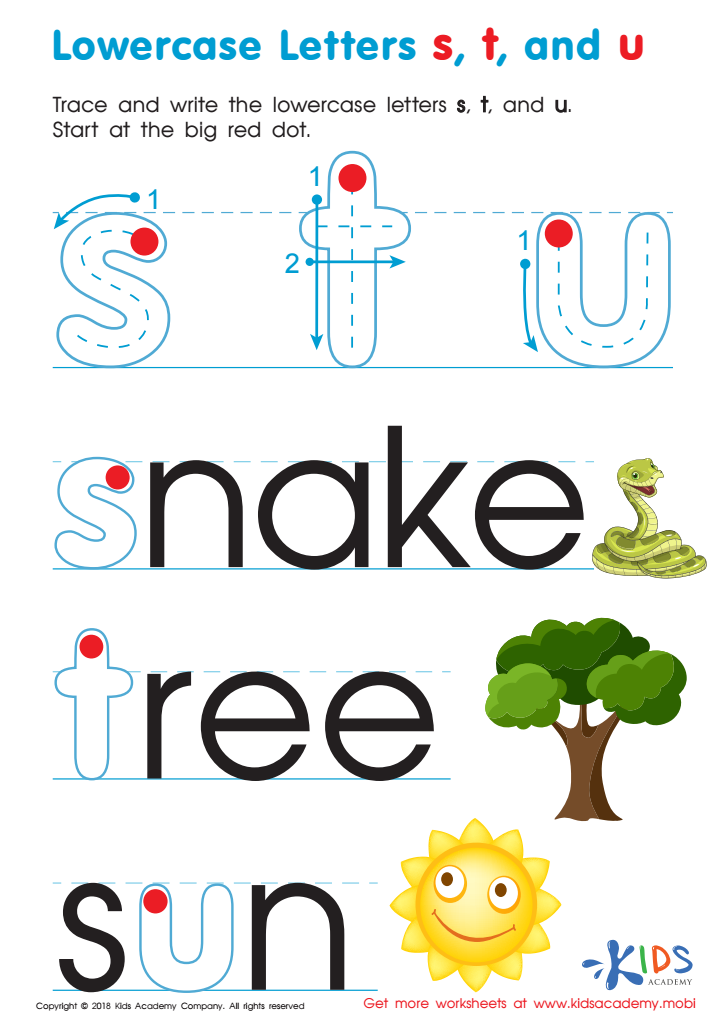
Lowercase Letters s t u Worksheet
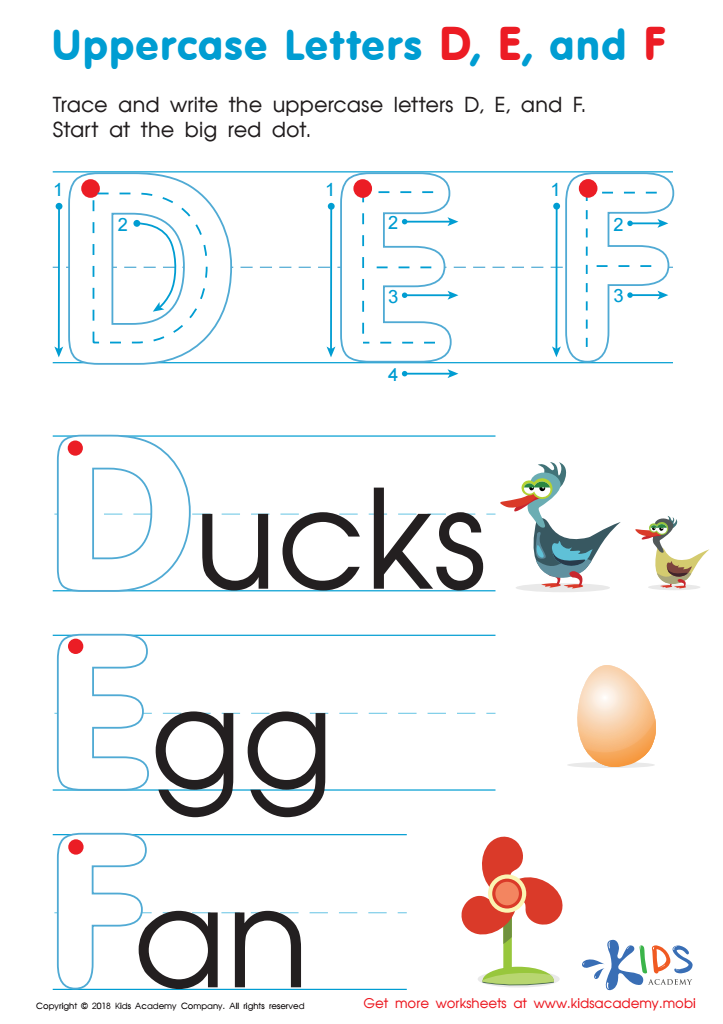
Uppercase Letters D, E, and F Worksheet
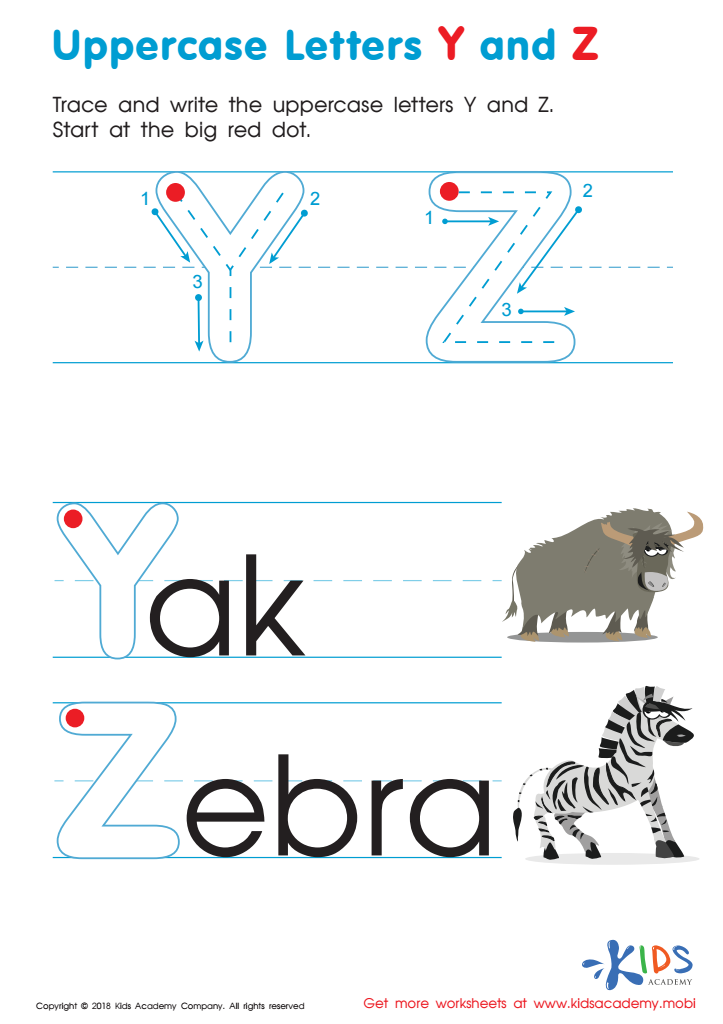
Uppercase Letters Y Z Worksheet
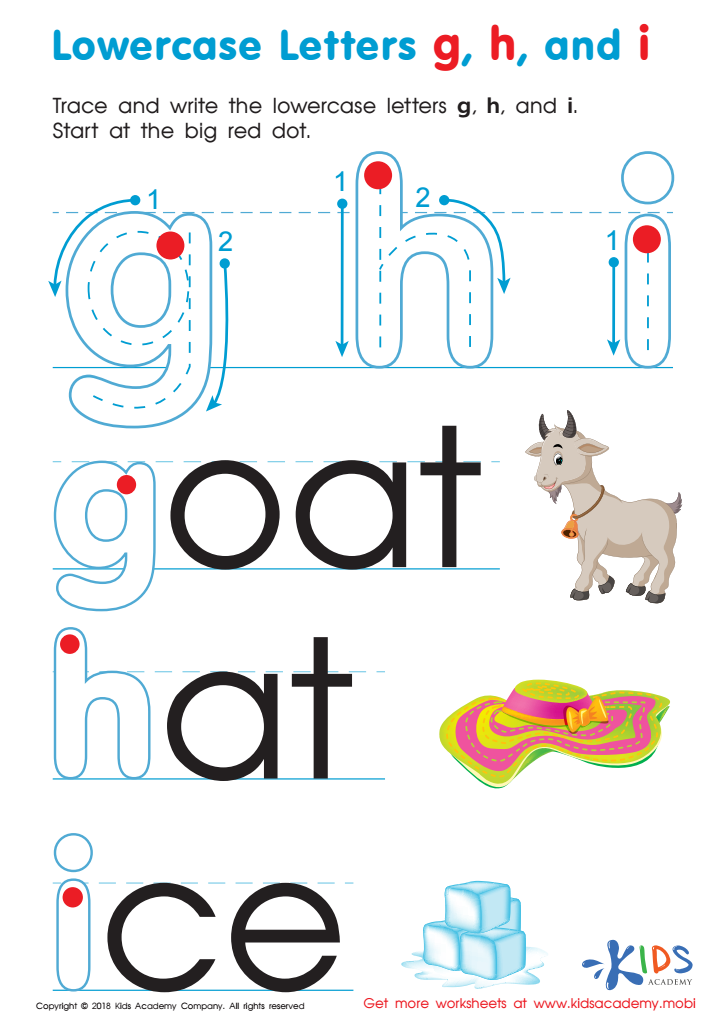
Lowercase Letters g h i Worksheet
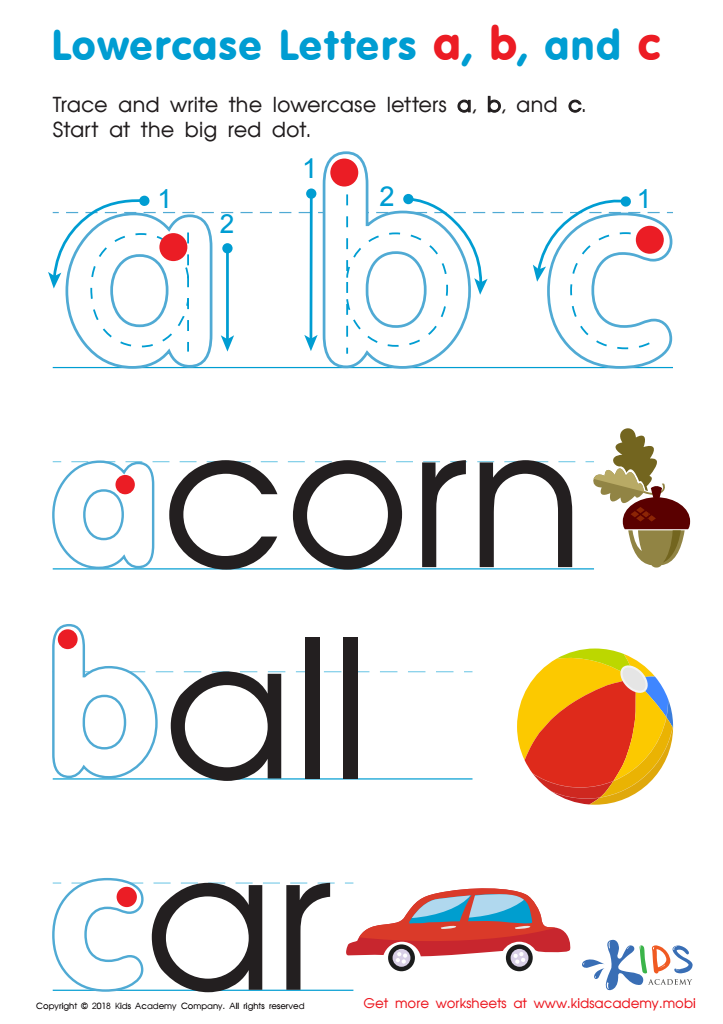
Lowercase Letters a b c Worksheet
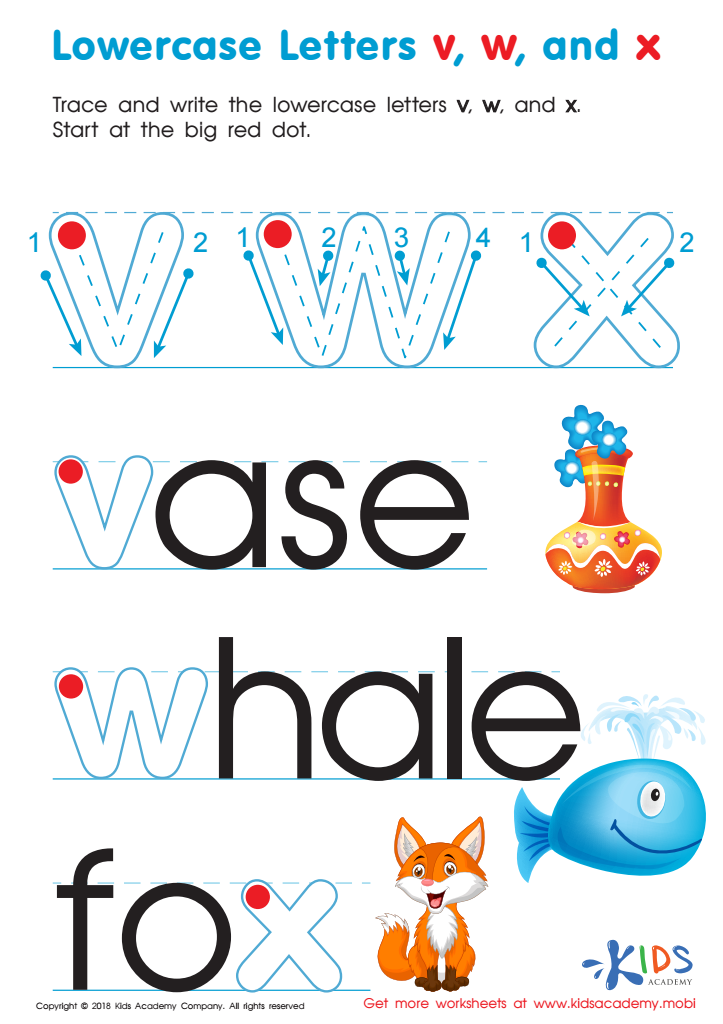
Lowercase Letters v w x Worksheet
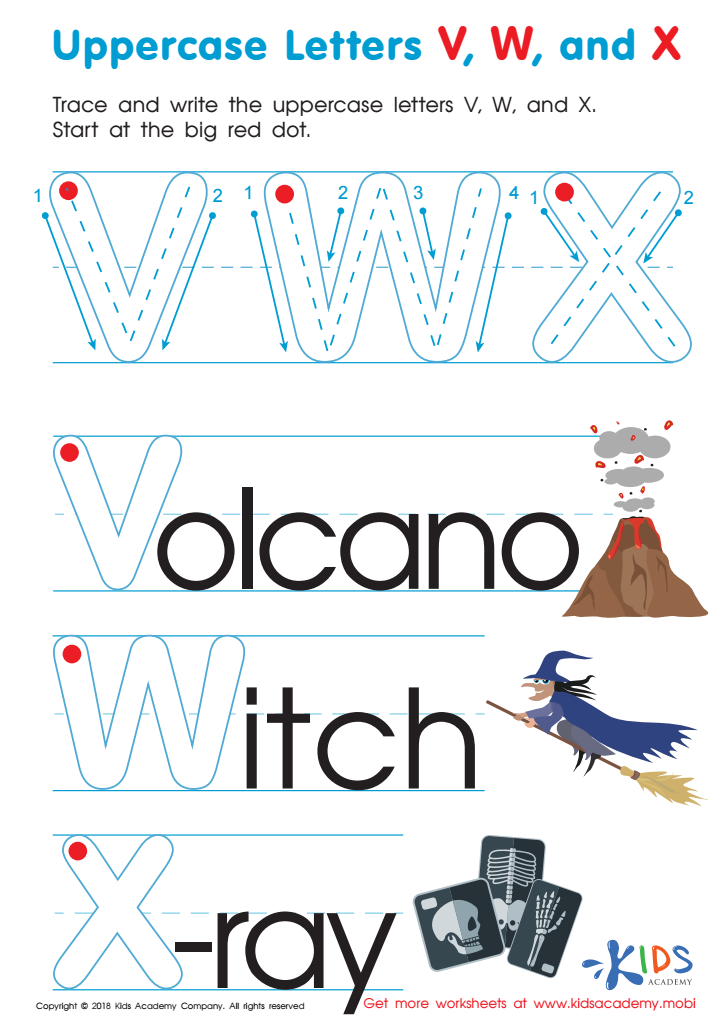
Uppercase Letters V, W, and X Worksheet





Alphabet recognition is a fundamental skill in early childhood education that forms the basis for future reading and writing proficiency. Understanding both uppercase and lowercase letters equips children with the ability to read and comprehend printed text, as these forms are used throughout books, signs, and digital screens. Recognizing the alphabet enhances phonemic awareness—children start associating letters with sounds, which is a crucial step in decoding words. This early literacy is predictive of later academic success since most subjects require reading skills.
For parents and teachers, prioritizing this skill ensures that children develop confidence in their abilities. It fosters children's independence, as they can begin to recognize their names, simple words, and even follow basic written instructions. Moreover, alphabet recognition activities make learning dynamic and engage young minds through songs, games, and hands-on manipulatives, making education a holistic experience.
Understanding both uppercase and lowercase letters adds another layer of learning. Uppercase letters are often simpler and serve as the introductory step, while lowercase forms, which are more prevalent in text, follow closely. This comprehensive approach boosts children's fluency and prepares them for the complexities of written language, giving them a strong start on their educational journey.