Handwriting practice Normal Kindergarten Upper & Lowercase Letters Worksheets
16 filtered results
-
From - To
Enhance your child's handwriting skills with our engaging Normal Kindergarten Upper & Lowercase Letters Worksheets. Designed specifically for young learners, these worksheets provide a fun and interactive way for children to practice writing both uppercase and lowercase letters. Each worksheet features easy-to-follow lines and dotted letters that guide kids in forming each character correctly, promoting fine motor skills and letter recognition. With a variety of activities, from tracing to independent writing exercises, our resources cater to different learning styles. Ideal for classroom use or homework, these worksheets will help your child gain confidence and improve their handwriting proficiency in an enjoyable way.
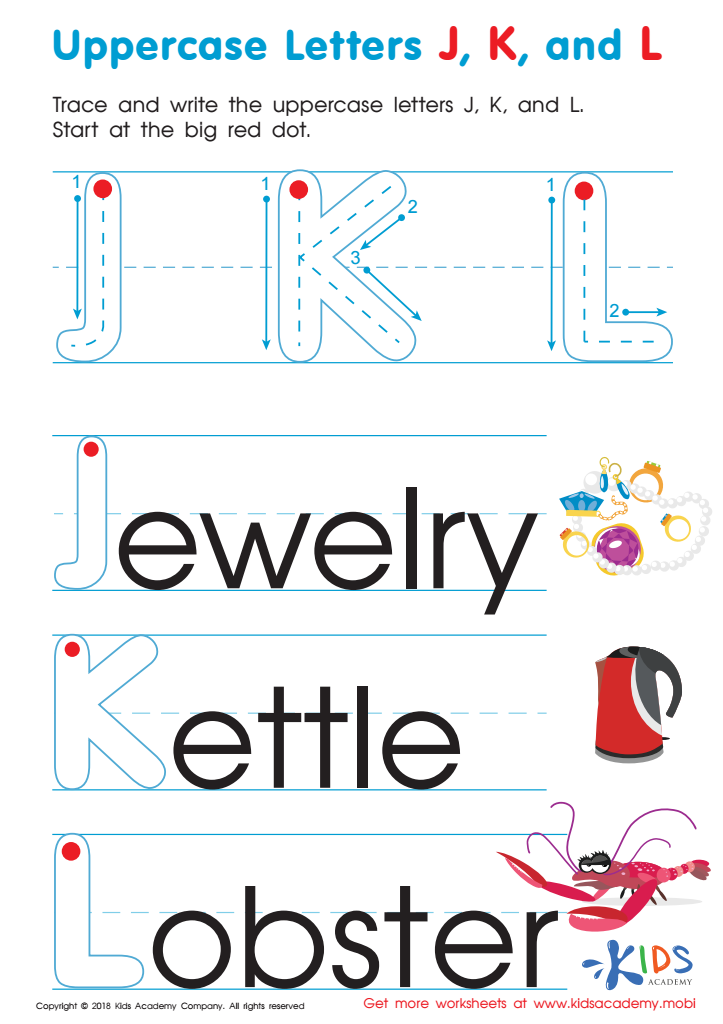
Uppercase Letters J, K, and L Worksheet
 Assign to My Students
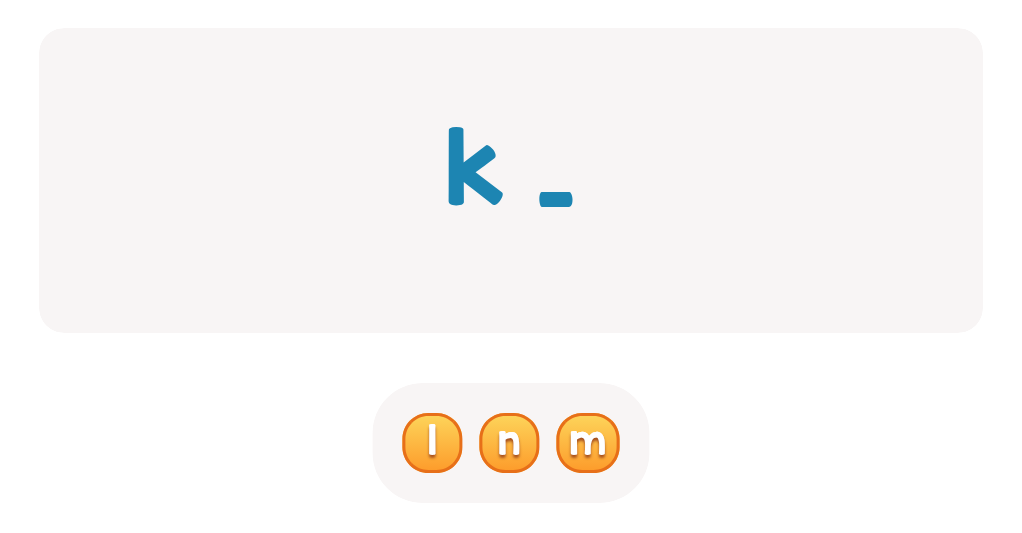


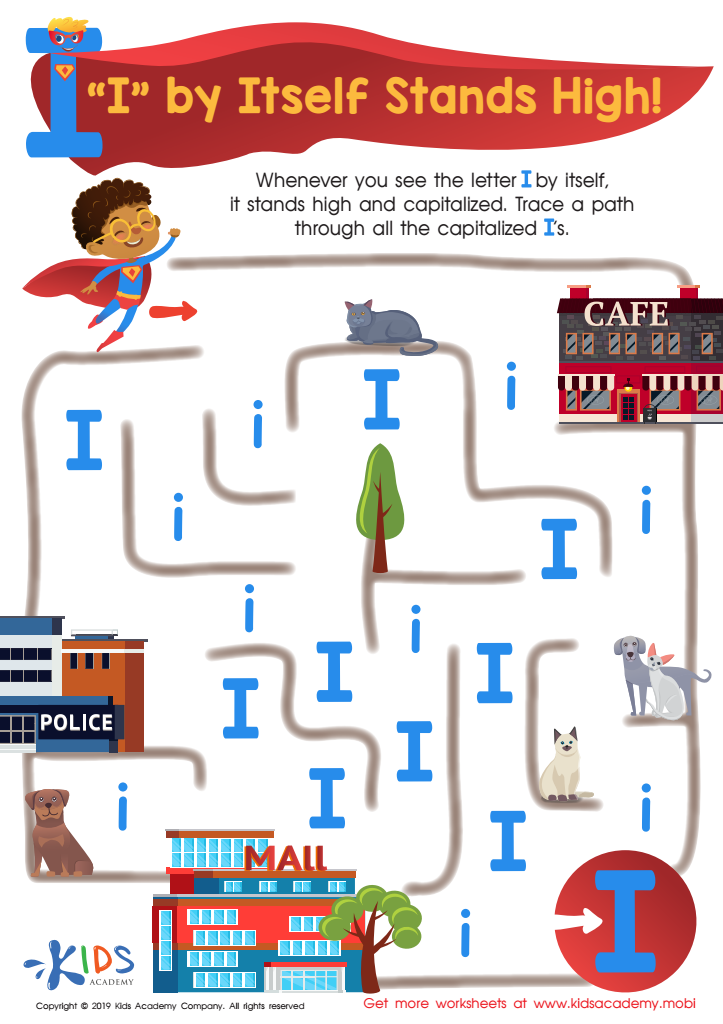
I Stands High Worksheet
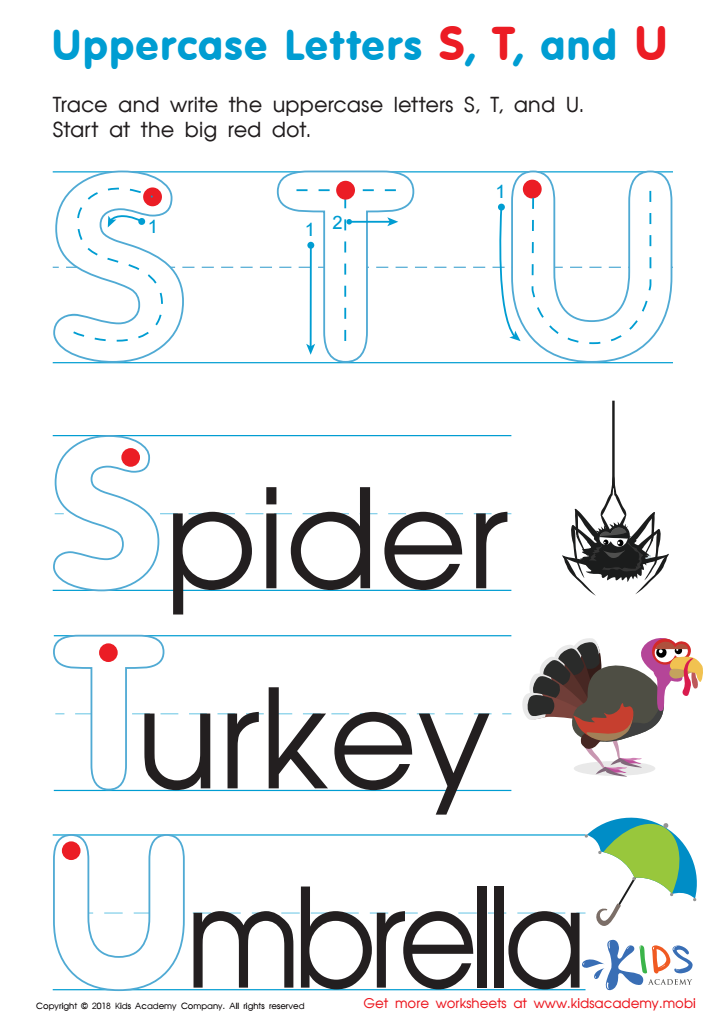
Uppercase Letters S, T, and U Worksheet
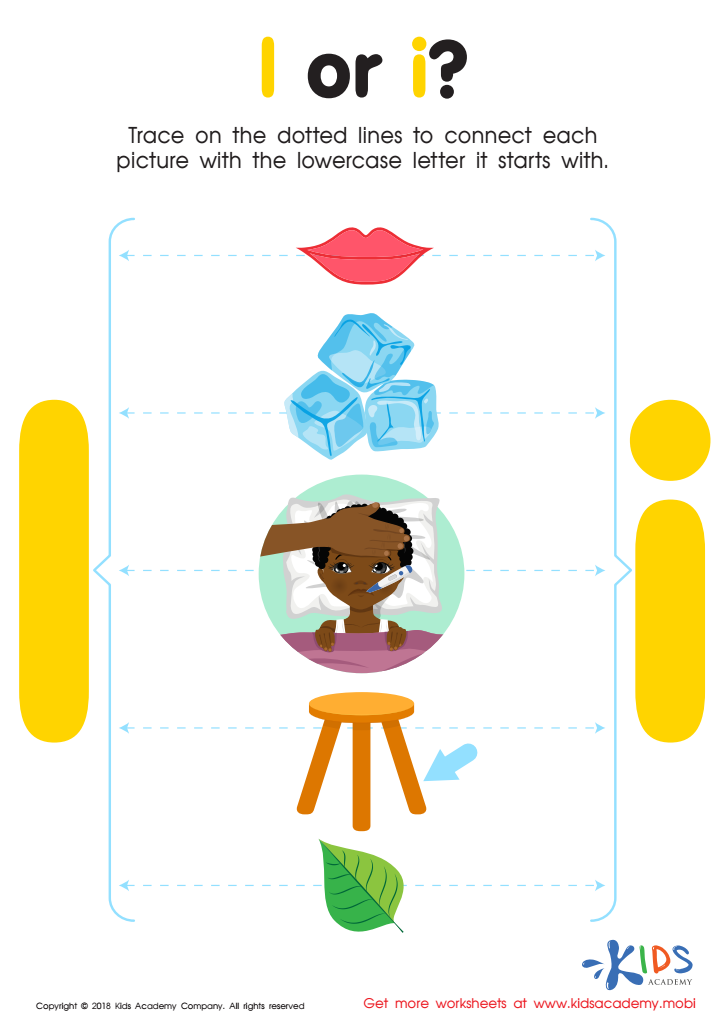
l or i? Worksheet
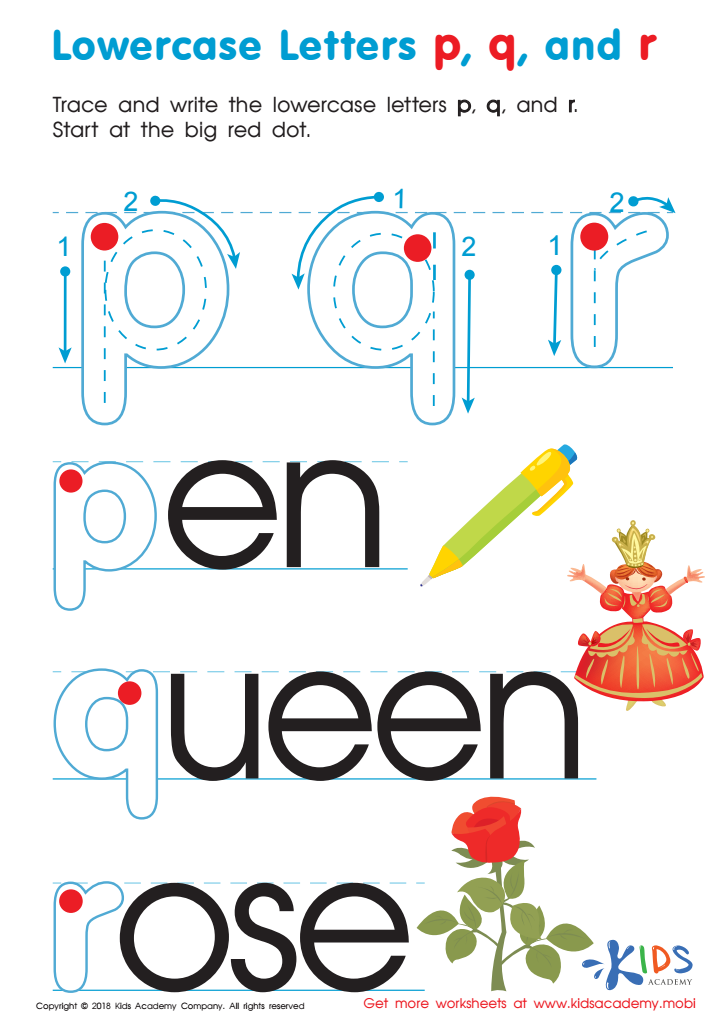
Lowercase Letters p q r Worksheet
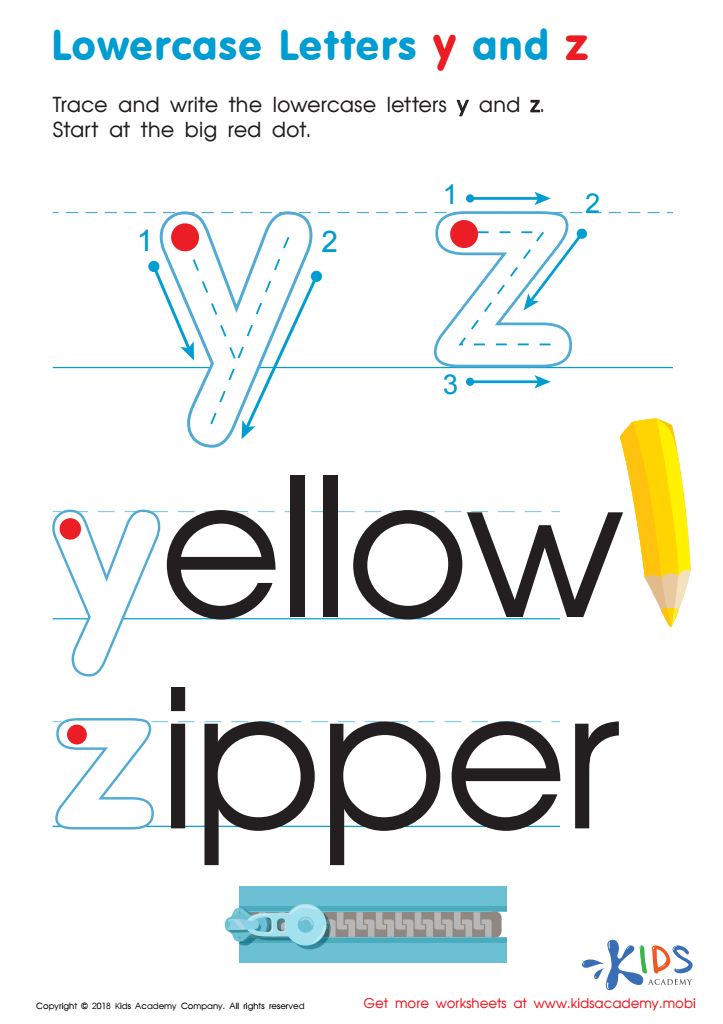
Lowercase Letters y z Worksheet
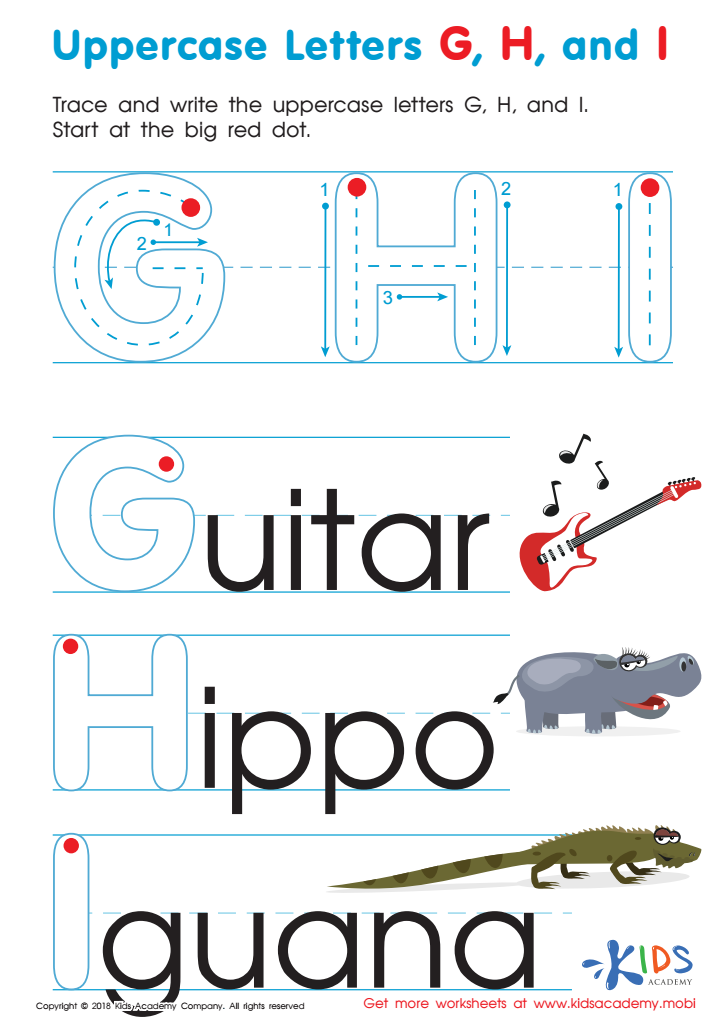
Uppercase Letters G, H, and I Worksheet
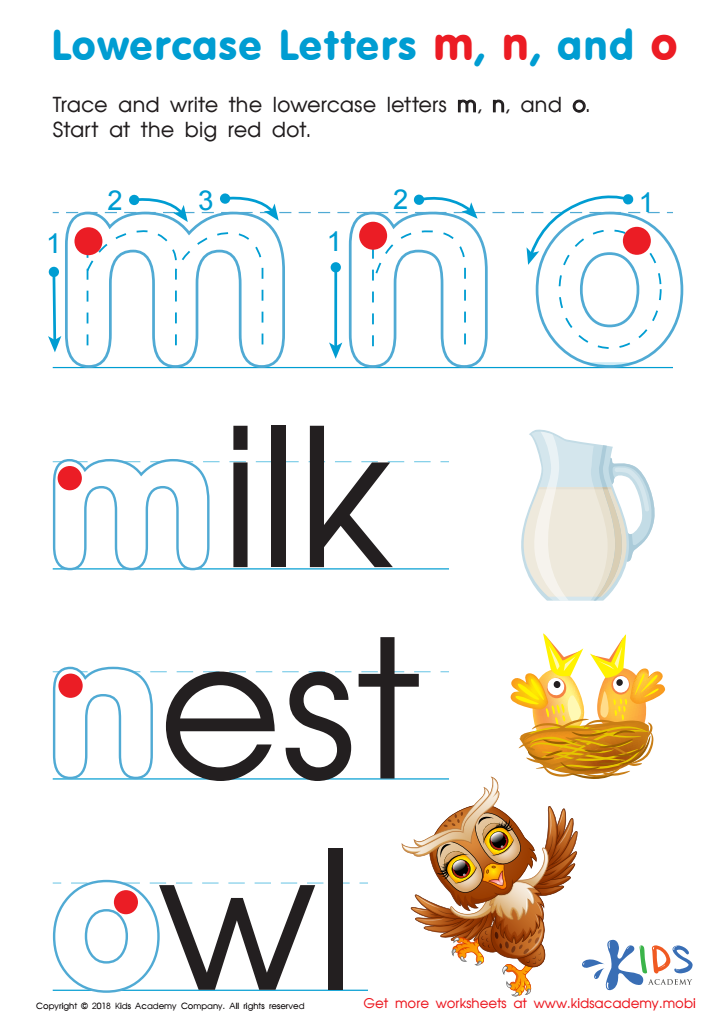
Lowercase Letters m n o Worksheet
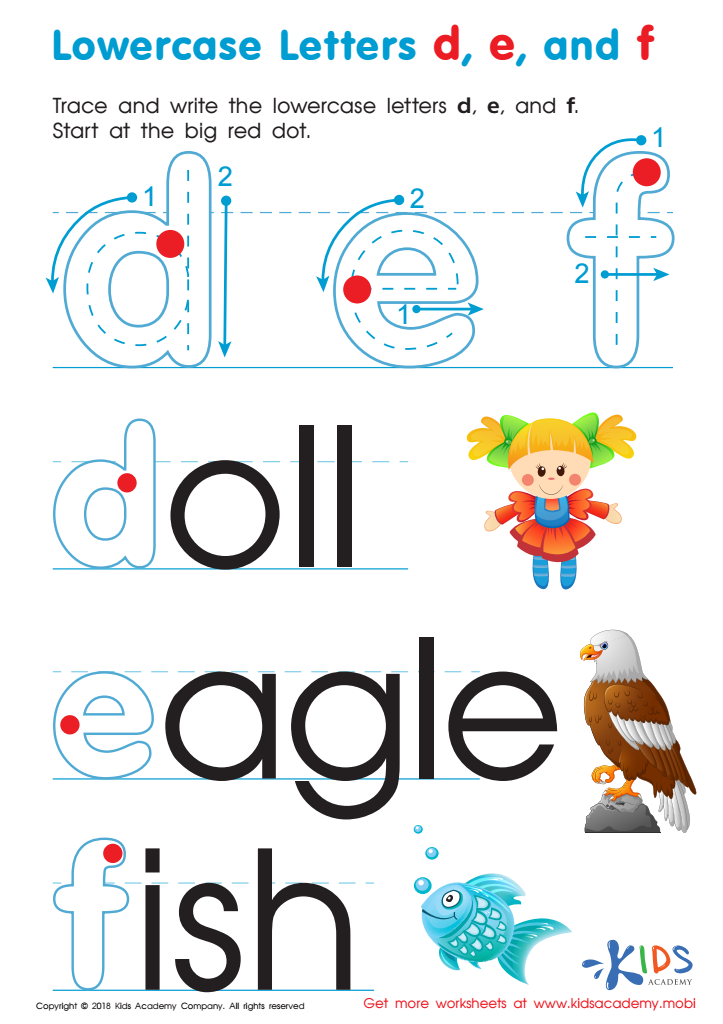
Lowercase Letters d e f Worksheet
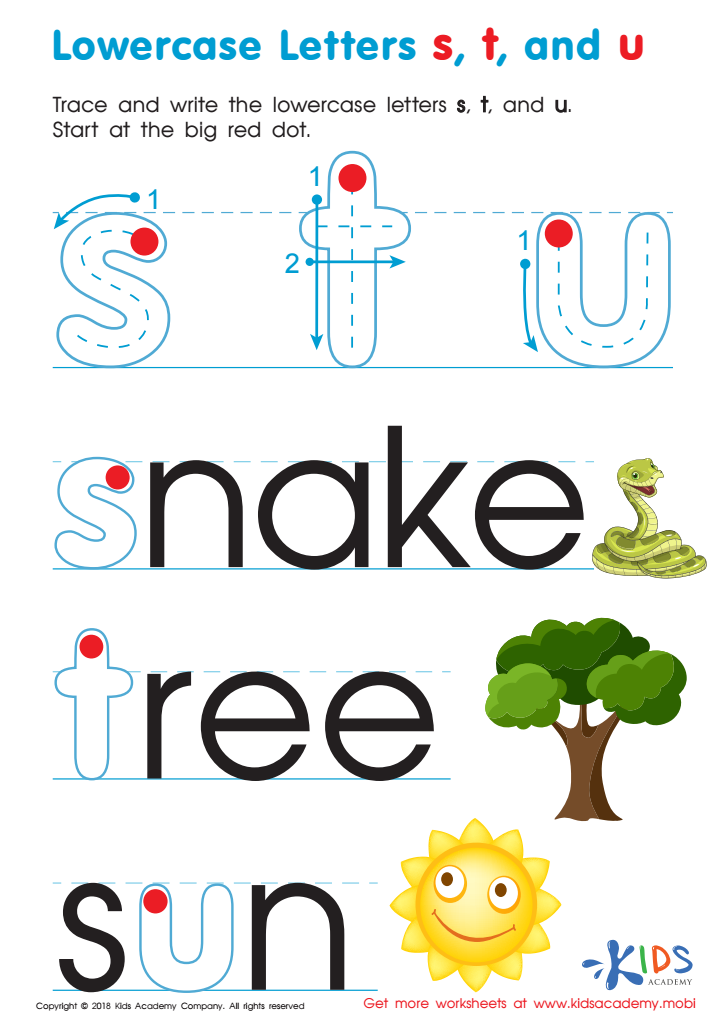
Lowercase Letters s t u Worksheet
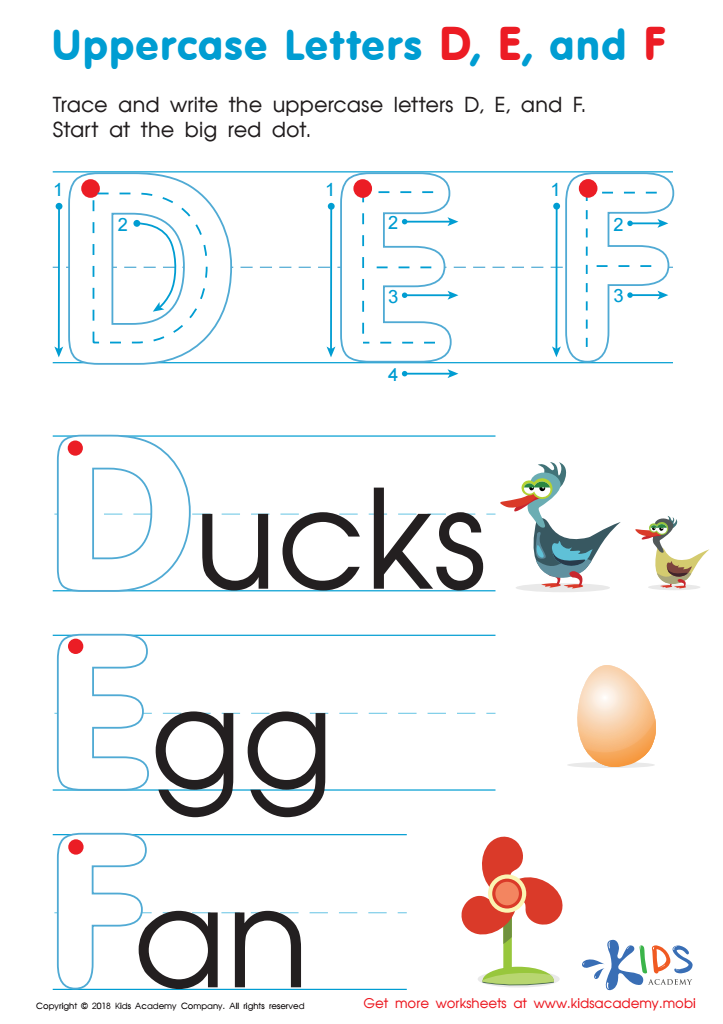
Uppercase Letters D, E, and F Worksheet

Uppercase Letters Y Z Worksheet
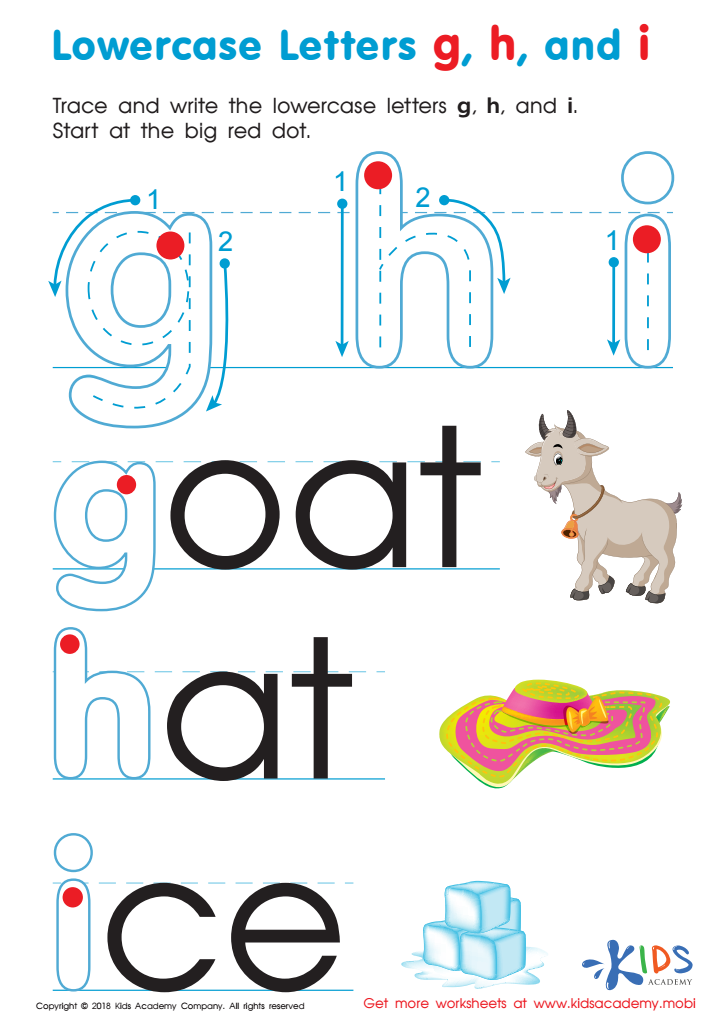
Lowercase Letters g h i Worksheet
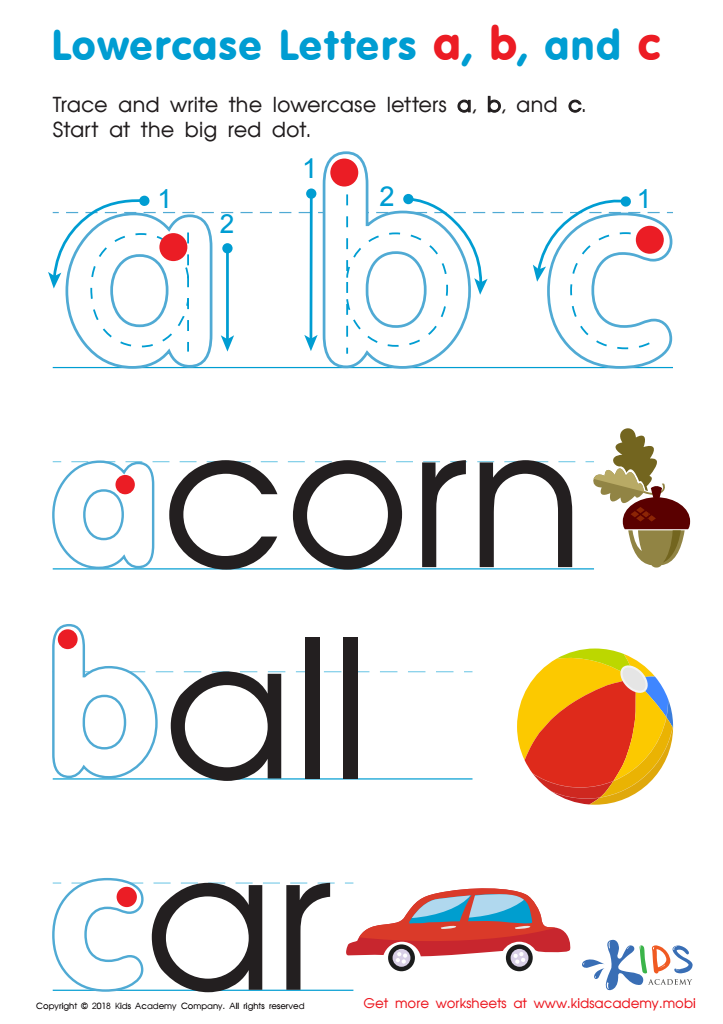
Lowercase Letters a b c Worksheet
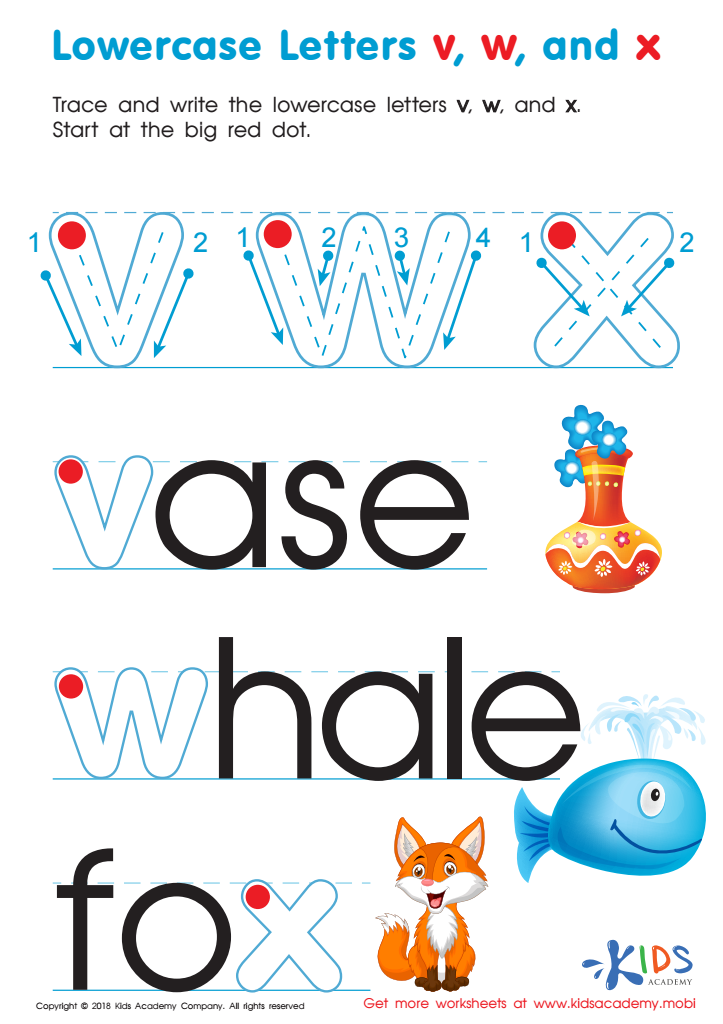
Lowercase Letters v w x Worksheet
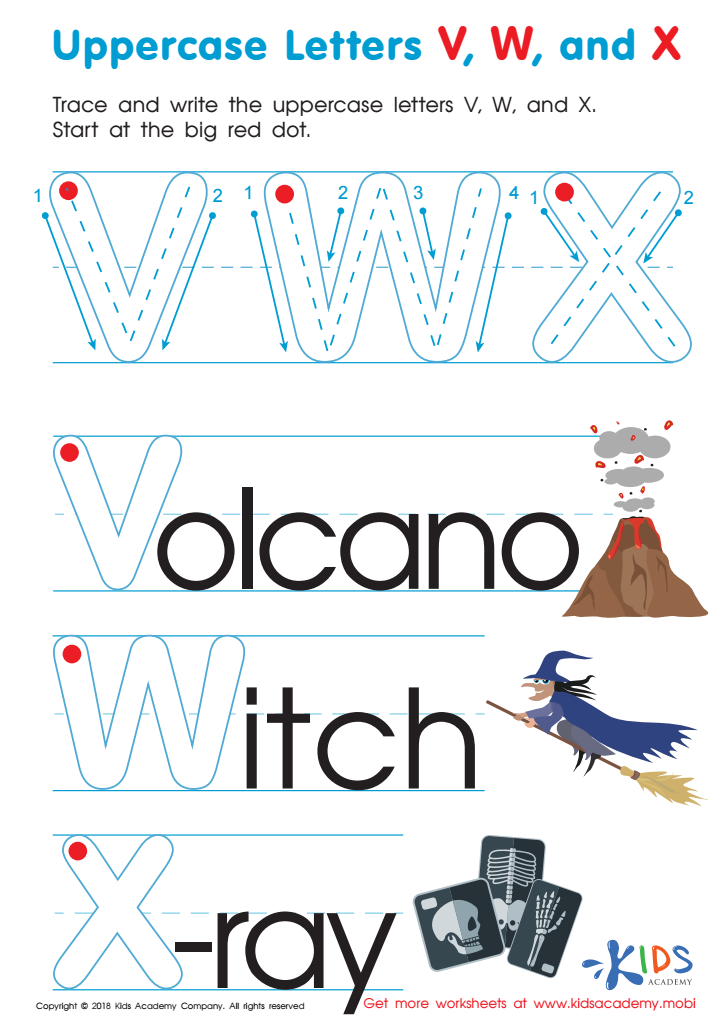
Uppercase Letters V, W, and X Worksheet





Handwriting practice in kindergarten, focusing on both uppercase and lowercase letters, is crucial for early childhood development. Firstly, it builds fine motor skills, which are essential for children as they learn to control writing instruments. Improved dexterity supports not only handwriting but also other tasks like using scissors or buttoning up clothes.
Secondly, mastering handwriting fosters literacy development. When children engage in writing letters, they begin to understand letter formation, which helps in developing phonemic awareness and decoding skills essential for reading. Familiarity with letter shapes aids recognition, reinforcing the connection between spoken and written language.
Moreover, handwriting practice boosts cognitive development by encouraging focus and perseverance. As children learn to form each letter correctly, they cultivate patience and a sense of accomplishment. This helps to enhance their self-esteem and confidence in their abilities.
Finally, handwriting also encourages creativity and self-expression. The act of shaping letters can be viewed as an art form, allowing children to explore their individuality. Overall, practicing uppercase and lowercase letters plays a significant role in a child’s academic journey, social-emotional growth, and self-confidence, making it a vital activity for both parents and educators to prioritize.