Critical Thinking Normal Kindergarten Worksheets - Page 2
27 filtered results
-
From - To
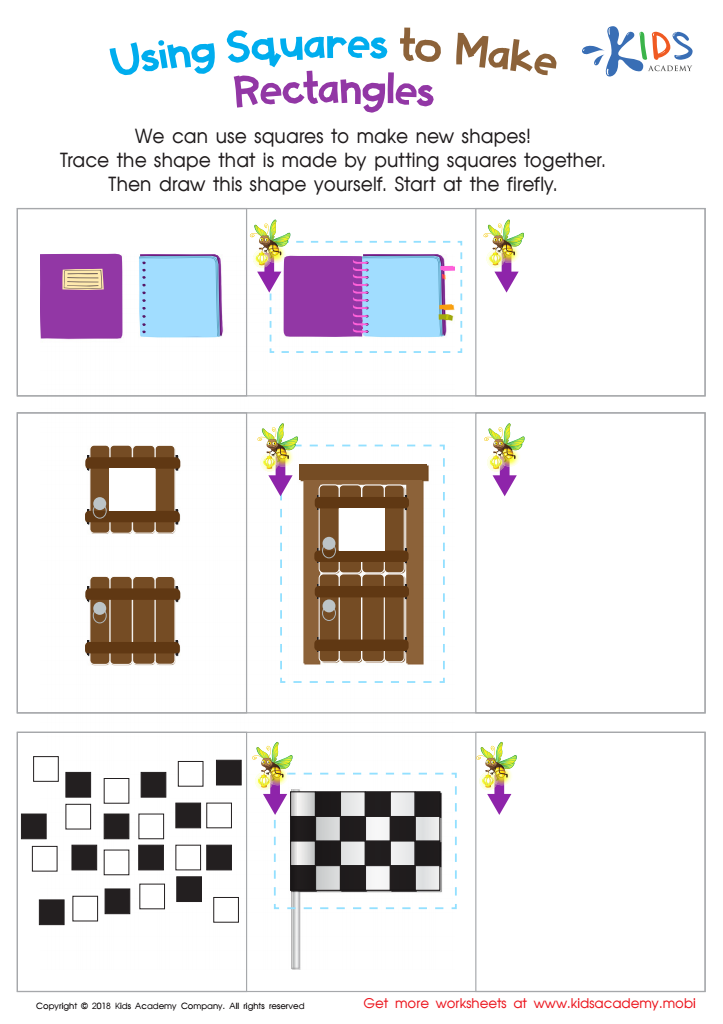
Using Squares to Make Rectangles Worksheet
 Assign to My Students
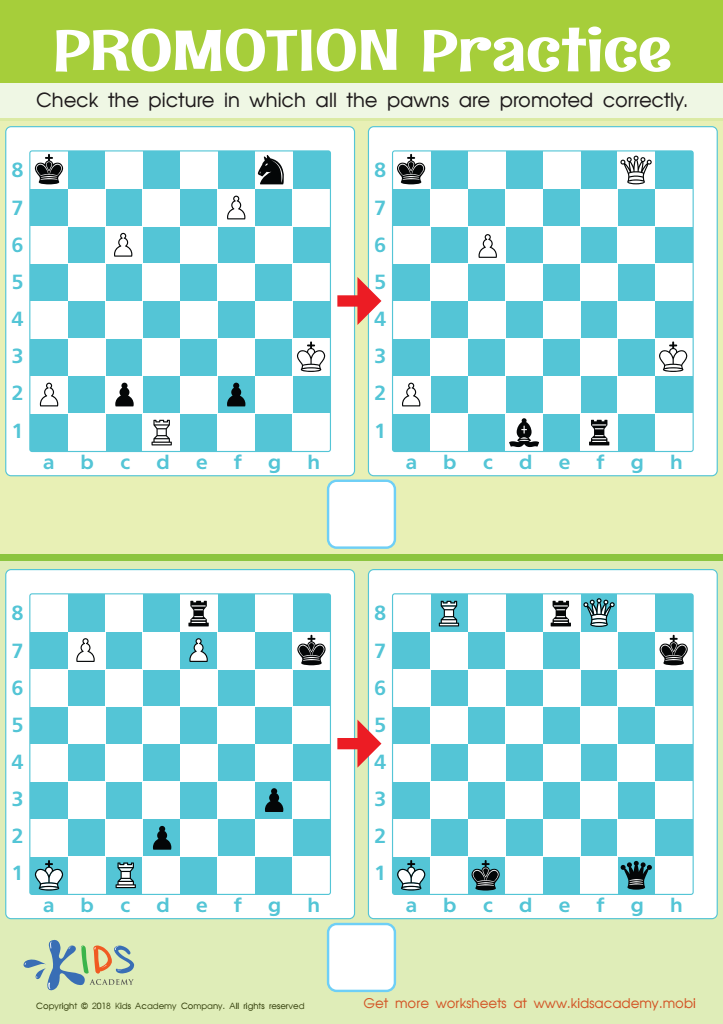
Promotion Practice Worksheet
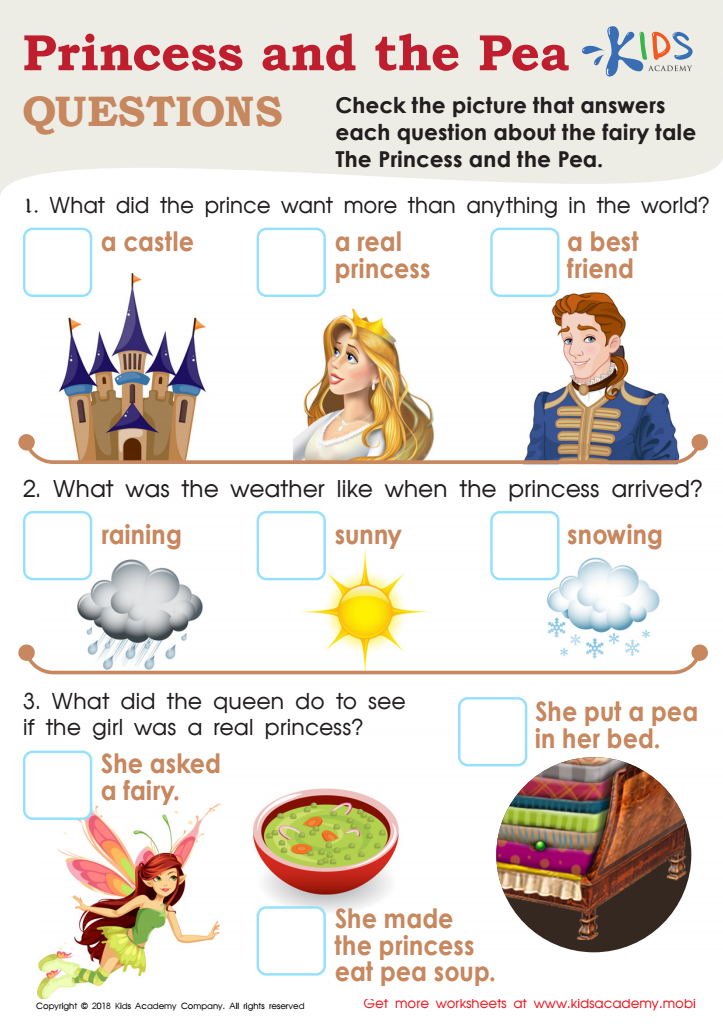
Princess and the Pea Questions Worksheet


.jpg)



.jpg)
Critical thinking is a vital skill that sets the foundation for lifelong learning, making it essential for parents and teachers to prioritize its development in kindergarten. At this early stage, children are naturally curious and eager to explore the world around them. Encouraging critical thinking fosters their ability to analyze situations, ask questions, and solve problems. This cognitive development is crucial as it helps children understand concepts at a deeper level, rather than just memorizing facts.
Parents and teachers are instrumental in creating an environment that stimulates curiosity and exploration. By engaging children in discussions, encouraging them to express their thoughts, and providing opportunities for hands-on learning, they can promote critical thinking skills. Activities like problem-solving games, open-ended questions, and collaborative projects stimulate creativity and communication.
Moreover, critical thinking prepares children for future educational challenges. As they learn to evaluate information critically and think independently, they become more resilient learners. These skills not only enhance academic performance but also foster social and emotional skills, as children learn to work collaboratively and empathically with others. Ultimately, nurturing critical thinking in kindergarten equips children with the essential tools they need to navigate and thrive in an increasingly complex world.