Letter formation Normal Kindergarten Worksheets
4 filtered results
-
From - To
Explore our engaging "Letter Formation Normal Kindergarten Worksheets" designed to help young learners master the art of writing. These printable worksheets emphasize proper letter formation through fun activities tailored for preschoolers and kindergarteners. Each worksheet incorporates various exercises that encourage fine motor skills development, including tracing, coloring, and writing practice. Our resources support early literacy, making learning enjoyable and effective. Perfect for educators and parents alike, these worksheets align with early childhood education standards, ensuring that children build a strong foundation in writing. Dive into a world of creativity and learning with our carefully crafted letter formation materials today!
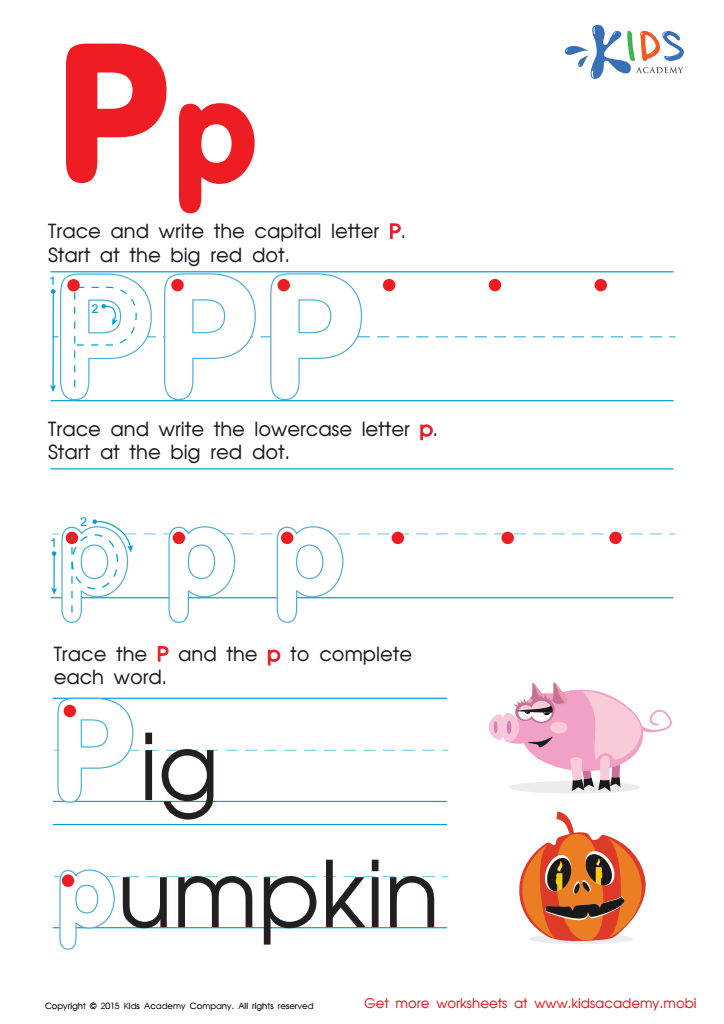
Letter P Tracing Page
 Assign to My Students
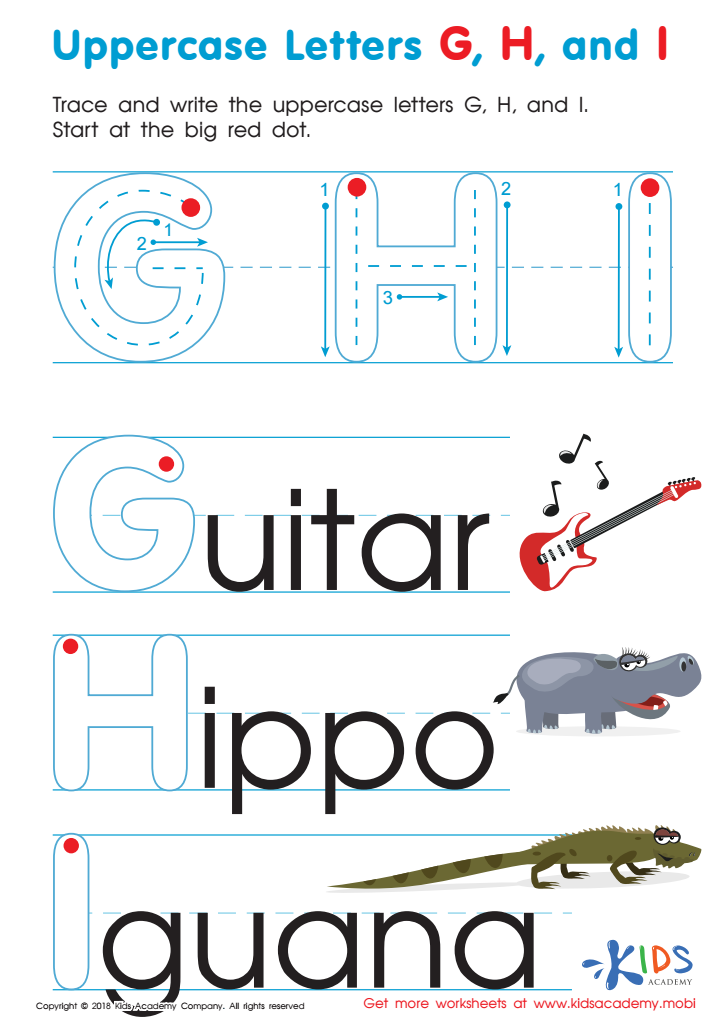
Uppercase Letters G, H, and I Worksheet
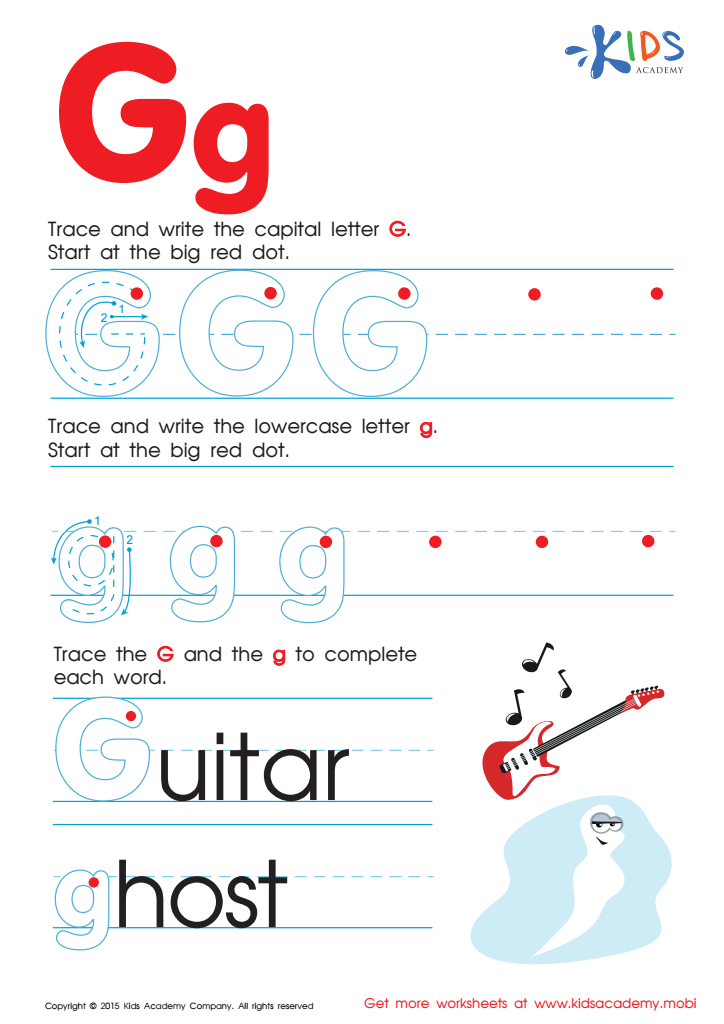
Letter G Tracing Page
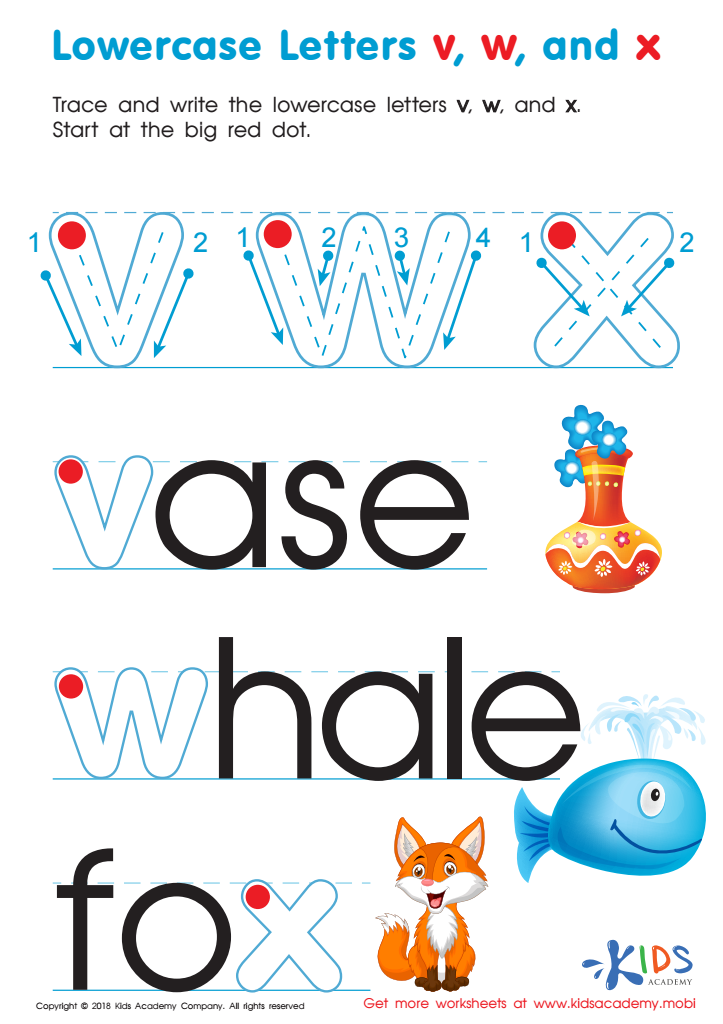
Lowercase Letters v w x Worksheet








Letter formation is a crucial aspect of early literacy development in kindergarten. It lays the groundwork for reading and writing skills, which are foundational to a child's academic success. Proper letter formation helps children recognize letters more easily, aiding in their ability to read words and sentences. When children write letters correctly, they also develop fine motor skills that are vital for other tasks, such as painting, cutting, and even using tools later in life.
Teaching proper letter formation fosters a sense of achievement and confidence in children. When they see their letters clearly and neatly, they take pride in their work, encouraging them to express themselves through writing. This sense of accomplishment is essential in motivating young learners to engage in literacy activities.
Moreover, understanding letter formation can help prevent future writing difficulties, such as dysgraphia, which affects a child's ability to write legibly. By focusing on letter formation in kindergarten, teachers and parents can ensure children develop the necessary skills for successful writing and communication in their academic journey. Investing time and effort in this foundational skill ultimately supports a child's overall learning and development, making it a priority for caregivers and educators alike.