Fine Motor Skills Normal Kindergarten Addition & Subtraction Worksheets
4 filtered results
-
From - To
Enhance your child's learning with our Fine Motor Skills Normal Kindergarten Addition & Subtraction Worksheets! Designed specifically for young learners, these engaging worksheets combine essential math concepts with fun fine motor activities. As children practice addition and subtraction, they’ll improve their hand-eye coordination, dexterity, and grip strength through tracing, coloring, and interactive exercises. Each worksheet features vibrant illustrations to keep kids motivated and excited about learning. Perfect for in-class activities or at-home practice, our resources support early math skills while fostering fine motor development. Download these worksheets today and give your kindergarteners the confidence to master math with fun!
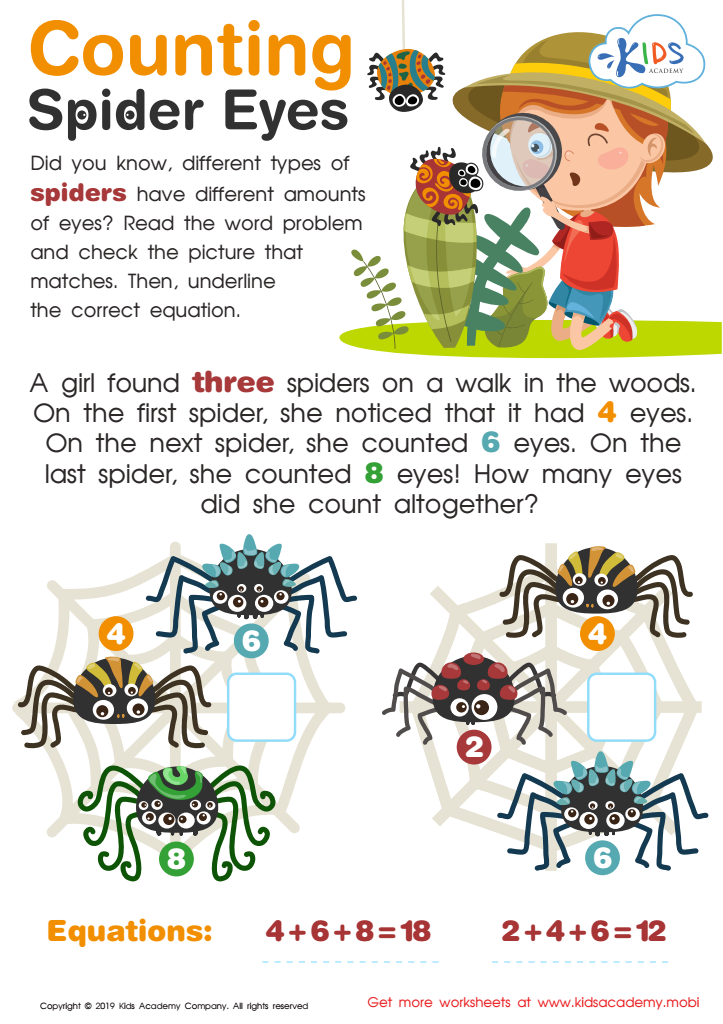
Counting Spider Eyes Worksheet
 Assign to My Students
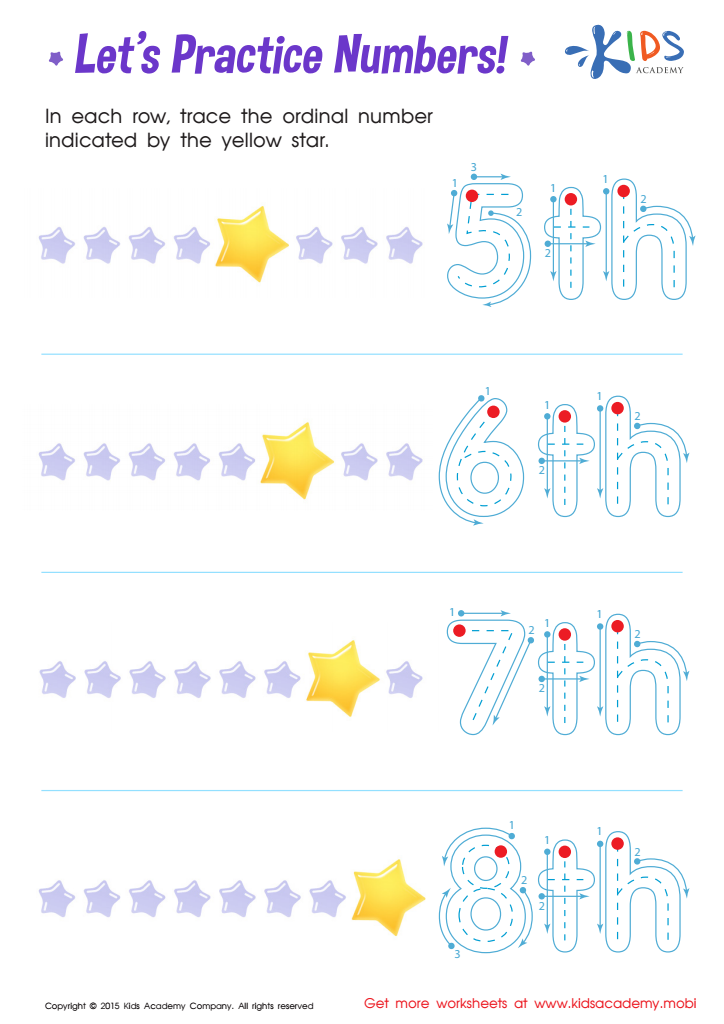
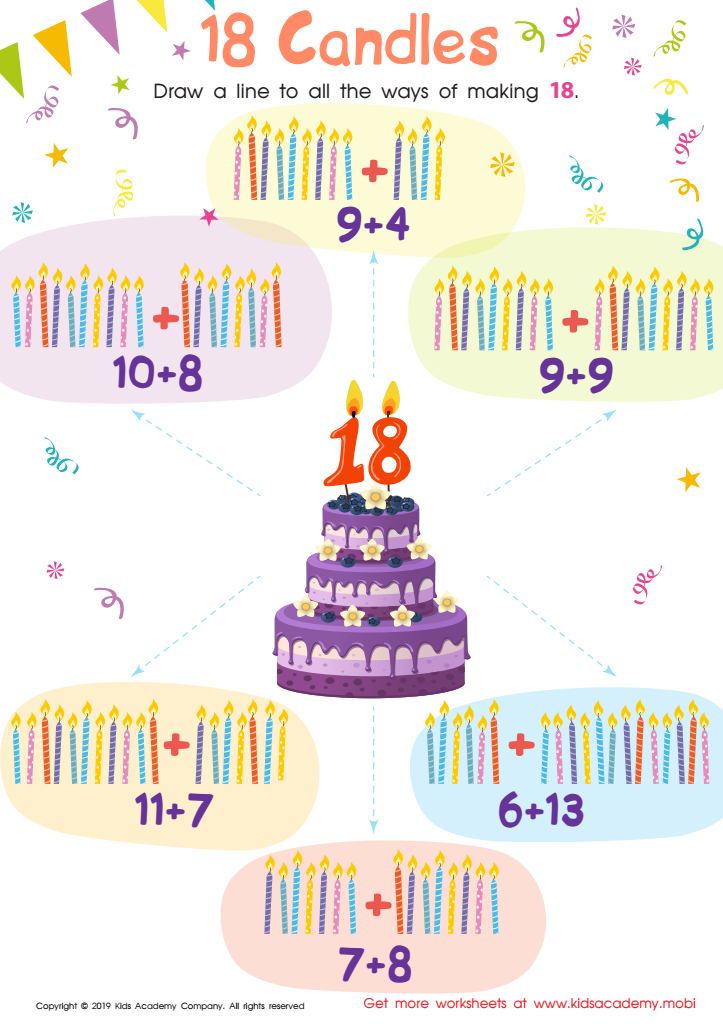
18 Candles Worksheet
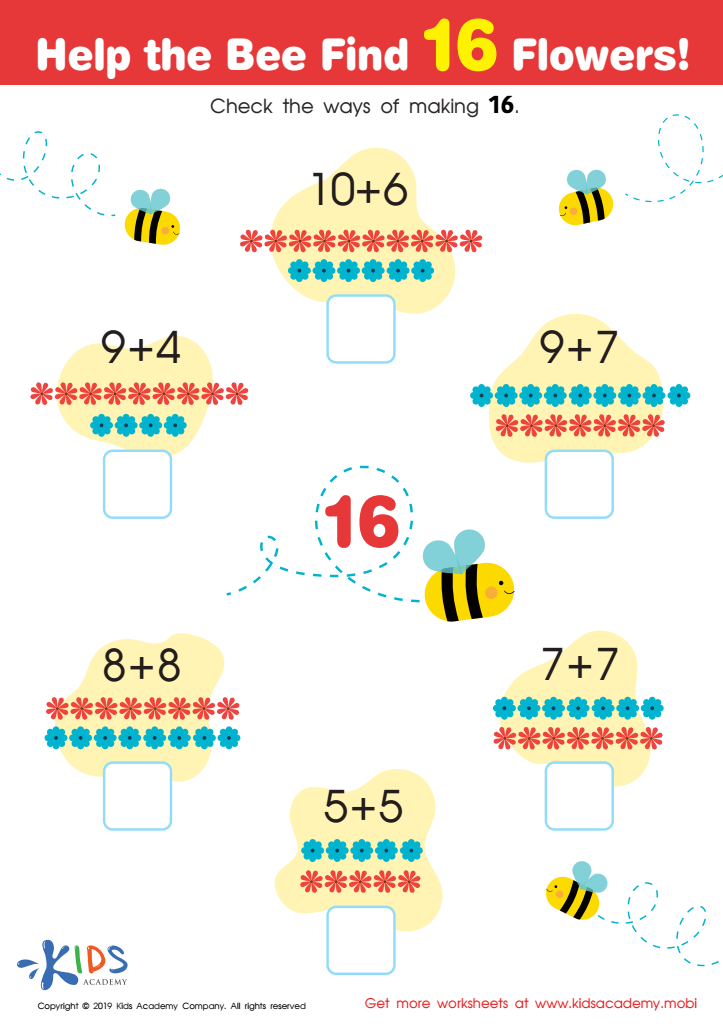
Help the Bee Find 16 Flowers Worksheet








Fine motor skills are essential in the early educational journey of children, particularly in kindergarten, where foundational skills are developed for later learning. These skills involve the coordination of small muscle movements, which enable children to perform tasks like writing, cutting, and manipulating objects. As children engage in activities like normal addition and subtraction, fine motor skills play a critical role; holding a pencil correctly or using manipulatives to visualize mathematical concepts directly impacts their ability to grasp these early math skills.
Moreover, strong fine motor skills boost children's confidence. When they can physically manipulate tools or write numbers accurately, they become more engaged and motivated in their learning. Engaging in fine motor activities cultivates patience and persistence, teaching children valuable problem-solving skills that will serve them throughout their academic journey.
Parents and teachers should prioritize developmental activities that enhance fine motor skills alongside mathematical concepts. Incorporating games, crafts, and everyday tasks provides meaningful practice; these experiences build the foundation for more complex skills. In summary, cultivating fine motor skills in tandem with basic arithmetic fosters holistic growth in young learners, laying the groundwork for success in both mathematics and everyday tasks as they progress in their education.








