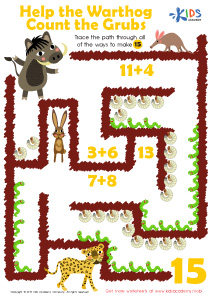
Animal recognition Normal Kindergarten Numbers Worksheets
4 filtered results
-
From - To
Introduce your little ones to the fascinating world of numbers and animals with our "Animal Recognition Normal Kindergarten Numbers Worksheets". These engaging worksheets seamlessly blend counting exercises with vibrant animal illustrations, sparking joy in learning. Designed for young learners, the activities help children recognize numbers while associating them with adorable animal pictures, enhancing both their numeracy and animal recognition skills. Each worksheet offers a fun and interactive way for kids to build foundational math abilities, making learning an exciting adventure. Perfect for kindergarten, these worksheets are an excellent resource for home or classroom use. Download now and inspire a love for learning!
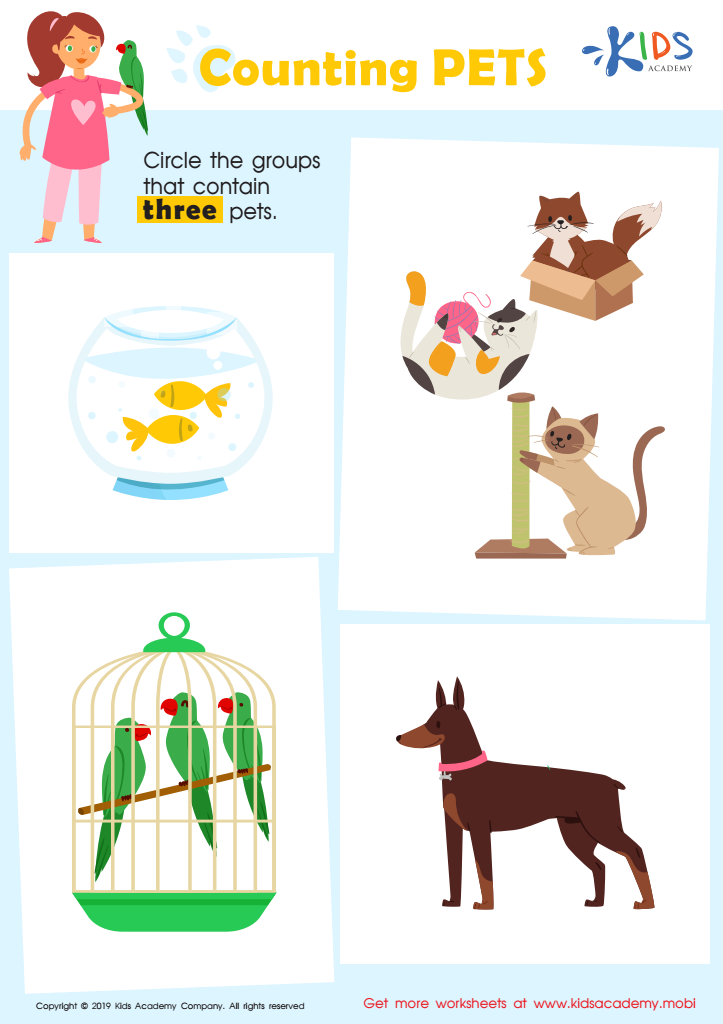
Counting Pets Worksheet
 Assign to My Students
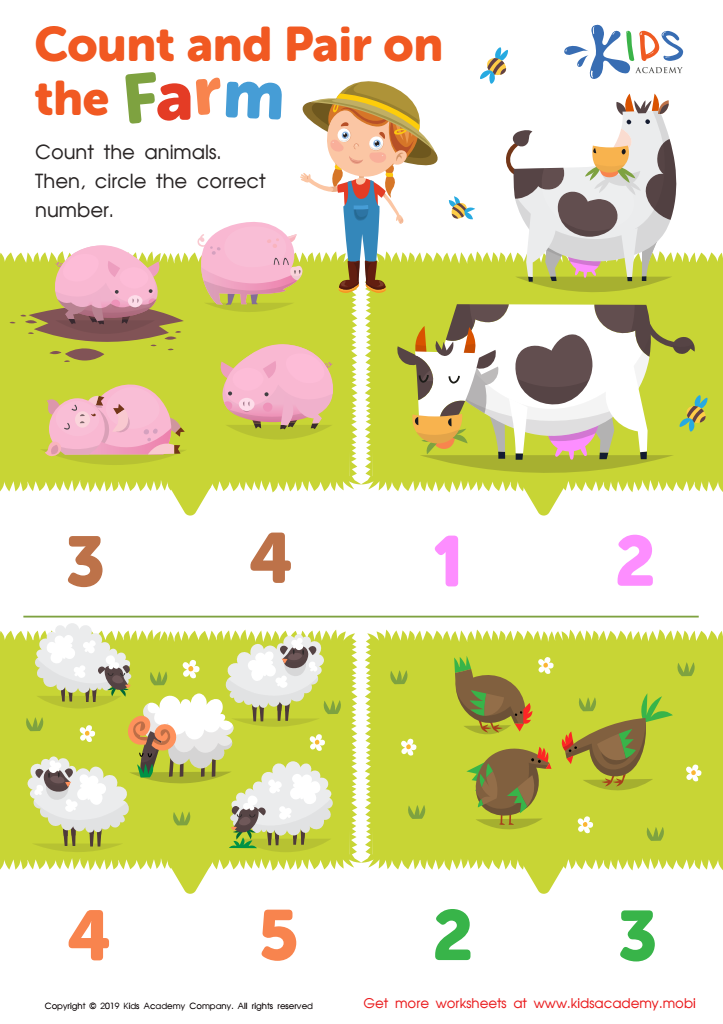
Count and Pair on the Farm Worksheet
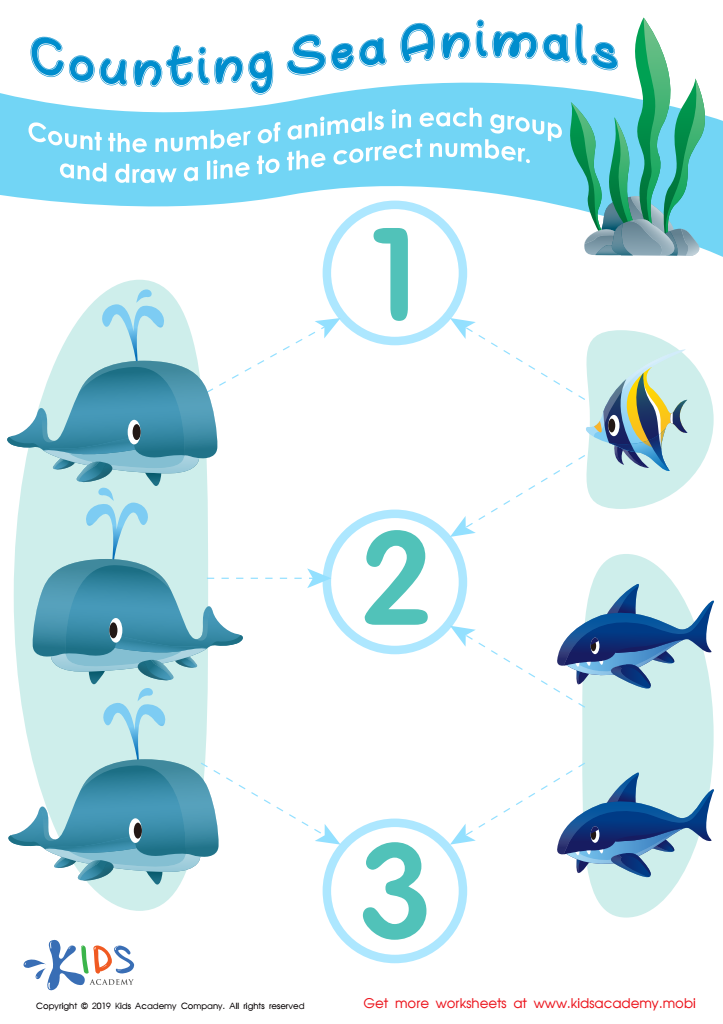
Counting Sea Animals Worksheet
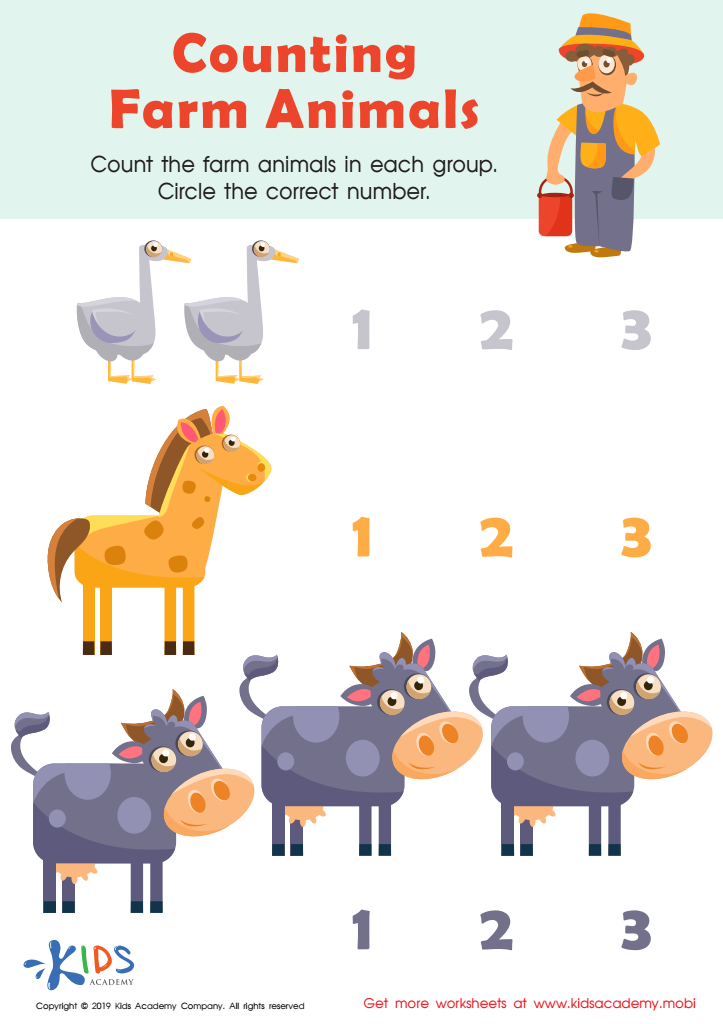
Counting Farm Animals Worksheet







Understanding the importance of animal recognition, normal kindergarten numbers, such as from 1 to 10, is essential for both parents and teachers in fostering early childhood development. Teaching these skills to young children lays crucial foundations in cognitive, linguistic, social, and emotional domains.
Firstly, animal recognition is a gateway to broader learning about the natural world. When children can identify common animals, it sparks interest and curiosity in science and nature, promoting observational skills and environmental awareness.
Secondly, mastering basic numbers is pivotal in developing early mathematical concepts. Recognizing and counting numbers from 1 to 10 helps children understand quantities, sequencing, and basic arithmetic, which are fundamental skills for all future math learning.
Incorporating both animal recognition and numbers within playful and engaging activities further enhances children’s learning experiences. These activities can improve attention spans, memory, problem-solving abilities, and fine motor skills as they interact with educational materials.
From a social and emotional perspective, shared learning experiences about animals and numbers can strengthen parent-child and teacher-student relationships. It provides a platform for positive reinforcement, structured play, and collaborative learning opportunities.
In essence, focusing on these subjects helps cultivate a well-rounded early education that prepares children for more complex concepts while nurturing curiosity, empathy, and foundational academic skills.