Filters

7 filtered results

Clear all filters
Favorites
With answer key
Interactive

7 filtered results

Difficulty Level

Grade


Welcome to our Vocabulary Expansion Normal Kindergarten Building Vocabulary Worksheets! Designed specifically for young learners, these engaging worksheets encourage children to explore new words and enhance their vocabulary. Through fun, interactive activities, kids will connect words with pictures, and practice word usage in context, laying a strong foundation for their literacy skills. Our carefully crafted worksheets promote word recognition and comprehension, making learning enjoyable. Parents and teachers can easily integrate these resources into any curriculum, ensuring a well-rounded approach to language development. Help your kindergarten students thrive in reading and communication with our comprehensive vocabulary expansion worksheets today!

Check out this FREE Kindergarten Trial Lesson on Building Vocabulary!

Suffixes –ful, -less

Favorites
With answer key
Interactive
  • Kindergarten
  • Vocabulary expansion
  • Building Vocabulary
  • Normal
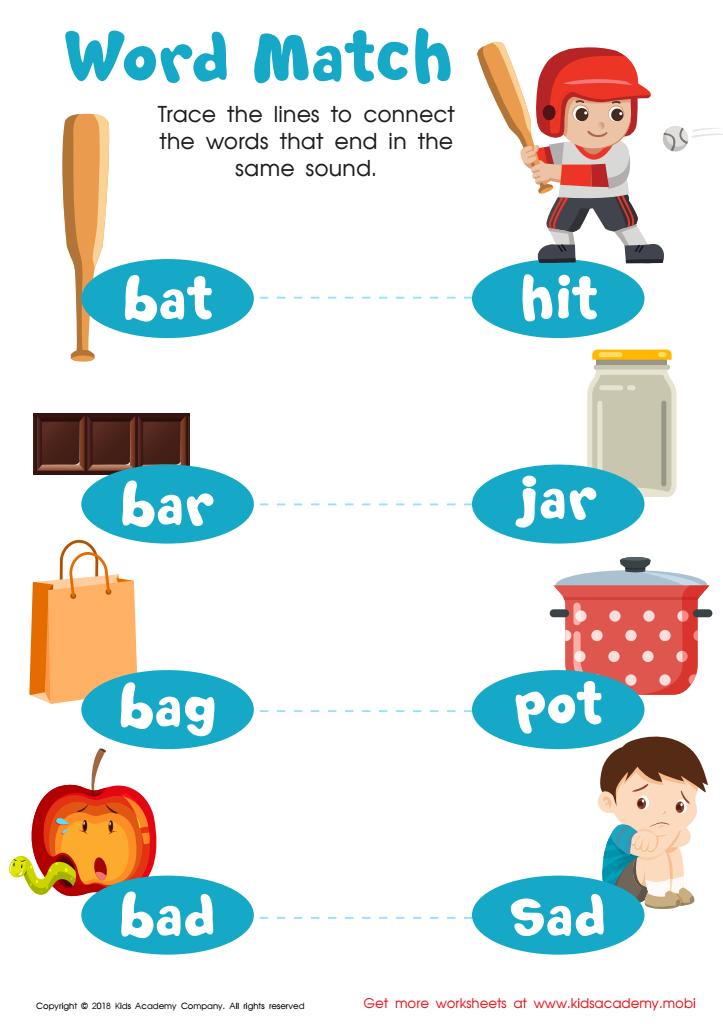
Word Match Reading Worksheet

Word Match Reading Worksheet

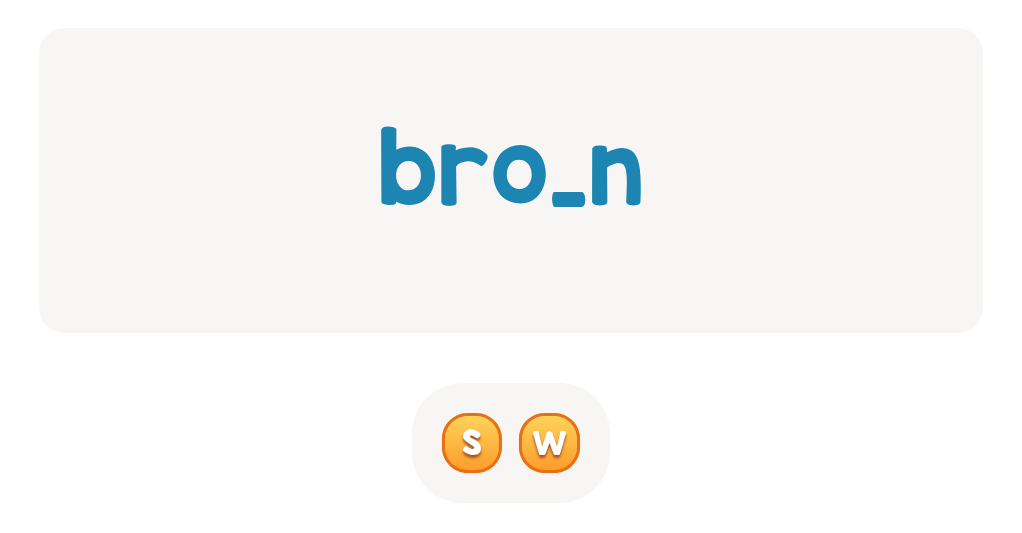
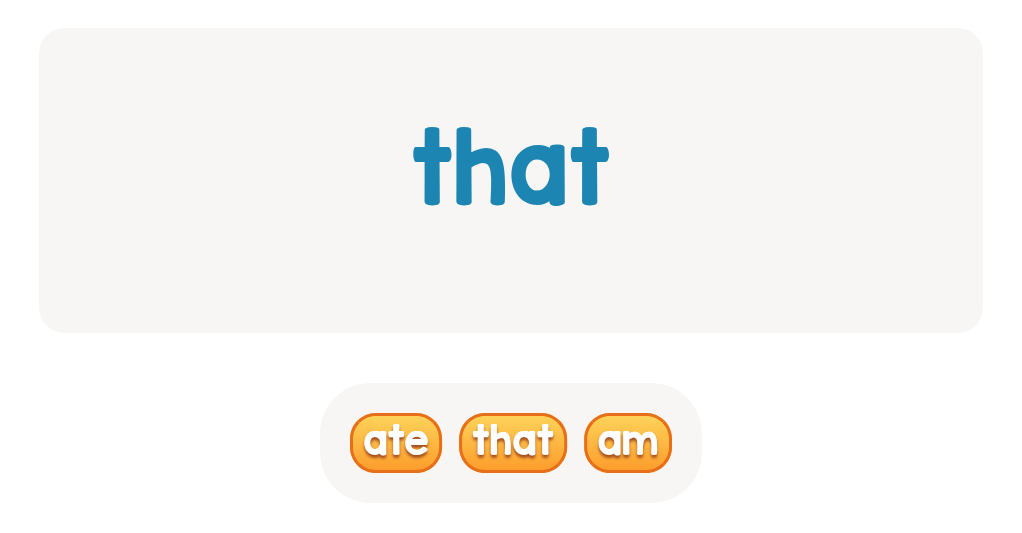
This printout helps children learn to read fluently by connecting words with the same sound. Colorful pictures aid understanding and context for kindergarten-level students. Tracing lines, they learn to identify the sounds made by letters of the alphabet and deepen their knowledge of phonics.
Word Match Reading Worksheet
Worksheet
Traditional Food in Mexico Worksheet

Traditional Food in Mexico Worksheet

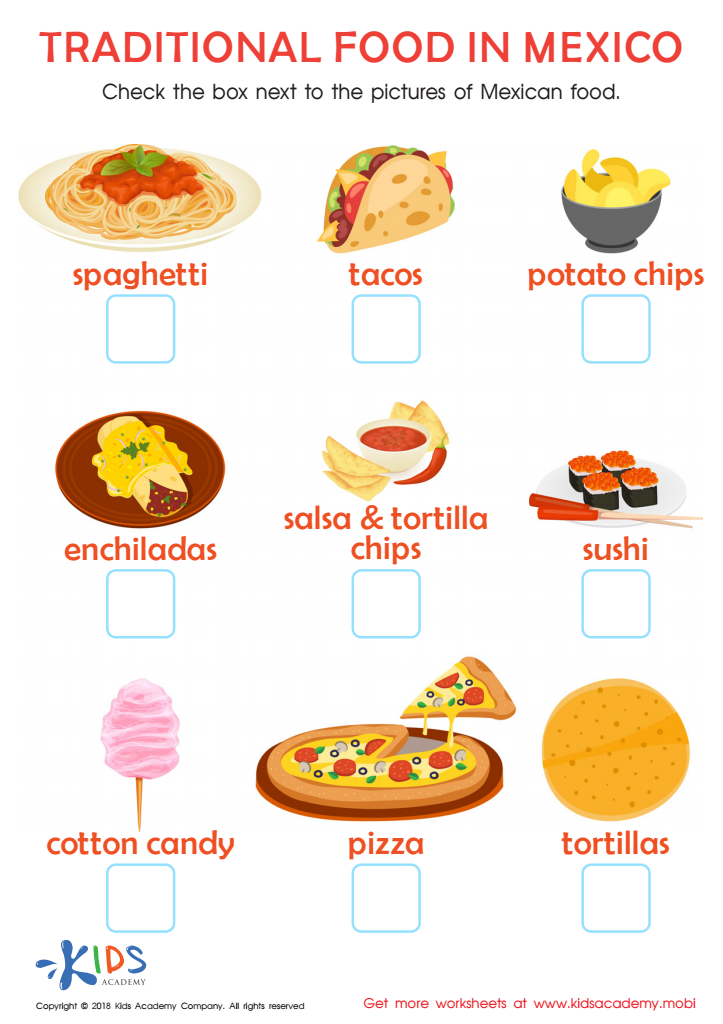
This colorful worksheet offers a great opportunity to learn about traditional Mexican foods, build vocabulary and practice visual discrimination. As many of the words are not phonetic, this practice can help improve fluency, vocabulary and comprehension when encountered in reading. Culturally diverse, it's great for readers looking to expand their knowledge.
Traditional Food in Mexico Worksheet
Worksheet
Sound Different Worksheet

Sound Different Worksheet

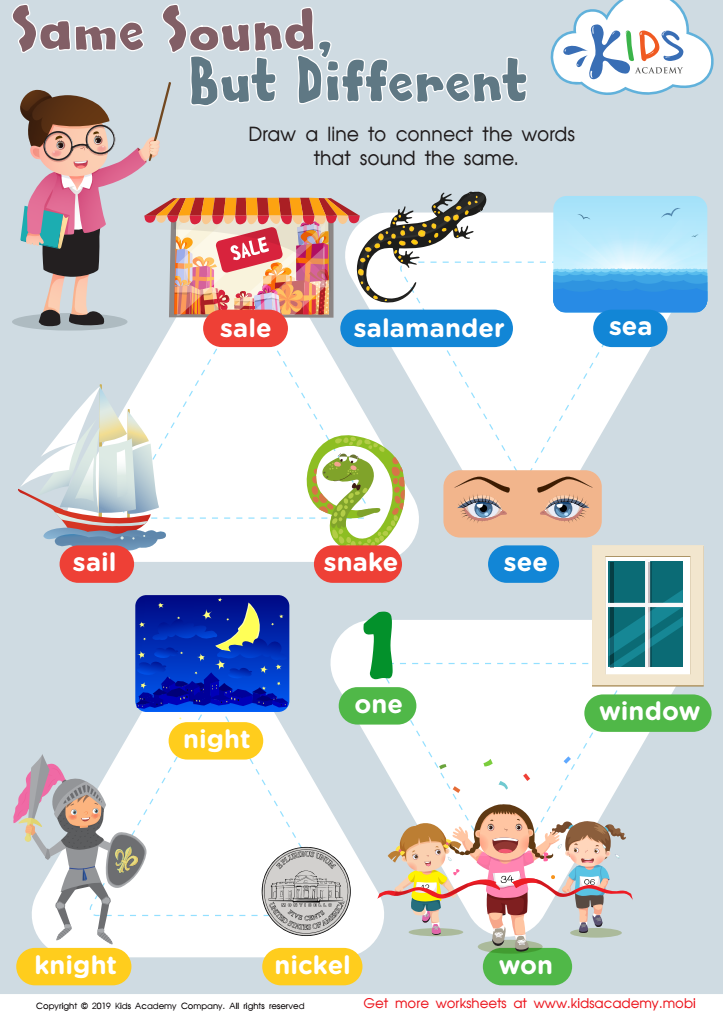
Homophones can be tricky for new readers and writers. This PDF worksheet helps kids understand the differences using pictures. It asks them to draw lines to connect the homophones and provides concrete imagery for reference. It's a great way to learn the right definition and spelling of words that sound the same.
Sound Different Worksheet
Worksheet
Opposites on the Farm Worksheet

Opposites on the Farm Worksheet

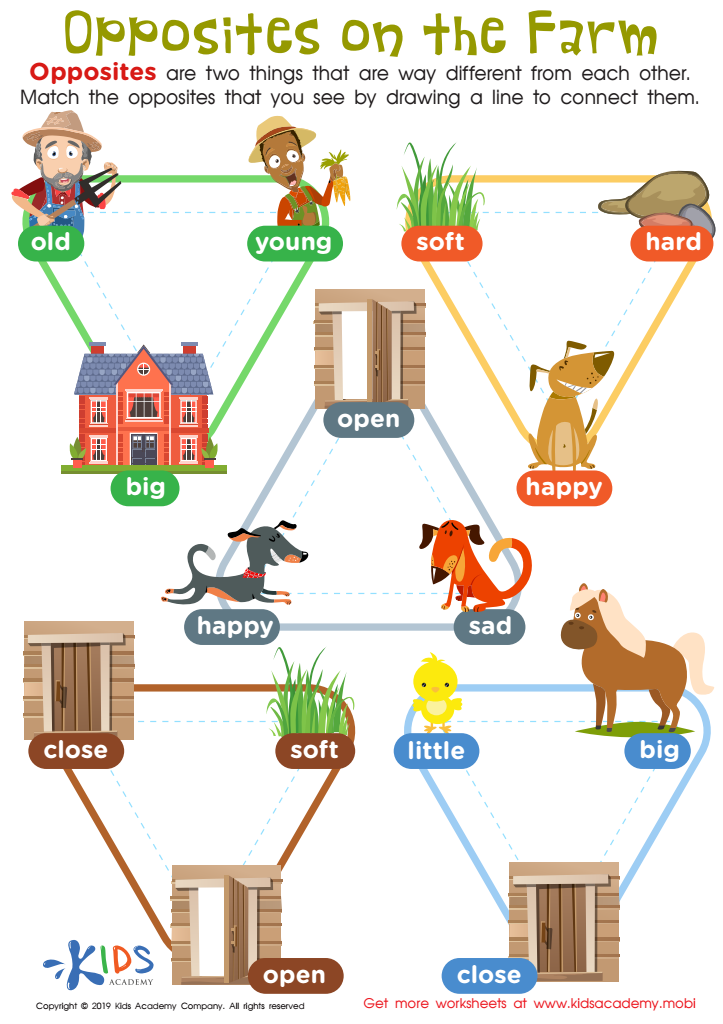
Teaching children the concept of opposites is important for their development. This worksheet offers a fun way to practice. Kids can use traceable lines to match farm imagery with pairs of opposites. It's a great way to help them compare and contrast, a key skill for reading, math, writing and more.
Opposites on the Farm Worksheet
Worksheet
Suffixes ful and less worksheet

Suffixes Ful and Less Worksheet
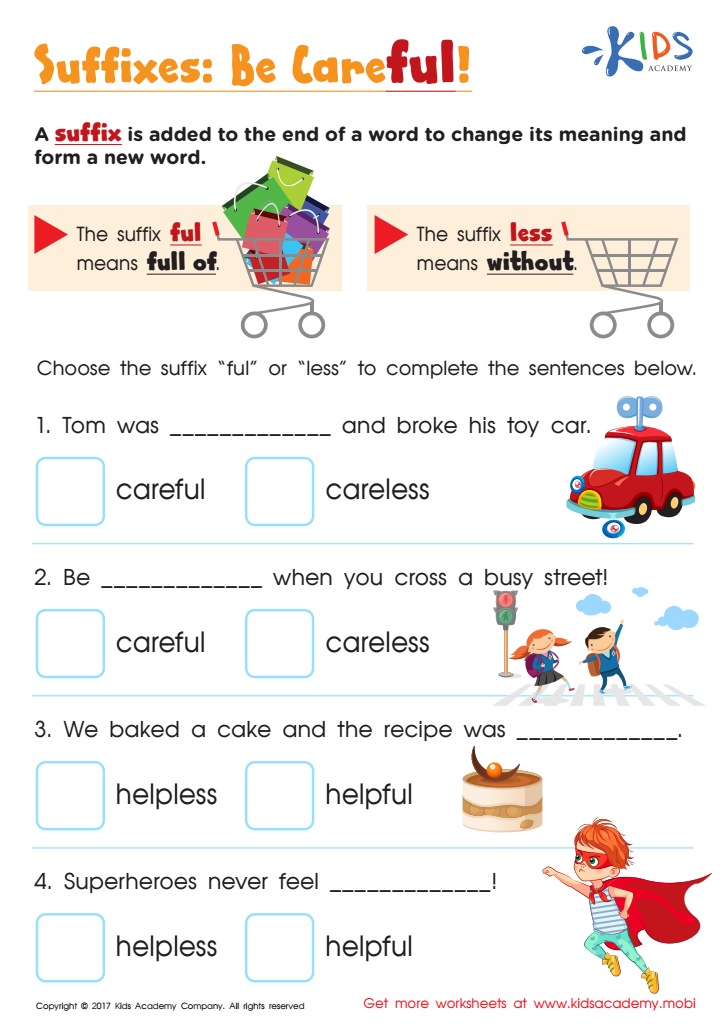
Uh oh! Careful and careless might look similar, but have very different meanings. To avoid mix-ups, learn to spot and use the right suffixes. Use this suffixes ful and less worksheet to help your child master common suffixes!
Suffixes Ful and Less Worksheet
Worksheet
Prefix bi words worksheet

Prefix Bi Words Worksheet

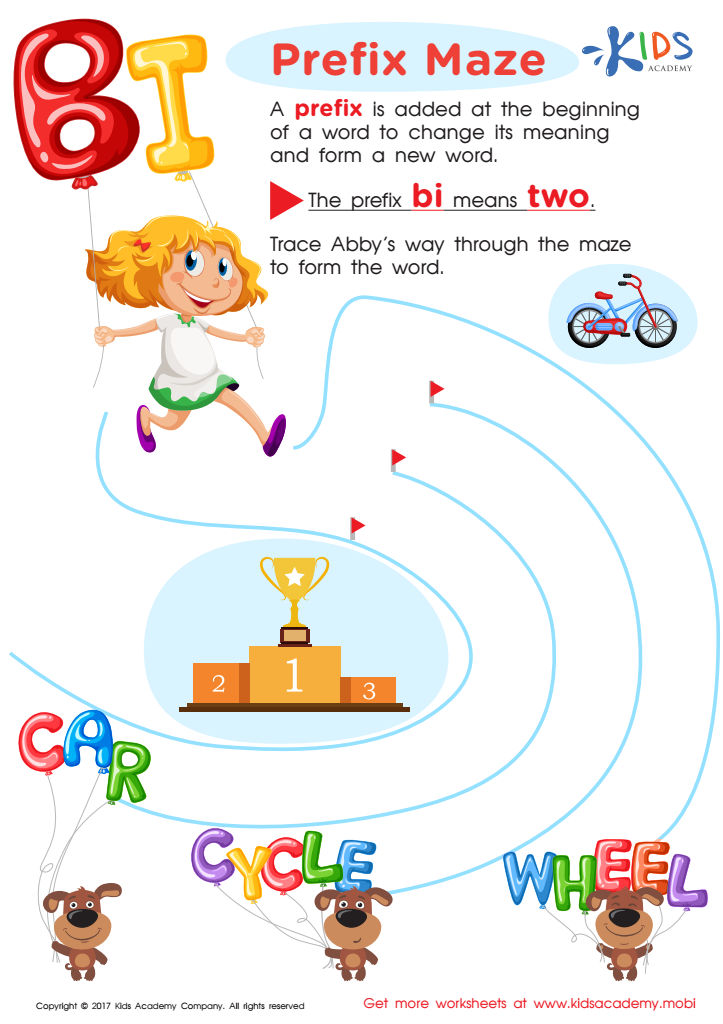
Help "bi" find its root word in this fun and colorful prefix worksheet! Your child will learn how words are built while having a great time!
Prefix Bi Words Worksheet
Worksheet
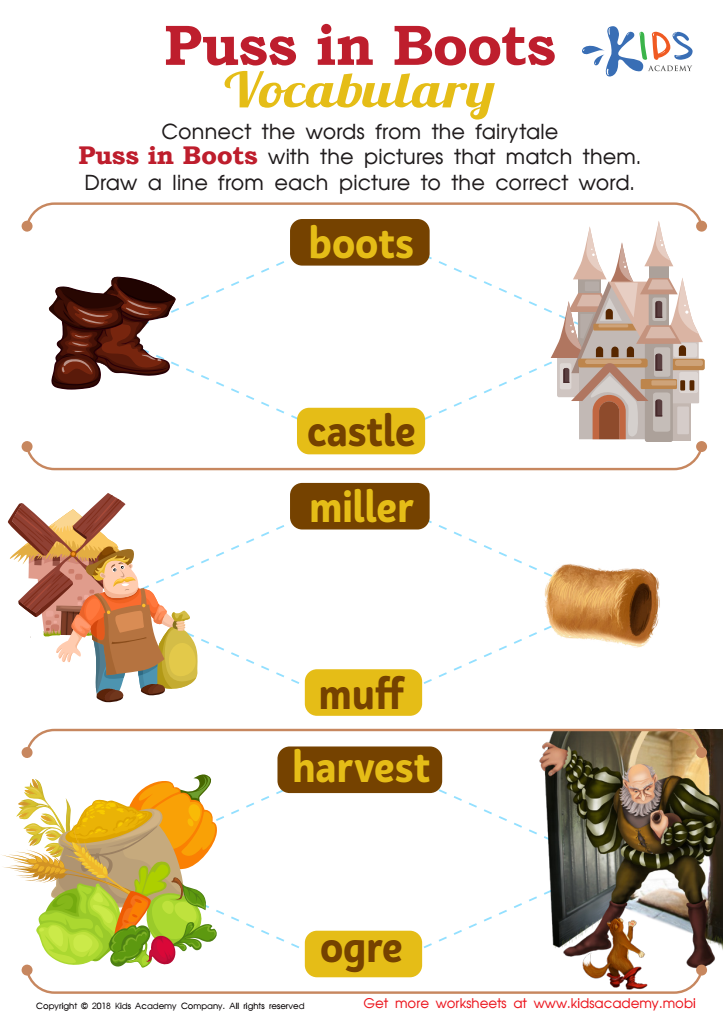
Puss in Boots Vocabulary Worksheet


Puss in Boots Vocabulary Worksheet

Let your kids enjoy story-telling while learning at the same time. Help them learn from the fairytale, Puss in Boots, by connecting words from the worksheet with the matching pictures. Ask them to draw a line between each picture and corresponding word to build their vocabulary.
Puss in Boots Vocabulary Worksheet

Worksheet


Vocabulary expansion in kindergarten is crucial for children's overall language development and academic success. Parents and teachers should prioritize this essential aspect of early education because a robust vocabulary lays the foundation for reading and writing proficiency.

As children learn new words, they gain the tools to express their thoughts and feelings effectively, enhancing communication skills. This improved expression fosters self-confidence and encourages participation in discussions, whether in class or at home. Additionally, a rich vocabulary boosts listening comprehension and critical thinking, as kids can better grasp ideas and concepts presented in stories, lessons, and conversations.

Moreover, vocabulary building is closely tied to a child’s ability to understand and engage with texts, making it fundamental for later reading success—the more words a child knows, the easier it is to decode and comprehend age-appropriate literature. Notably, children with larger vocabularies are often more prepared for academic challenges, giving them a head start in their educational journey.

In summary, by actively supporting vocabulary expansion, parents and teachers contribute significantly to brightening a child’s educational path, enhancing their social skills, and fostering a lifelong love for learning. Investing in vocabulary development is an investment in a child’s future.