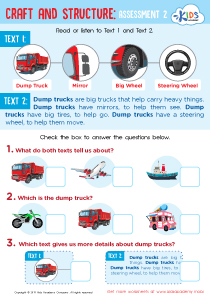
Rhyming skills development Normal Kindergarten Reading Worksheets
3 filtered results
Difficulty Level
Grade
Age
-
From - To
Subject
Activity
Standards
Develop your child's rhyming skills with our Normal Kindergarten Reading Worksheets! Tailored specifically for young learners, these expertly crafted worksheets help kindergarten students easily identify and generate rhyming words. Engaging activities and colorful graphics keep children motivated while enhancing their phonemic awareness, a crucial first step toward fluent reading. With our comprehensive approach, children learn to recognize rhyme patterns, expanding their vocabulary and boosting language development. Ideal for classroom use or at-home practice, our worksheets provide an enjoyable, educational experience. Make early literacy fun and effective with our top-quality rhyming skills development resources!
Favorites
With answer key
Interactive
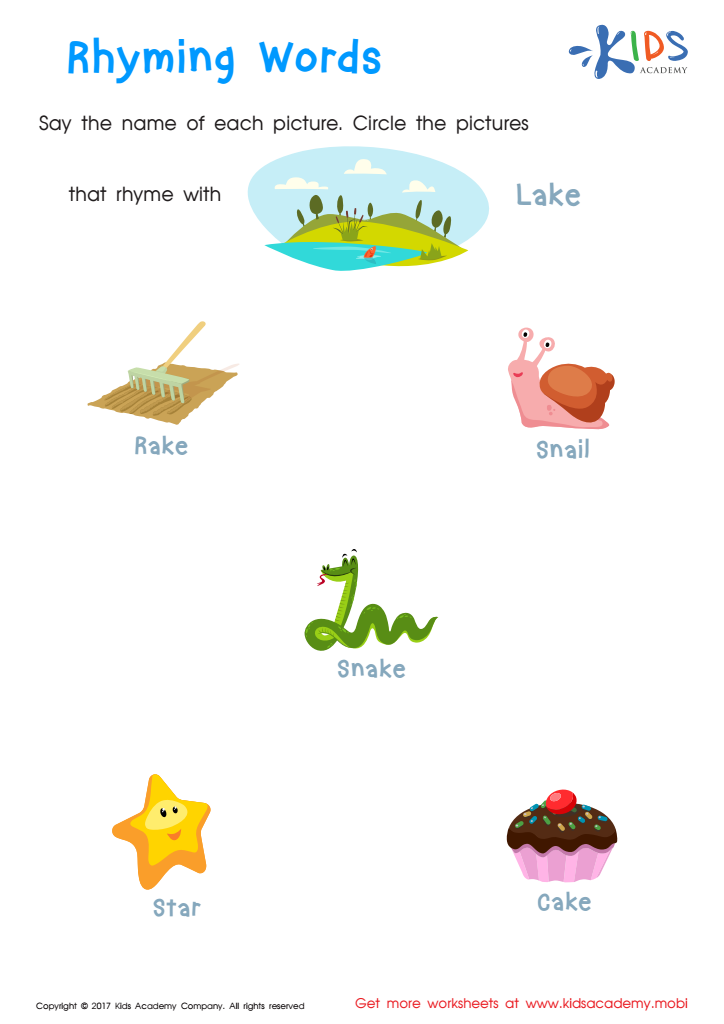
Rhyming Words Rhyming Worksheet
This worksheet is great for honing pre-reading skills. It helps kids make connections between pictures and written words, use problem-solving, and recognize sounds and words that rhyme. Have fun exploring rhyming words with your child, and they'll be rhyming in no time!
 Assign to My Students
Rhyming Words Rhyming Worksheet
Worksheet
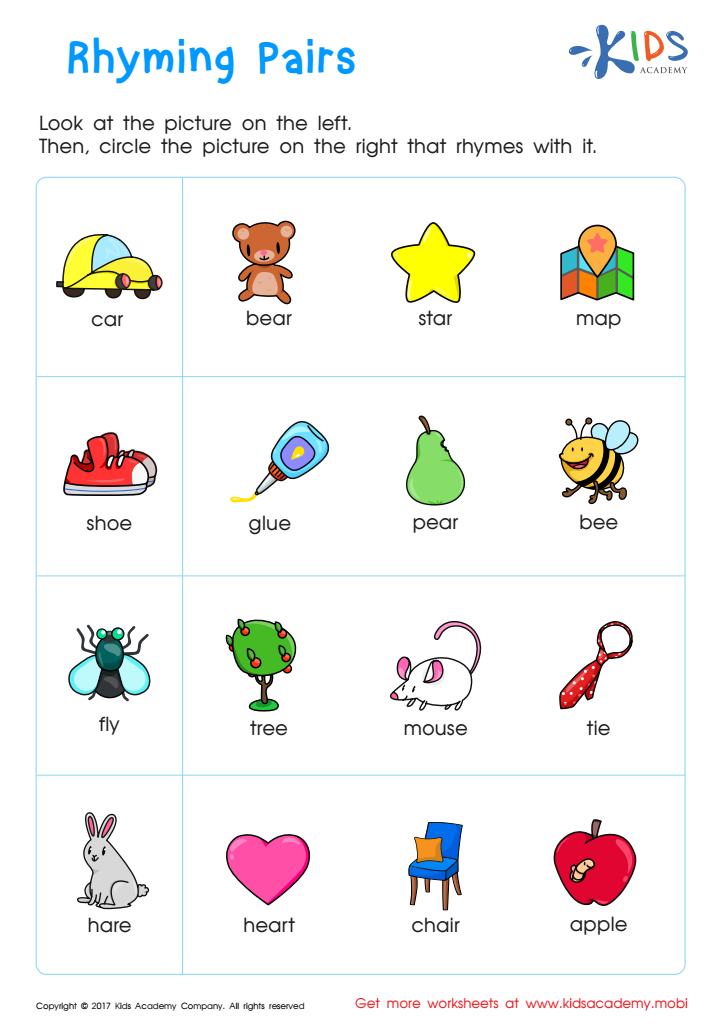
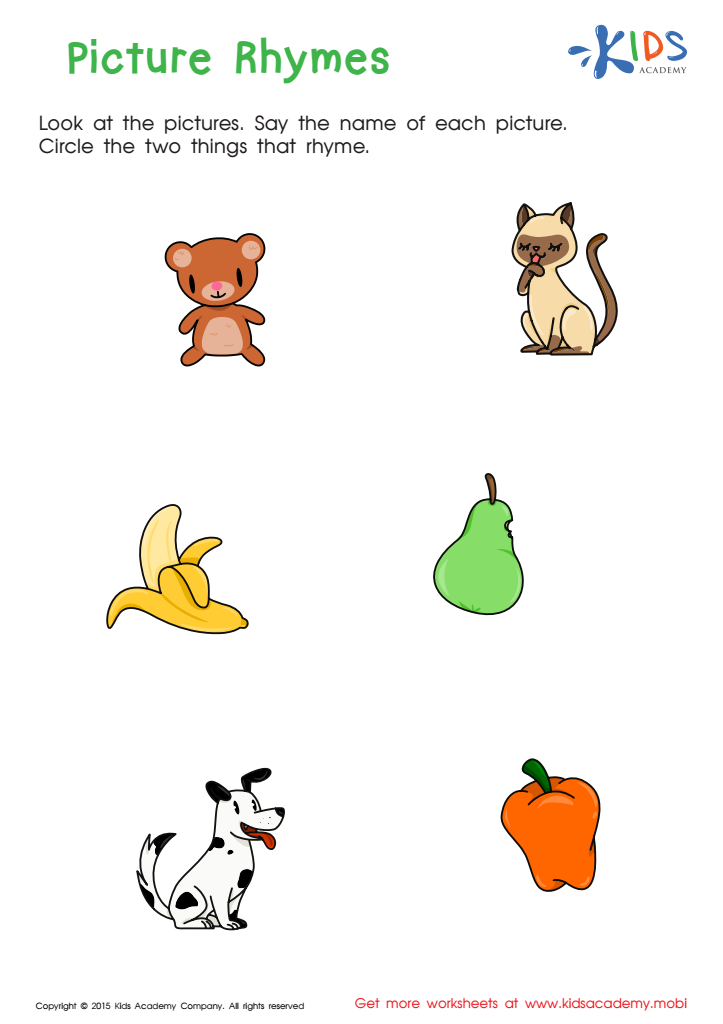
First Words: Picture Rhymes Worksheet
Rhyming helps kids understand language, read and write better. This printable worksheet boosts problem-solving and cognitive skills with vibrant pictures. It teaches kids to identify words, recognize rhymes, complete mental tasks and write words. An extra activity: show them how rhyming words share some of the same letters.
First Words: Picture Rhymes Worksheet
Worksheet
Join Kids Academy for Free
Who is primarily going to use this learning content?



.jpg)



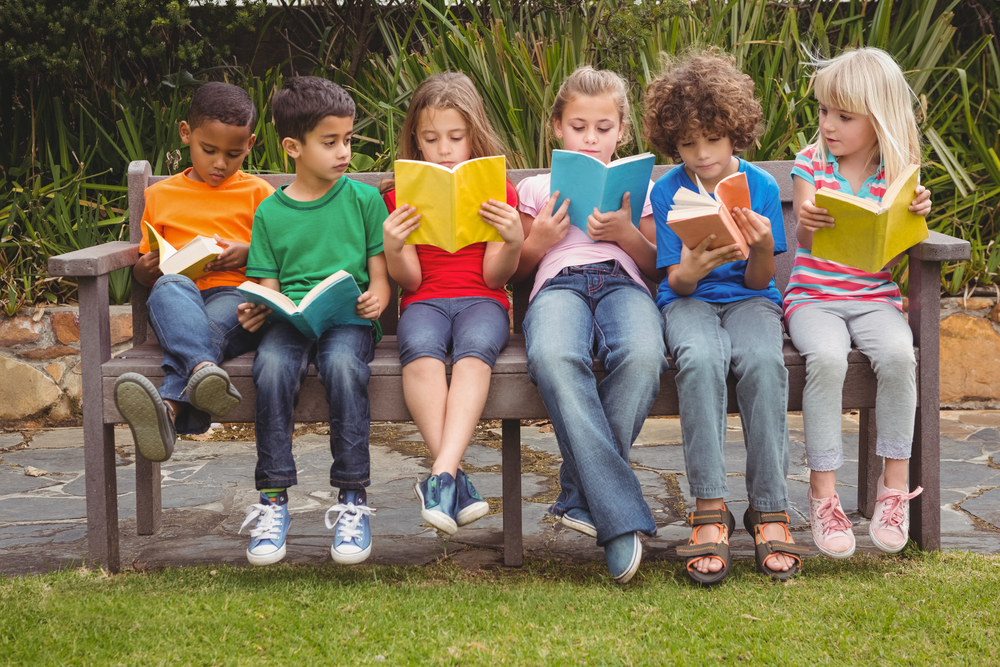
Rhyming skills are fundamental to a child's early reading development and deserve attention from both parents and teachers. At its core, rhyming helps children understand that words are made up of individual sounds, an essential component of phonemic awareness. This awareness is fundamental for reading readiness, as it lays the groundwork for decoding new words, an essential skill for fluent reading.
When kindergartners practice rhyming, they start to recognize patterns in sounds and word endings. This not only makes reading easier but also more engaging, as children find joy in the playful nature of language. Additionally, rhyming games and songs enhance memory and recall through repetitive and predictable patterns. For parents and teachers, fostering rhyming skills can be a fun and interactive way to bond with children while simultaneously boosting their literacy.
Moreover, as children develop rhyming skills, they improve other critical language abilities, including vocabulary, comprehension, and pronunciation. Identifying words that rhyme encourages children to think about word meanings and build connections between similar-sounding words, thereby enriching their language toolkit.
Given these multifaceted benefits, parents and teachers should actively incorporate rhyming activities into daily routines. Simple actions, like reading rhyming books, singing nursery rhymes, or playing rhyming games, can significantly advance a kindergartner’s reading development, setting a solid foundation for future academic success.