Vocabulary enhancement Normal Kindergarten Reading Fiction Worksheets
5 filtered results
-
From - To
Boost your child's language skills with our Vocabulary Enhancement Normal Kindergarten Reading Fiction Worksheets! Designed for young learners, these engaging worksheets focus on enriching vocabulary through entertaining stories and characters. Each activity encourages children to explore new words in context, enhancing comprehension and retention. Ideal for classroom use or at-home learning, our worksheets cater to diverse learning styles while making vocabulary building fun and interactive. Help your kindergarteners develop a love for reading and improve their language proficiency with our thoughtfully crafted exercises. Discover the joy of learning with our colorful, easy-to-use printable resources tailored to support your child's educational journey!
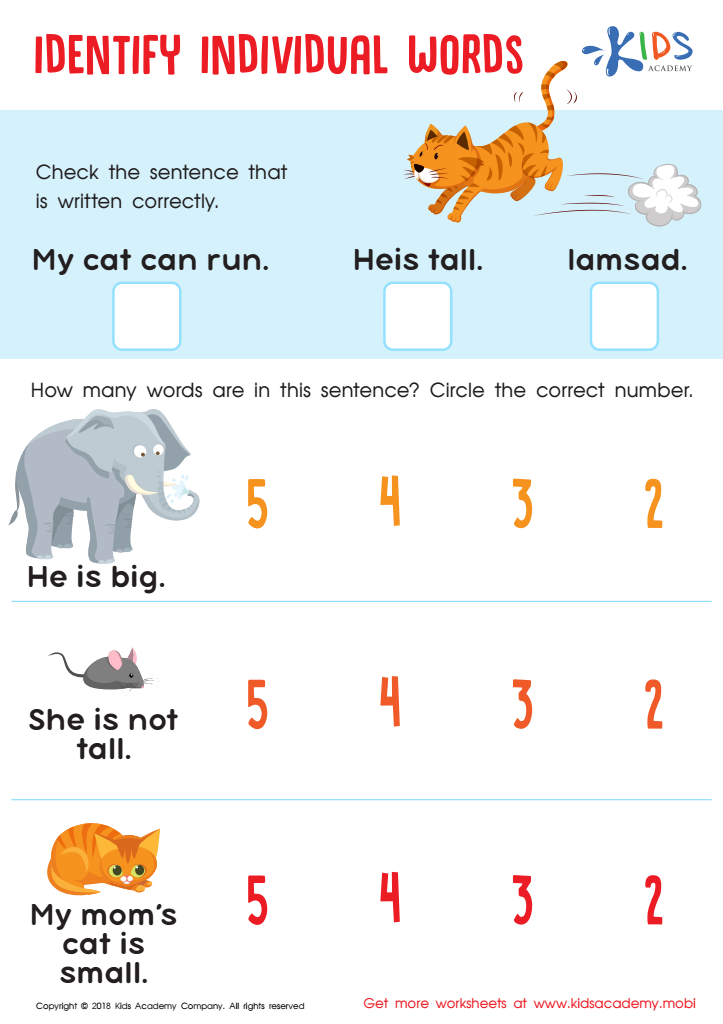
Identify Individual Words Worksheet
 Assign to My Students
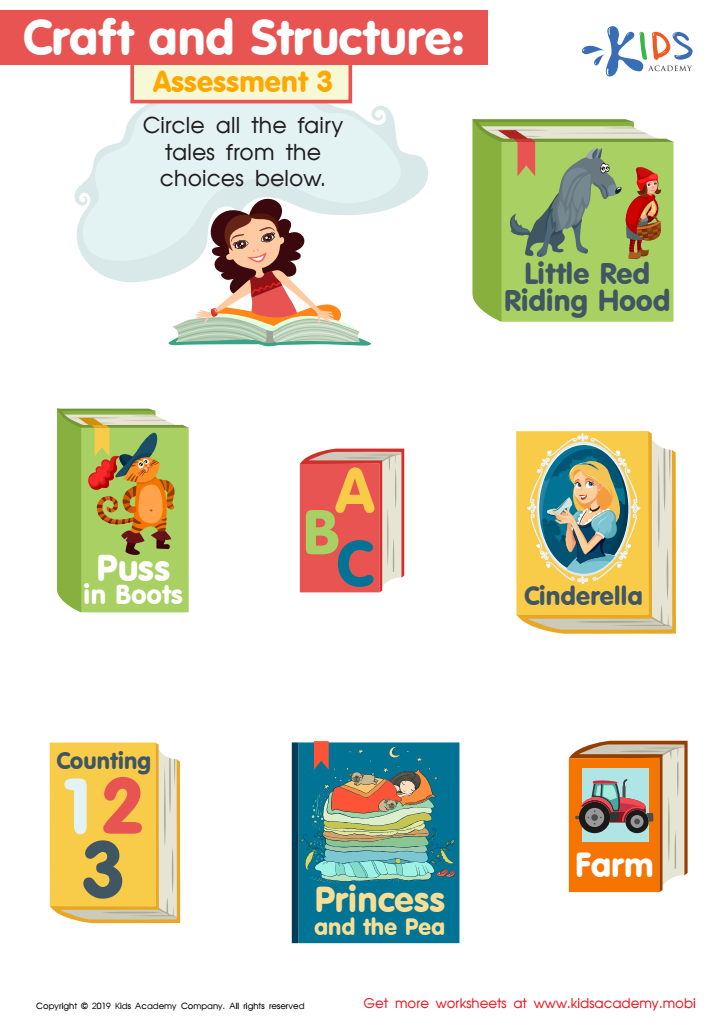
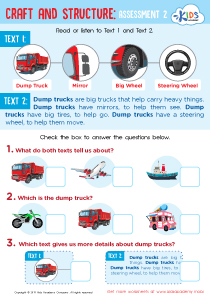
Craft and Structure: Assessment 3 Worksheet
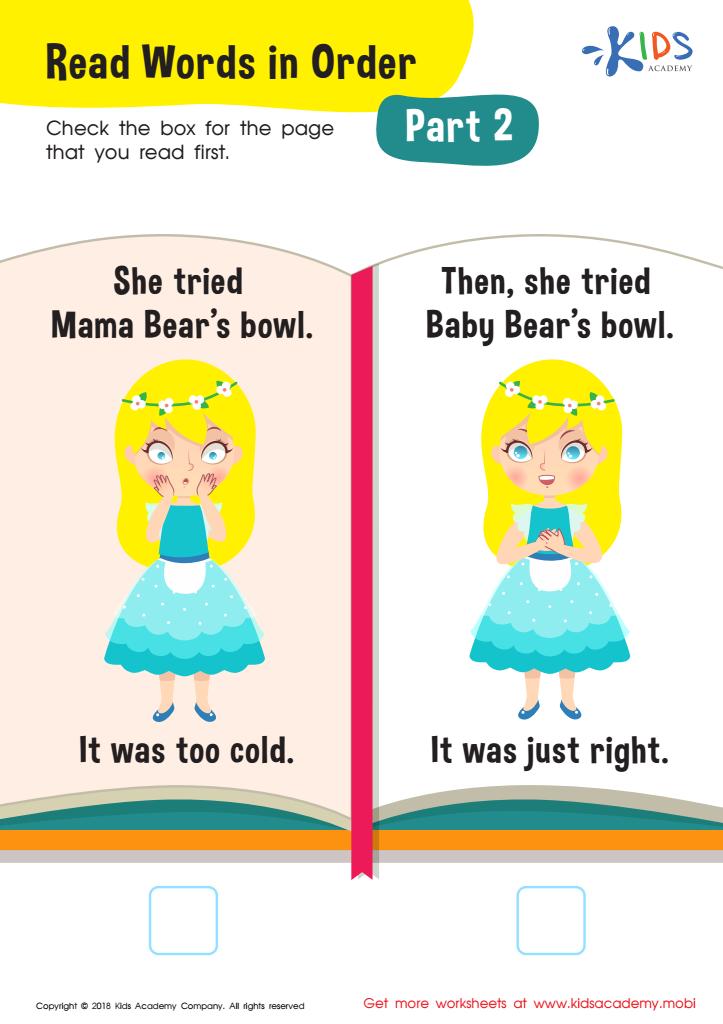
Read Words Order Part 2 Worksheet
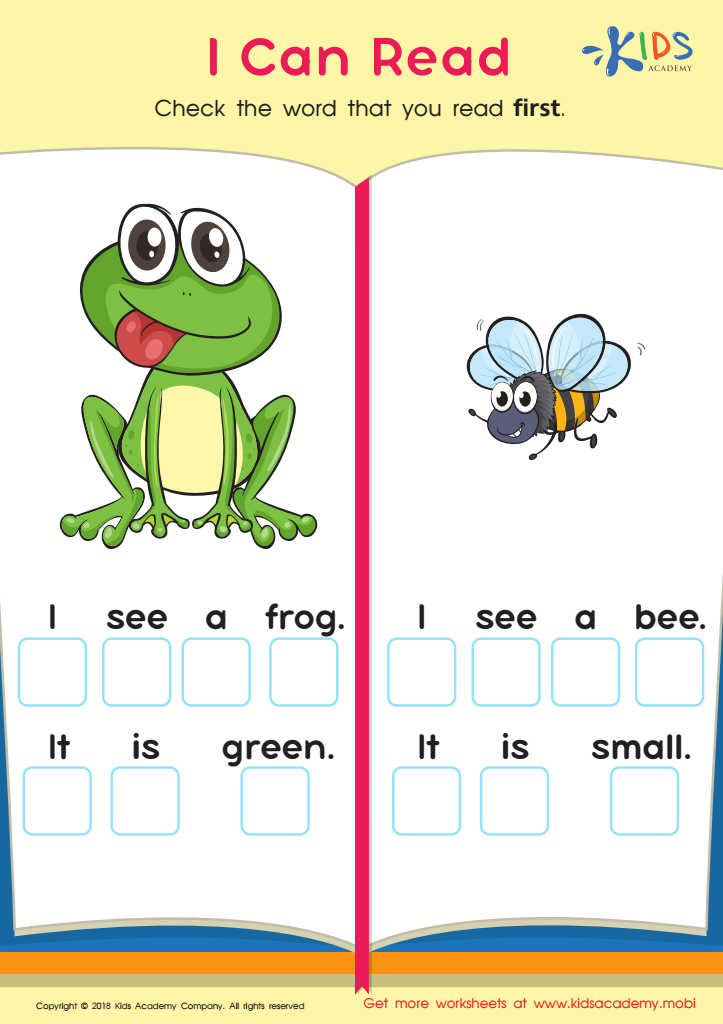
I Can Read Worksheet
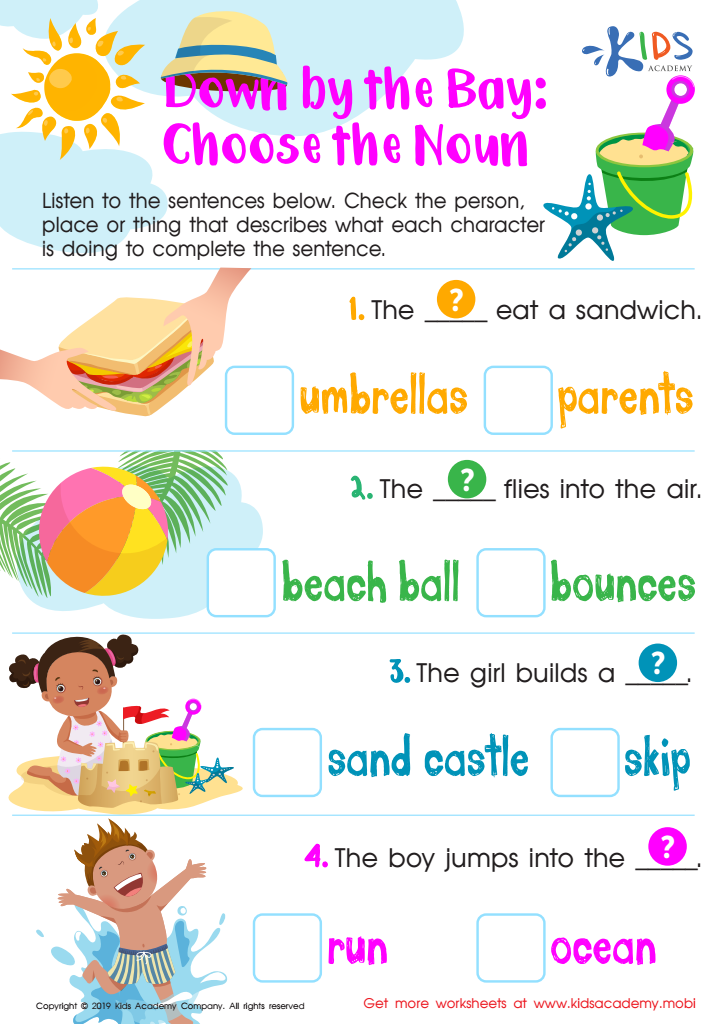
Down by the Bay: Choose the Noun Worksheet



.jpg)




Vocabulary enhancement in kindergarten reading, particularly in fiction, is crucial for young learners as it lays the foundation for effective communication and overall cognitive development. At this early stage, children are not just learning words; they are also discovering how language works, which is essential for reading comprehension and literacy skills. When students engage with fiction, they encounter diverse language, stimulating their imaginations and expanding their understanding of the world.
Parents and teachers should actively participate in this process because enhanced vocabulary supports critical thinking, problem-solving, and social interaction. A robust vocabulary allows children to express their thoughts and feelings more clearly, improving their confidence and encouraging creativity. Additionally, when children grasp new words and phrases, they become better readers, making it easier for them to tackle more complex texts in the future.
Furthermore, exposure to rich language and storytelling helps deepen emotional intelligence, as children learn to relate to characters and situations. Involving parents through storytelling activities at home fosters a love for reading and reinforces vocabulary skills outside the classroom. Ultimately, prioritizing vocabulary enhancement in fiction reading nurtures well-rounded, compassionate, and academically prepared young learners ready for future challenges.