Cognitive Development Normal Kindergarten Science Worksheets
7 filtered results
Difficulty Level
Grade
Age
-
From - To
Subject
Activity
Standards
Our "Cognitive Development Normal Kindergarten Science Worksheets" are designed to ignite curiosity and enhance the cognitive skills of young learners. These worksheets engage children through interactive activities that explore fundamental scientific concepts in a playful and educational way. Each worksheet is tailored to stimulate critical thinking, problem-solving, and observation skills, ensuring a strong foundation in early scientific learning. Ideal for classroom use or homeschooling, these printables make learning fun and effective, while catering to the developmental needs of kindergarten-aged children. Download today to support your child’s journey in discovering the wonders of science.
Favorites
With answer key
Interactive
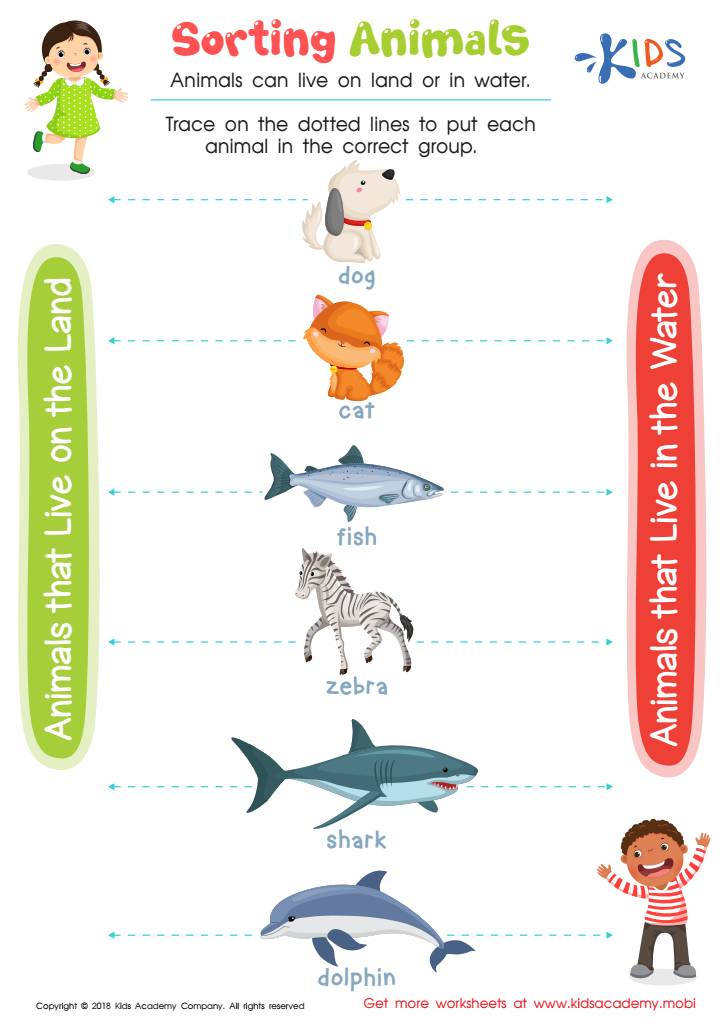
Sorting Animals Worksheet
Your kids will love this free, interactive worksheet! With image clues, they can read and trace the animal names, and then sort them into groups of land or water animals. It's an enjoyable way to boost their critical thinking, fine motor and prior knowledge skills.
 Assign to My Students
Sorting Animals Worksheet
Worksheet
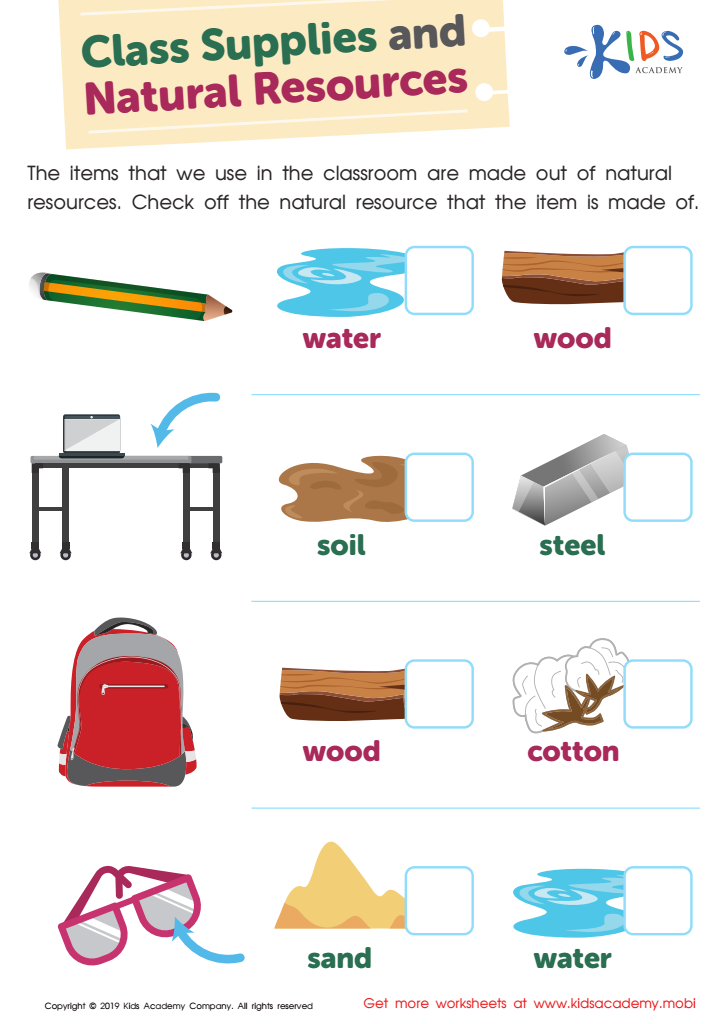
Class Supplies and Natural Resources Worksheet
Look around the classroom with your students. Can they identify objects and name their natural resources? E.g. wood, cotton, steel. Ask your child to find an object made from wood. Then, look at this worksheet together. Ask your students to identify each object and check off the natural resource it's made from.
Class Supplies and Natural Resources Worksheet
Worksheet
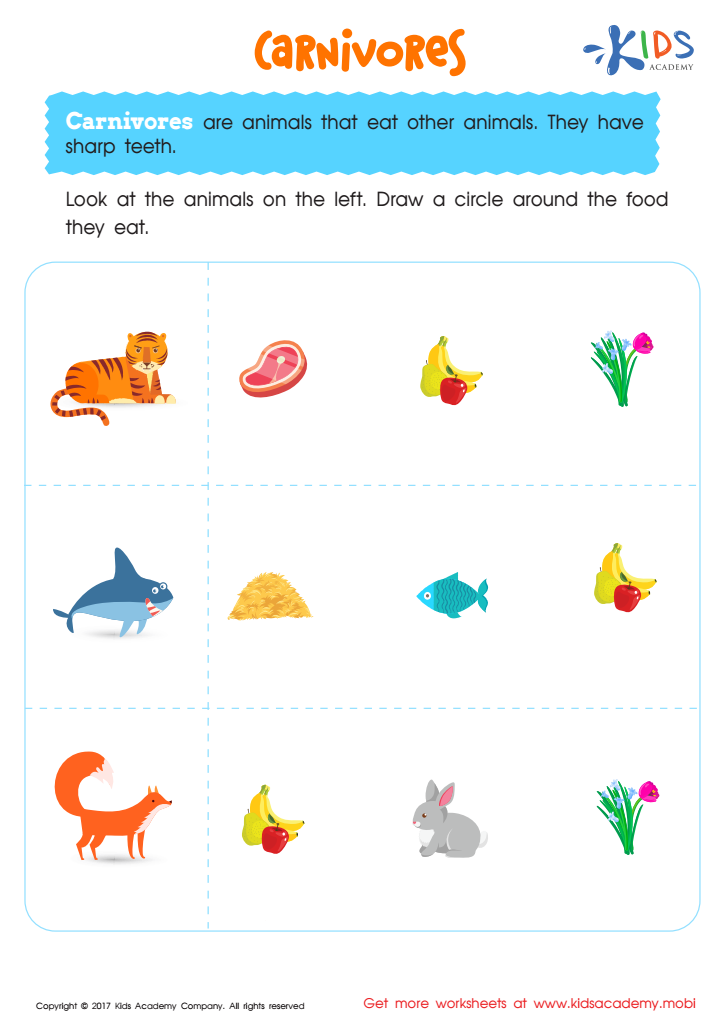
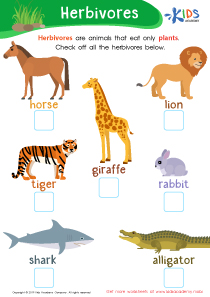
Carnivores Worksheet
Boost their vocabulary and help them explore the incredible world of carnivores.
Carnivores Worksheet
Worksheet
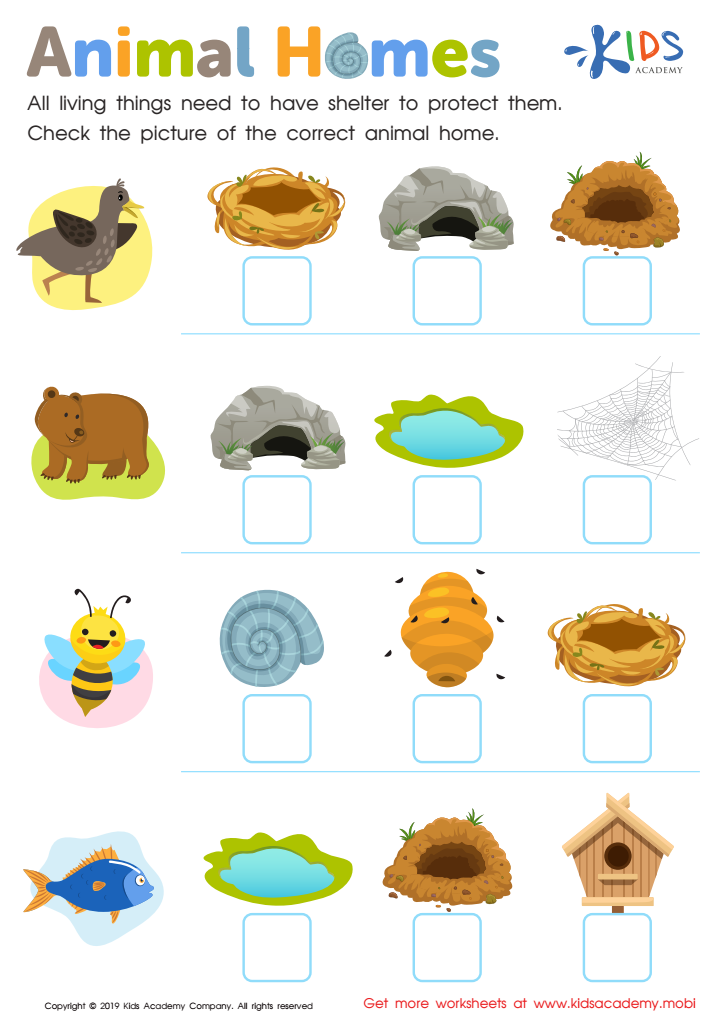
Animal Homes Worksheet
Students have homes where they can do things they love, sleep and stay safe from bad weather. Check the worksheet for animals and their shelters. Ask your kids to identify each and match the animal home to the picture. (80 words)
Animal Homes Worksheet
Worksheet
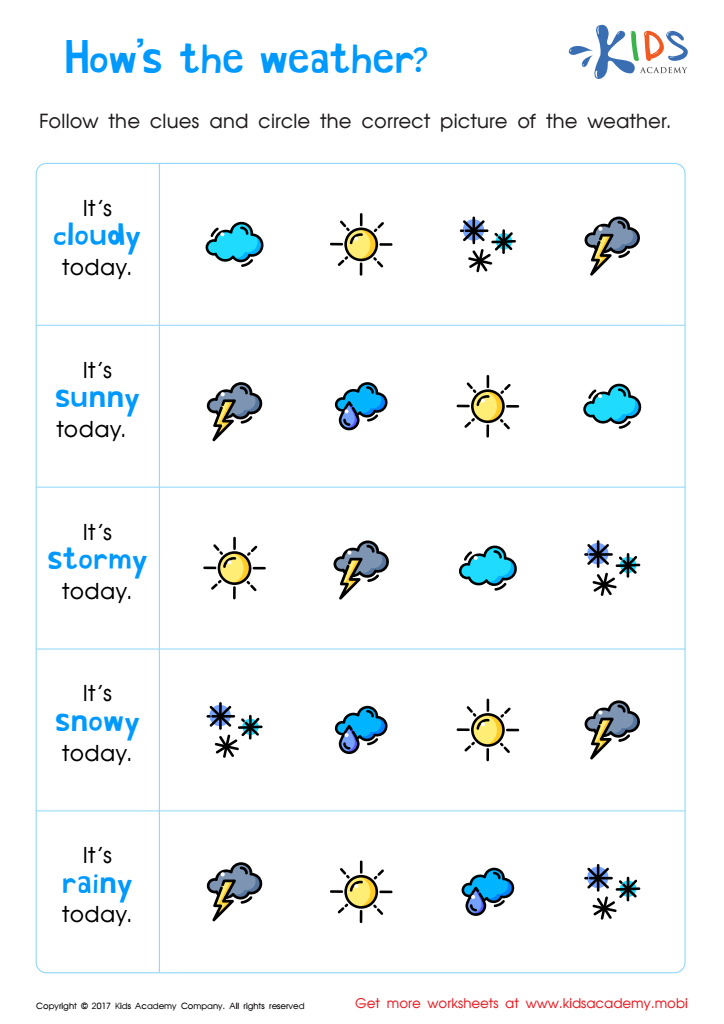
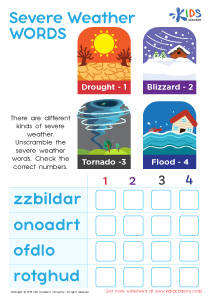
Hows the Weather Worksheet
Teaching kids about weather is a fun way to start science learning. This worksheet helps recognize symbols, literacy skills and make real world connections. Your child will love it!
Hows the Weather Worksheet
Worksheet
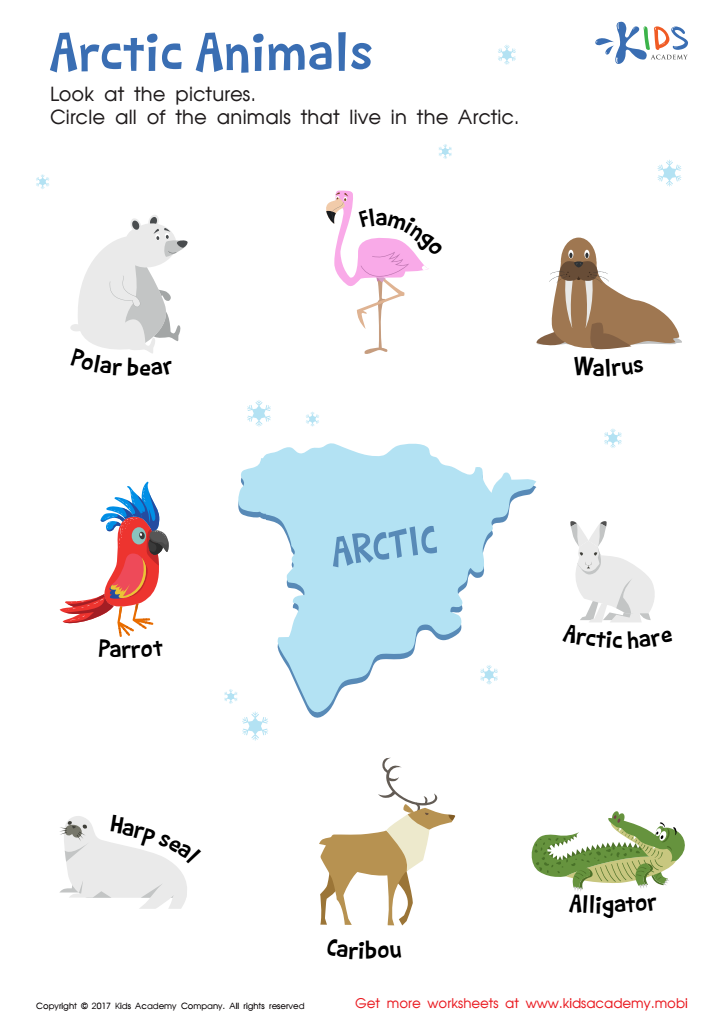
Arctic Animals Worksheet
Kids love animals and this worksheet is a great way to teach them where they live. It reinforces classification skills and introduces new animals, like the Arctic hare. Use it to discuss the Arctic climate and how these animals live, then ask your child where other animals live to keep the conversation going.
Arctic Animals Worksheet
Worksheet
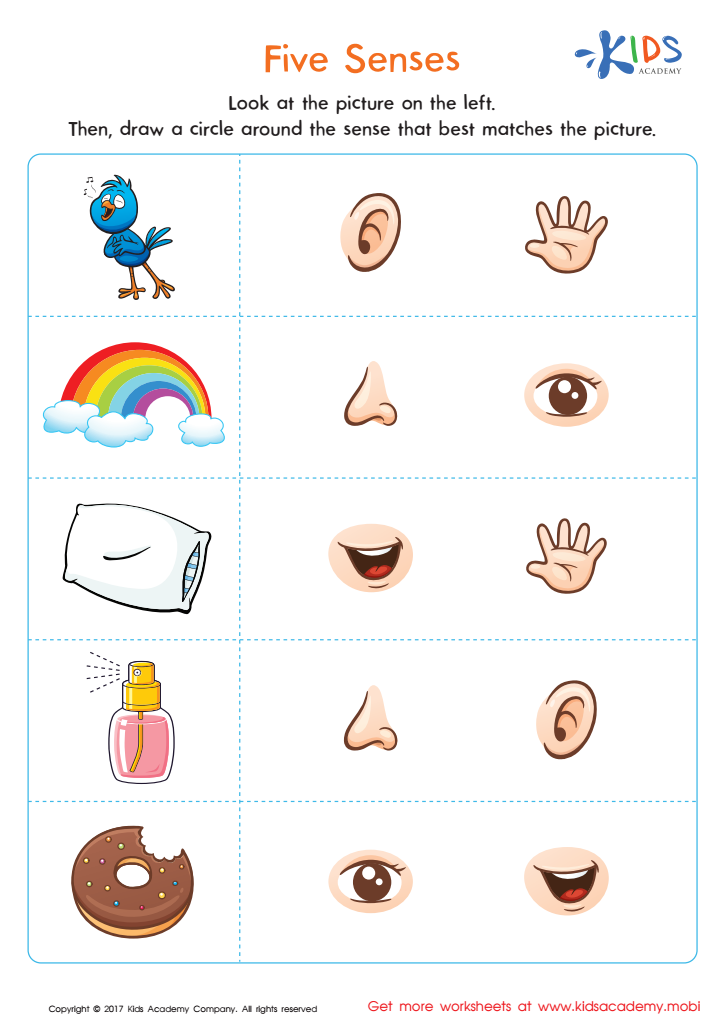
Five Senses Printable
For an easy way to jumpstart your child's critical thinking and introduce the five senses, print our free worksheets! These are great for reviewing each sense and practicing critical thinking skills. Work with your child and discuss each image. After completing the worksheet, find objects around the house so they can quiz themselves!
Five Senses Printable
Worksheet
Join Kids Academy for Free
Who is primarily going to use this learning content?








Cognitive Development Normal Kindergarten Science is foundational for young learners, providing critical brain stimulation and fostering important skills such as problem-solving, critical thinking, and general knowledge. For parents and teachers, understanding and engaging with this aspect of education is crucial because it lays the groundwork for future academic success and development.
Children at the kindergarten level are incredibly curious and their brains are rapidly developing. Introducing them to basic scientific concepts taps into their natural curiosity, making learning enjoyable and reinforcing cognitive growth. Activities that involve observation, exploration, and experimentation help to develop a child's cognitive abilities, including memory, attention, and logical reasoning.
Moreover, early exposure to science fosters a sense of wonder and a desire to learn more about the world. This kind of intrinsic motivation is essential for lifelong learning and curiosity. For parents, being involved in their child's cognitive development through science-related activities helps build a bond and encourages consistent support and interest in academic endeavors. For teachers, it provides a foundation to build on in later grades, ensuring students have the background knowledge and cognitive skills to handle more complex subjects.
Investing time and resources in cognitive development through kindergarten science sets the stage not just for academic achievement but for competent, curious, and well-rounded individuals.