Developing critical thinking Normal Worksheets
7 filtered results
-
From - To
Explore our "Developing Critical Thinking Normal Worksheets," designed to enhance your child's analytical skills and foster independent thought. These worksheets offer engaging activities that challenge students to evaluate information, make comparisons, and solve problems creatively. With a variety of topics suited for different age groups, these resources encourage children to question assumptions, analyze scenarios, and develop their reasoning abilities. Perfect for classroom use or home learning, our worksheets provide essential practice that promotes intellectual curiosity and effective decision-making. Equip your child with invaluable critical thinking skills that will serve them throughout their education and beyond. Start fostering a love for inquiry today!

Seeds on the Move Worksheet
 Assign to My Students
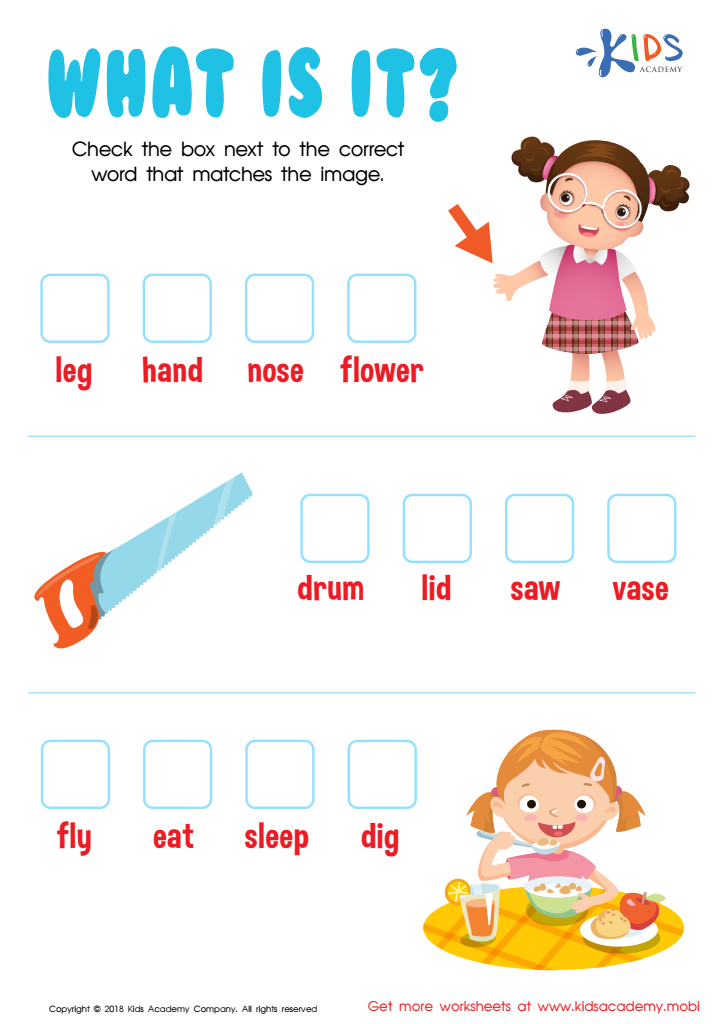
What Is It? Worksheet
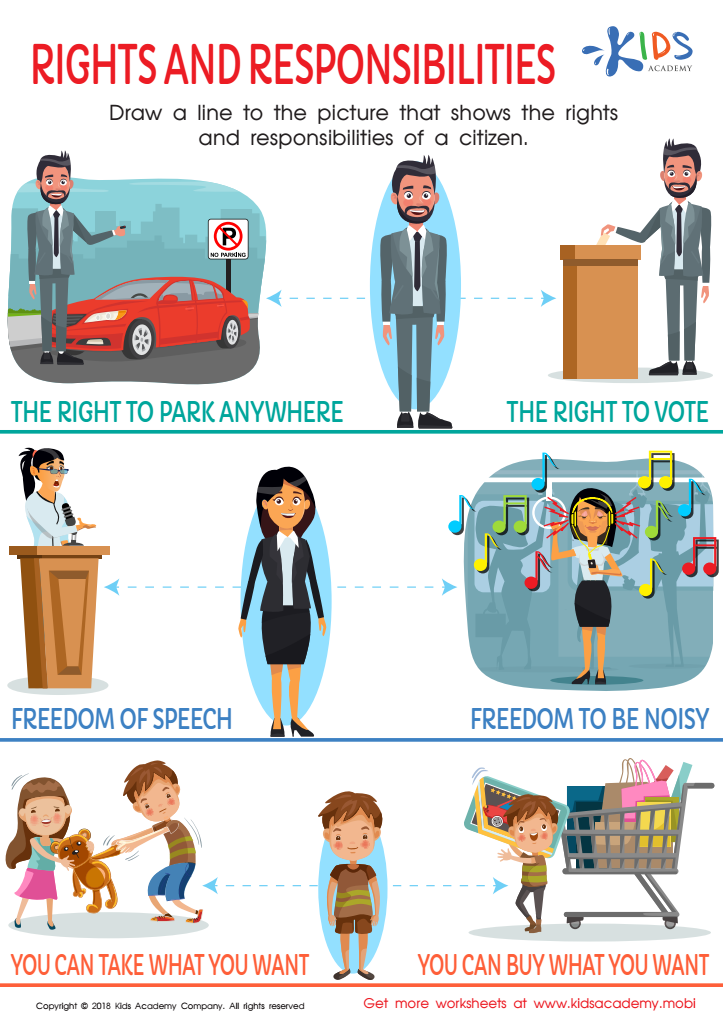
Rights and Responsibilities Worksheet
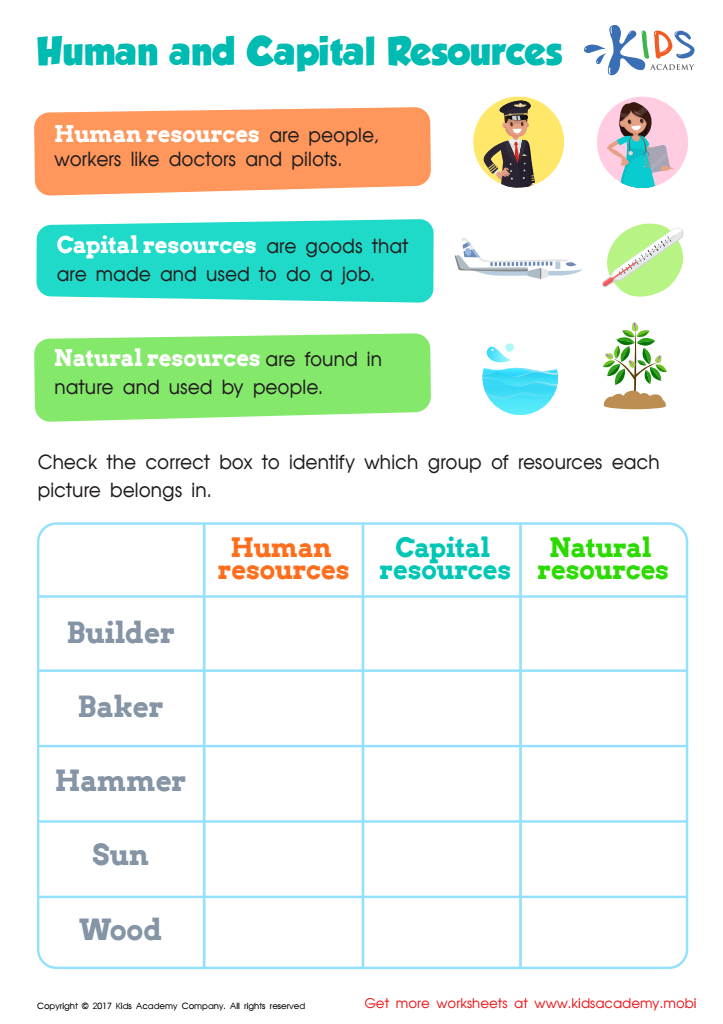
Human and Capital Resources Worksheet
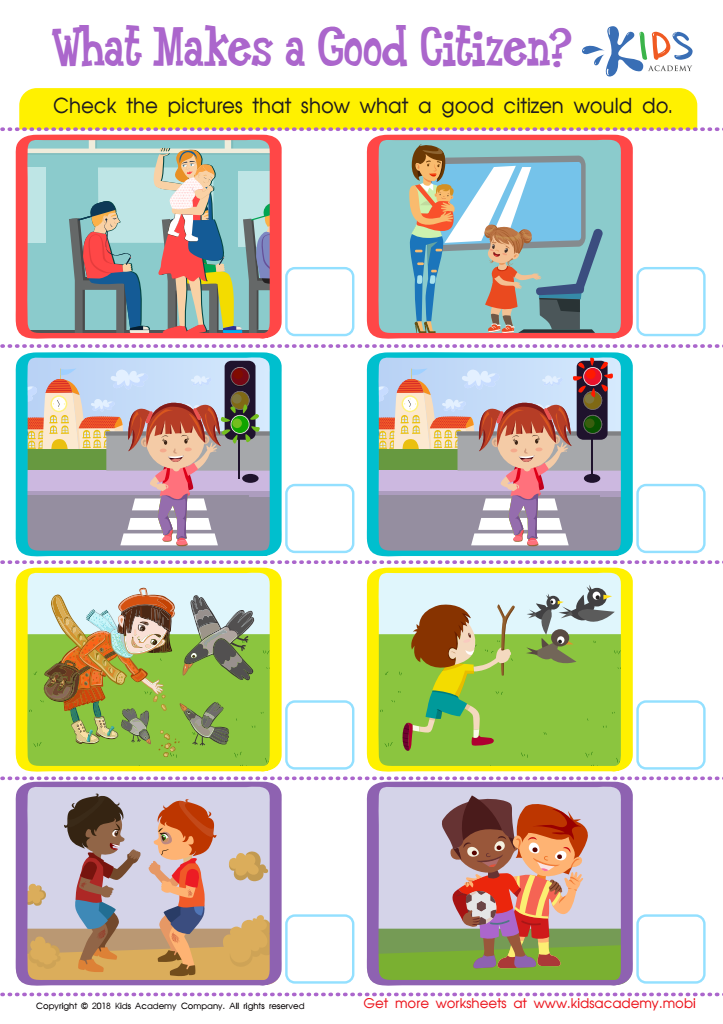
What Makes a Good Citizen? Worksheet
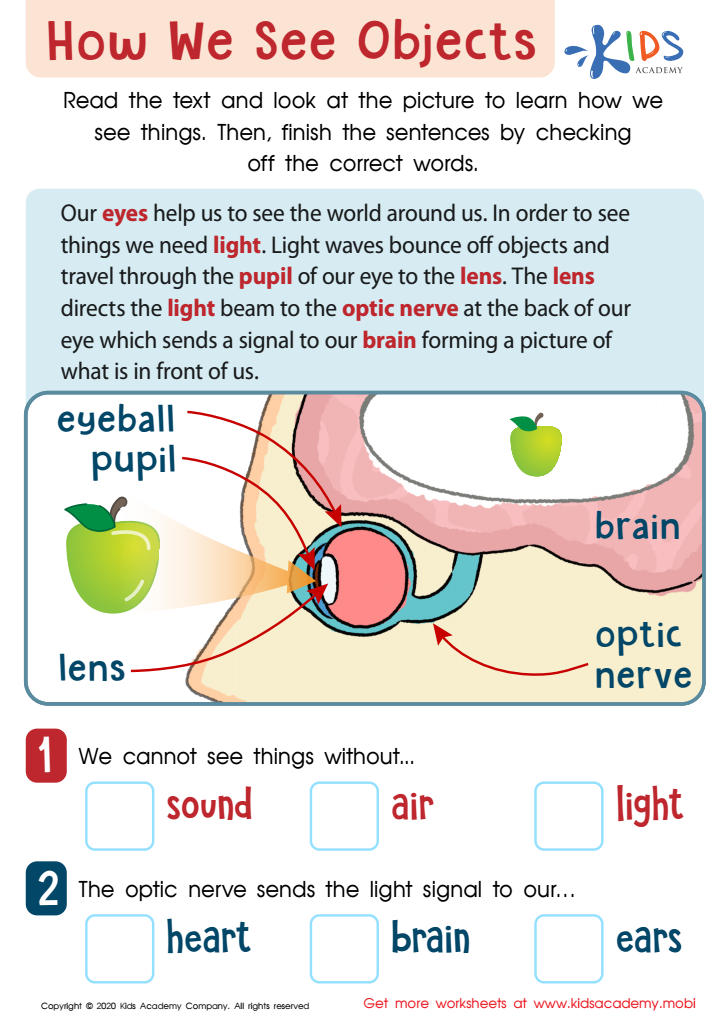
How We See Objects Worksheet
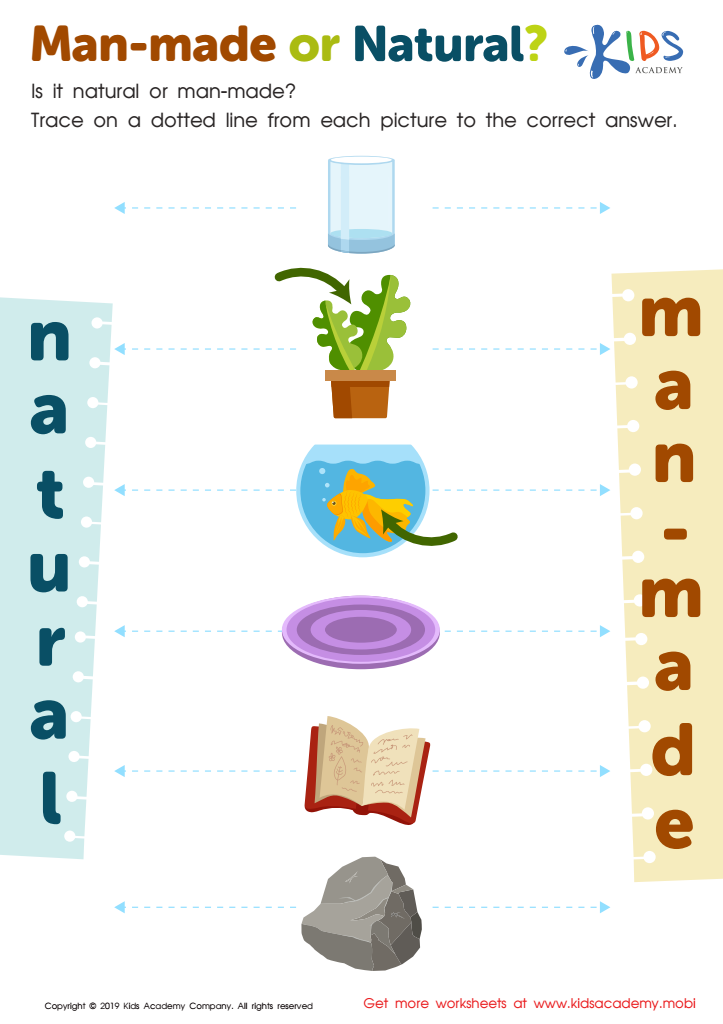
Man-Made or Natural? Worksheet








Developing critical thinking skills in children is essential for fostering independent, informed thinkers who can navigate an increasingly complex world. Parents and teachers play a vital role in nurturing these skills, as they lay the foundation for various aspects of children’s lives.
Critical thinking enables children to analyze information, evaluate evidence, and make reasoned decisions. In today’s information-rich society, the ability to discern credible sources from unreliable ones is crucial. This skill set not only helps them in academic settings but also prepares them for real-world challenges, helping them solve problems creatively and responsibly.
Additionally, establishing a culture of inquiry encourages children to ask questions and think deeply, promoting a lifelong love of learning. It empowers them to communicate effectively, articulate their ideas, and engage in constructive discussions with others.
Moreover, developing critical thinking cultivates emotional intelligence and ethical reasoning. Children learn to understand different perspectives, fostering empathy and respect for diversity. In essence, fostering critical thinking in children lays the groundwork for them to become proactive, engaged citizens capable of contributing positively to society. Thus, prioritizing the development of these skills should be a shared commitment among parents and educators.








