Differentiating shapes Normal Worksheets
3 filtered results
-
From - To
Explore our "Differentiating Shapes Normal Worksheets," designed to help young learners recognize and understand various geometric shapes. Engaging and interactive, these worksheets facilitate learning through fun activities that encourage children to identify, categorize, and differentiate between shapes like circles, squares, triangles, and more. Perfect for early-grade students, our printable resources support skill development in a structured format while enhancing creativity. Ideal for classroom use or home practice, these worksheets align with educational standards and promote essential visual-spatial skills. Empower your child's learning journey with our thoughtfully crafted worksheets, making shape recognition enjoyable and effective!
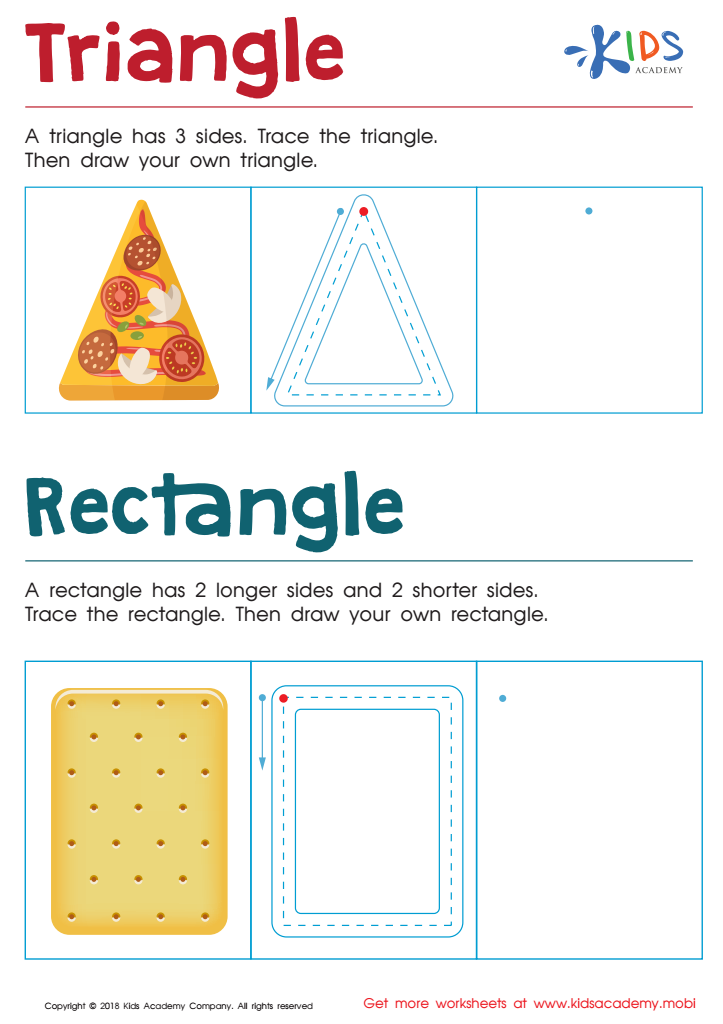
Triangle Rectangle Worksheet
 Assign to My Students
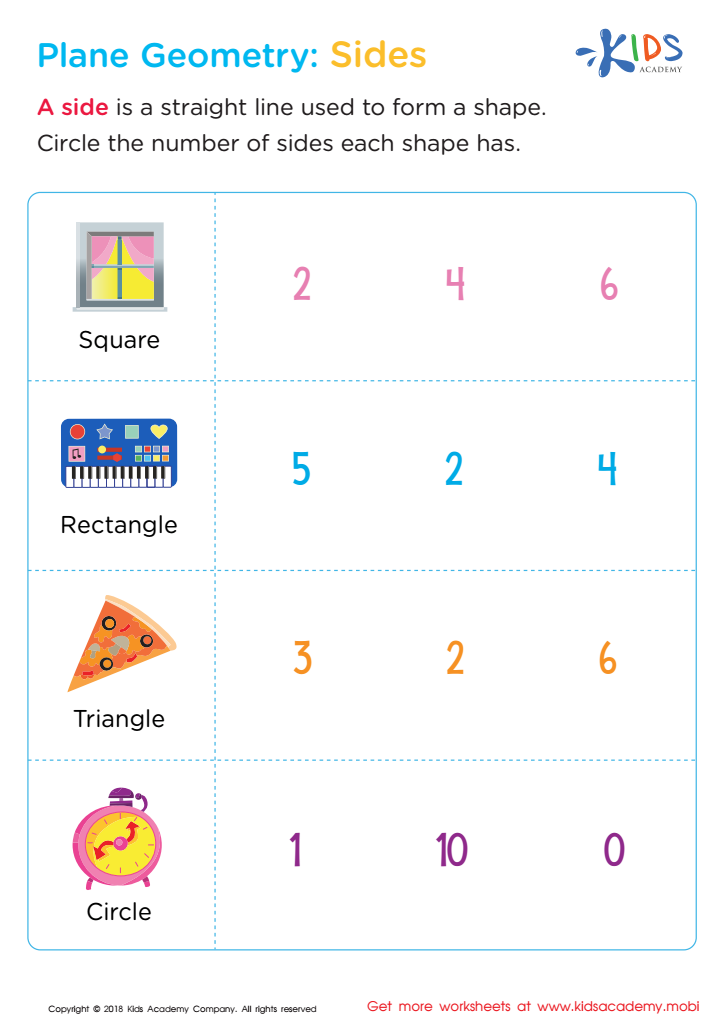
Plane Geometry: Sides Worksheet
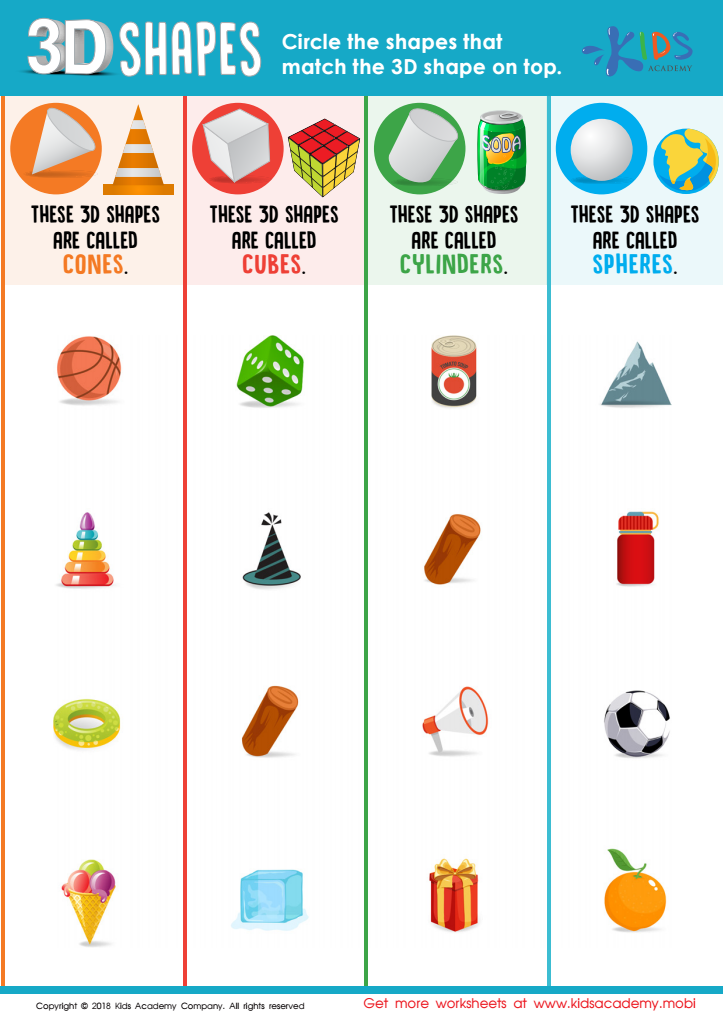
3D Shapes Worksheet




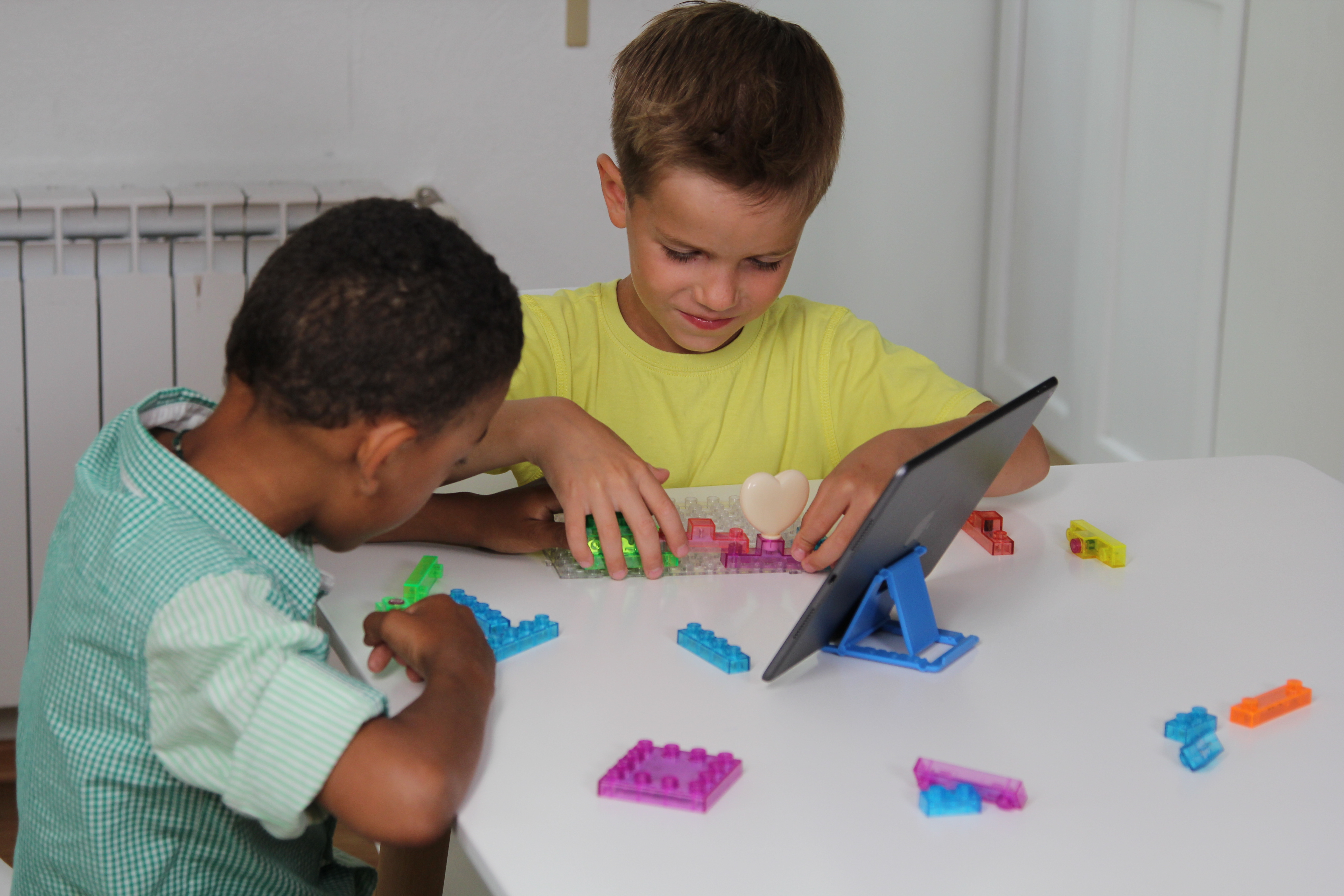

Differentiating shapes is essential for young learners as it lays the groundwork for their understanding of geometry and spatial recognition—skills vital for various academic subjects and daily life. Parents and teachers should care about this differentiation because it caters to diverse learning styles and developmental levels. Not all children grasp concepts at the same pace; some may struggle with basic shape recognition, while others may quickly advance to more complex spatial reasoning tasks.
By using differentiated instruction, educators can meet each child where they are, providing tailored activities that challenge yet support students' individuality. This approach fosters a love for learning, encourages critical thinking, and builds confidence. For instance, using varied resources, such as visual aids, hands-on shape manipulatives, or interactive technology, can help children relate shapes to real-world experiences and deepen their understanding.
Moreover, early proficiency in recognizing and manipulating shapes contributes to later success in math and sciences, as well as enhances problem-solving skills. Ultimately, by prioritizing differentiation in shape learning, educators and parents can ensure that every child develops a strong foundational skill set crucial for future academic pursuits and everyday decision-making.








