Geographic Understanding Normal Worksheets
3 filtered results
-
From - To
Geographic Understanding Normal Worksheets are designed to enhance young learners' comprehension of geographical concepts through engaging and educational activities. These worksheets cover a variety of topics, including maps, landforms, continents, and natural resources. Each worksheet is crafted to improve children's spatial thinking, navigational skills, and global awareness, making learning geography fun and interactive. Suitable for early grade students, these resources focus on age-appropriate content to build a strong foundation in geography. Visit Kids Academy to explore our collection and support your child's journey towards a better understanding of the world around them.
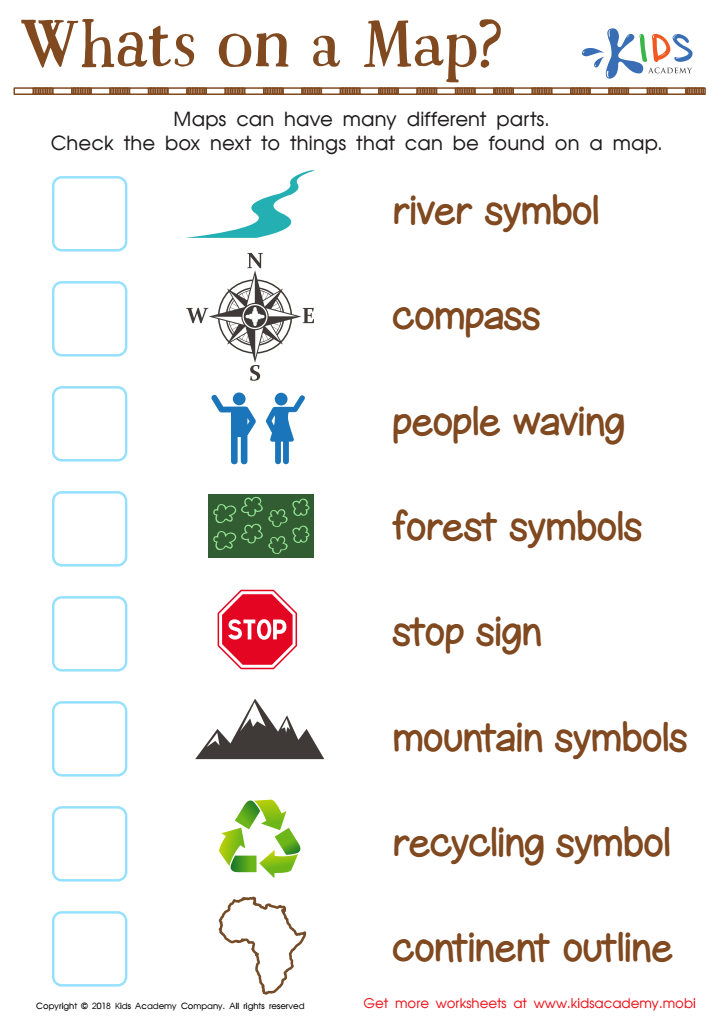
Whats on a Map? Worksheet
 Assign to My Students
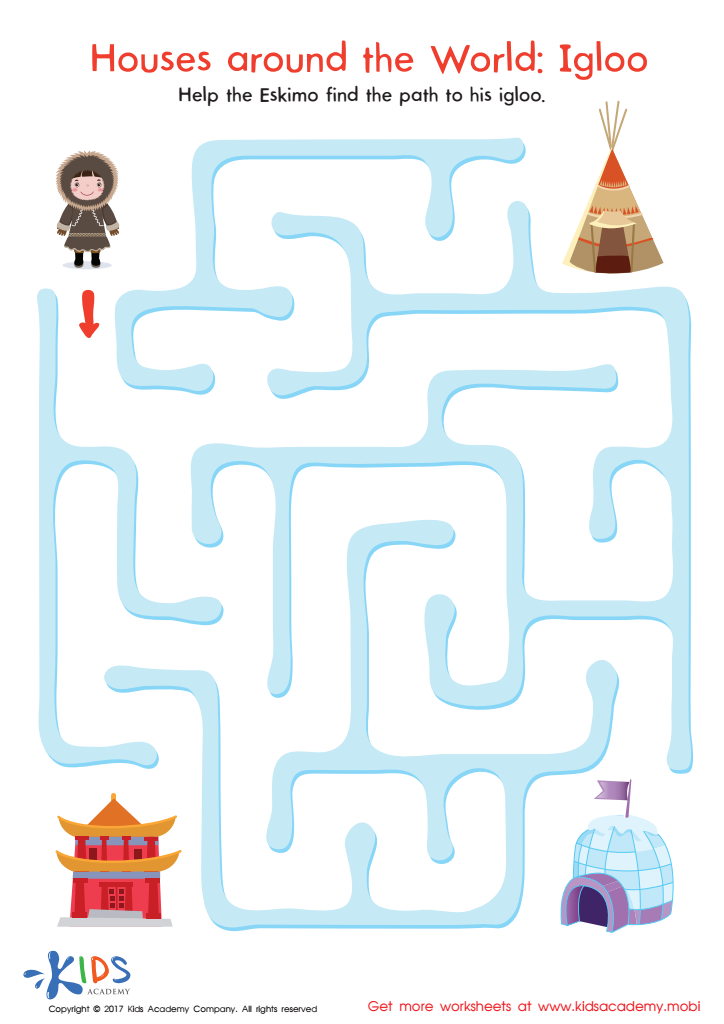
Houses Around the World: Igloo Printable
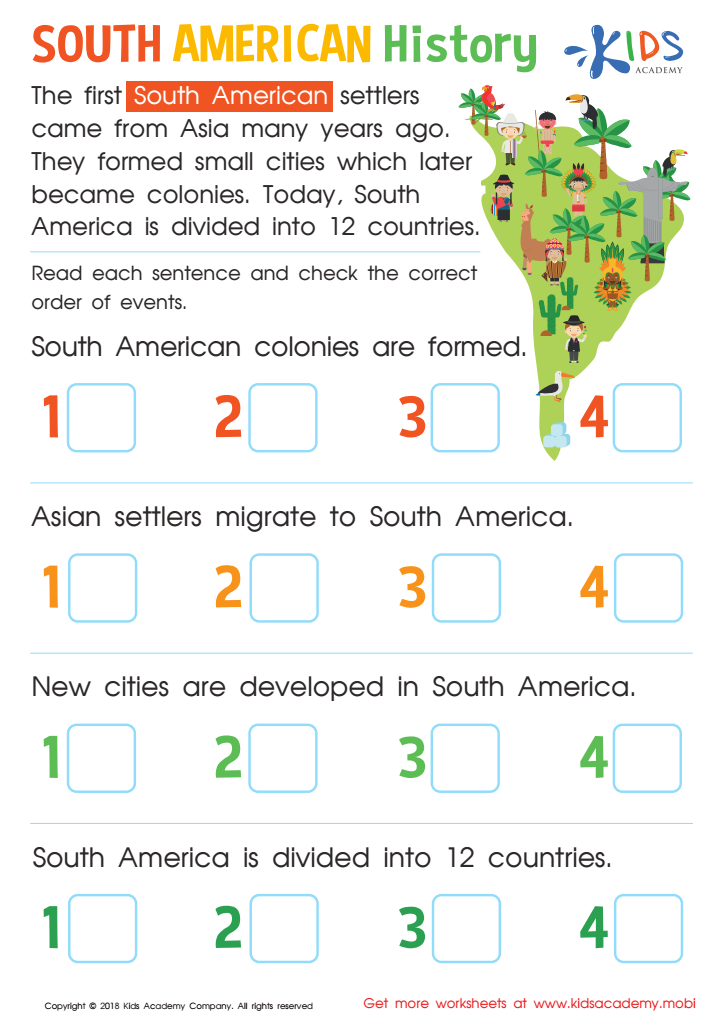
South American History Worksheet






Parents and teachers should care about Geographic Understanding Normal (GUN) because it is essential for children’s overall development and critical thinking. Geography isn't just about memorizing maps and capitals; it involves understanding the relationships between people, places, and environments, which can foster a sense of global citizenship.
An essential benefit of geographic literacy is enhancing children's problem-solving skills. For instance, understanding geographic concepts can help kids grasp climate change's impact, natural resource distribution, and cultural differences. This fosters informed, conscientious individuals aware of the world's complexities.
Moreover, geographic understanding plays a significant role in fostering empathy and tolerance. When children learn about various places and cultures, they expand their worldview and appreciate diversity. This encourages students to respect and embrace differences, counteracting prejudices and stereotypes.
Furthermore, geographic literacy is crucial in promoting environmental stewardship. Children who understand the impact of human activities on the environment are more likely to engage in sustainable practices and advocate for conservation efforts, contributing to a healthier planet.
Incorporating geographic education equips students with valuable knowledge, making their learning more relevant and applicable to real life. Thus, geographic understanding is key in nurturing informed, empathetic, and responsible future citizens, making it a vital component of a well-rounded education.








