Understanding adjectives Normal Worksheets
5 filtered results
-
From - To
Our "Understanding Adjectives Normal Worksheets" are designed to effectively enhance children's grammar skills by focusing on adjective usage. These engaging worksheets provide a variety of activities that help learners identify, describe, and use adjectives correctly in sentences. Tailored for young minds, these printable resources support vocabulary development, promote creative thinking, and improve writing clarity. By completing these exercises, kids will gain confidence in using adjectives to make their writing more vivid and precise. Ideal for classroom use or at-home practice, these worksheets are a valuable tool for mastering the fundamentals of descriptive language.
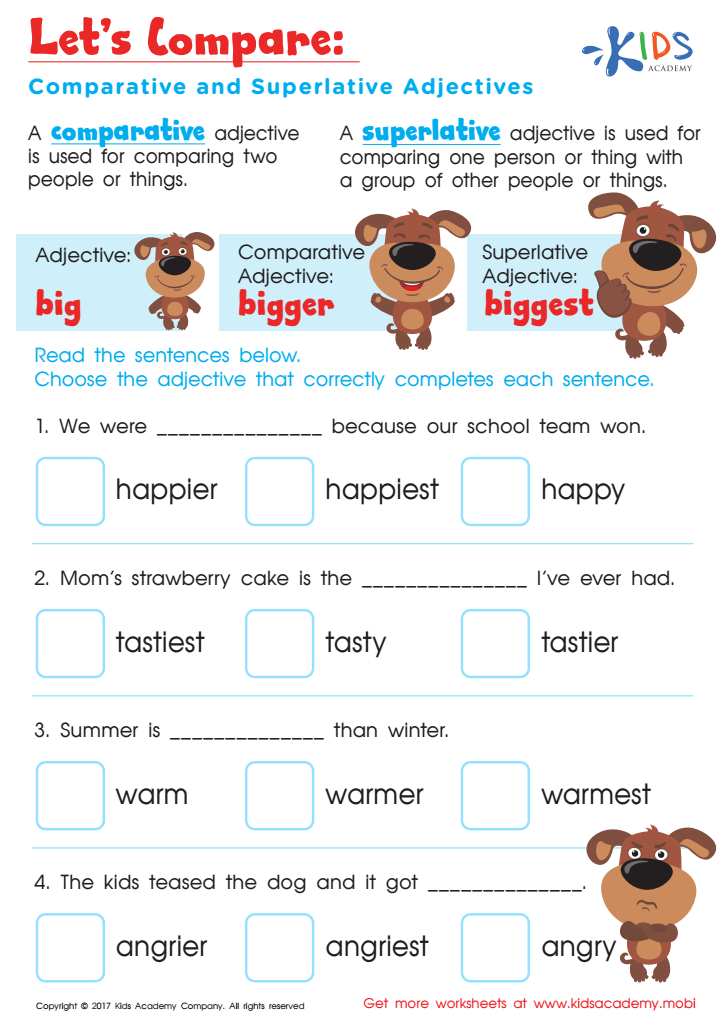
Comparative and Superlative Worksheet
 Assign to My Students
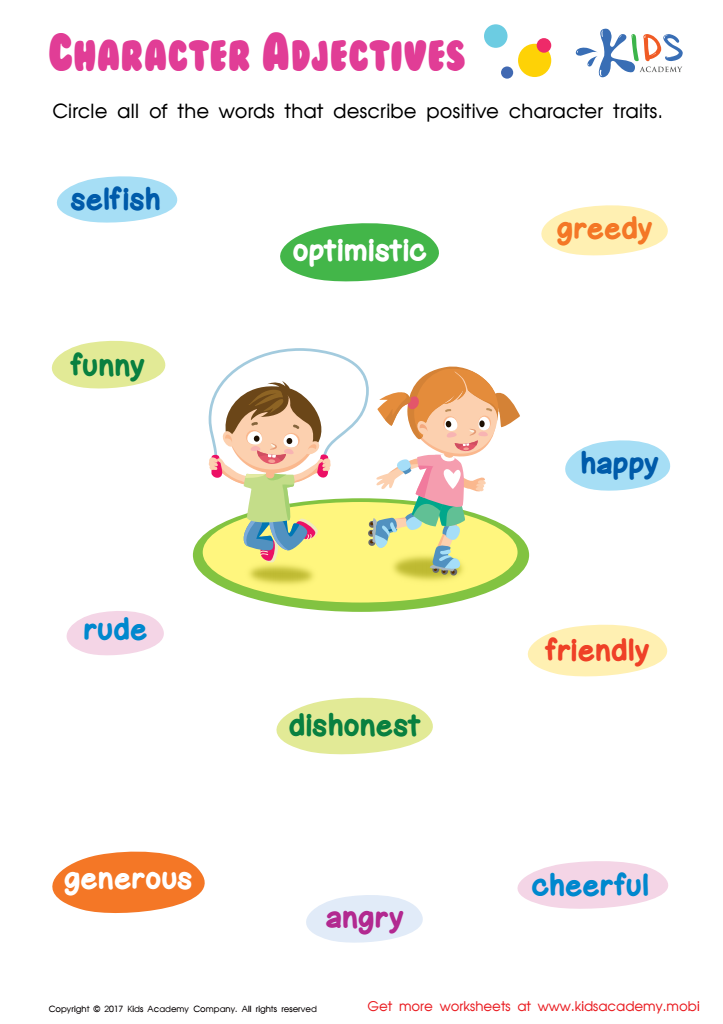
Character Adjectives Worksheet
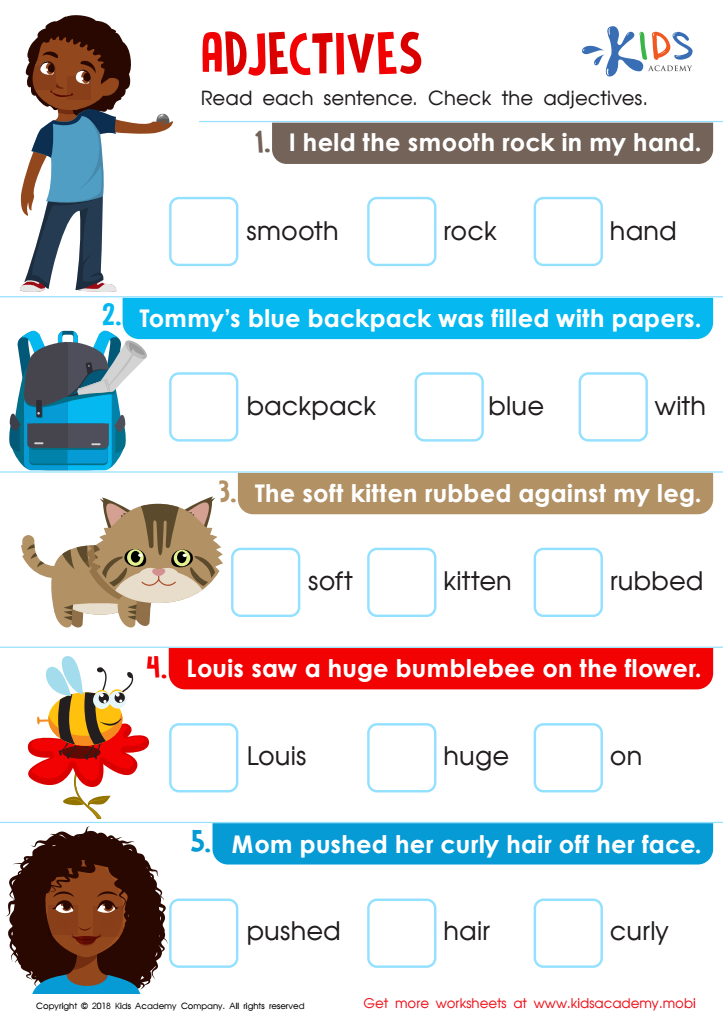
Adjectives Worksheet
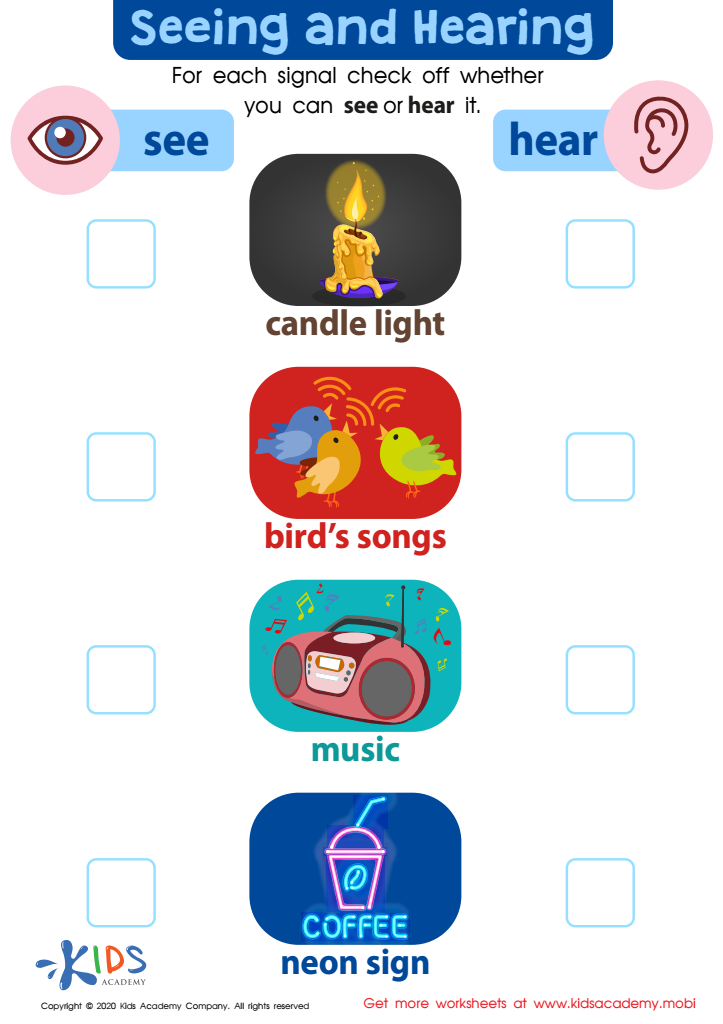
Seeing and Hearing Worksheet
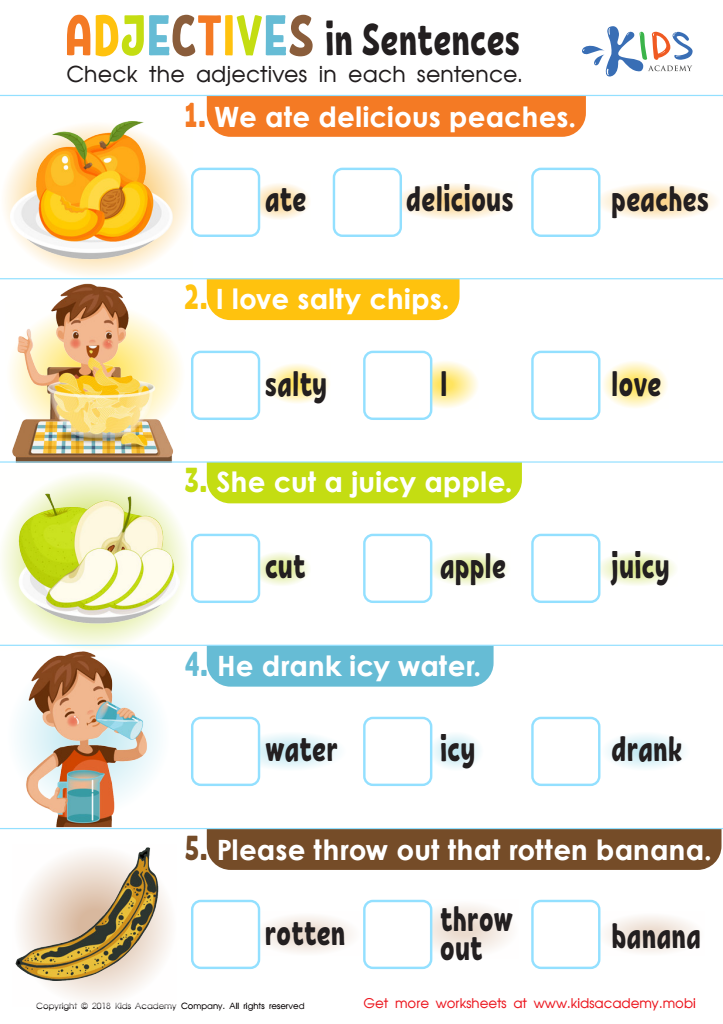
Adjectives in Sentences Worksheet







Adjectives play a crucial role in language development and communication, underscoring their importance for both parents and teachers. For children, understanding adjectives can significantly enhance their ability to describe their experiences, express their feelings, and create detailed images in their minds. Adjectives add color and detail to sentences, helping them become more vivid and engaging. For example, instead of saying "a cat," a child can say "a fluffy, white cat," which paints a clearer picture.
In the classroom, a solid grasp of adjectives contributes to improved reading comprehension. When students can identify and understand descriptive words, they are better equipped to grasp the nuances of stories, essays, and other texts. Adjectives also play a role in critical thinking, enabling students to compare, contrast, and classify objects and ideas precisely.
For parents, emphasizing the use of adjectives in daily conversations fosters richer family dialogues and supports their child's verbal development. Encouraging children to explain their world in more detail not only strengthens their linguistic skills but also bolsters their confidence in expressing themselves.
Ultimately, appreciating the value of adjectives can transform both teaching approaches and home interactions, fostering a more enriching and supportive environment for a child's growth and learning.








