Understanding communities Normal Worksheets
6 filtered results
-
From - To
Discover "Understanding Communities Normal Worksheets," a valuable resource designed to enhance young learners' comprehension of their local environments. These engaging worksheets help students explore the various aspects of their communities, such as roles, responsibilities, and resources. Through fun activities, children will develop essential social skills and a broader understanding of how different community elements contribute to daily life. Ideal for early grade teachers, these printable worksheets encourage classroom discussion and promote critical thinking. Empower your students to connect with their surroundings and foster a sense of belonging through these carefully crafted educational tools. Elevate your lessons with our community-themed resources today!
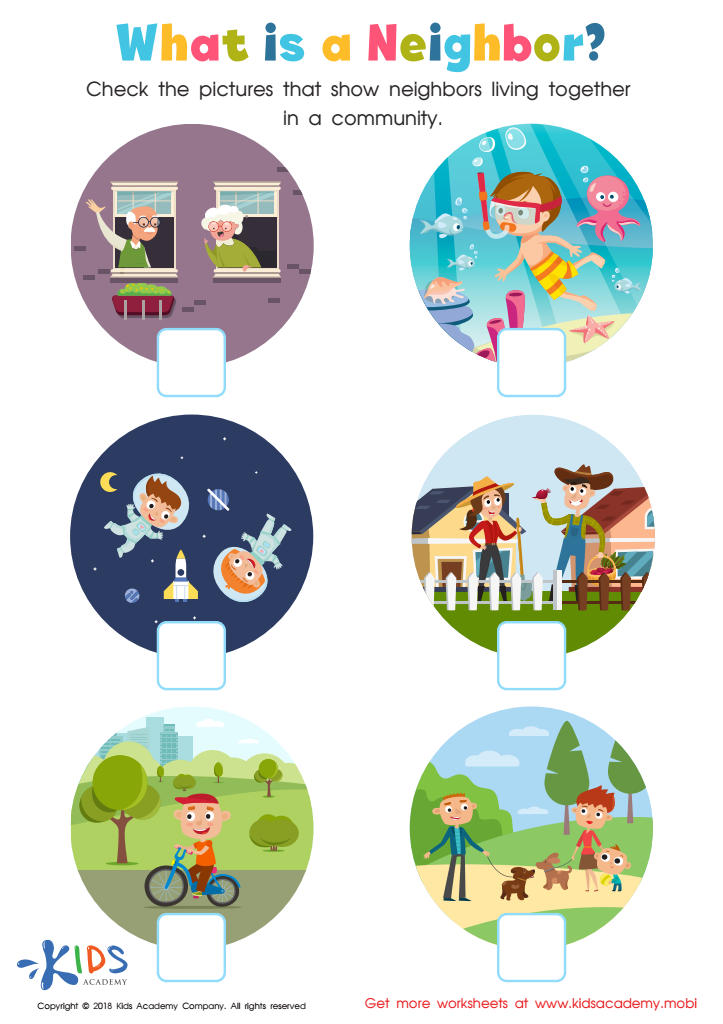
What is a neighbor Worksheet
 Assign to My Students
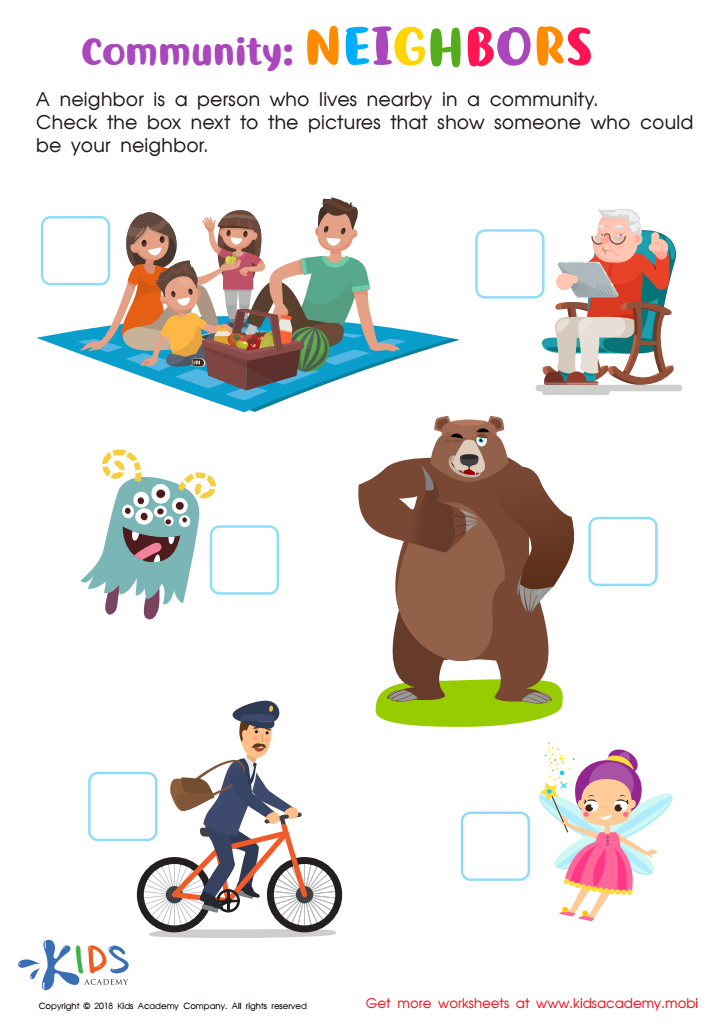
Community: Neighbors Worksheet
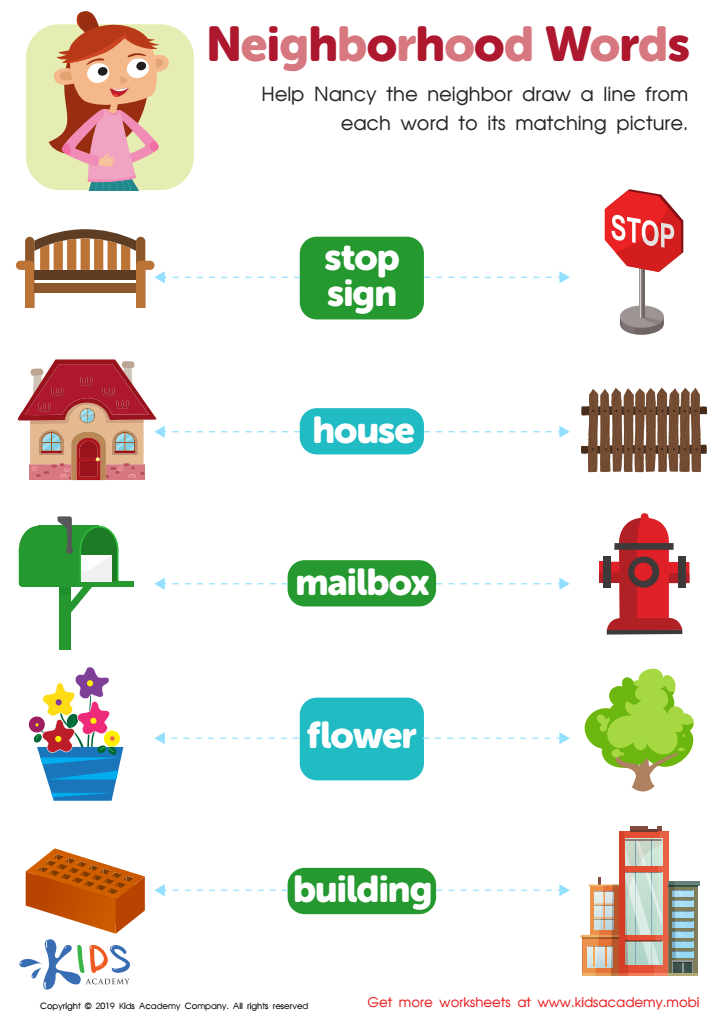
Neighborhood Words Worksheet
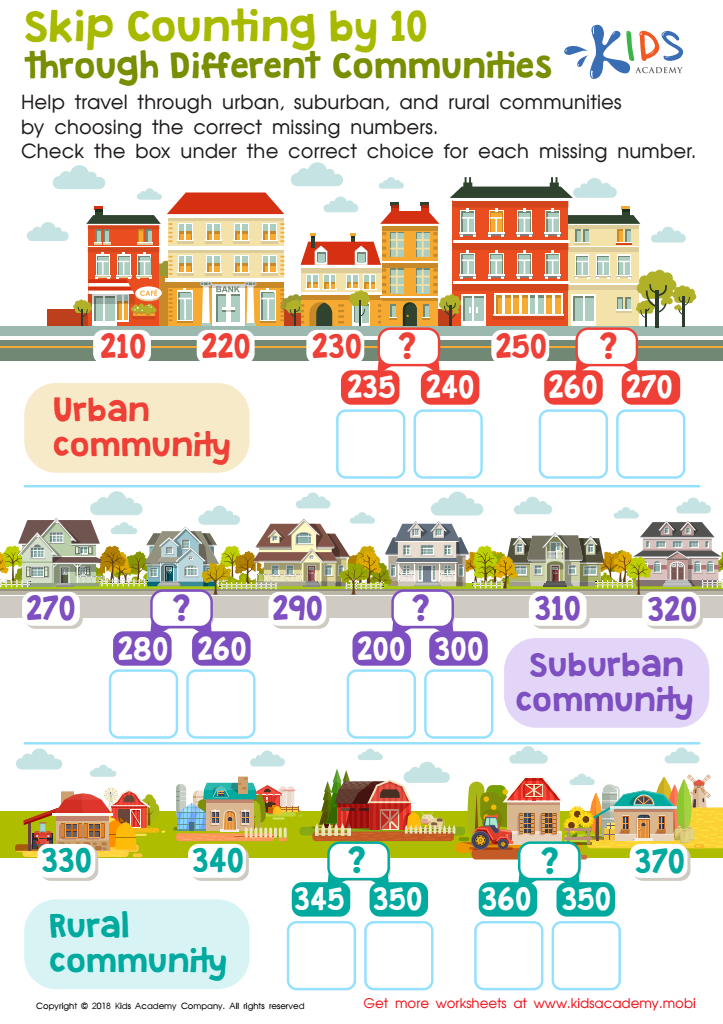
Skip Counting by 10 through Different Communities Worksheet
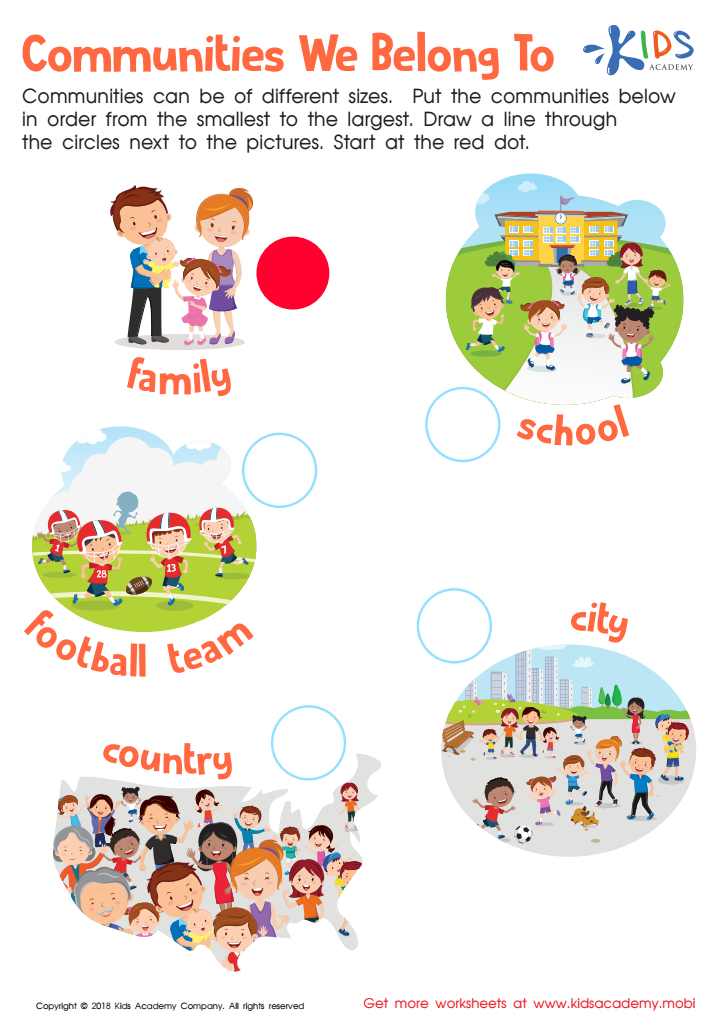
Communities We Belong to Worksheet
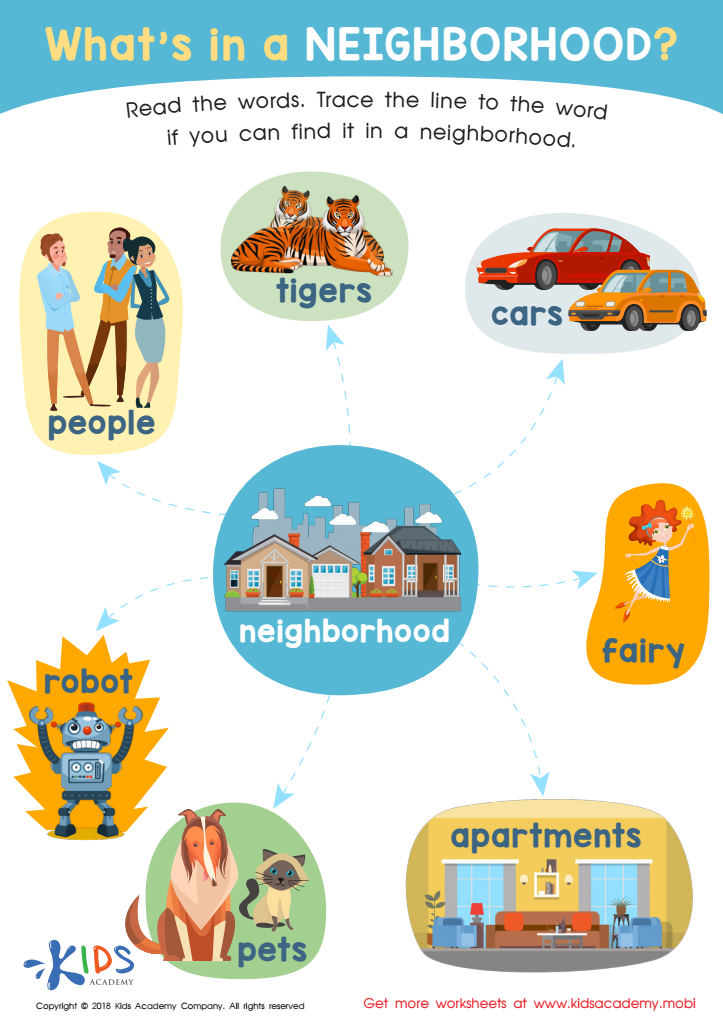
What's in a Neighborhood? Worksheet



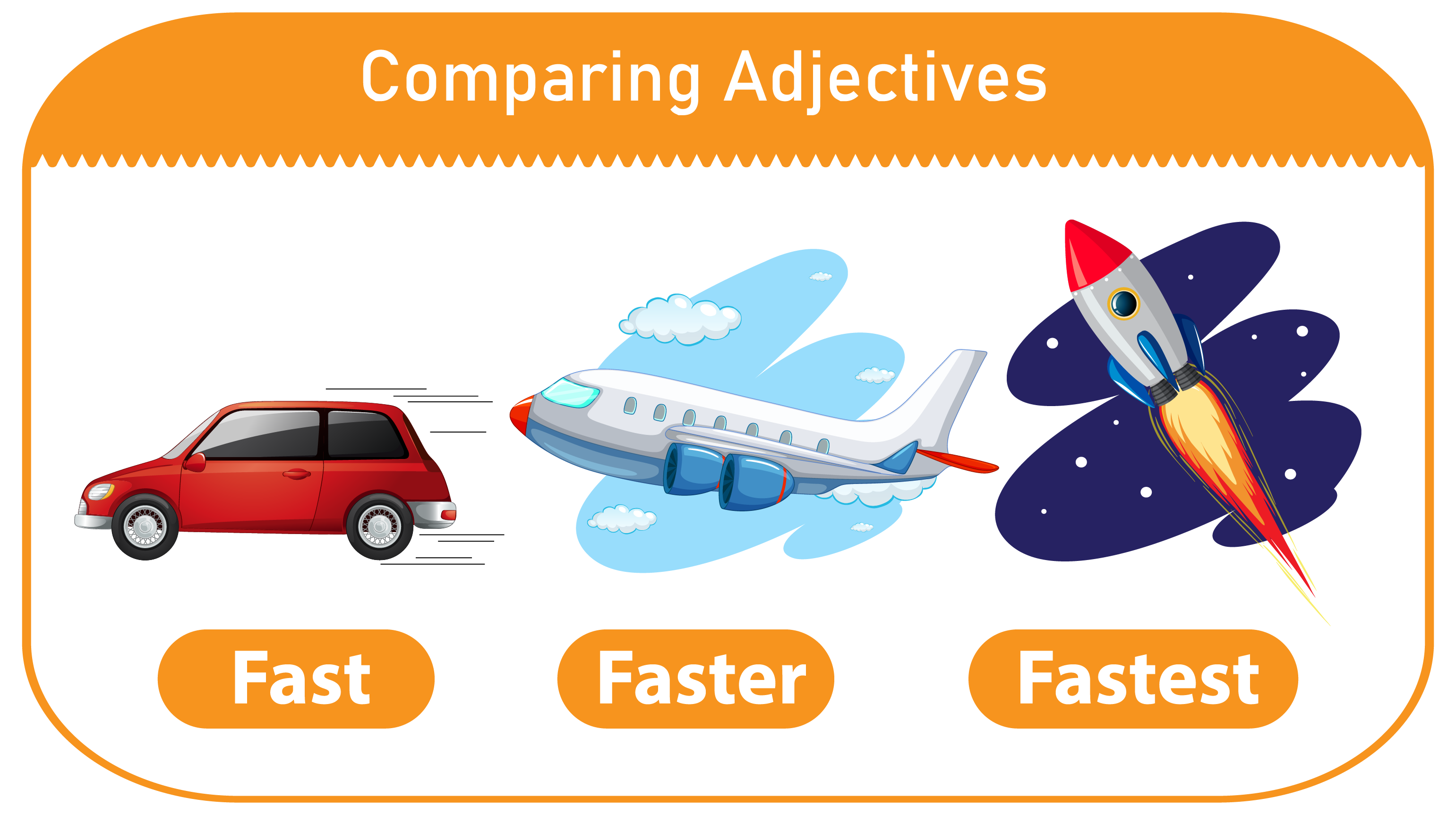
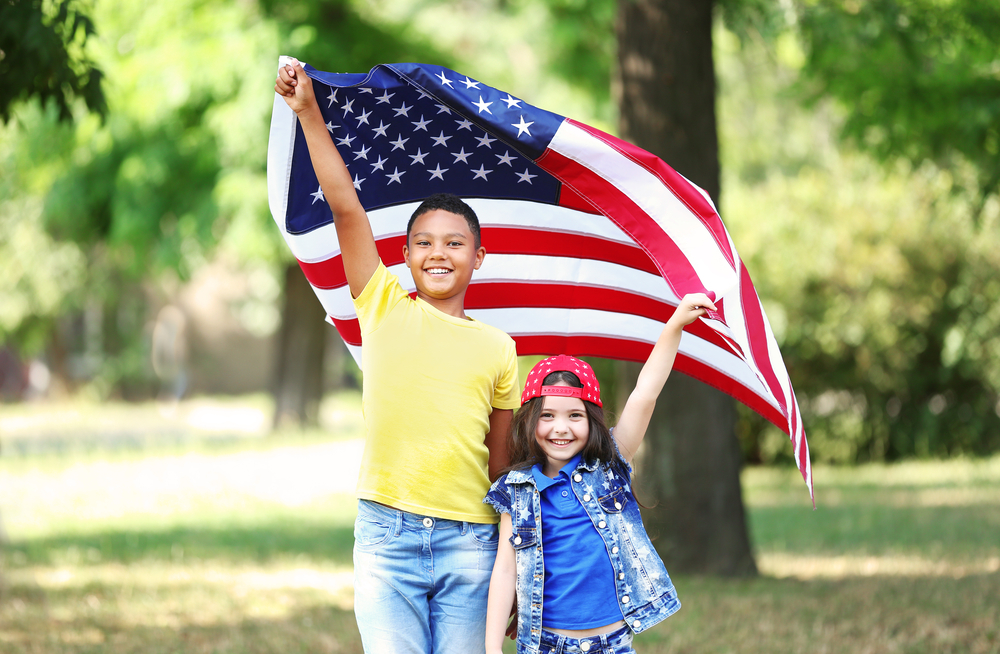
.jpg)

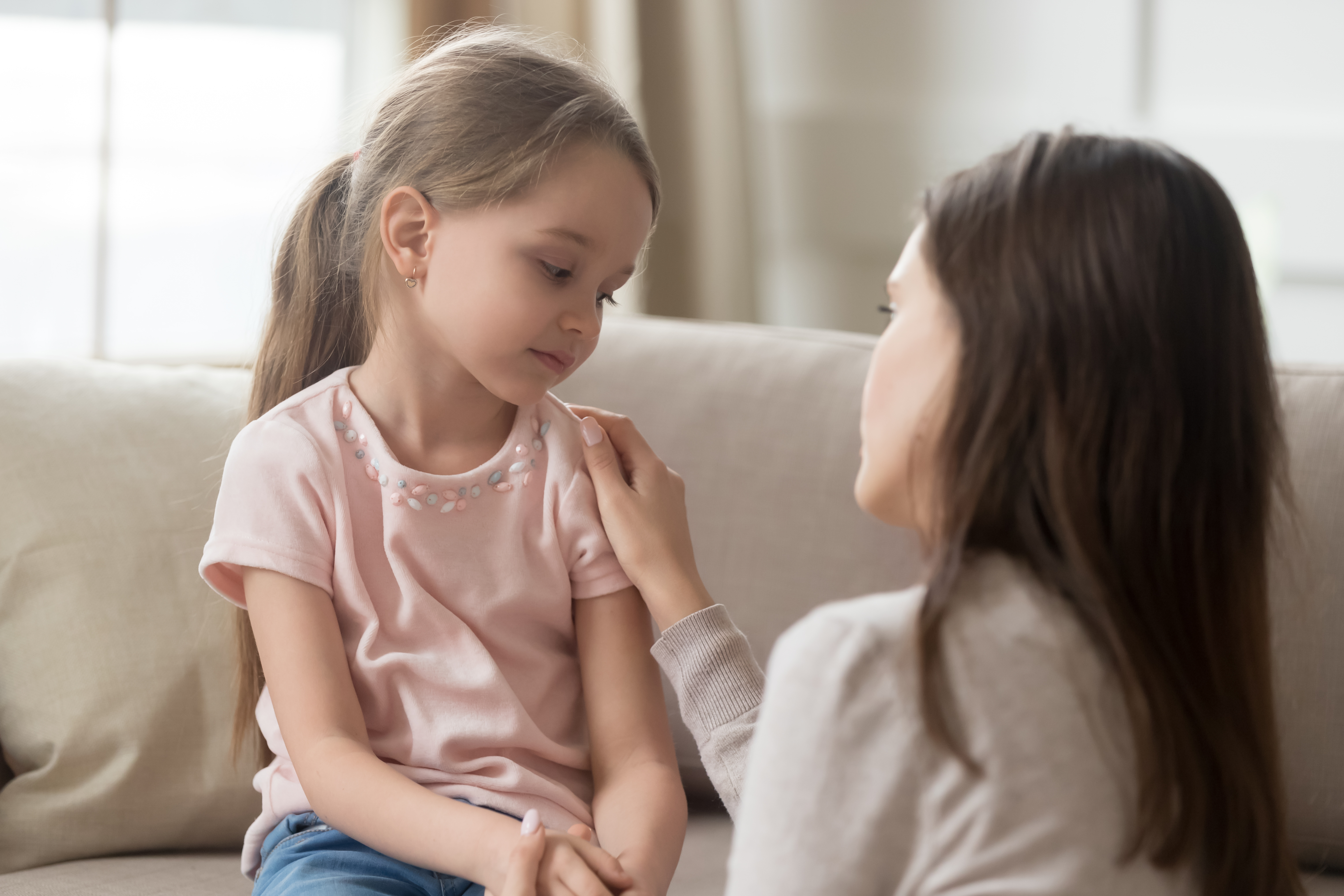
Understanding communities is crucial for both parents and teachers because it strengthens the foundation of a child’s education and development. Community dynamics significantly influence a child's upbringing, values, and social interactions. When parents and teachers engage with the community, they foster a deeper connection and understanding of the resources and opportunities available to children, such as after-school programs, mentorship initiatives, and cultural events.
Teachers who are familiar with the communities they serve can tailor their teaching strategies to reflect students' backgrounds, creating a more inclusive and relevant learning environment. This cultural competency not only enhances academic performance but nurtures respect for diversity.
Moreover, when parents and teachers collaborate and share insights about the community, they can better support children’s emotional and social well-being. Understanding community norms helps them address issues such as bullying, social conflicts, and mental health challenges effectively.
Ultimately, a well-rounded understanding of the community enriches the educational experience, promotes social responsibility, and cultivates future leaders. By caring about community dynamics, parents and teachers play a pivotal role in guiding children towards becoming active, informed, and empathetic members of society. This partnership is vital for fostering resilience and a sense of belonging in children.








