Visual learning stimulation Normal Worksheets
3 filtered results
-
From - To
Discover our "Visual Learning Stimulation Worksheets," designed to enhance children's understanding and retention through engaging visuals. Tailored for early learners, these worksheets include vibrant graphics and relatable imagery, making abstract concepts more tangible and easier to grasp. They're perfect for younger students who benefit from visual cues, helping them develop critical thinking and problem-solving skills. Our collection covers various subjects and learning skills, ensuring that every worksheet is fun, interactive, and educational. Encourage your child's learning journey with our thoughtfully crafted materials that stimulate visual learning and foster a love for education. Ideal for classrooms and home schooling!
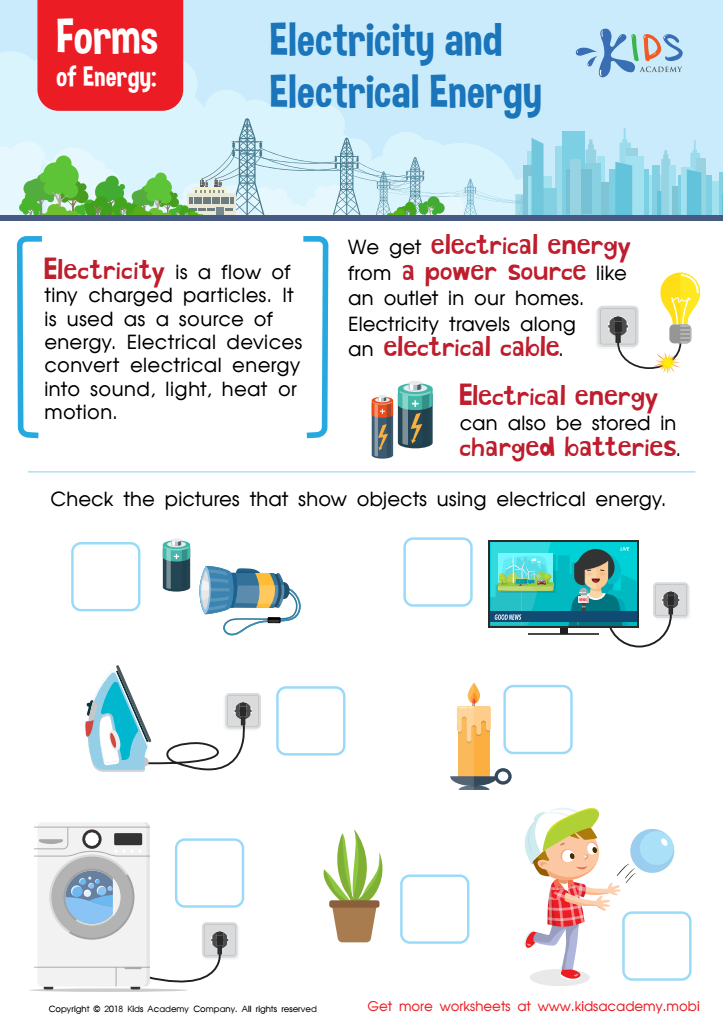
Forms of Energy Worksheet
 Assign to My Students
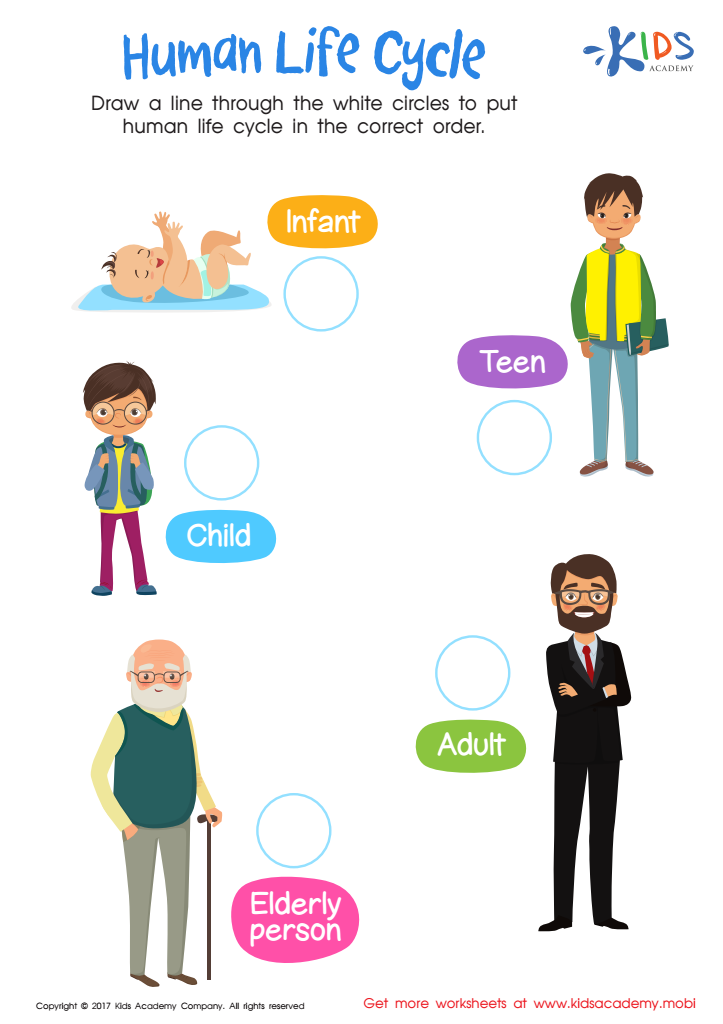
Human Life Cycle Worksheet
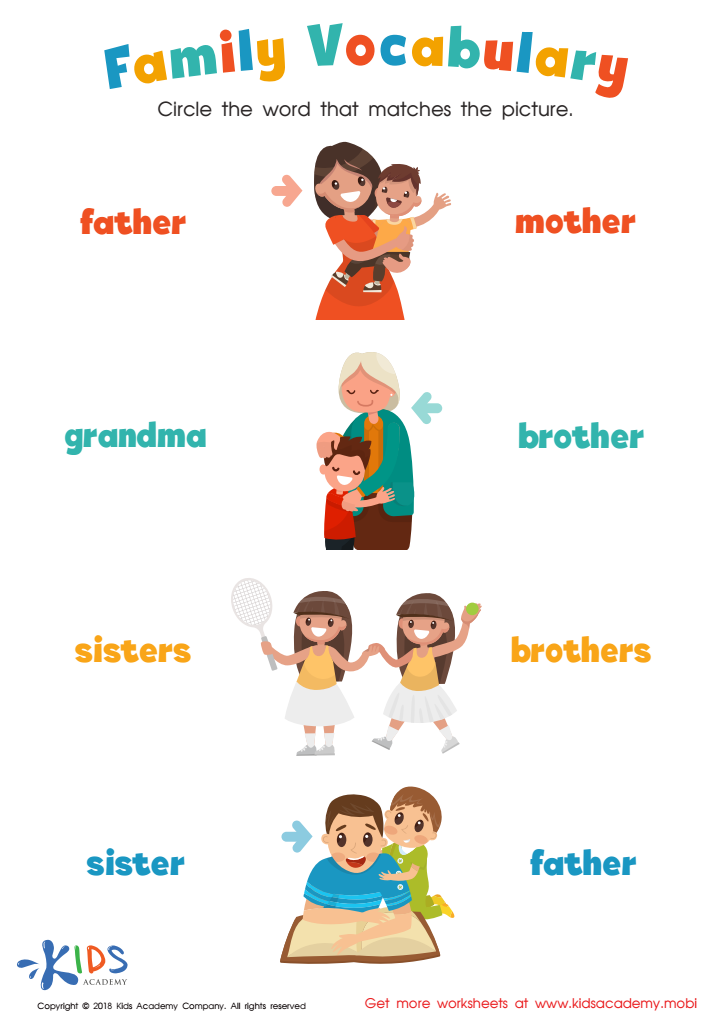
Family Vocabulary Worksheet







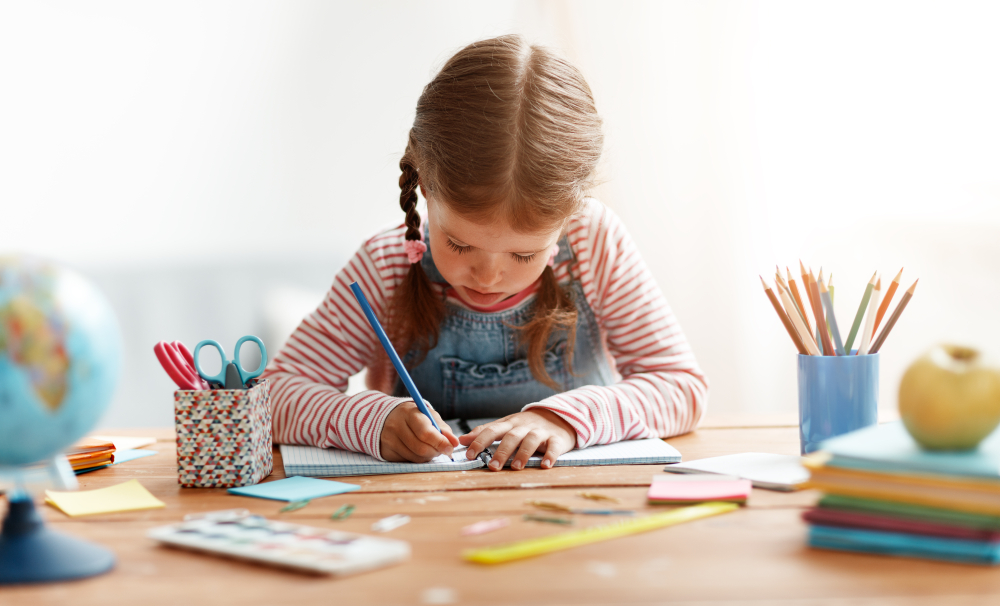
Visual learning stimulation is crucial for the cognitive and emotional development of young learners, making it essential for parents and teachers to prioritize its integration into their educational practices. Children are naturally inclined to respond to visual stimuli, which can enhance their understanding and retention of information. In a world filled with distractions, leveraging visual aids—such as charts, images, videos, and engaging graphics—captures students' attention more effectively than text alone.
Moreover, visual learning supports diverse learning styles. Some children might struggle with verbal communication but thrive when information is presented visually. By incorporating visual elements, educators can cater to various learners' needs, helping all students engage better with the material.
Visual stimulation also promotes creativity and critical thinking. When children interact with visually rich materials, they are encouraged to analyze, compare, and innovate, which reinforces their problem-solving skills.
Furthermore, early exposure to visual learning methods can foster a love for learning, instilling curiosity and encouraging exploratory behavior. When parents and teachers prioritize visual learning stimulation, they create a dynamic and supportive environment that enables children to thrive academically, socially, and emotionally, paving the way for lifelong learning success.








