Vocabulary Building Normal Worksheets - Page 3
51 filtered results
-
From - To
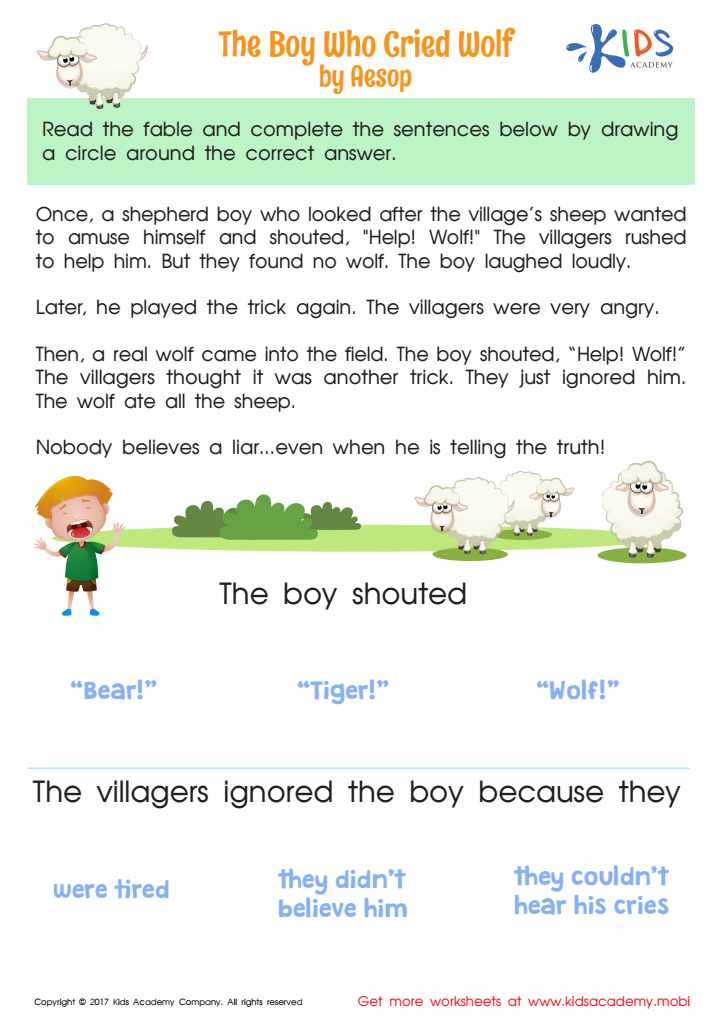
The Boy Who Cried Wolf Worksheet
 Assign to My Students
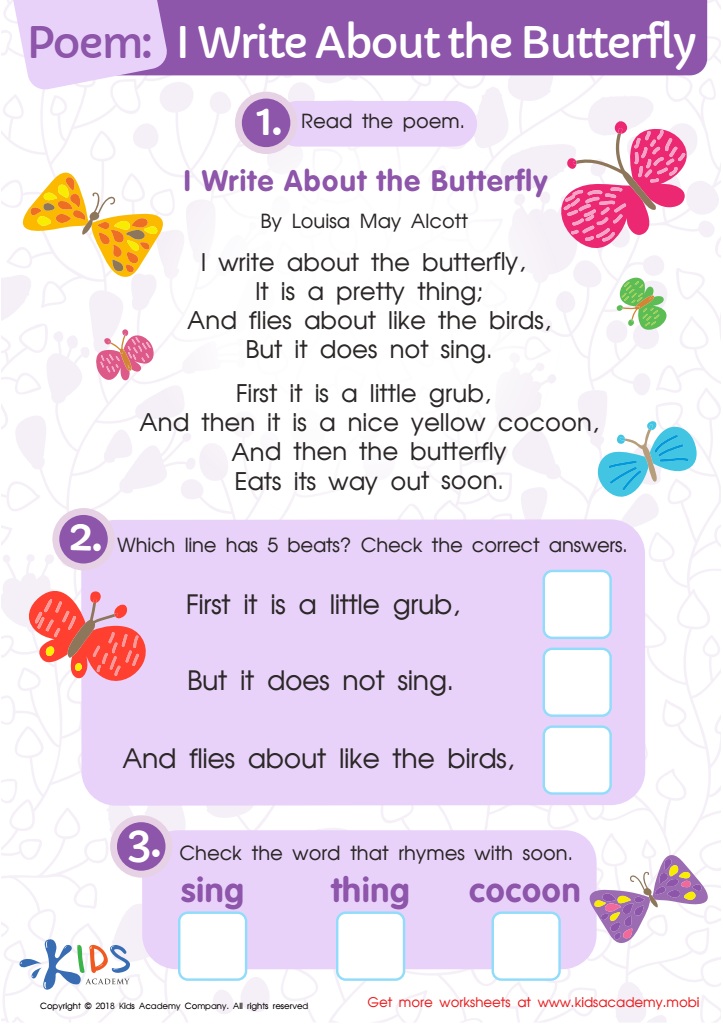
Poem: I Write About The Butterfly Worksheet
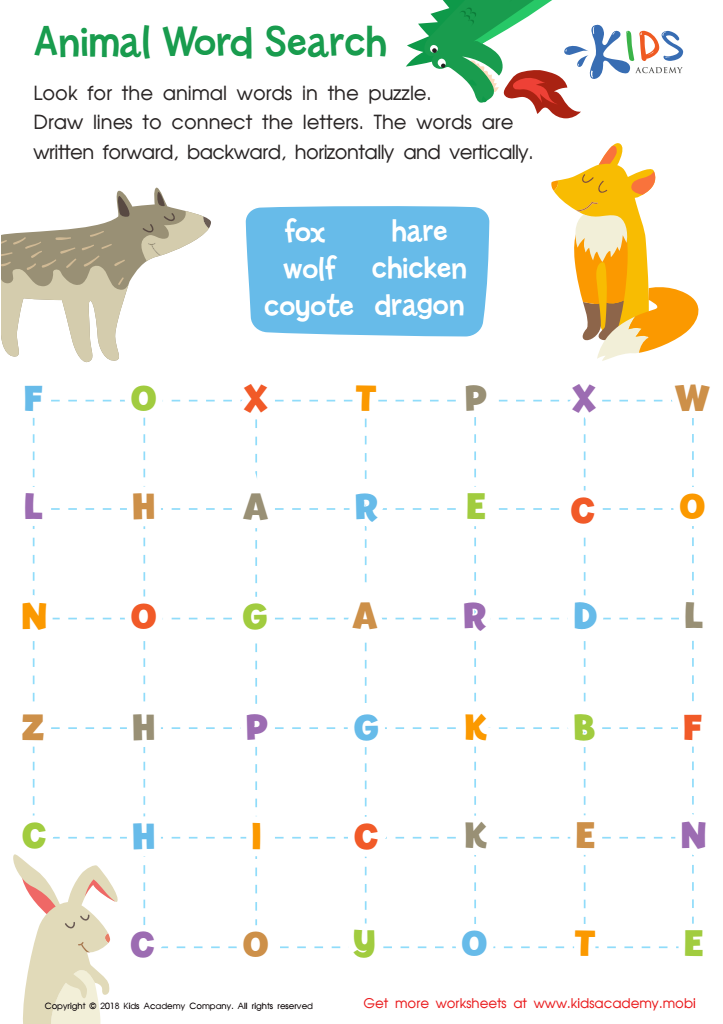
Animal Word Search Worksheet








Vocabulary building is a crucial aspect of a child’s early education, shaping their ability to communicate effectively, comprehend complex texts, and excel across various subjects. Both parents and teachers play pivotal roles in this process because a rich vocabulary forms the foundation for academic success and future career development.
Firstly, children with a strong vocabulary tend to perform better in reading comprehension, which is essential for understanding instructions, enjoying literature, and responding accurately to questions. Without an extensive vocabulary, students can struggle to grasp meaning, hindering their overall academic performance.
Secondly, vocabulary is directly linked to critical thinking skills. When children learn new words, they also learn new concepts and ideas, which broadens their perspective and enhances problem-solving abilities. An enriched lexicon enables students to articulate their thoughts clearly and persuasively, which is vital in both school and life.
Moreover, vocabulary-building efforts contribute to a child’s social development. Being able to communicate effectively helps them to express their emotions, engage in conversations, and build relationships. This emotional intelligence is crucial for teamwork and collaboration in both personal and professional settings.
Therefore, investing in vocabulary building from an early age nurtures an all-rounded, confident individual, prepared to navigate the complexities of language and interaction throughout their life.








