Developing analytical thinking Normal Comparing Numbers Worksheets
3 filtered results
-
From - To
Developing analytical thinking with our Normal Comparing Numbers Worksheets enhances children's numerical comprehension by asking them to analyze and compare different numbers. These engaging activities are designed to foster critical thinking and provide essential practice in understanding greater than, less than, and equal to concepts. Ideal for early graders, these worksheets challenge young minds while reinforcing the foundational math skills necessary for future academic success. By consistently working through a variety of comparing numbers problems, children will build confidence, improve problem-solving abilities, and develop a stronger analytical mindset, setting the stage for continuous learning and mathematical growth.
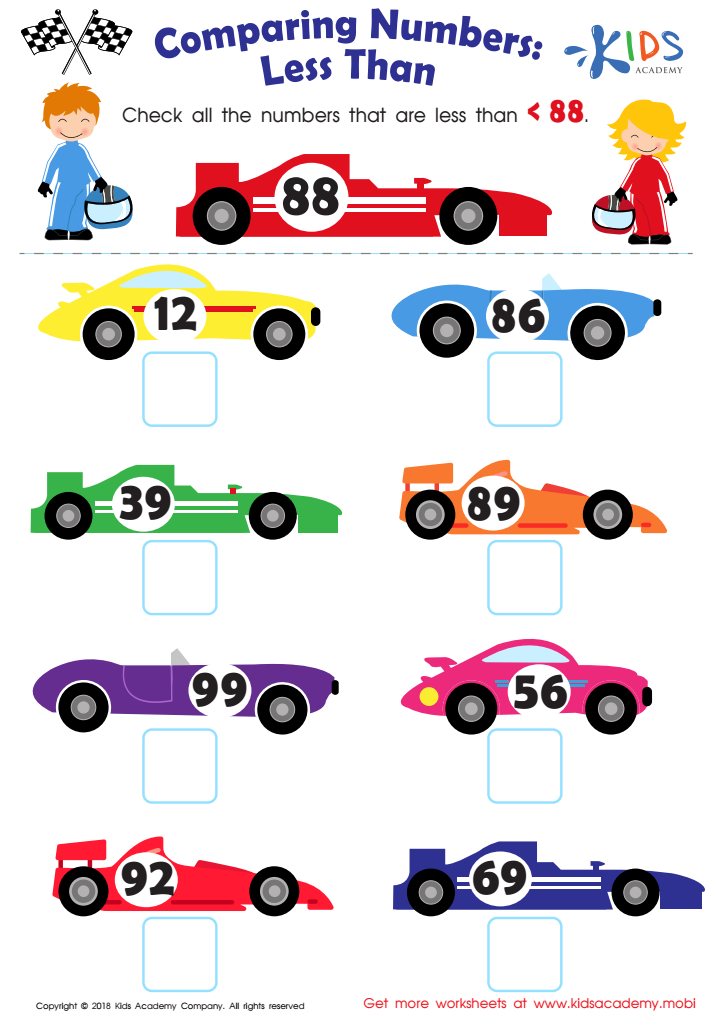
Less Than Worksheet
 Assign to My Students


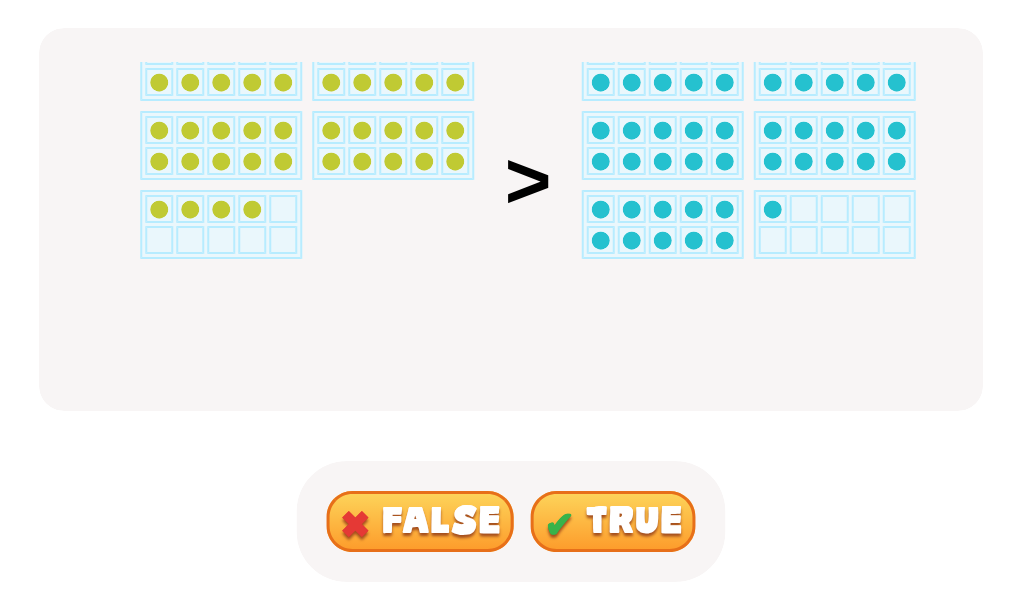



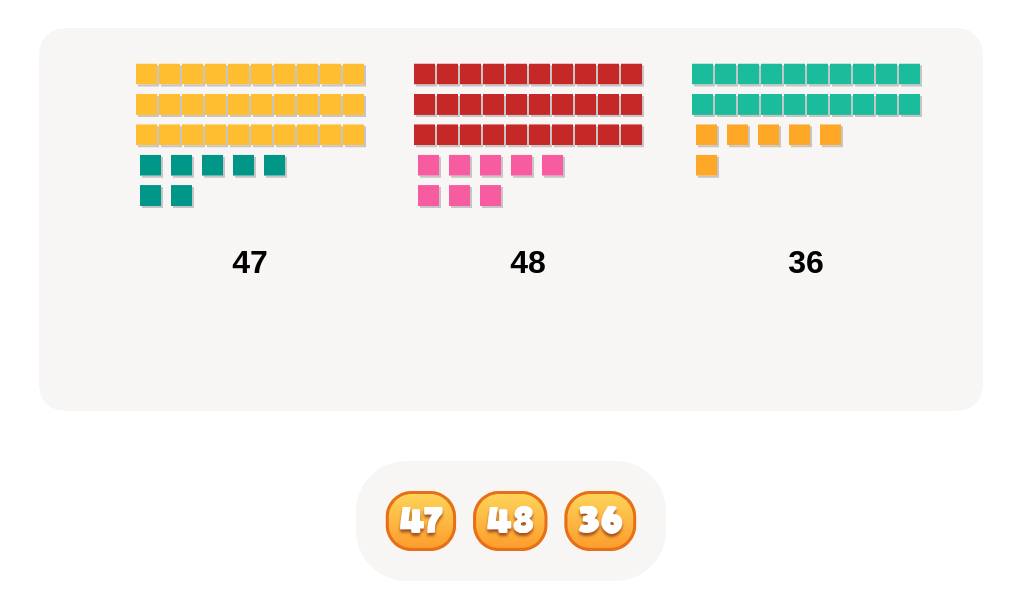

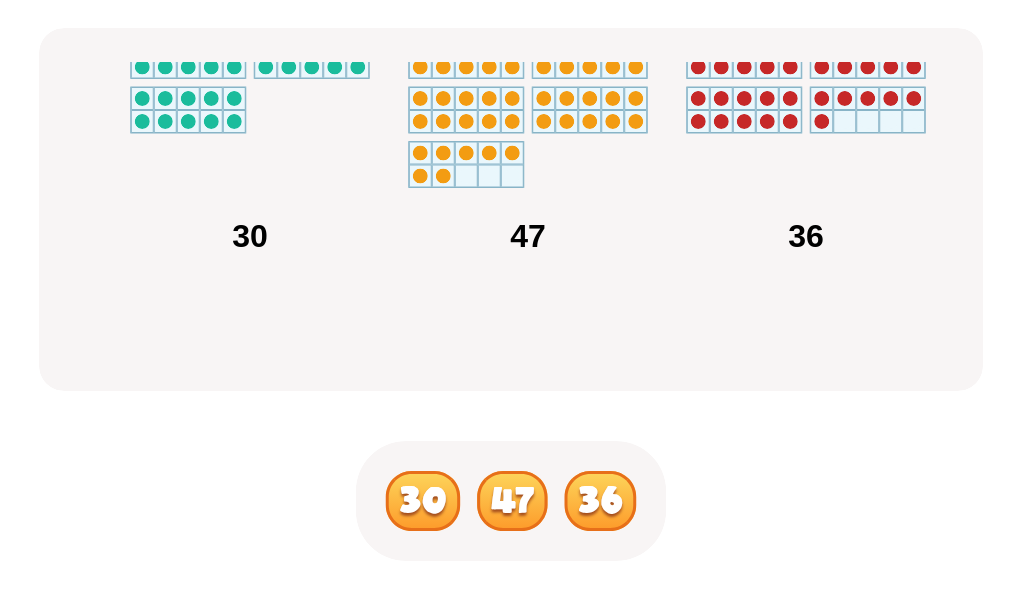

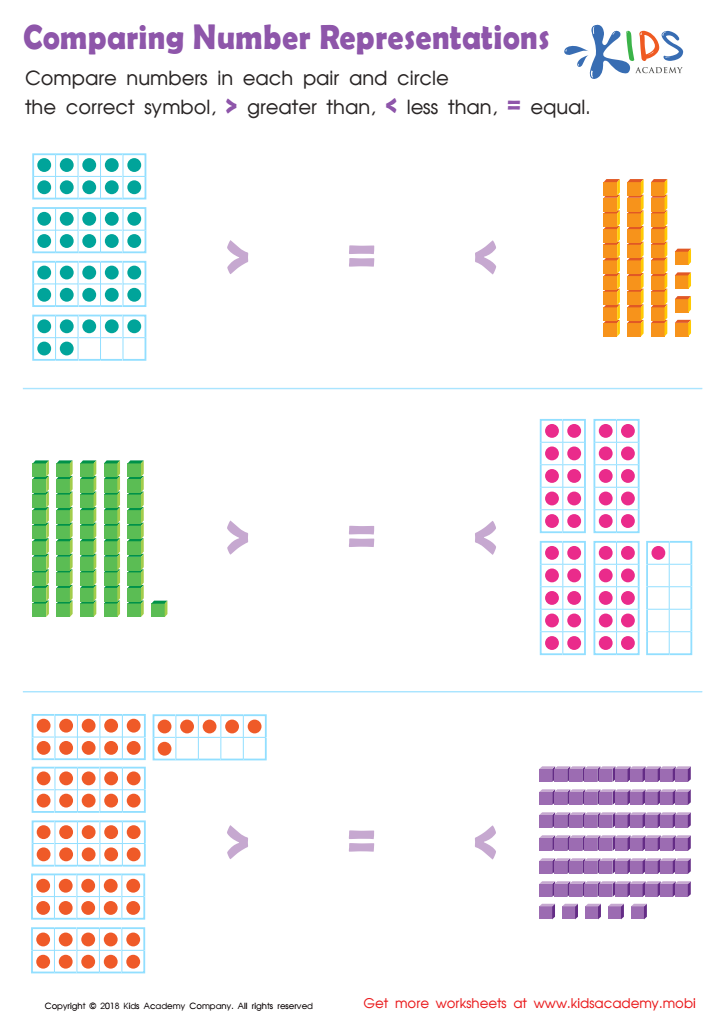
Comparing Number Representations Worksheet
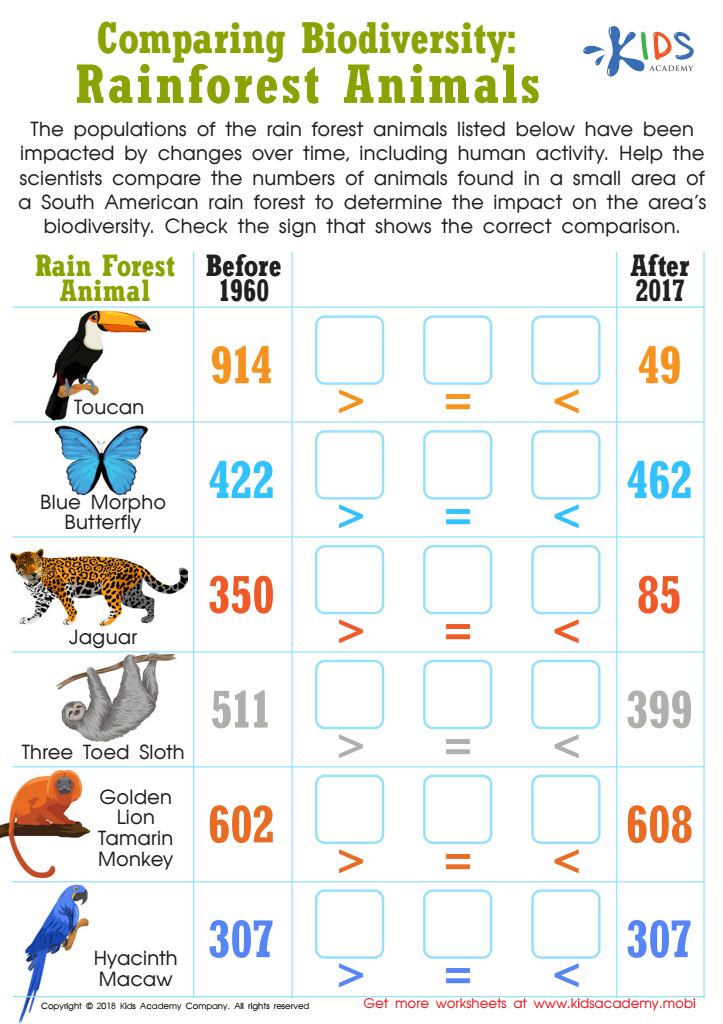
Comparing Biodiversity: Rainforest Animals Worksheet








Developing analytical thinking and the ability to compare numbers in early childhood is crucial for a child’s academic and personal growth. Analytical thinking helps children break down complex problems into manageable parts, enhancing their problem-solving abilities. When they compare numbers, they engage in critical skills such as recognizing patterns, sequencing, and understanding relationships between numerical values. These are foundational elements for higher-level math and science learning.
Moreover, fostering analytical thinking and numerical comparison skills prepares children for real-world situations. Compare shopping prices, tracking time, or measuring ingredients for a recipe; they all require a solid understanding of numbers and the ability to think analytically.
Parents and teachers play a pivotal role in nurturing these skills. By integrating fun, number-based games or puzzles into daily routines and lessons, they create a stimulating learning environment. This proactive approach also boosts children's confidence and enthusiasm for learning, which positively impacts their engagement and academic performance across subjects.
Hence, investing time and resources in developing these skills early on ensures that children are well-equipped to handle future academic challenges, making them adaptable, competent, and thoughtful individuals. By prioritizing these foundational skills, parents and teachers lay a solid groundwork for a lifetime of learning and problem-solving.