Developing math skills Normal Comparing Numbers Worksheets
3 filtered results
-
From - To
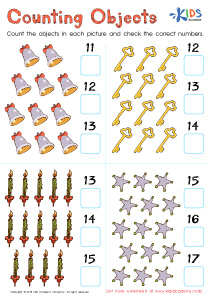
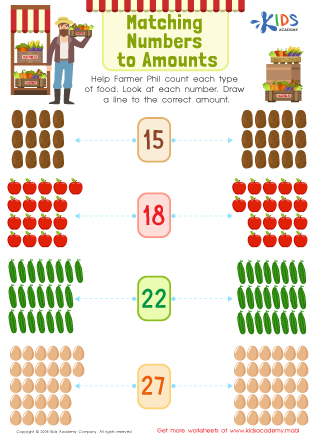
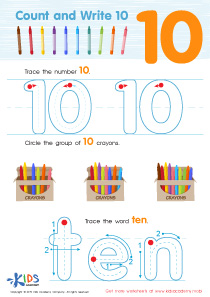
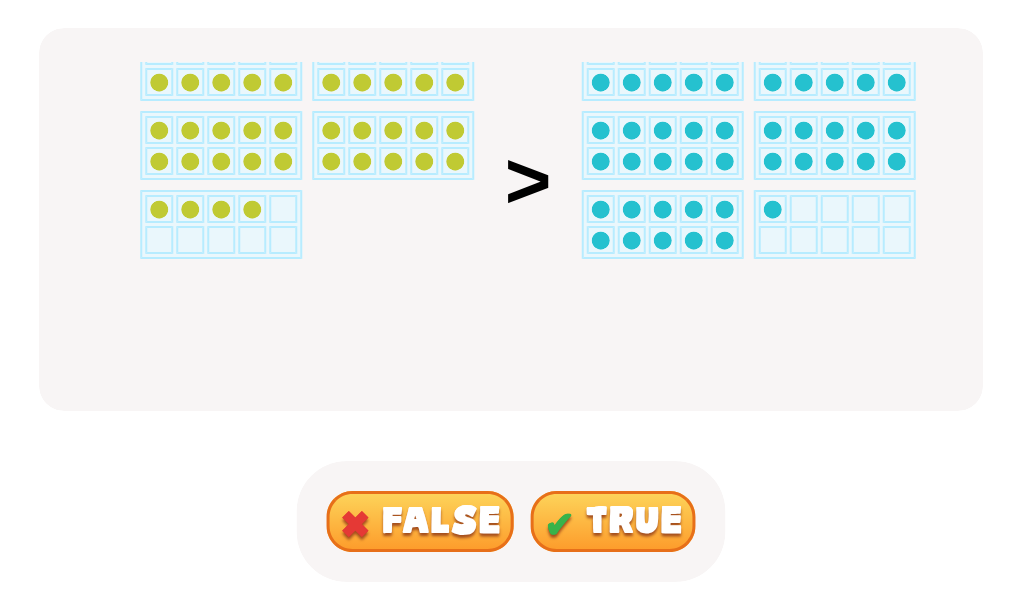
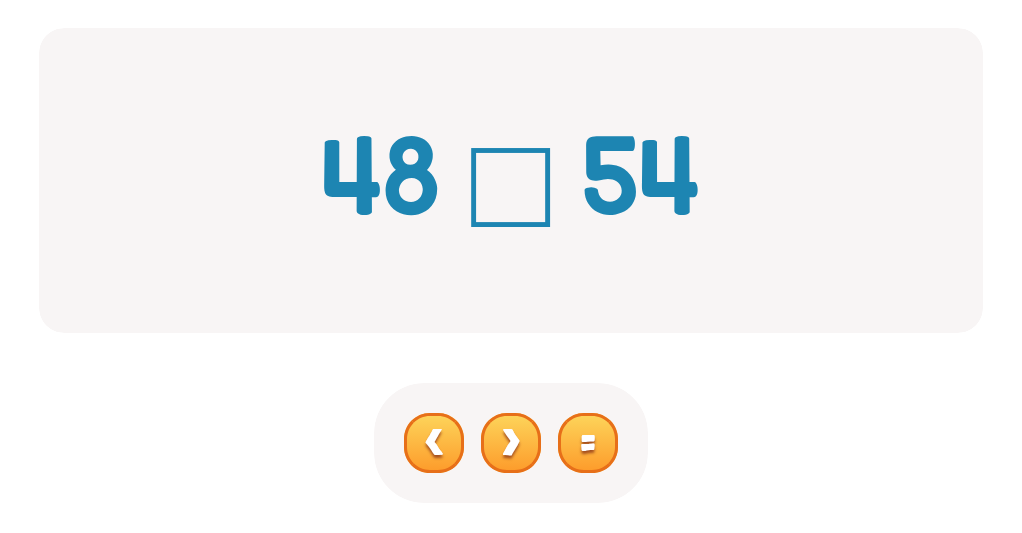
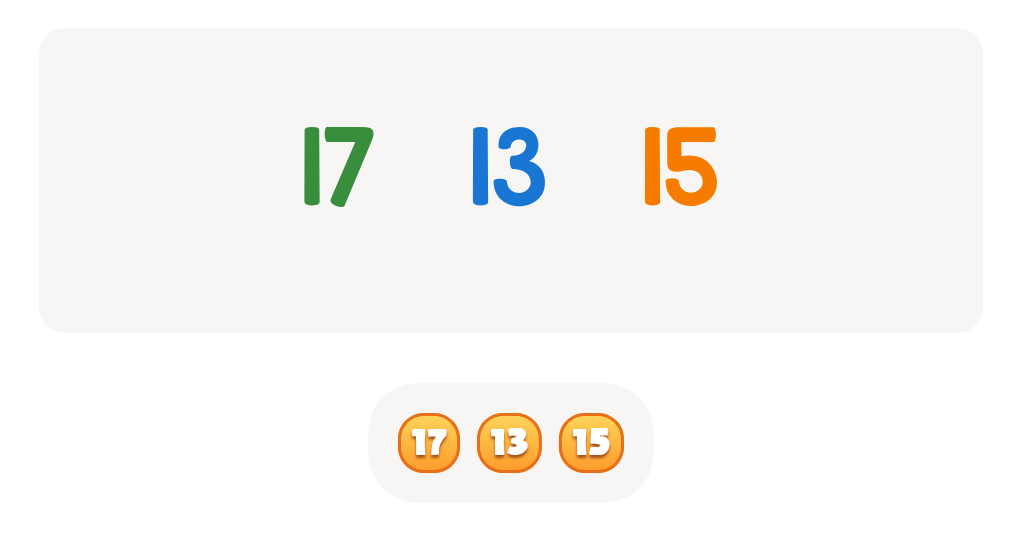
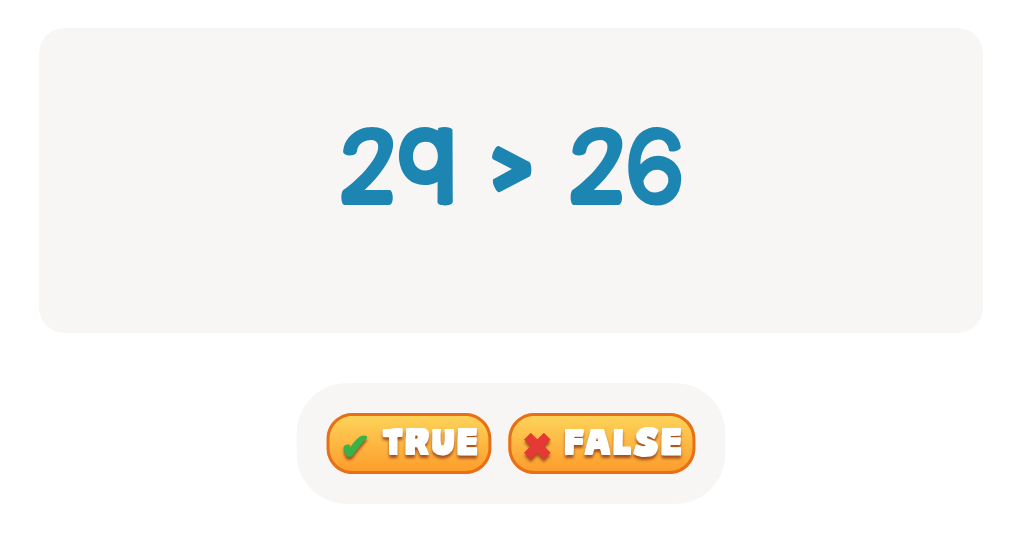
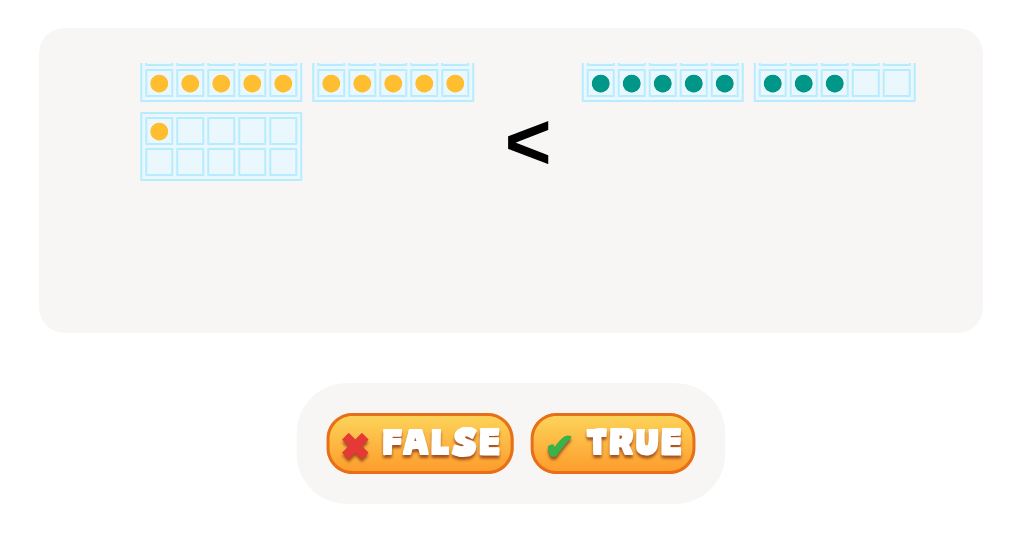
Enhance your child's math skills with our engaging "Developing Math Skills - Normal Comparing Numbers Worksheets." Designed for young learners, these worksheets provide a fun and interactive way to practice comparing numbers. Through various exercises, students will develop essential counting and comparison skills, gaining confidence in understanding numerical values. Each worksheet incorporates vibrant visuals and age-appropriate challenges, making math enjoyable and accessible. Whether at home or in the classroom, these resources are perfect for reinforcing key concepts in early math education. Help your child excel in math by making learning a delightful adventure with our expertly crafted comparing numbers worksheets!
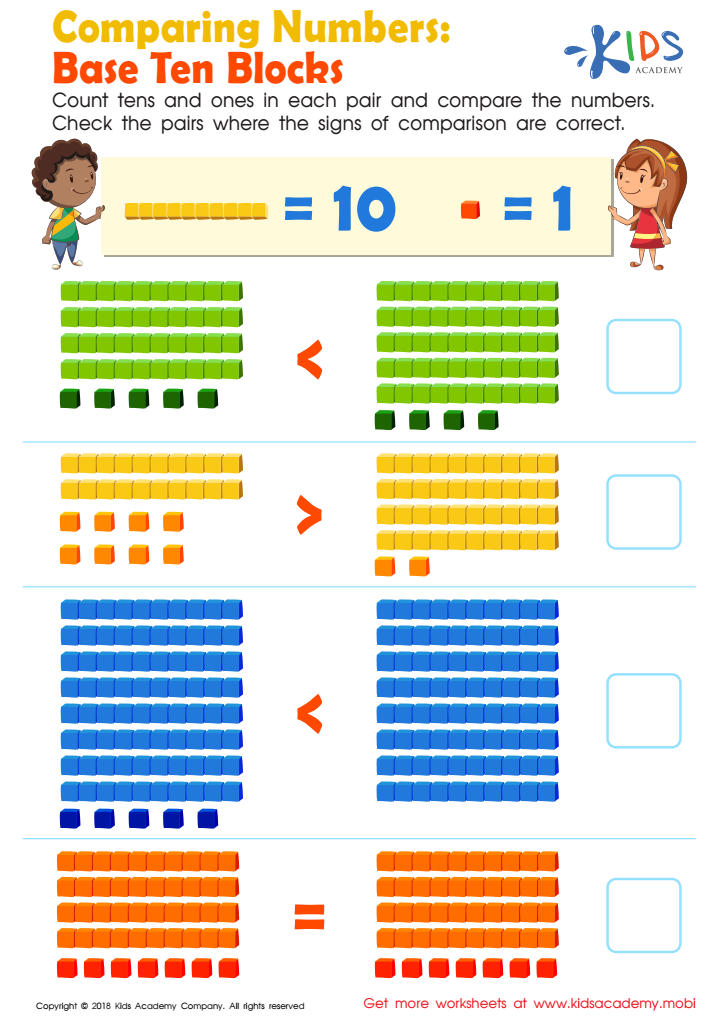
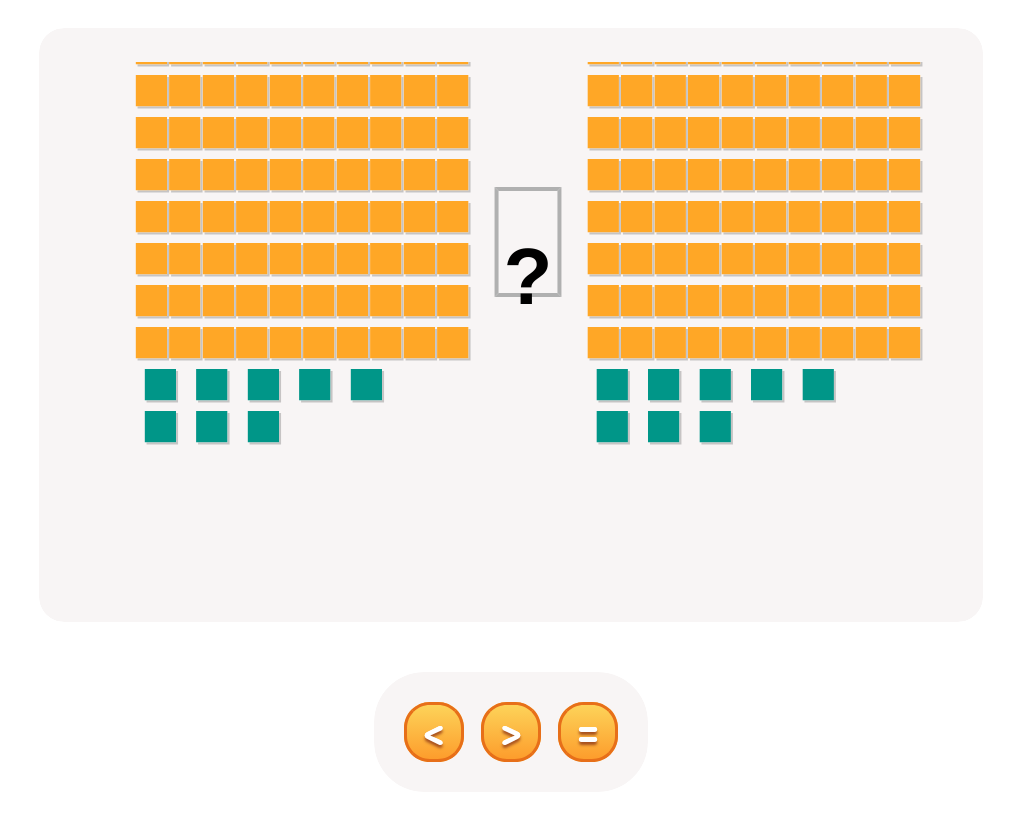
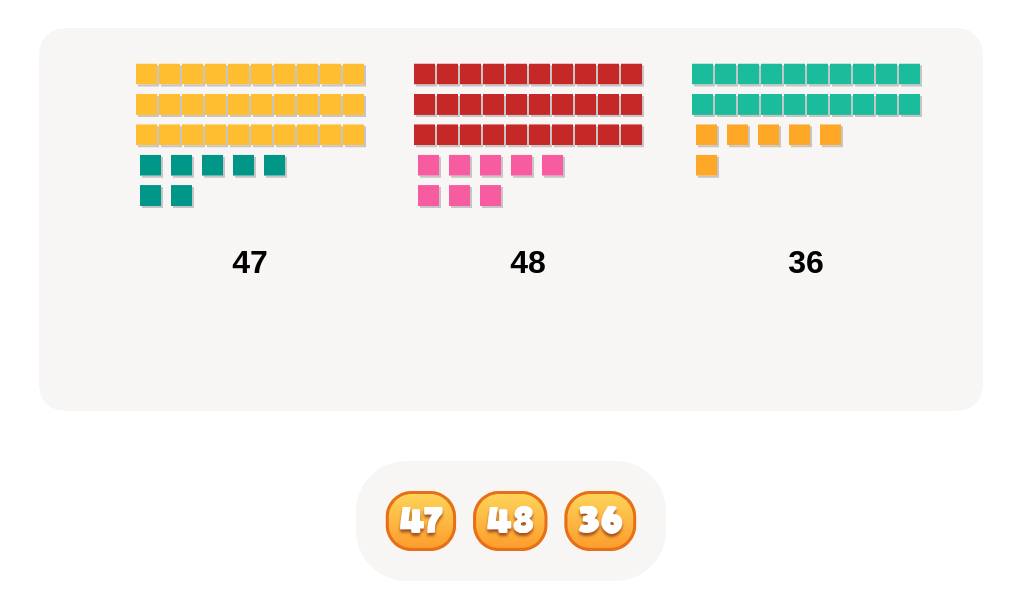
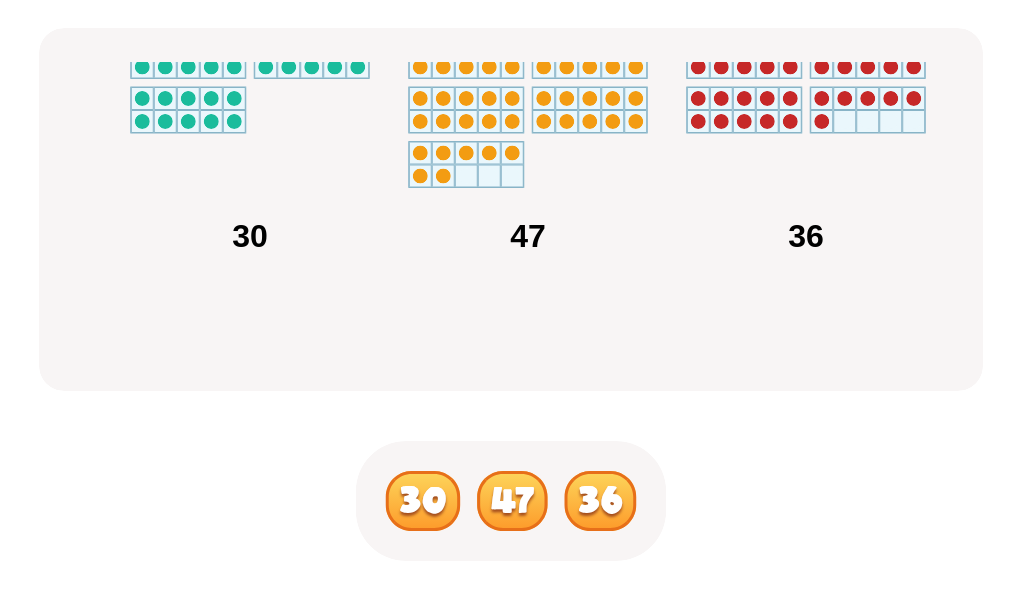
Comparing Numbers: Base Ten Blocks Worksheet
 Assign to My Students


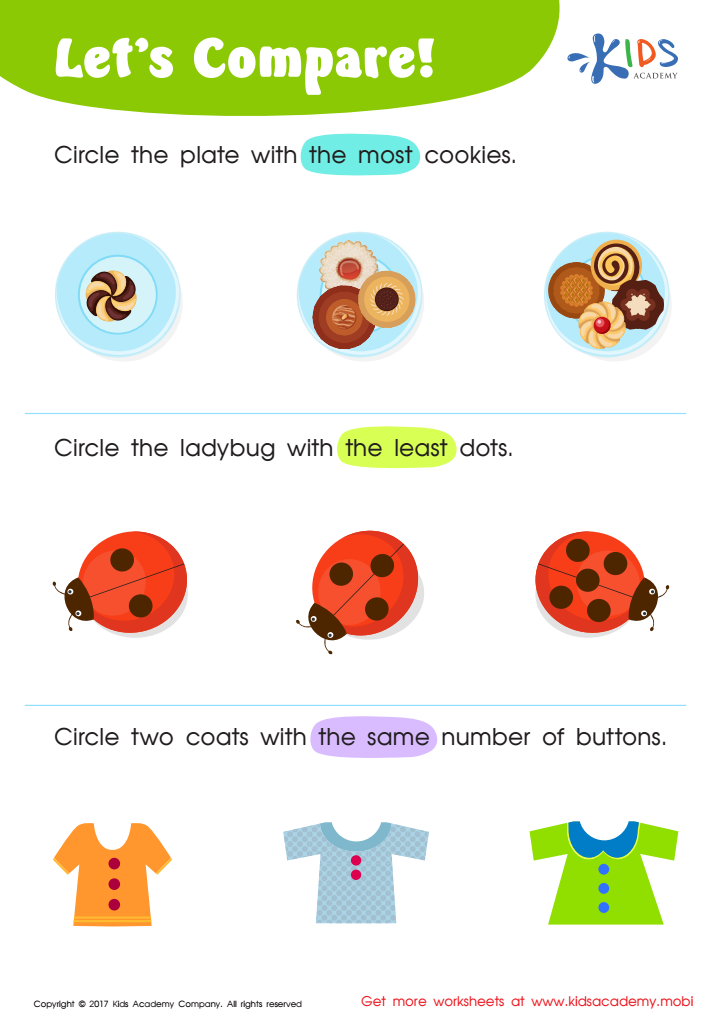
Matching: Classifying Toys by Size Worksheet
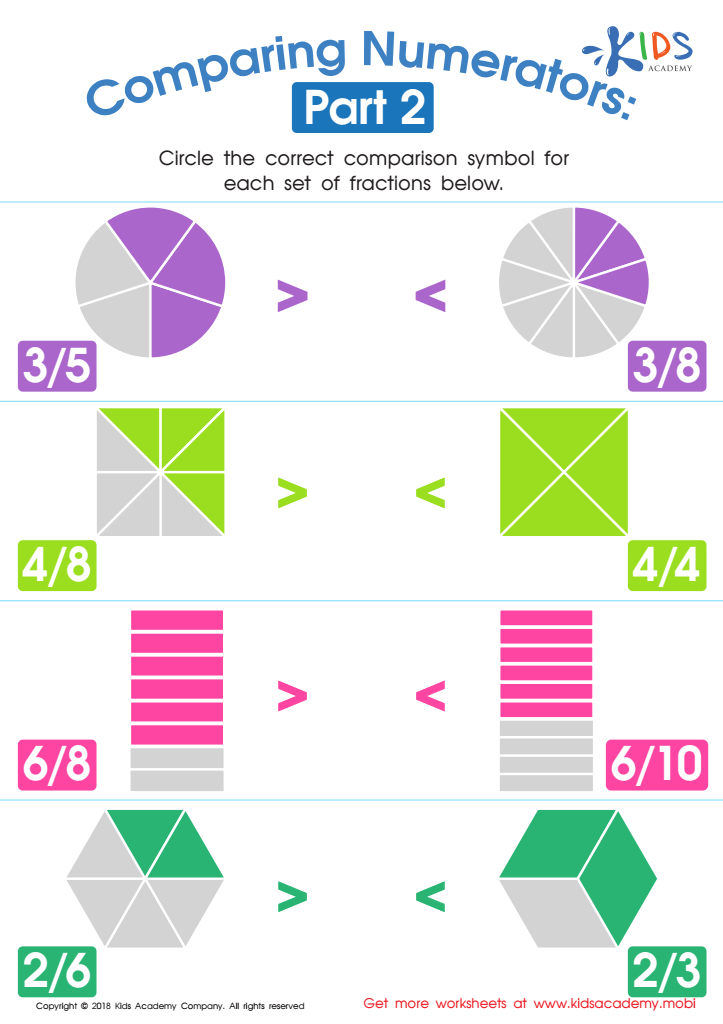
Comparing Numerators Part 2 Worksheet








Developing math skills, particularly in comparing numbers, is crucial for early learners, as it lays the groundwork for future mathematical understanding and everyday decision-making. By mastering the ability to compare numbers, children improve their number sense, which is essential for more advanced mathematical concepts such as addition, subtraction, and problem-solving.
Parents and teachers should care because these foundational skills foster a child's confidence in dealing with numbers. Children who struggle with comparing numbers may experience difficulties in understanding math as they progress, potentially leading to frustration and a negative attitude towards the subject. Furthermore, mastering this skill enhances critical thinking and promotes analytical abilities. For instance, when children learn to compare sizes, they also learn to make comparisons in various contexts, from understanding quantities in their environment to making informed choices in daily life.
Moreover, early proficiency in numerical comparisons supports learning outcomes across subjects. For example, students equipped with strong mathematical skills often perform better in science and technology. As math is integral in numerous areas, investing in these skills means nurturing overall academic success, helping children develop a lifelong appreciation for learning. Therefore, a concerted effort from both parents and teachers is essential in directing children toward achieving their full potential in mathematics.