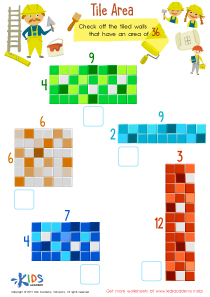
Fine Motor Skills Normal Counting Worksheets
3 filtered results
-
From - To
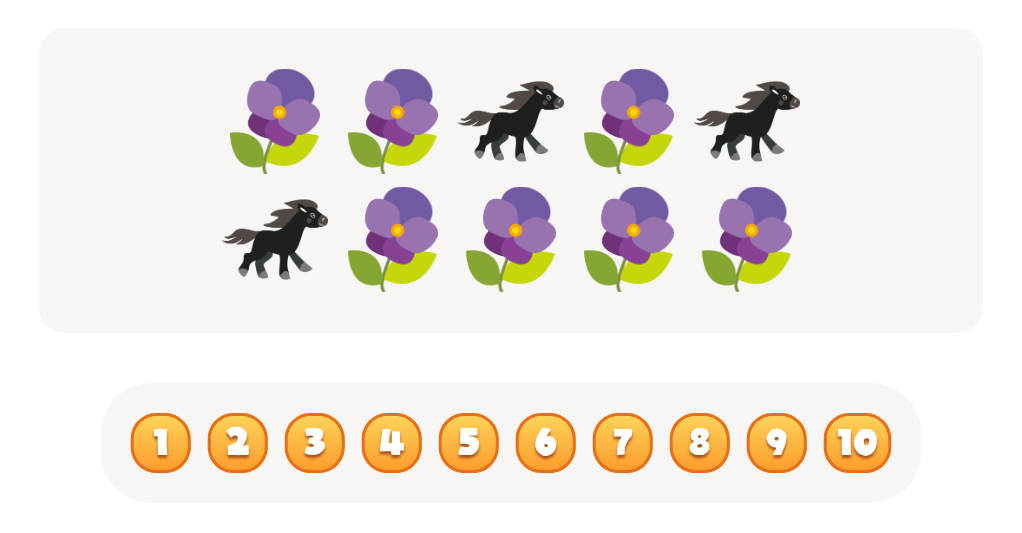
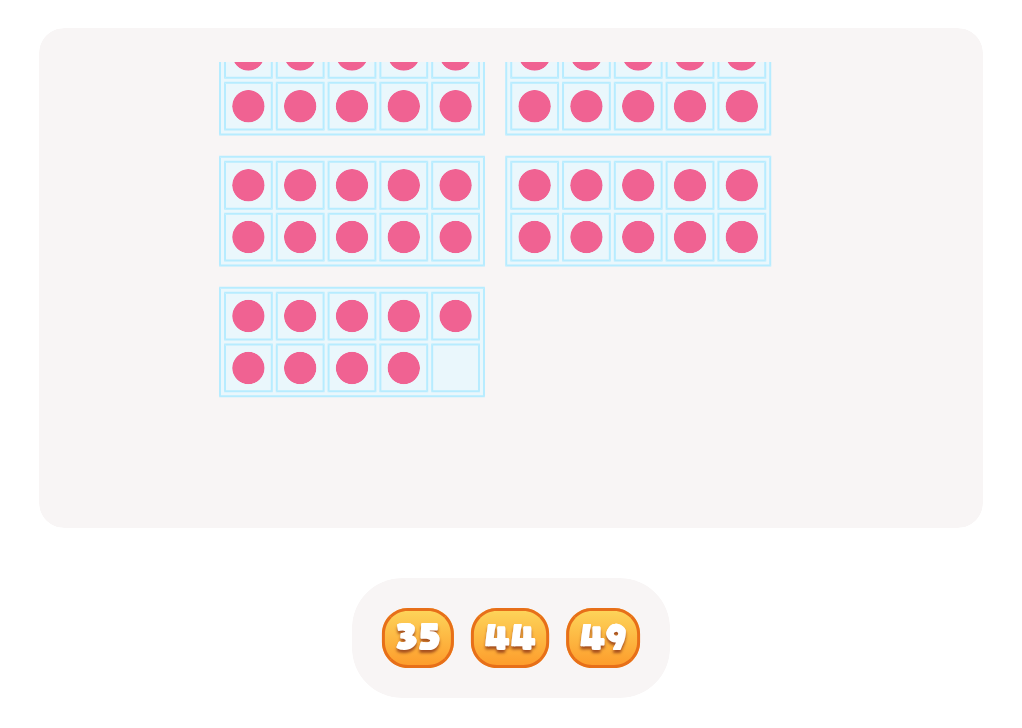
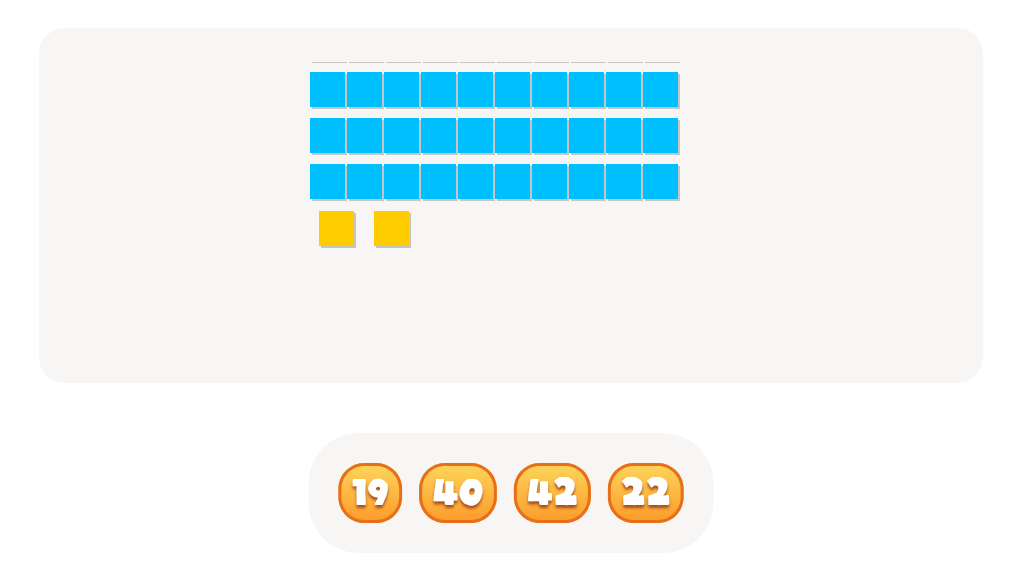
Enhance your child's learning experience with our engaging Fine Motor Skills Normal Counting Worksheets! Designed for early learners, these worksheets provide a fun way to develop essential counting skills while improving hand-eye coordination and fine motor abilities. Each worksheet features vibrant illustrations and simple counting exercises that encourage children to practice number recognition, counting objects, and connecting numerical values. Perfect for home or classroom use, these interactive resources not only boost math proficiency but also foster creativity and focus. Equip your little ones with the skills they need for a strong foundation in mathematics while enjoying educational playtime!
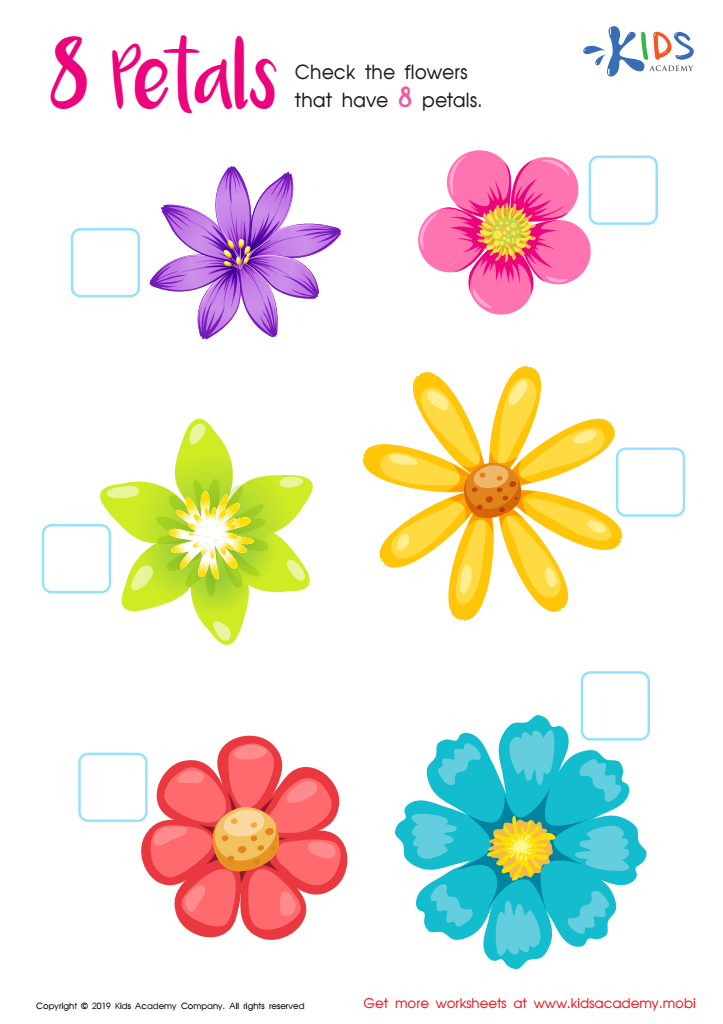
8 Petals Worksheet
 Assign to My Students




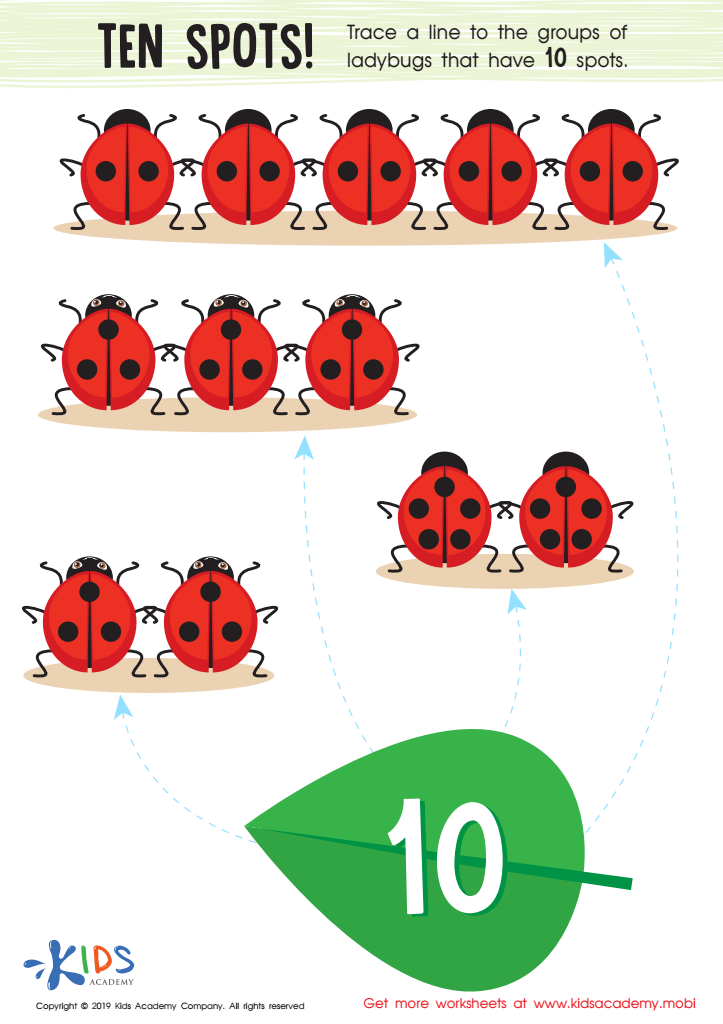
Ten Spots Worksheet
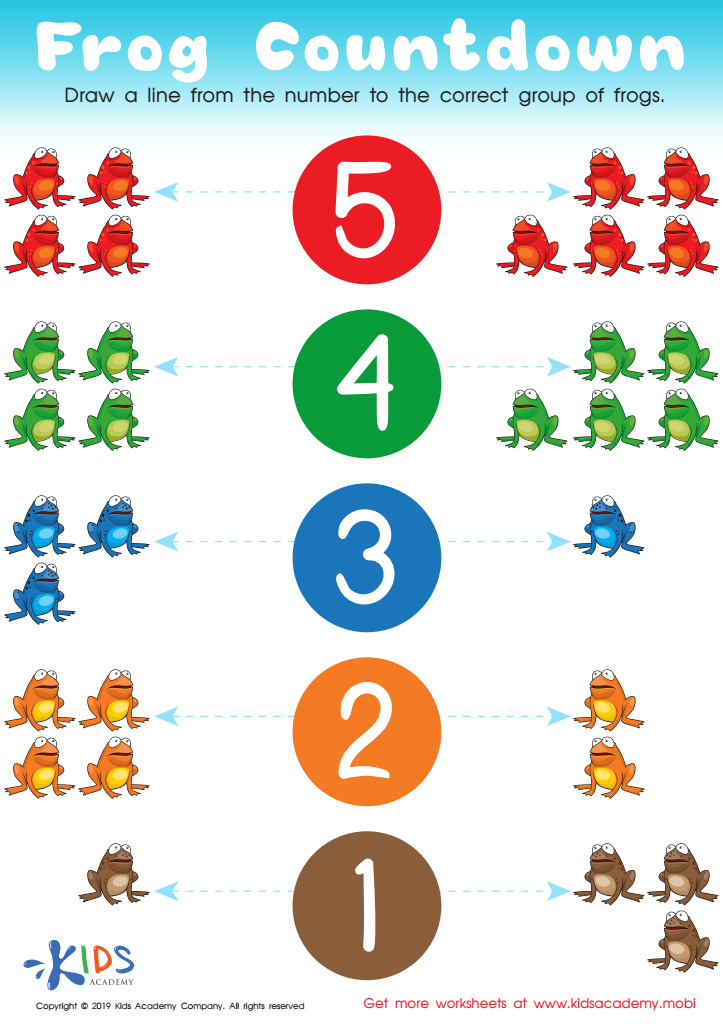
Frog Countdown Worksheet








Fine motor skills and normal counting are crucial developmental milestones for young children. Fine motor skills involve the coordination of small muscles in the hands and fingers, enabling children to perform tasks such as writing, drawing, cutting, and manipulating small objects. These skills are essential for everyday activities and serve as a foundation for more complex skills later in life.
Teachers and parents should prioritize the development of fine motor skills in conjunction with normal counting, as the two areas are interconnected in early childhood education. Mastering fine motor skills helps children gain the muscle control and dexterity needed for accurate counting, which often involves manipulating counters or digits. Additionally, engaging in activities that promote fine motor skills—such as threading beads, playing with clay, or practicing writing letters—can enhance a child's ability to understand and visualize numbers.
Supporting the development of these skills enriches a child's cognitive, social, and emotional growth. It builds confidence and independence while fostering problem-solving abilities. Ultimately, a strong foundation in fine motor skills and counting not only benefits academic success but also empowers children to navigate their worlds effectively, setting them on a path for lifelong learning and development.