Basic counting skills Normal Math Worksheets
5 filtered results
-
From - To
Enhance your child's early math experience with our Basic Counting Skills Normal Math Worksheets. Designed for young learners, these printable worksheets provide engaging activities that help children develop essential counting skills through fun exercises and interactive designs. Covering numbers 1-10, these worksheets promote number recognition, one-to-one correspondence, and simple addition. Perfect for preschoolers and kindergarteners, our resources foster a solid foundation in math while encouraging creativity and critical thinking. With easy-to-follow instructions and colorful illustrations, kids will enjoy learning in a playful way. Access our extensive collection today to support your child's journey in mastering basic counting skills!
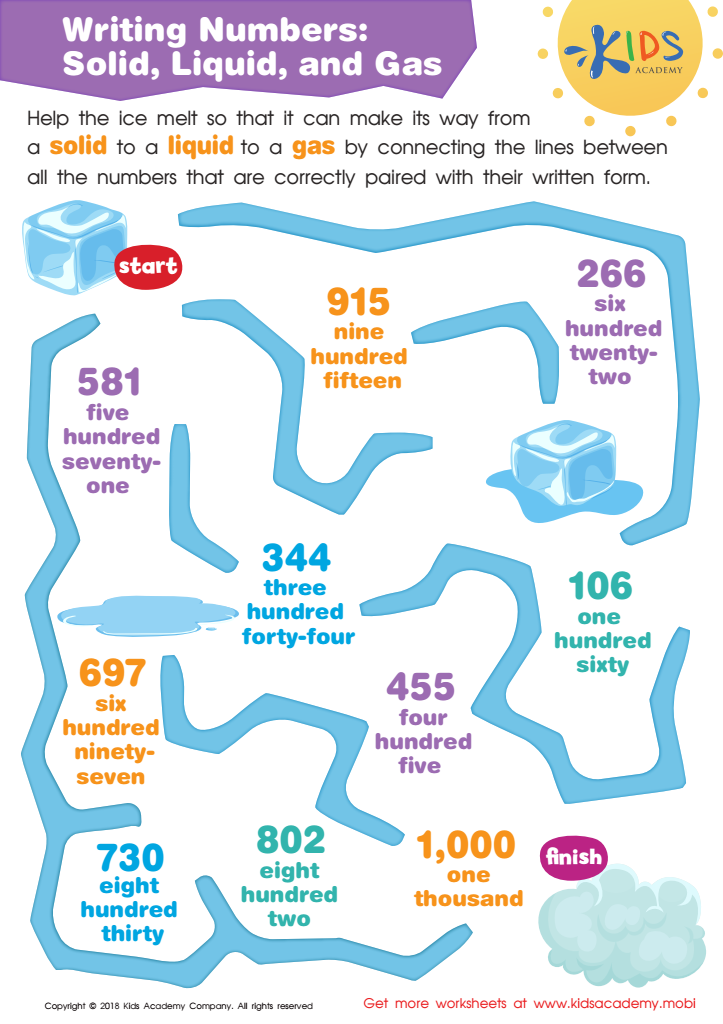
Solid, Liquid, and Gas Writing Numbers Worksheet
 Assign to My Students
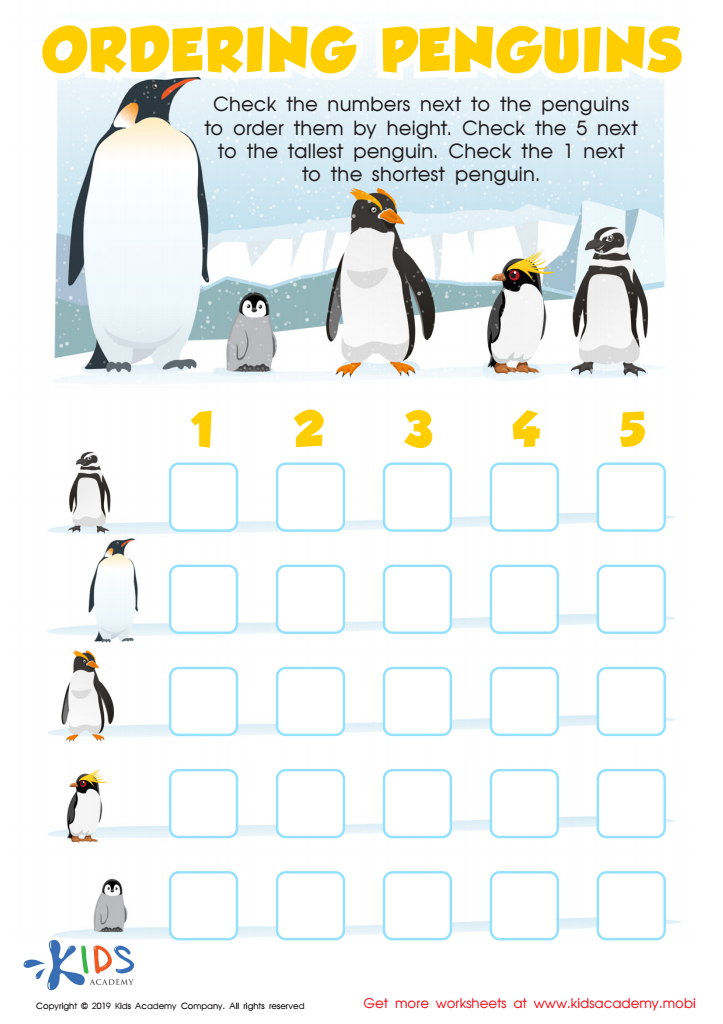
Ordering Penguins Worksheet
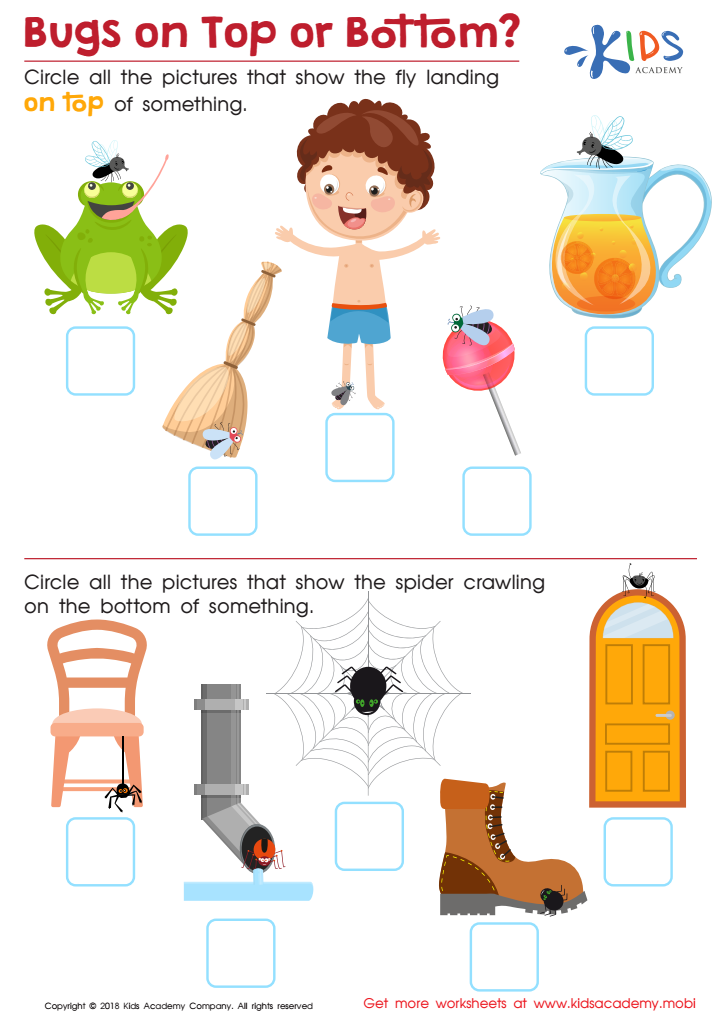
Bugs on Top or Bottom? Worksheet
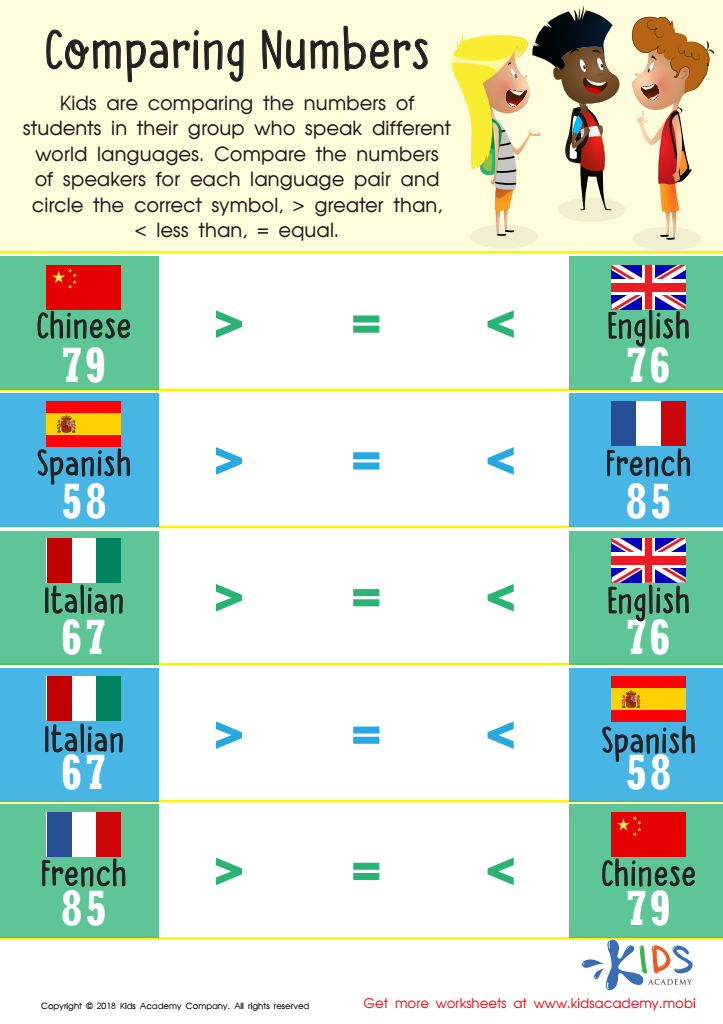
Comparing Numbers Worksheet for 1st Grade
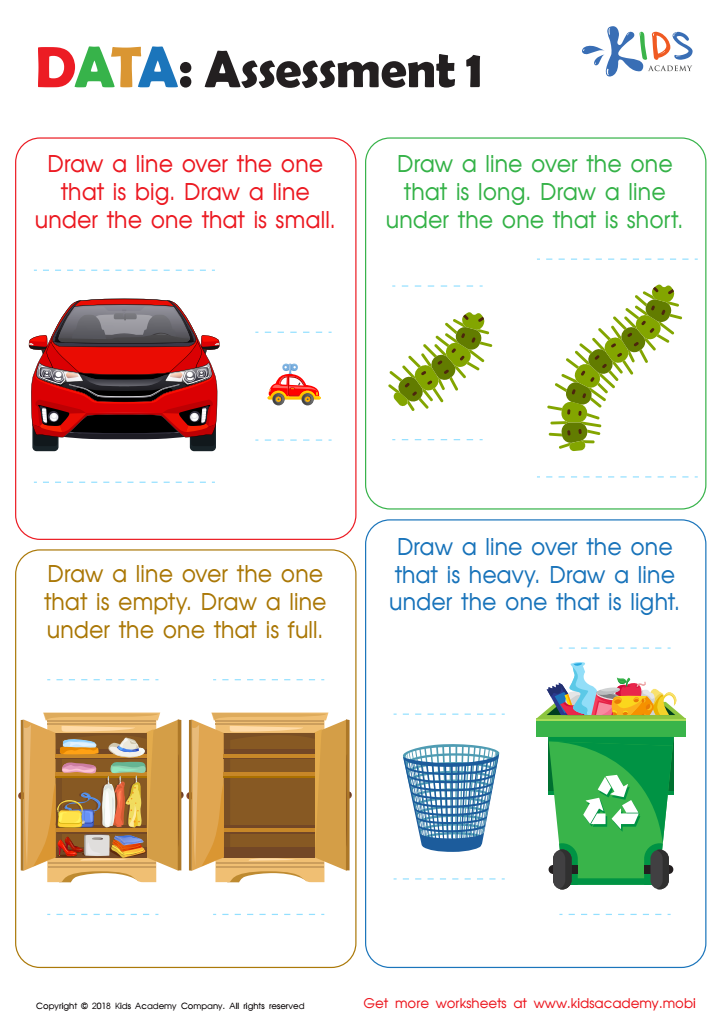
Data: Assessment 1 Worksheet







Basic counting skills and normal math are foundational to children's cognitive development and everyday functionality, making them essential for both parents and teachers to prioritize. Mastering these skills enhances critical thinking, problem-solving abilities, and logical reasoning. In early grades, counting helps students understand number relationships and develop numeracy, a skill that extends beyond mathematics into everyday life, such as budgeting, time management, and understanding quantities.
From a developmental perspective, early math skills are linked to later academic success. Research shows that children who grasp basic counting and number sense are more likely to excel in advanced math concepts later on. Furthermore, these skills facilitate confidence and self-esteem, empowering children to engage more actively in their learning experiences.
For teachers, teaching counting is crucial for designing effective curriculums that address students’ varying levels of proficiency. They create interactive and engaging lessons that make math enjoyable and relevant. Parents play an integral role by reinforcing these skills at home through everyday activities, such as counting objects or playing simple math games. Together, both teachers and parents must recognize the importance of these skills, ensuring that children are equipped for academic success and real-life challenges.








