Handwriting Skills Normal Math Worksheets
3 filtered results
-
From - To
Boost your child's mathematical proficiency and handwriting skills with our expertly designed Normal Math Worksheets. These engaging printables combine essential math exercises with handwriting practice to aid in holistic learning. Perfectly suited for early learners, our worksheets enhance fine motor skills while reinforcing basic math concepts such as counting, addition, and subtraction. Each activity is crafted to make learning enjoyable and boost confidence, ensuring your young student grasps fundamental ideas while developing clear and legible handwriting. Transform math practice into a fun and fruitful experience with our Handwriting Skills Normal Math Worksheets.
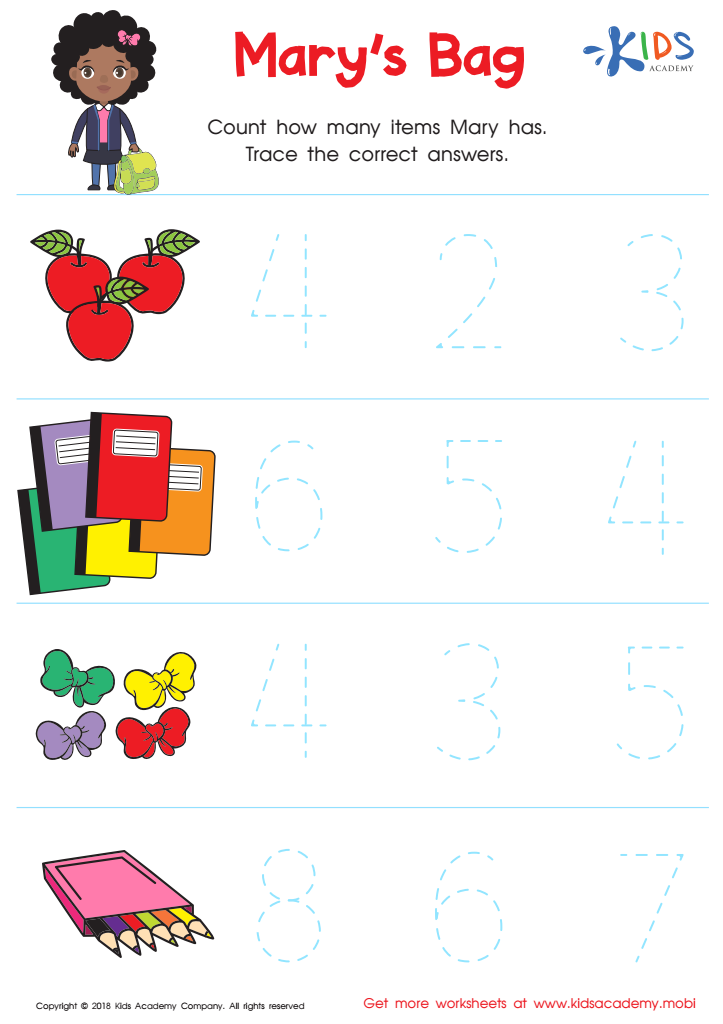
Kindergarten Number Tracing: Mary's Bag Worksheet
 Assign to My Students
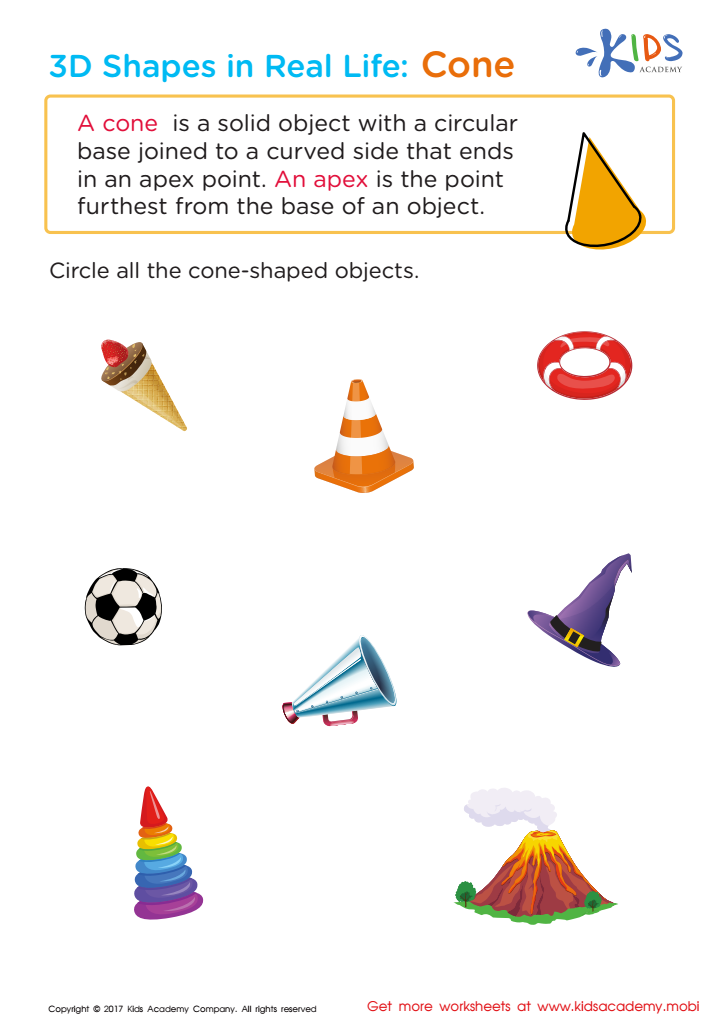
Shapes in Real Life: Cone Worksheet
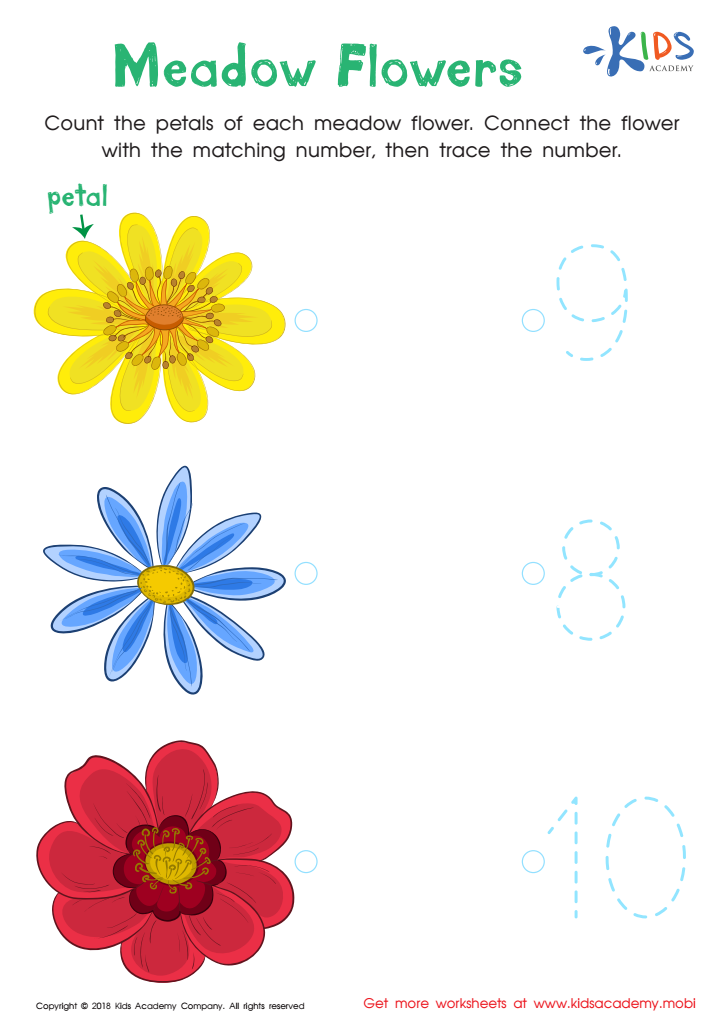
Kindergarten Number Tracing: Medow Flowers Worksheet






.jpg)
Handwriting skills play a critical role in children's academic development and overall cognitive growth, and this is especially true in subjects like math. When parents and teachers prioritize good handwriting, they facilitate clearer communication and understanding of mathematical concepts. Neat, legible handwriting enables students to correctly write numbers and mathematical symbols, reducing errors caused by misinterpretations.
Moreover, the act of writing by hand has been shown to reinforce learning and memory retention — essential for grasping math concepts and solving problems. As children practice writing numbers and equations, they develop fine motor skills and hand-eye coordination, which are fundamental for other academic tasks and everyday activities.
Effective handwriting in math also boosts students' confidence and reduces frustration. When children can clearly express their work, they safeguard against preventable mistakes and can better follow their thought processes, leading to a more solid understanding of concepts. For teachers, well-written work means easier assessment and less time spent deciphering illegible writing, allowing them to provide more focused and effective feedback.
Ultimately, investing time in developing good handwriting skills supports accurate math work, enhances learning, and paves the way for greater academic success. Both parents and teachers have a role in encouraging and practicing good handwriting to foster a strong foundation in education.








