Understanding place values Normal Place Value Worksheets
8 filtered results
-
From - To
Dive into the foundational concept of place values with our comprehensive Normal Place Value Worksheets designed for young learners. These engaging worksheets help children visually grasp the significance of digits in various positions, reinforcing their understanding of number systems. By breaking down numbers into units, tens, and hundreds, students develop critical math skills essential for future success. Perfect for classroom use or homeschooling, our expertly crafted worksheets provide various scenarios and interactive tasks, making learning both fun and effective. Empower your child’s math abilities with our meticulously designed Normal Place Value Worksheets, where mastering numbers becomes an exciting journey.
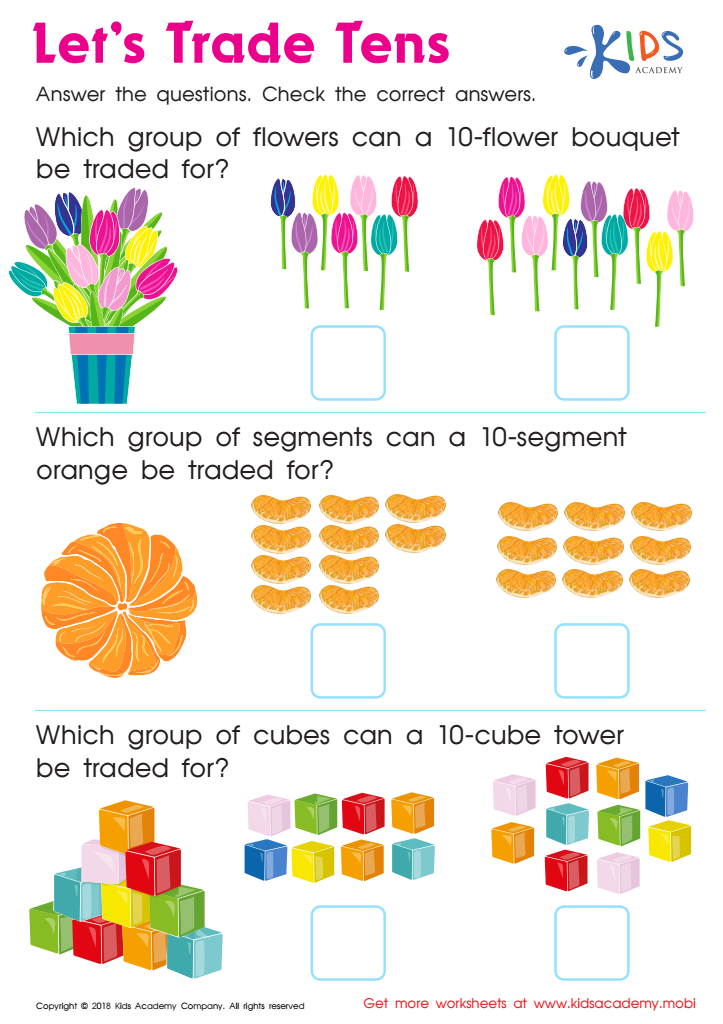
Lets Trade Tens Worksheet
 Assign to My Students
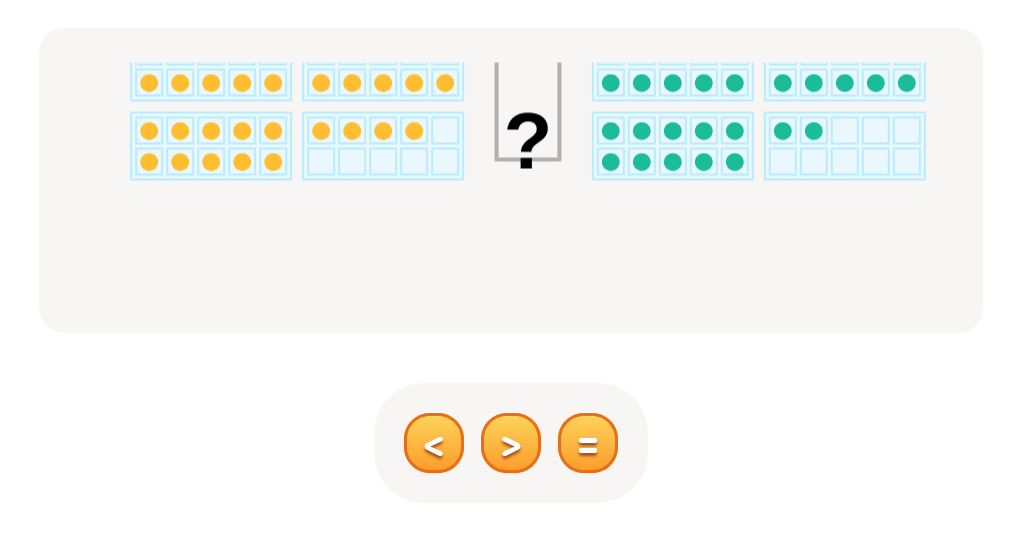

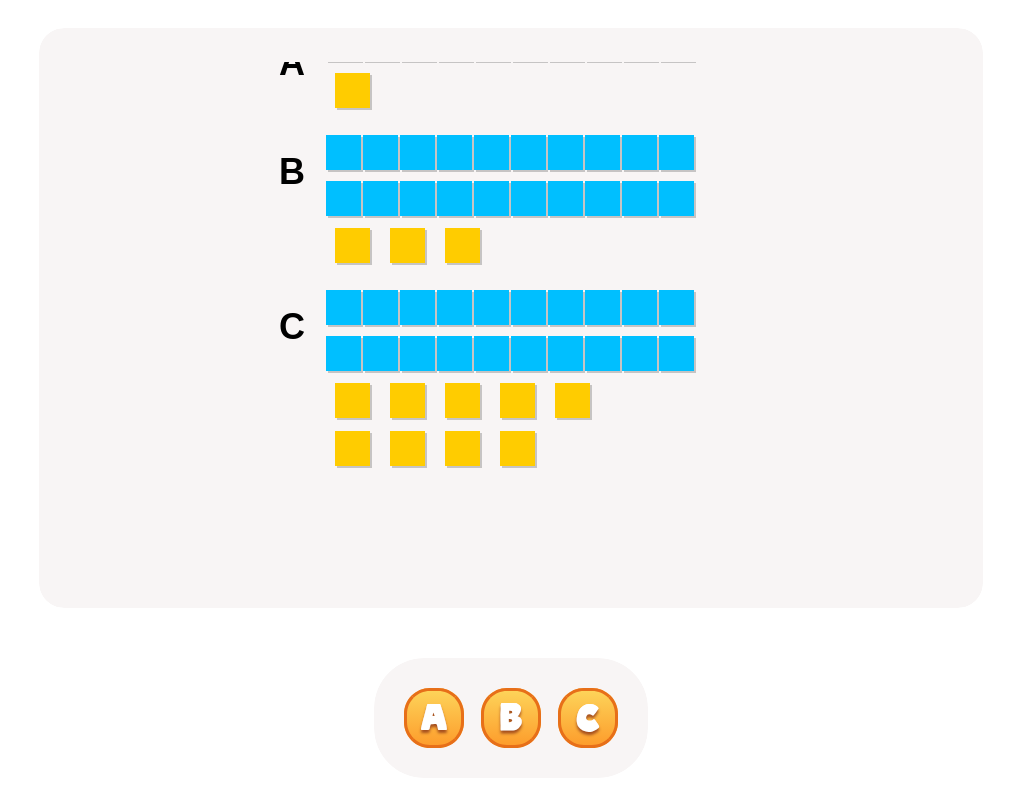
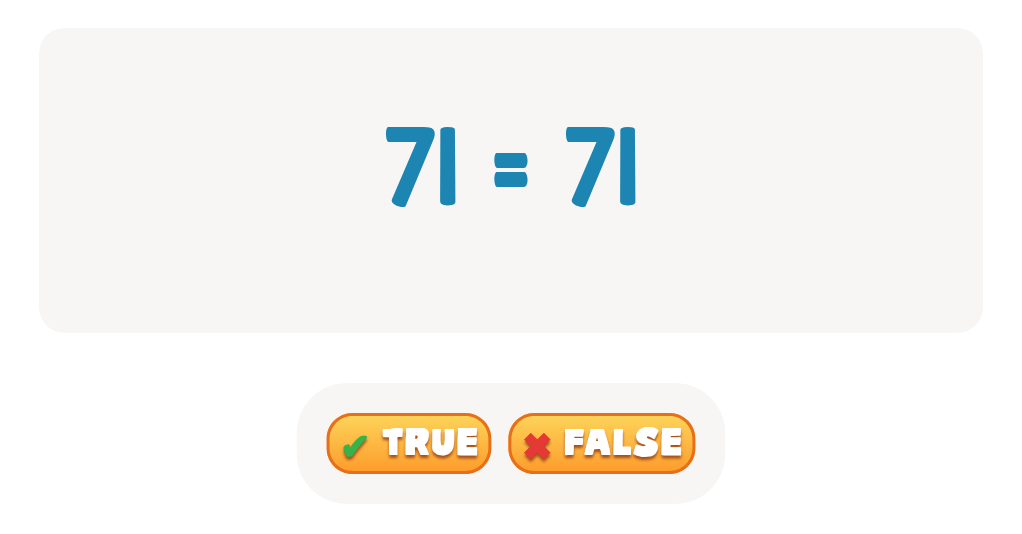
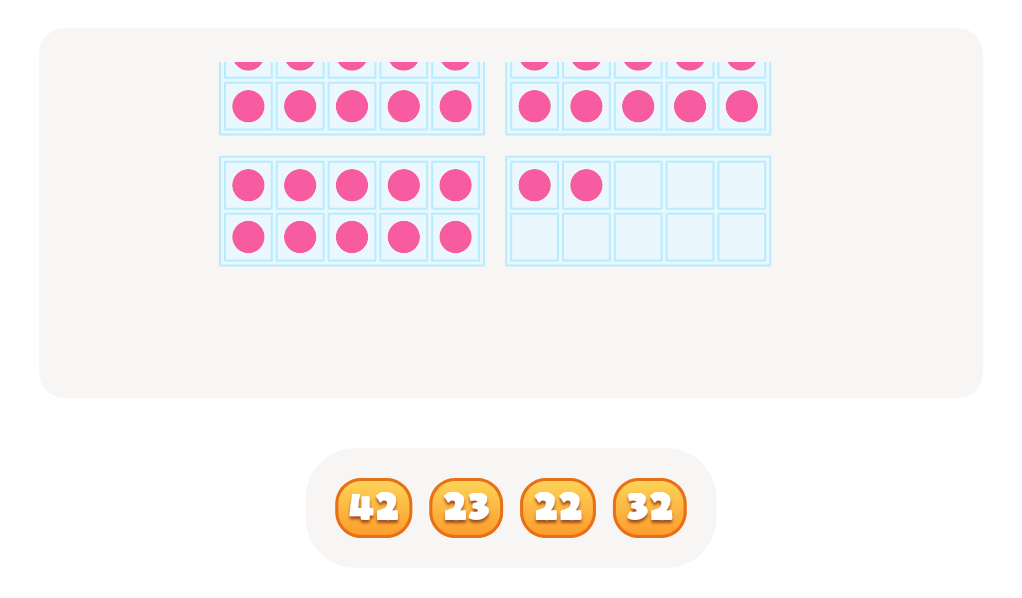
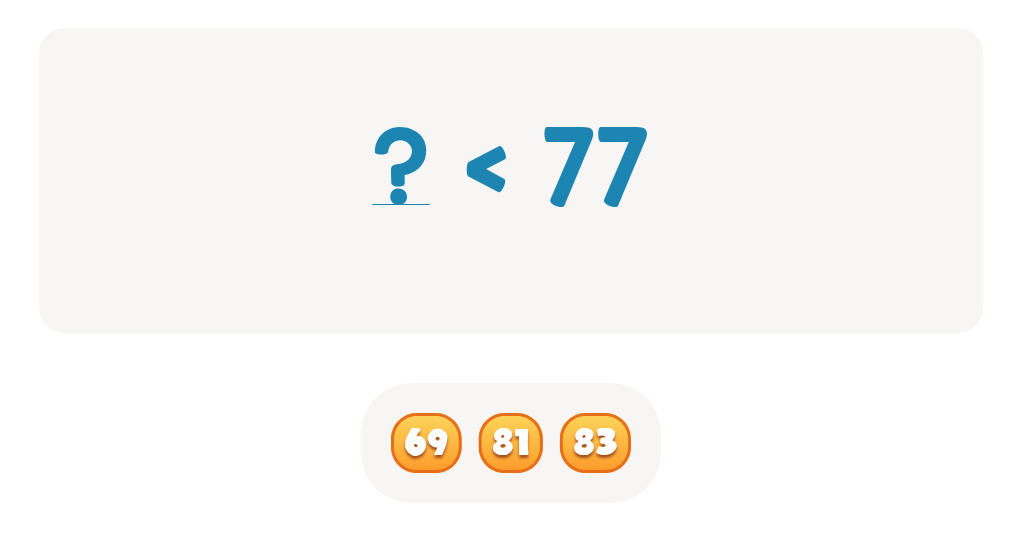
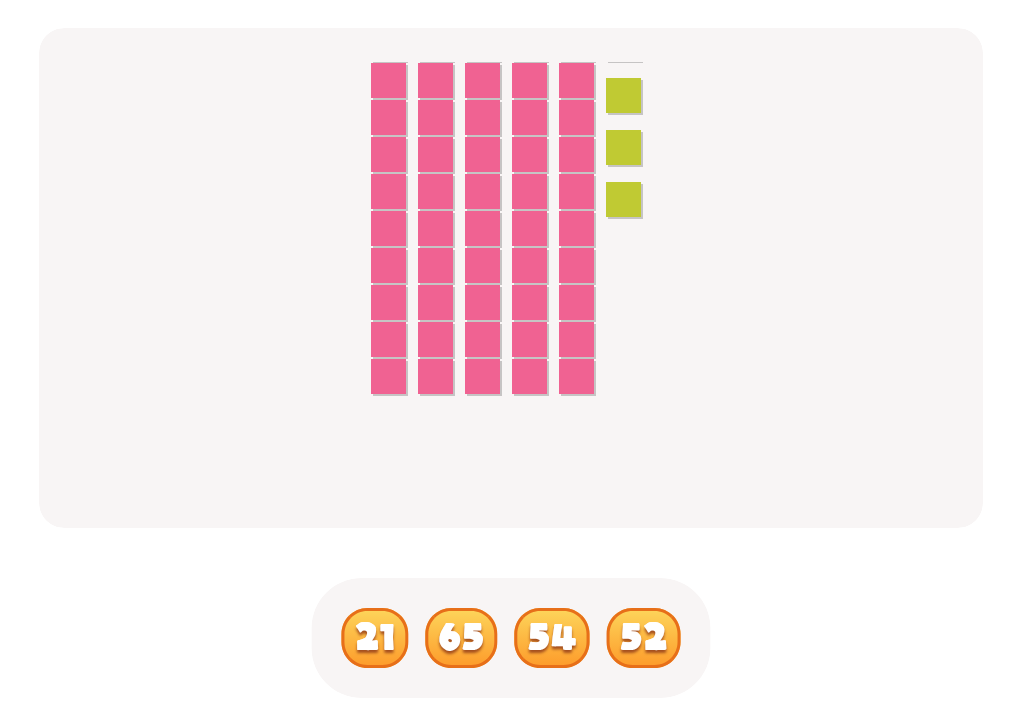
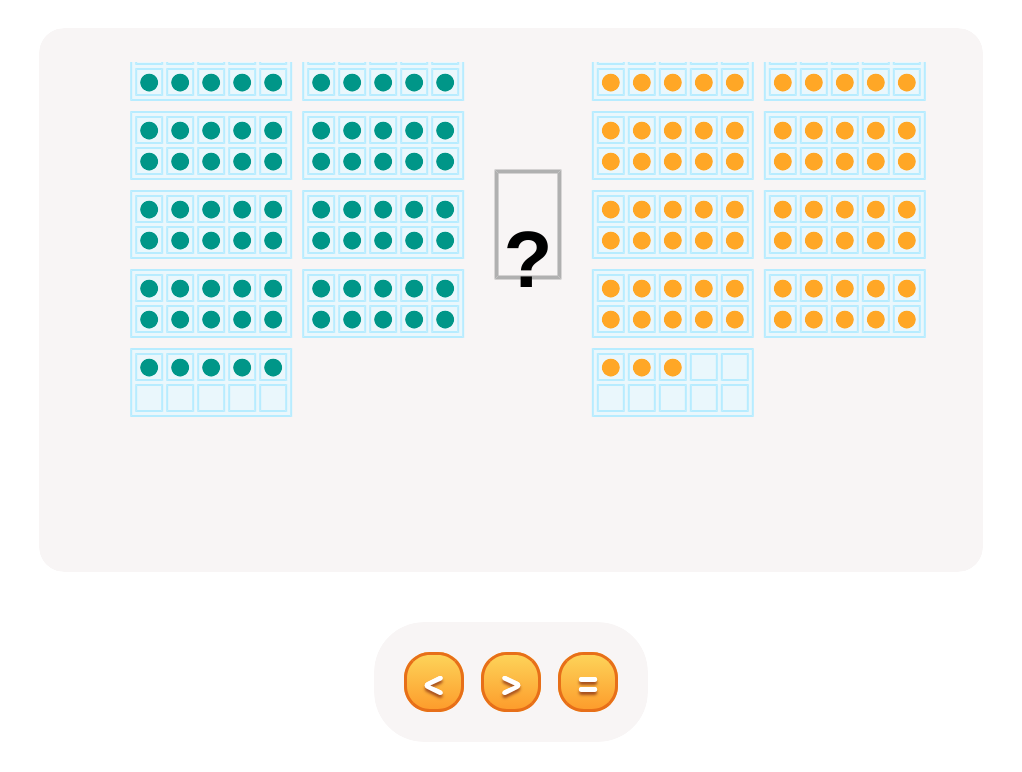
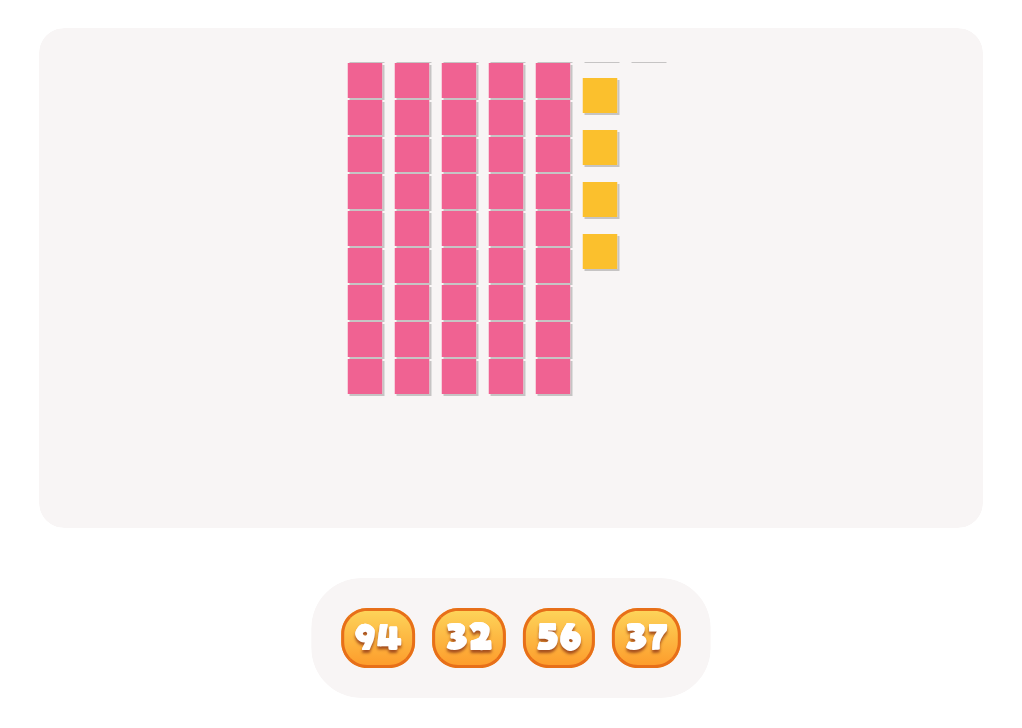
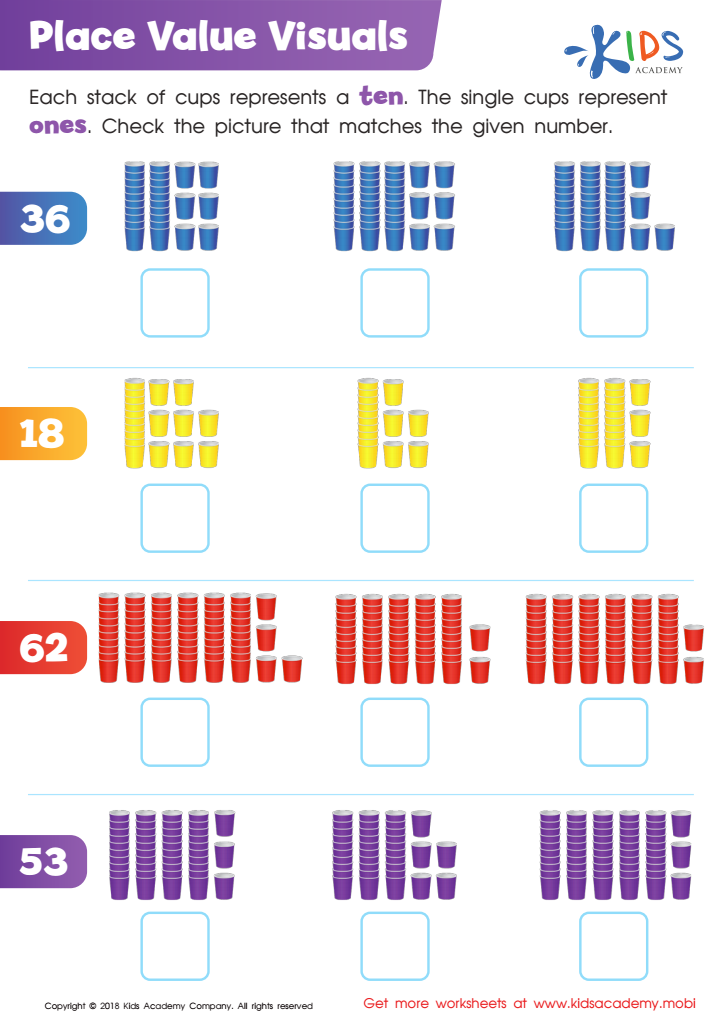
Place Value Visuals Worksheet
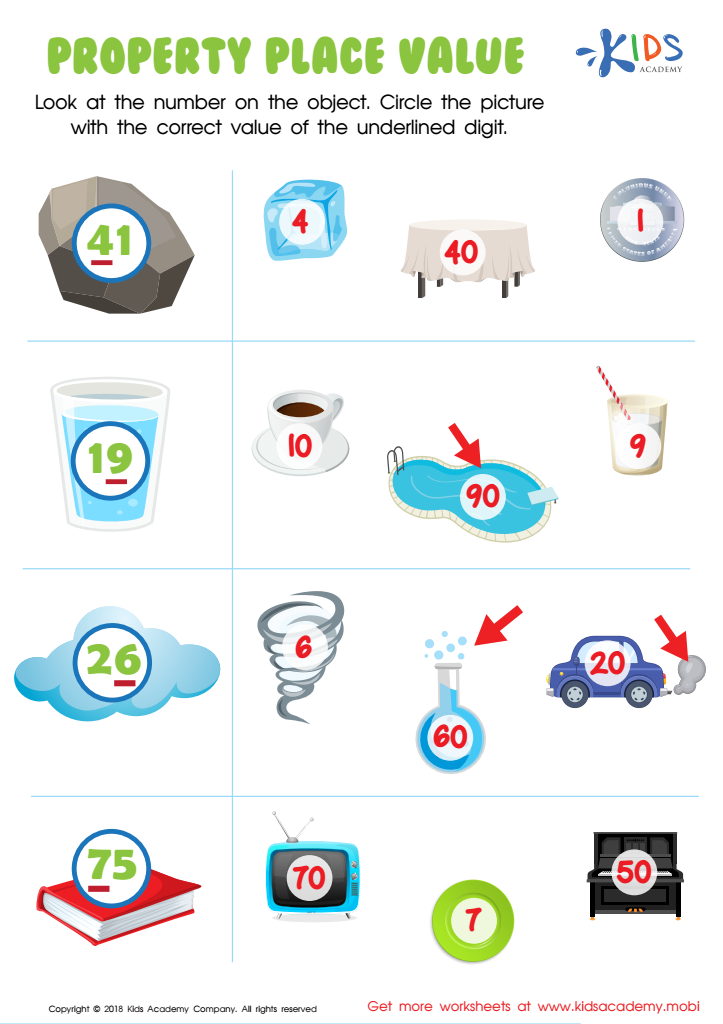
Property Place Value Worksheet
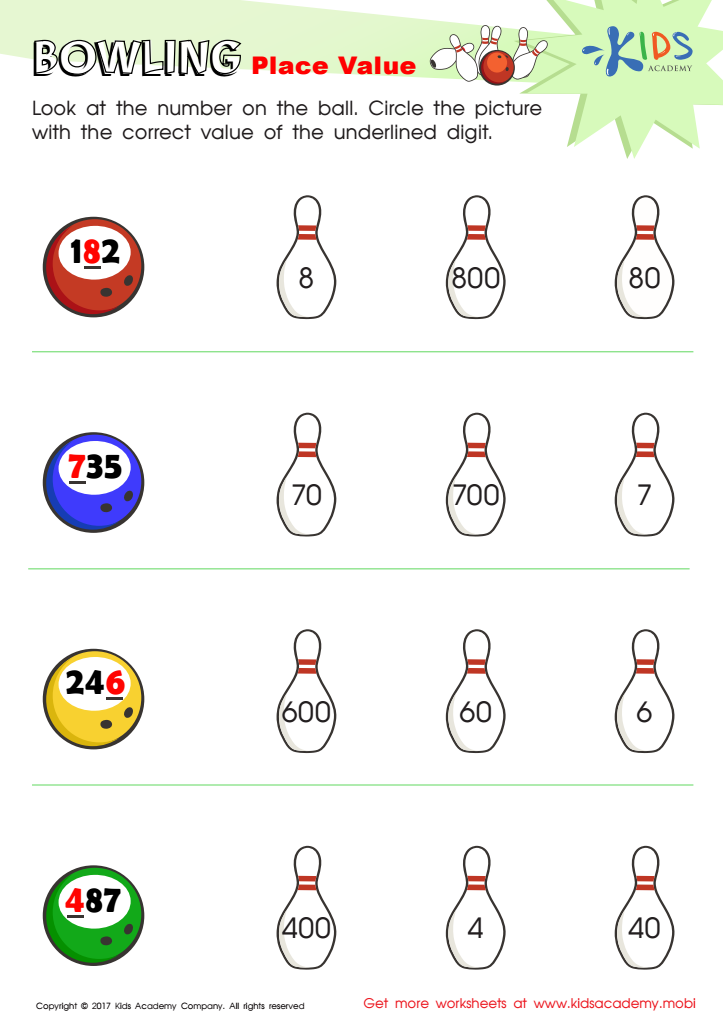
Place Value Worksheet
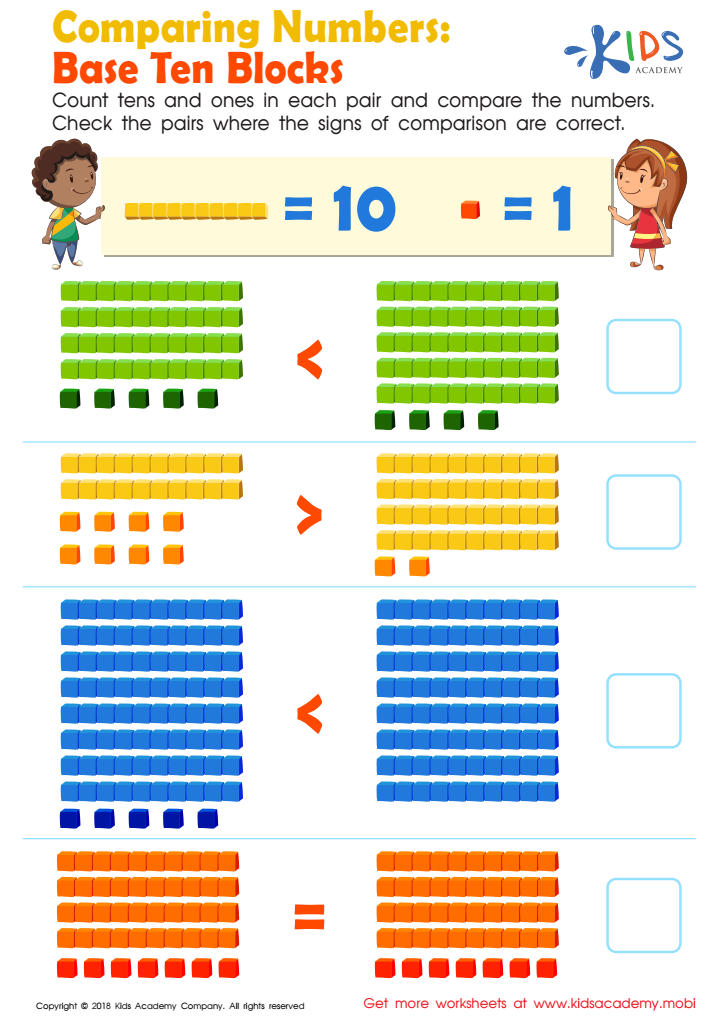
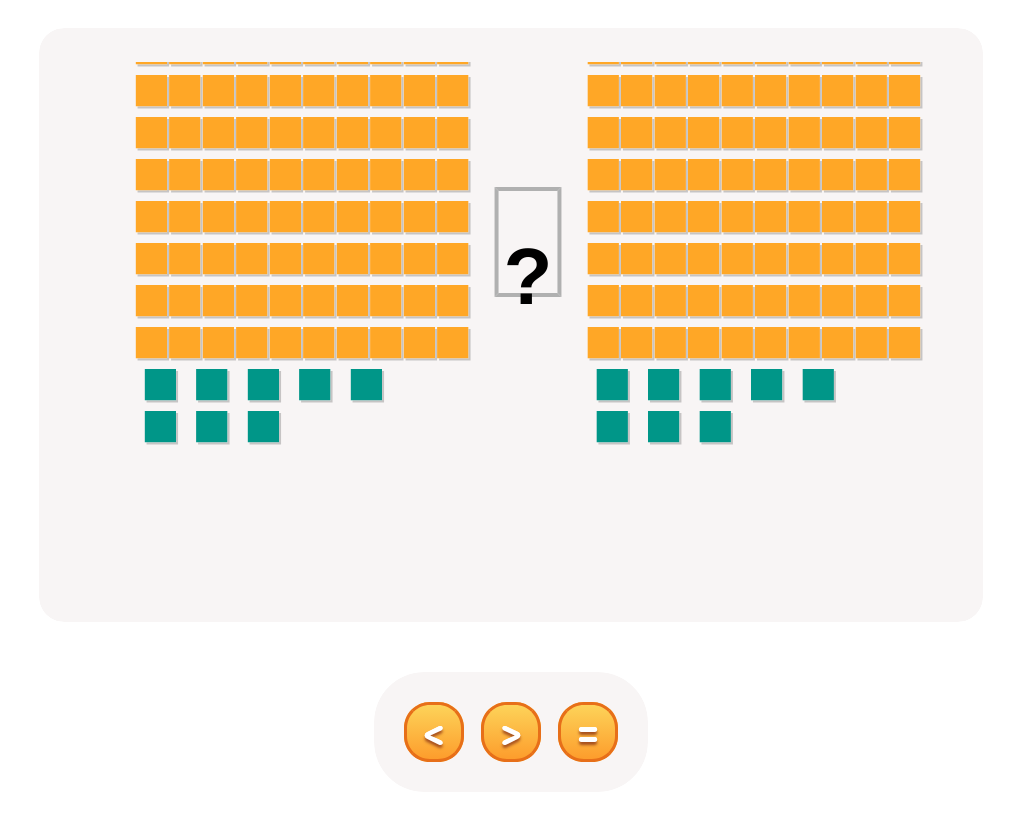
Comparing Numbers: Base Ten Blocks Worksheet
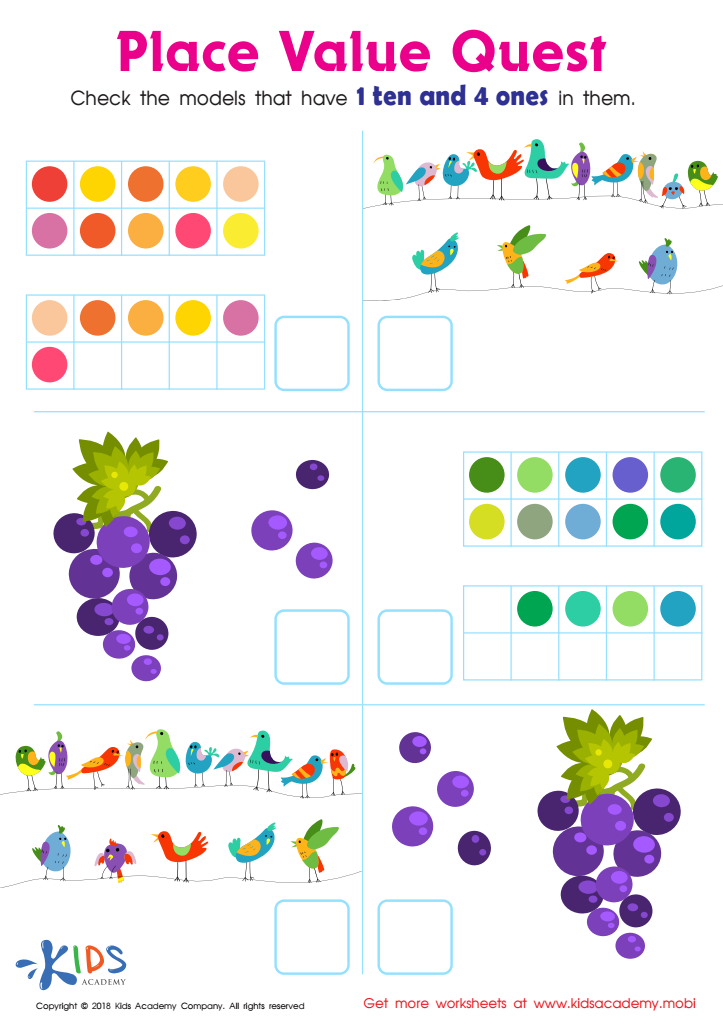
Place Value Quest Worksheet
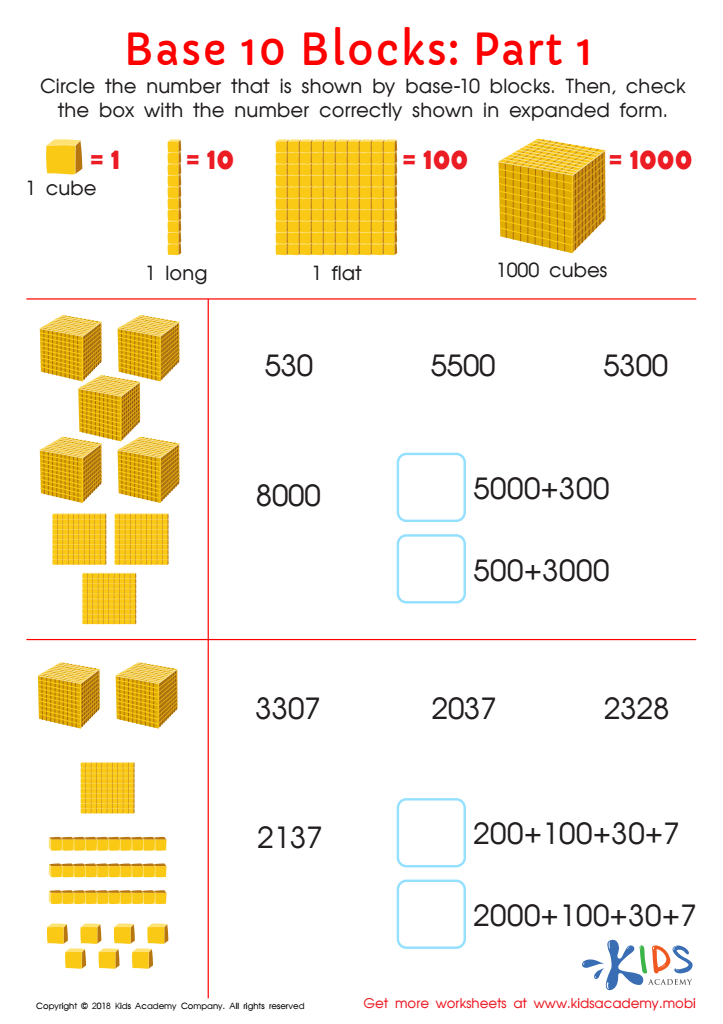
Base 10 Blocks Worksheet: Part 1
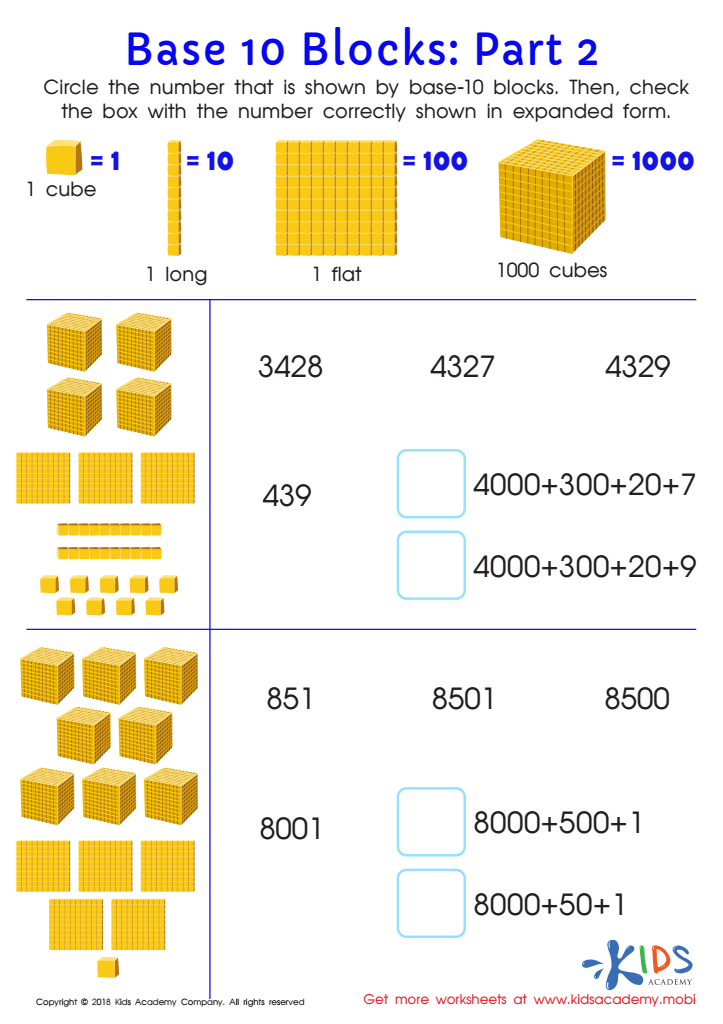
Base 10 Blocks Worksheet: Part 2








Understanding place value is foundational for young learners’ mathematical development. Place value is the idea that the position of a digit in a number determines its value. For instance, in the number 345, the digit '3' represents 300 because it is in the hundreds place, '4' represents 40 because it is in the tens place, and '5' represents 5 units.
For parents and teachers, ensuring a solid grasp of place value is crucial as it underpins all higher-level math skills. Strong place value understanding aids calculation skills—such as addition, subtraction, multiplication, and division—by providing a clearer sense of number magnitude and value. When children recognize that "30 + 6" in multiplication aligns with multiplying ten units before adding, they solve problems more accurately and quickly.
Moreover, place value comprehension allows children to grasp more complex mathematical concepts like decimals and large numbers, fostering confidence and enthusiasm in math. For parents, reinforcing this at home can support what’s taught in school, encouraging a more comprehensive learning experience. For teachers, focusing on place value creates a stronger foundation to build upon with increasingly complex math concepts. Ultimately, a sound understanding of place value equips children with critical thinking skills that extend beyond mathematics, aiding problem-solving and logical reasoning in everyday life.