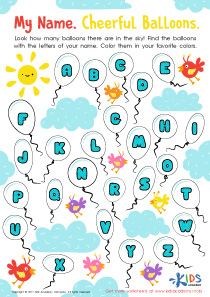
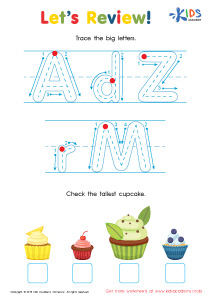
Fine motor skills development Normal Preschool Alphabet Worksheets
3 filtered results
-
From - To
Enhance your preschooler's fine motor skills with our fun and engaging alphabet worksheets! Designed specifically for young learners, our printable resources help children develop essential handwriting and coordination abilities while exploring the letters of the alphabet. Through tracing, coloring, and other hands-on activities, these worksheets promote concentration, dexterity, and creativity. Perfect for early childhood education at home or in the classroom, our resources support meaningful skill development in a playful manner. Give your child a head start in literacy and fine motor skills today with our comprehensive selection of normal preschool alphabet worksheets designed for maximum fun and effectiveness!
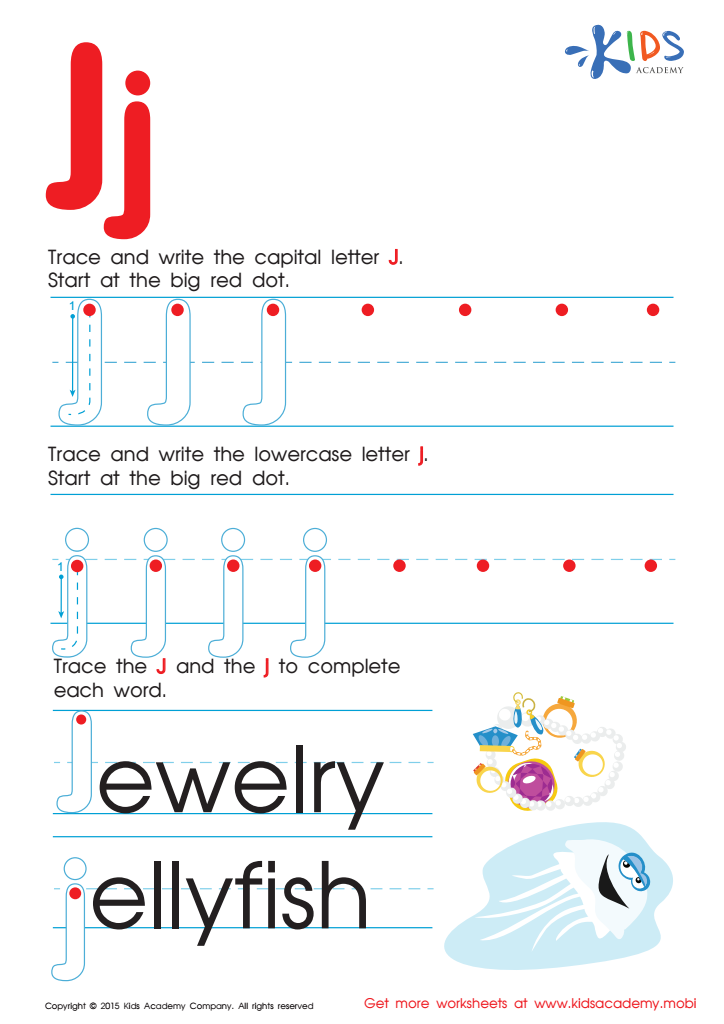
Letter J Tracing Page
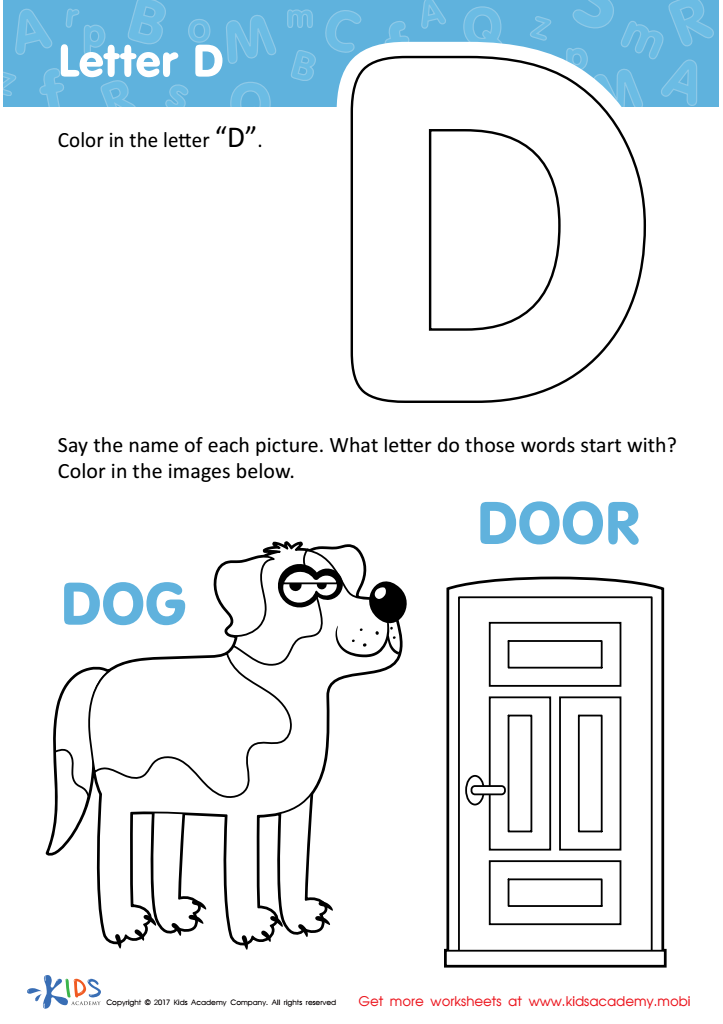
Letter D Coloring Sheet
 Assign to My Students
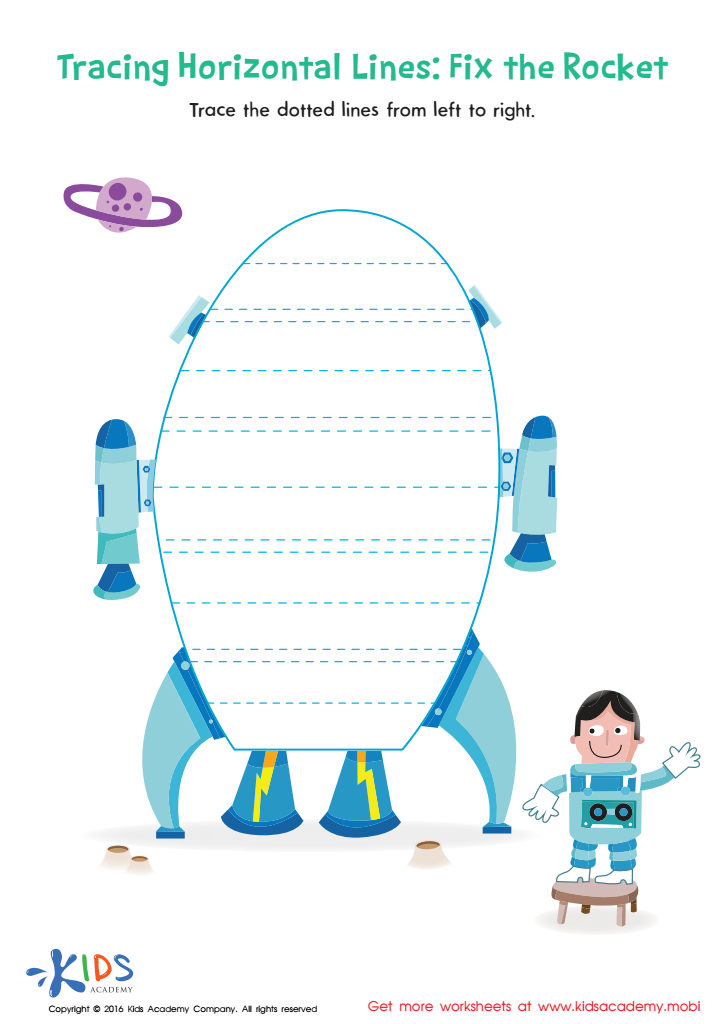
Tracing Horizontal Lines Worksheet







.jpg)
Fine motor skills are crucial for preschoolers as they form the foundation for various important abilities. These skills involve the precise coordination of small muscles, typically in the hands and fingers, and are essential for everyday tasks, academic success, and overall development. Teachers and parents should prioritize fine motor skills for several reasons.
Firstly, strong fine motor skills facilitate essential activities such as writing, drawing, and using scissors, which are foundational to early literacy and art engagement. As preschoolers learn to manipulate objects, they build hand strength and dexterity, improving their ability to grasp writing tools and control their movement on paper.
Secondly, fine motor skills contribute significantly to a child's self-esteem and independence. As children develop these skills, they gain confidence in performing daily tasks like buttoning shirts or tying shoelaces—skills that foster autonomy.
Finally, fine motor development is linked to cognitive growth. Activities that exercise these skills promote problem-solving, spatial awareness, and creativity, which play a critical role in school readiness and lifelong learning.
In conclusion, emphasizing fine motor skills development in preschoolers is essential for their holistic growth, enabling them to navigate their environment, complete tasks independently, and engage fully in educational opportunities.