Vocabulary development Normal Preschool Alphabet Worksheets
5 filtered results
-
From - To
Enhance your child's early learning journey with our Vocabulary Development Normal Preschool Alphabet Worksheets. Expertly designed for preschoolers, these worksheets provide a fun and interactive way to cultivate essential vocabulary skills. Each sheet features engaging activities centered around the alphabet, fostering letter recognition, pronunciation, and word comprehension. Perfect for both classroom and at-home use, our printable worksheets inspire a love for language while building a strong foundation in early literacy. Visit Kids Academy to access our comprehensive selection tailored to boost your child's vocabulary development in a joyful and effective manner.
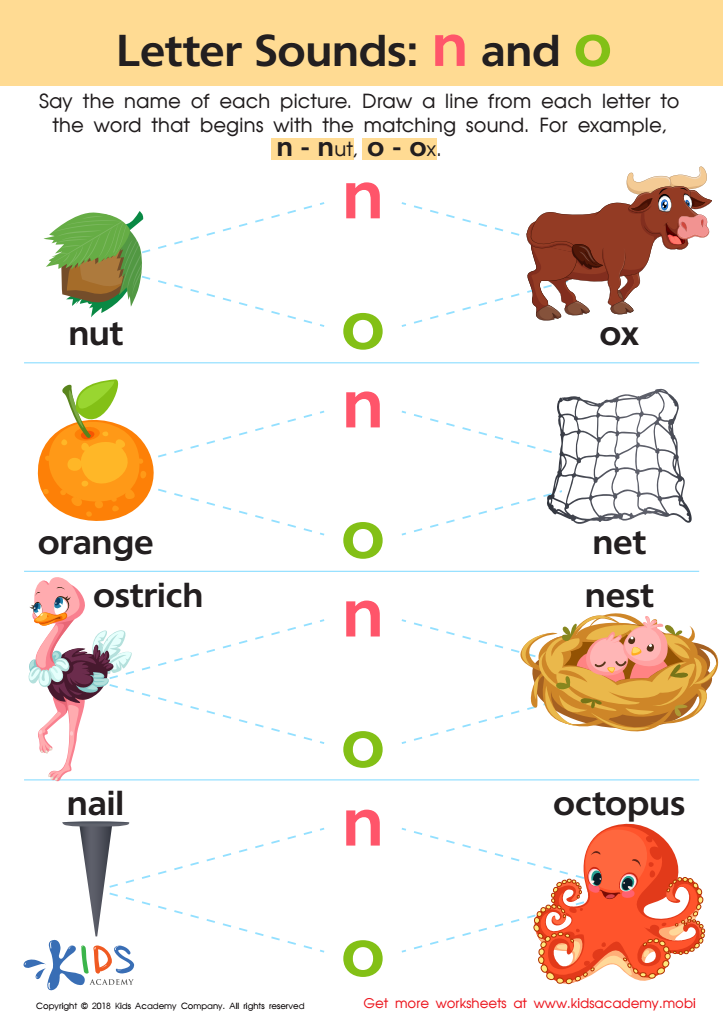
Letter N and O Sounds Worksheet
 Assign to My Students
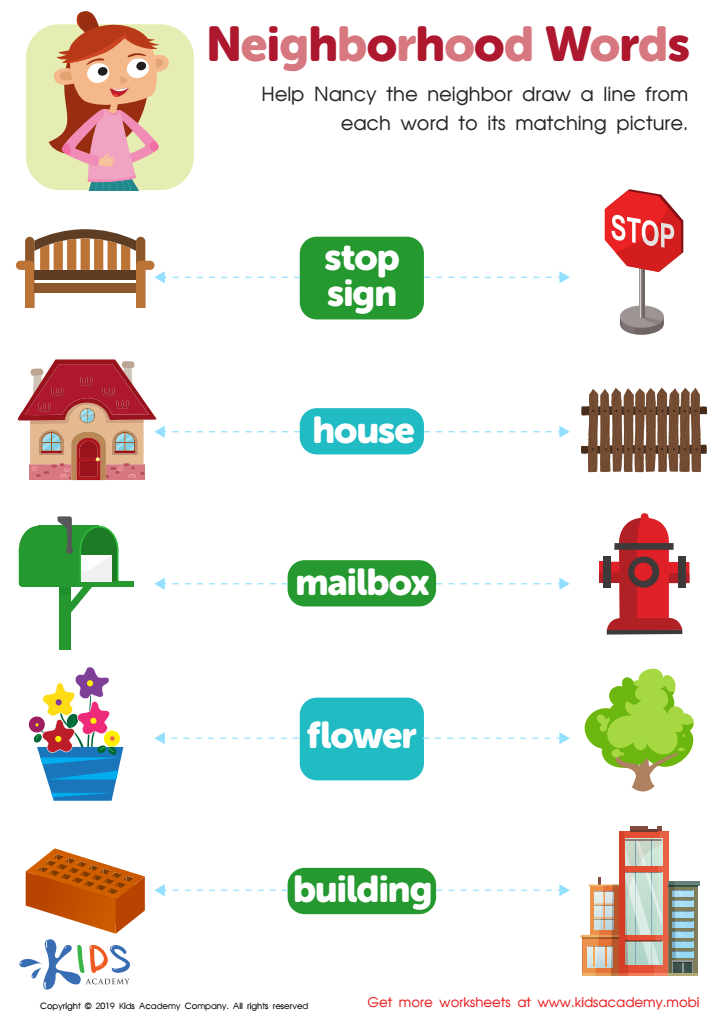
Neighborhood Words Worksheet
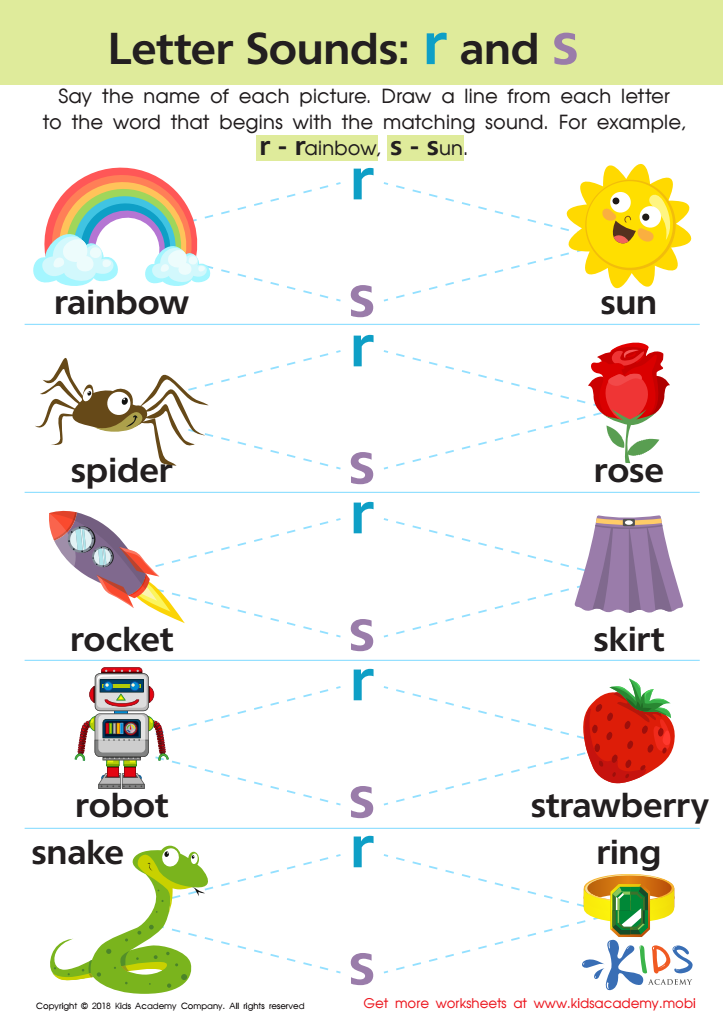
Letter R and S Sounds Worksheet
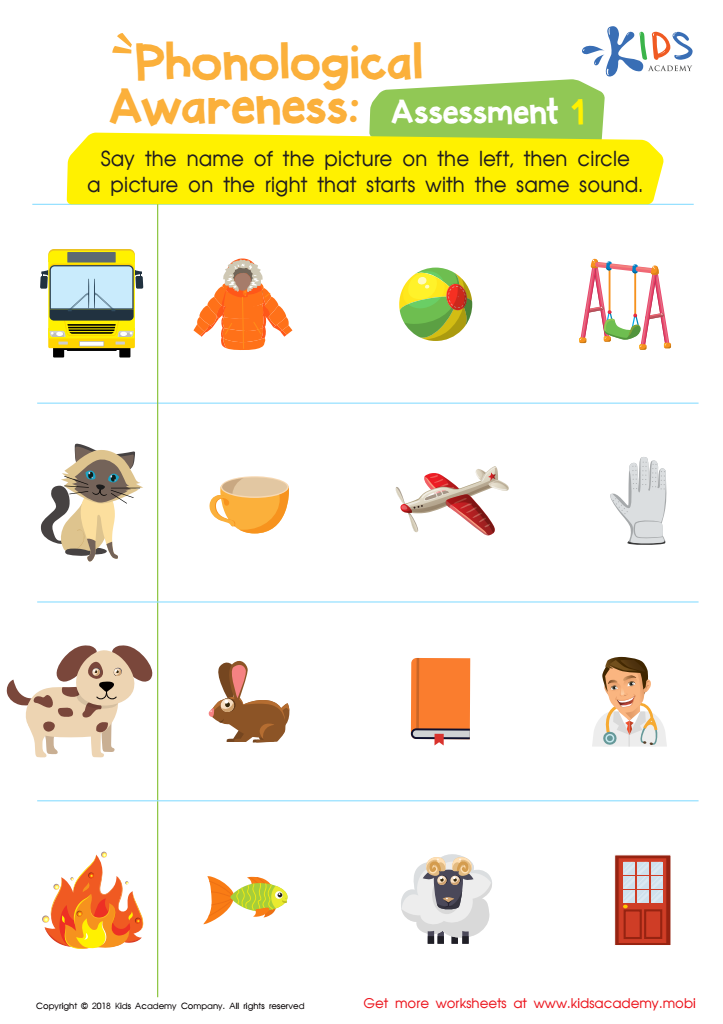
Phonological Awareness: Assessment 1 Worksheet
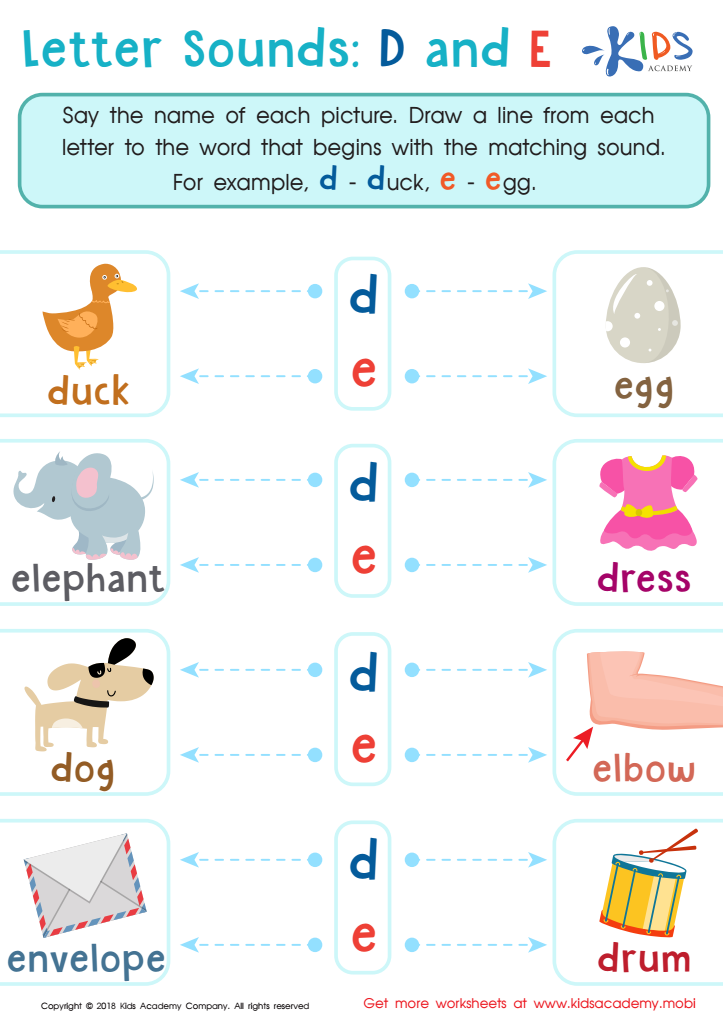
Letter D and E Sounds Worksheet








Vocabulary development is a cornerstone of early childhood education because it forms the foundation for literacy, communication, and learning. For both parents and teachers, understanding and supporting vocabulary growth in preschoolers is crucial. Normal alphabet recognition helps children begin to understand the relationship between letters and sounds, an essential step toward reading and writing proficiency.
When children expand their vocabulary, they improve their ability to express thoughts, needs, and emotions clearly, which enhances social interactions and fosters emotional intelligence. A rich vocabulary also enables children to better understand and follow instructions, resulting in smoother transitions and more effective learning experiences.
Exposure to a broad range of words enriches children's cognitive development, sparking curiosity and enabling them to connect new information with what they already know. This connection lays the groundwork for academic success across subjects, including math, science, and social studies, beyond language arts.
For parents, integrating vocabulary enrichment activities at home—through reading together, engaging in conversations, and playing word games—helps reinforce learning in a natural, supportive environment. Teachers can build on this by incorporating diverse and age-appropriate vocabularies into their lesson plans, ensuring that children experience both consistency and variety in their language learning environments.
Ultimately, a focus on vocabulary development during the preschool years sets the stage for lifelong learning, encouraging children to become confident, effective communicators and enthusiastic learners.