Vocabulary enhancement Normal Preschool Alphabet Worksheets
6 filtered results
-
From - To
Enhance your preschooler's vocabulary with our engaging Vocabulary Enhancement Normal Preschool Alphabet Worksheets! Designed to promote early literacy, these worksheets provide fun activities that introduce young learners to essential words associated with each letter of the alphabet. Through coloring, tracing, and interactive exercises, children will expand their vocabulary while reinforcing letter recognition and phonetic skills. Perfect for home or classroom use, our worksheets foster a love of learning and support critical language development. Get your child ready for reading success with these carefully crafted resources that make vocabulary building an enjoyable experience! Explore our collection and watch your child's language skills thrive!
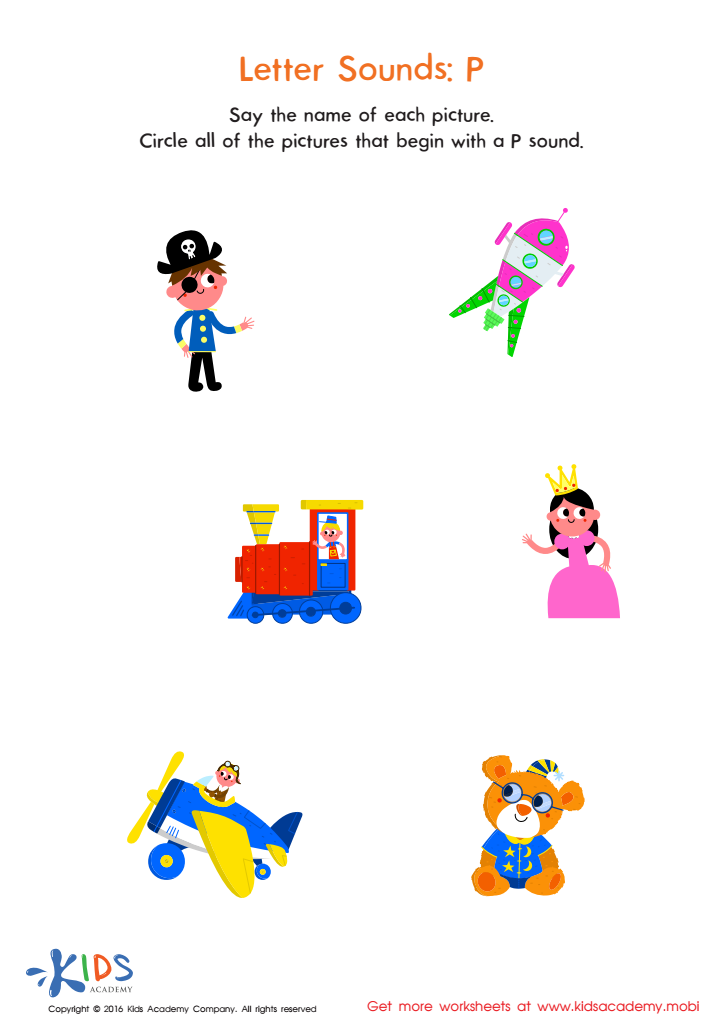
Letter P Sound Worksheet
 Assign to My Students
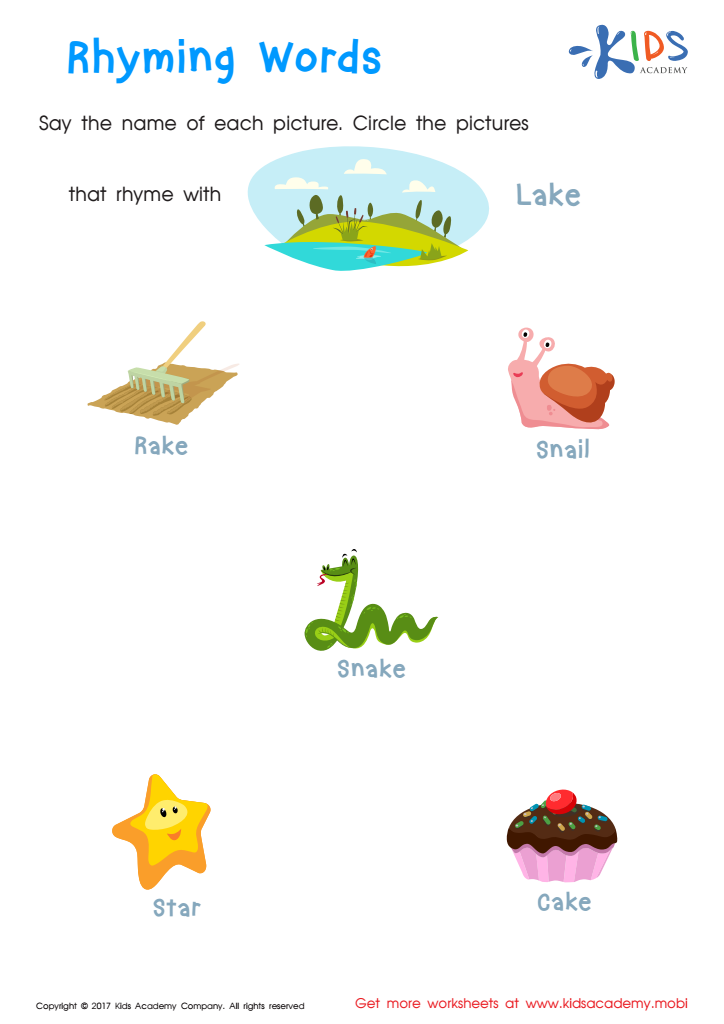
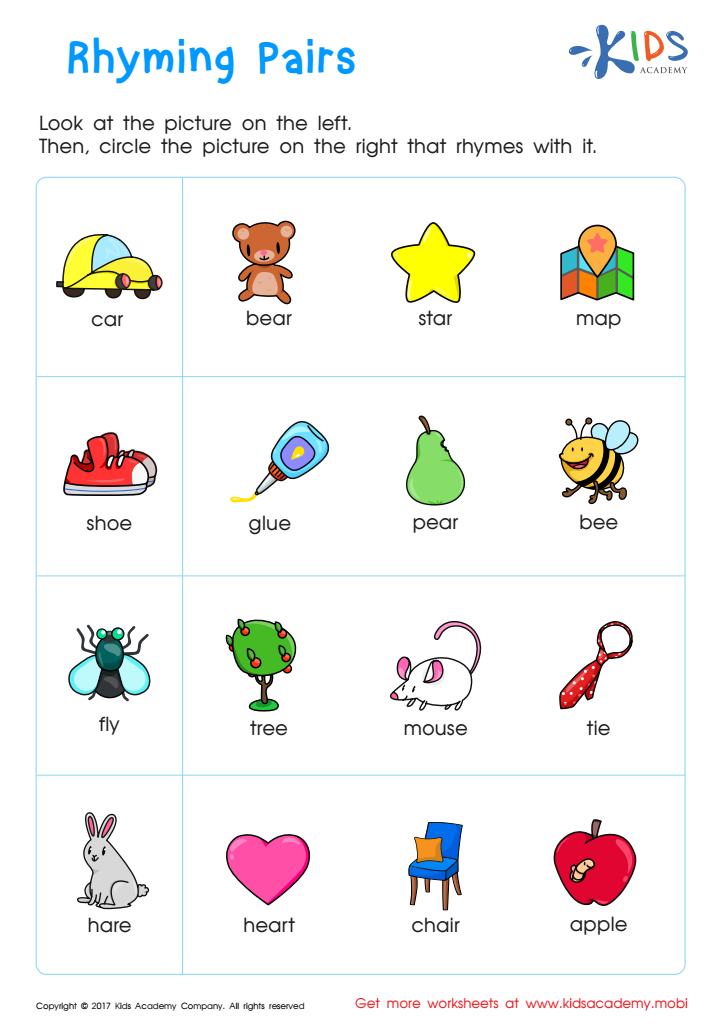
Rhyming Words Rhyming Worksheet
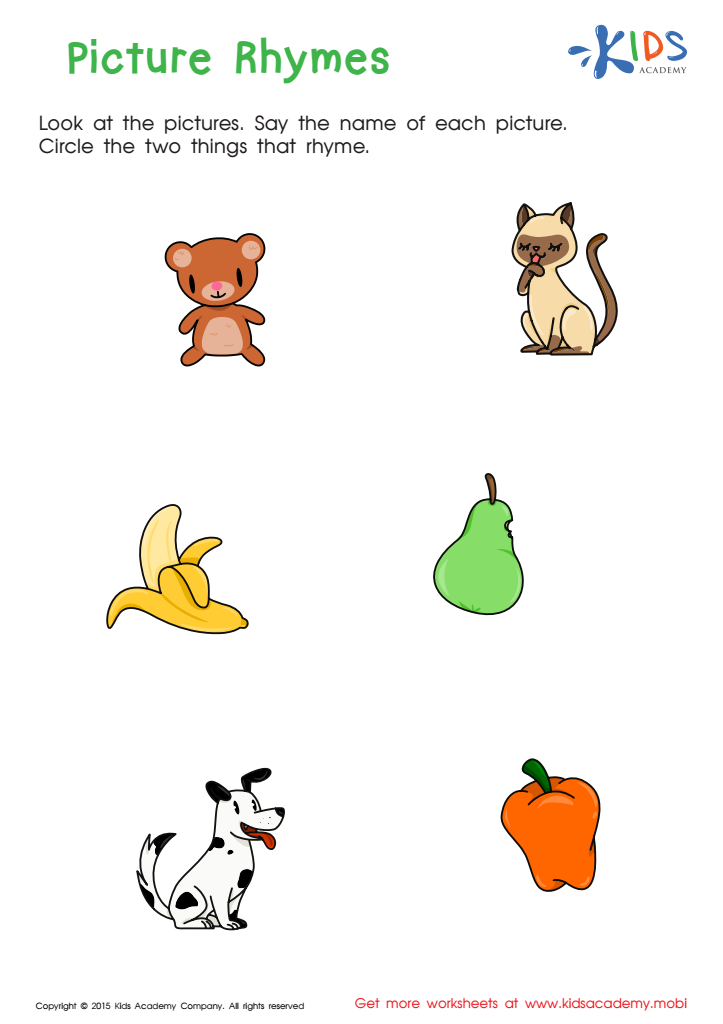
First Words: Picture Rhymes Worksheet
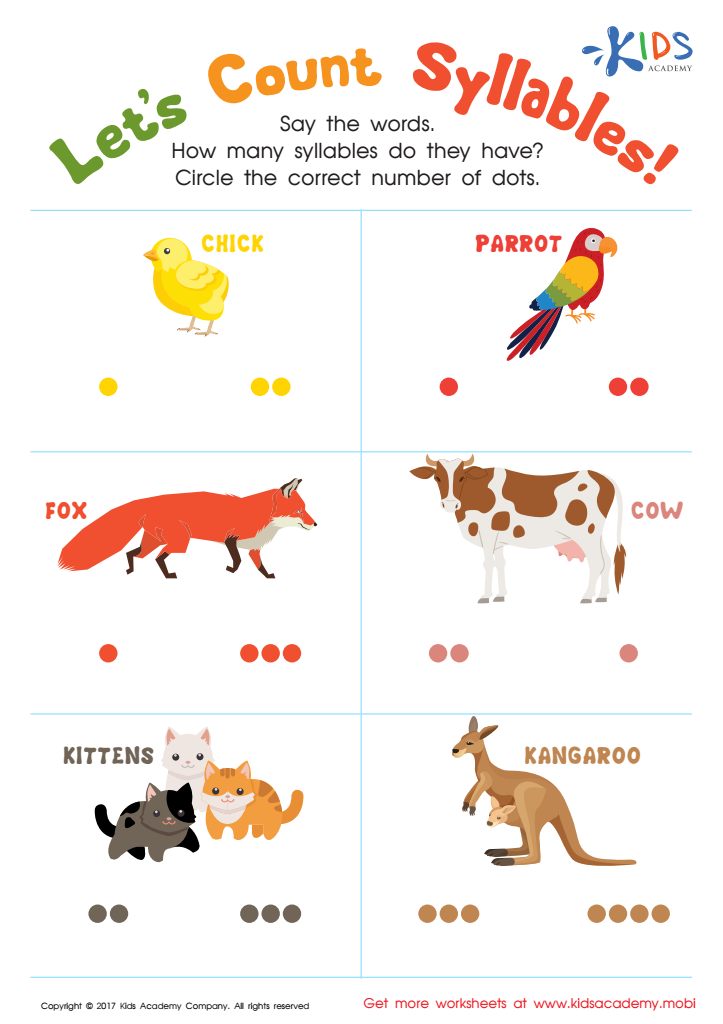
Lets Count Syllables Worksheet
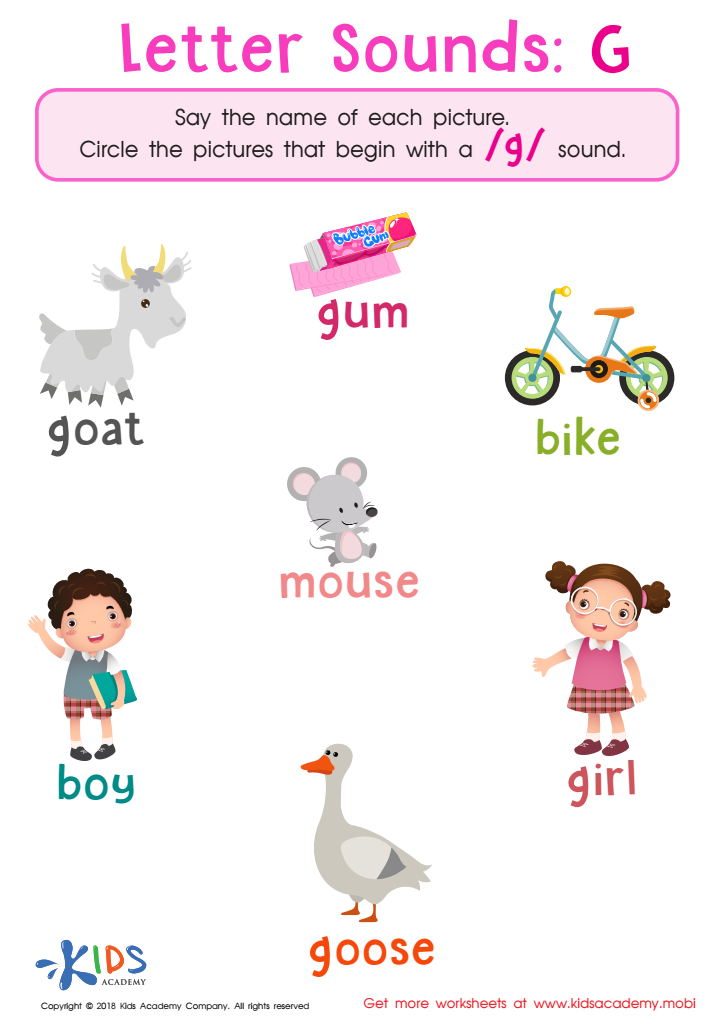
Letter G Sounds Worksheet




.jpg)



Vocabulary enhancement through programs focused on the normal preschool alphabet is vital for early childhood development. First, a rich vocabulary serves as the foundation for effective communication skills, enabling children to express their thoughts, needs, and emotions. When preschoolers are engaged in activities centered around the alphabet, they not only learn individual letter sounds but also associate them with words, paving the way for reading readiness.
Additionally, strong vocabulary skills are linked to early literacy development. Research shows that children with robust vocabularies are more likely to succeed in reading and writing as they progress in their education. Early exposure to new words encourages cognitive growth, helping children think critically and understand the world around them.
Furthermore, not only does vocabulary enhancement foster academic success, but it also builds confidence in social situations. Children equipped with well-developed language skills are more likely to participate in conversations, share ideas, and make friendships, which are essential components of their social development.
Ultimately, parents and teachers play a crucial role in nurturing a love for language, and by prioritizing vocabulary enhancement in the context of the alphabet, they foster lifelong learning and communication skills.