Vocabulary development Normal Preschool Phonics Worksheets
5 filtered results
-
From - To
Enhance your preschooler's vocabulary with our engaging Vocabulary Development Normal Preschool Phonics Worksheets! Designed for young learners, these printable resources focus on phonics principles, helping children build essential language skills through familiar words and fun activities. Our worksheets incorporate colorful visuals and interactive exercises that captivate children's attention while reinforcing their understanding of sound-letter relationships. Ideal for use at home or in the classroom, these worksheets promote literacy in a playful manner, making learning enjoyable. Equip your little ones with the confidence to express themselves as they embark on their language journey. Unlock their potential with our phonics worksheets today!
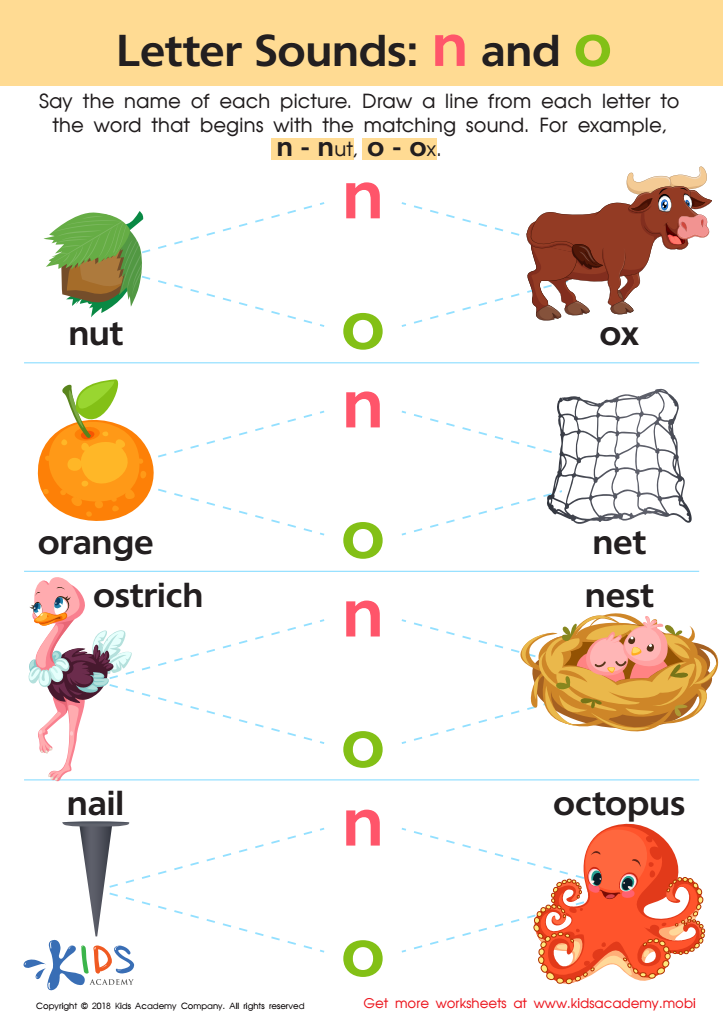
Letter N and O Sounds Worksheet
 Assign to My Students
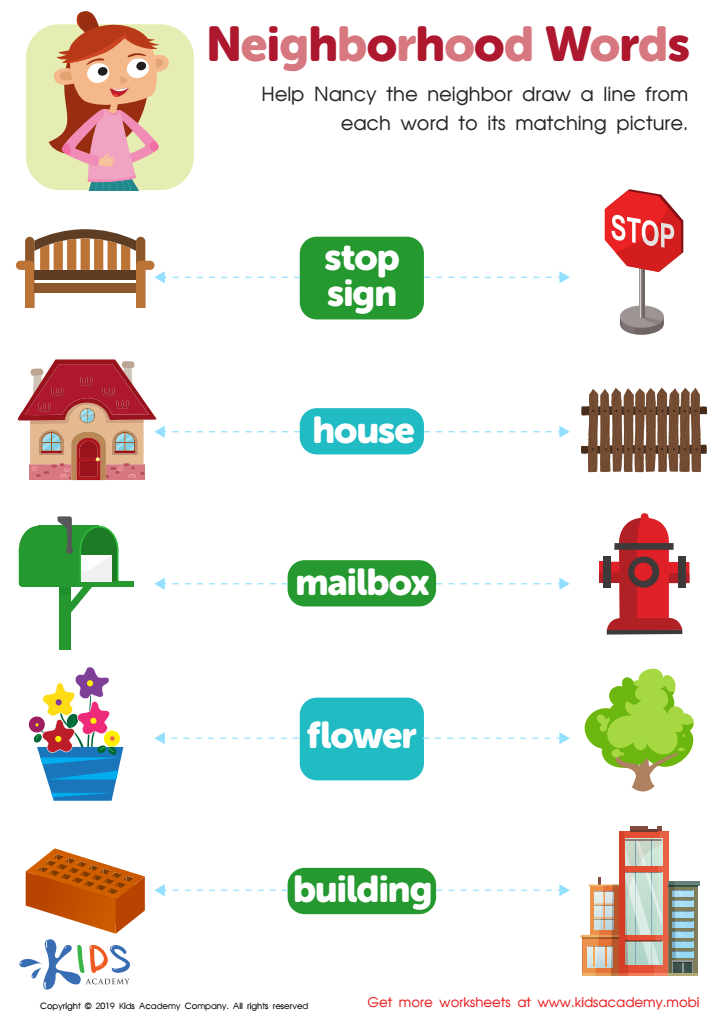
Neighborhood Words Worksheet
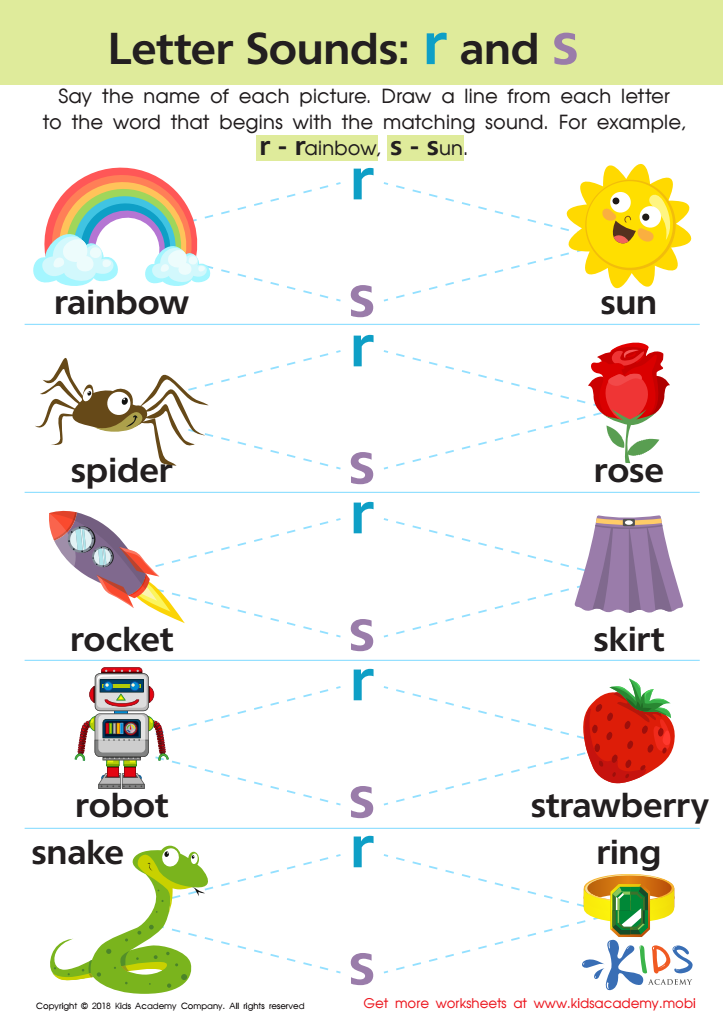
Letter R and S Sounds Worksheet
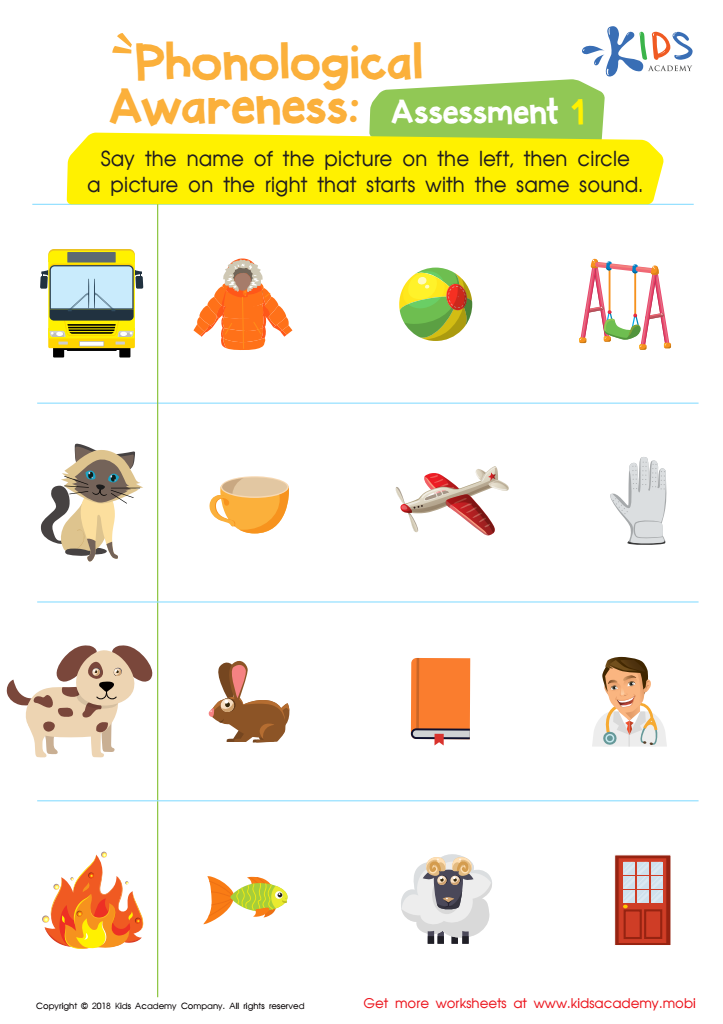
Phonological Awareness: Assessment 1 Worksheet
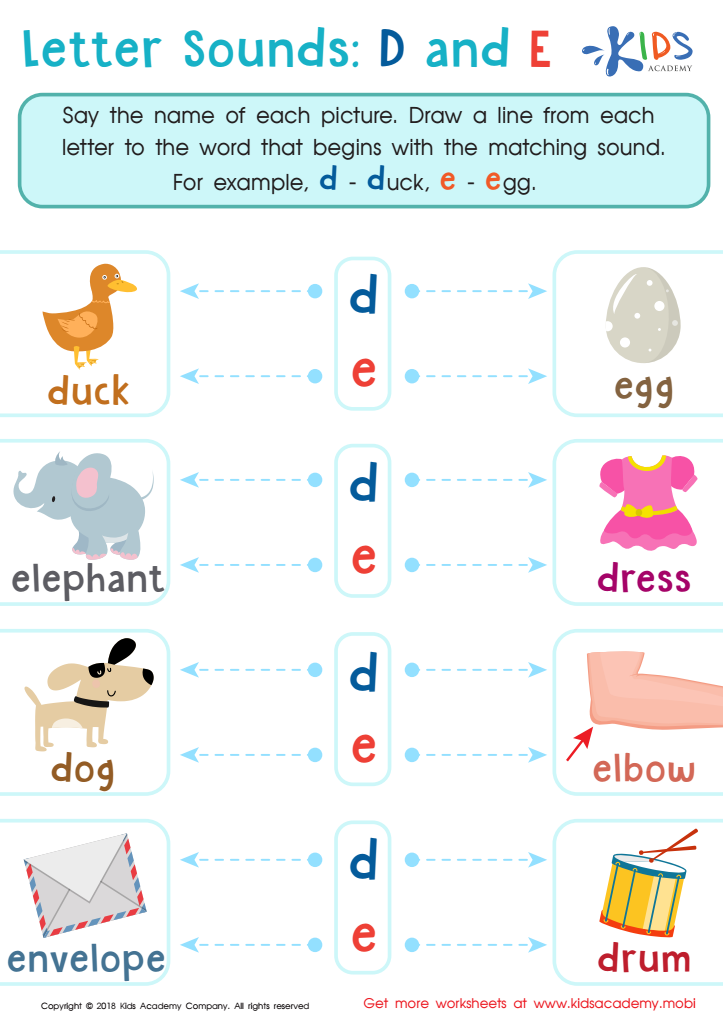
Letter D and E Sounds Worksheet





Vocabulary development during preschool is foundational for a child's overall language skills and literacy. This stage of learning is critical because children are rapidly absorbing new words and understanding their meanings, which will serve as the basis for effective communication and comprehension in later years. Strong vocabulary skills help children express their thoughts, emotions, and ideas clearly, facilitating social interactions and fostering confidence.
Phonics, often introduced in preschool, builds on vocabulary by helping children understand the relationships between letters and sounds. This knowledge is essential not only for reading but also for writing. When children grasp phonetic principles alongside vocabulary enhancement, they can decode words more effectively, paving the way for reading fluency and independence.
Moreover, a rich vocabulary opens up opportunities for academic success and lifelong learning. It allows children to engage more deeply with stories, instructions, and information presented at school. Parents and teachers play a critical role in this development through interactive reading, conversations, and playful activities that introduce new words in context.
By prioritizing vocabulary development and phonics in preschool, caregivers significantly influence a child’s literacy journey, equipping them with essential skills that they will carry into their future education and beyond.