Filters

6 filtered results

Clear all filters
Favorites
With answer key
Interactive

6 filtered results

Difficulty Level

Grade


Enhance your preschooler's vocabulary with our Vocabulary Expansion Normal Preschool Phonics Worksheets! Designed to engage young learners, these resources foster a love for language and support foundational phonics skills. Each worksheet features interactive activities that encourage word recognition, phonemic awareness, and expressive language use. Ideal for teachers and parents alike, these worksheets are perfect for classroom settings or at-home learning. Help your child expand their vocabulary while building confidence in their reading abilities! Explore the array of playful and educational exercises tailored for preschoolers to make learning fun and effective. Visit us today for engaging phonics worksheets and resources!

Check out this FREE Preschool Trial Lesson on Phonics!

Demonstrate Understanding of Frequently Occurring Verbs and Adjectives by Relating Them to Their Opposites

Favorites
With answer key
Interactive
  • Preschool
  • Vocabulary expansion
  • Phonics
  • Normal
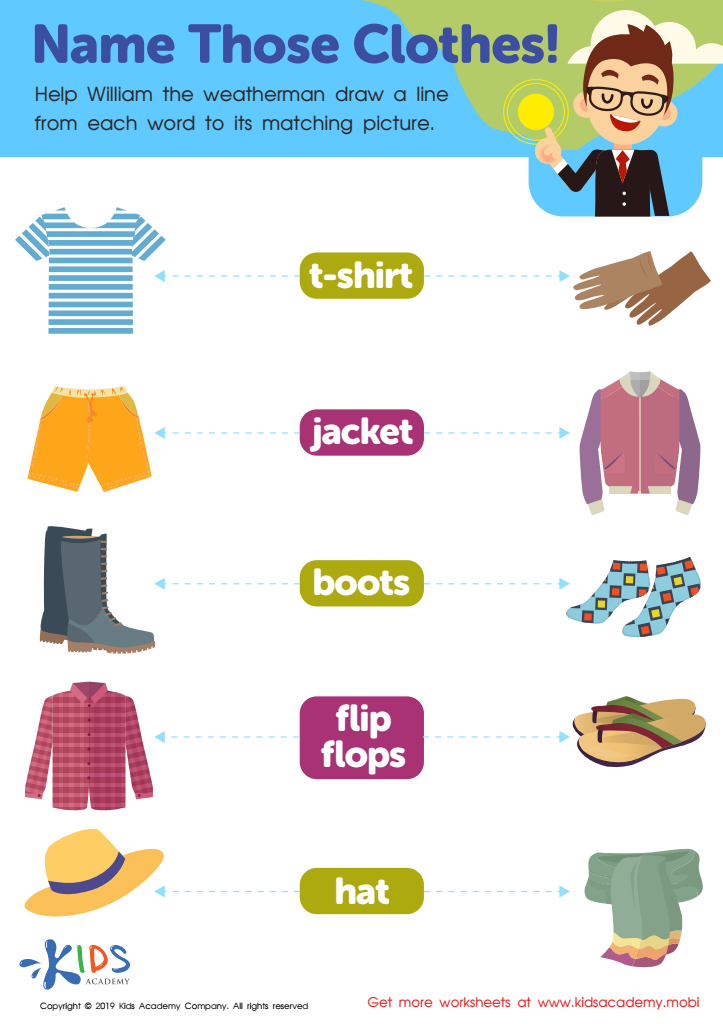
Name Those Clothes Worksheet

Name Those Clothes Worksheet

This worksheet will help your preschooler build their vocabulary, develop life-skills and work on fine motor skills. They'll analyze which clothing goes with the weatherman and match it to the word. It's a fun and interactive way to recognize high-frequency words.
Name Those Clothes Worksheet
Worksheet
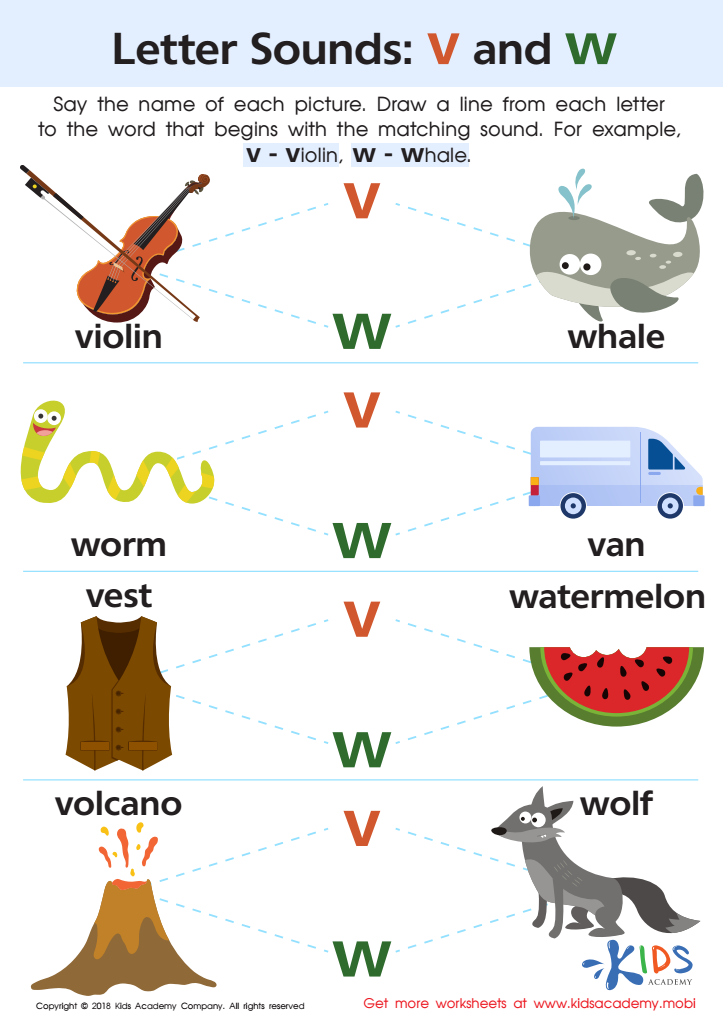
Letter V and W Sounds Worksheet

Letter V and W Sounds Worksheet

Help your child master the sounds of W & V while completing this fun phonics worksheet. Have them trace the dotted line from letter to picture while saying words like "worm", "violin" and "van" aloud to notice how each word begins with either W or V. Listen and pay attention to the pronunciation to complete the practice.
Letter V and W Sounds Worksheet
Worksheet
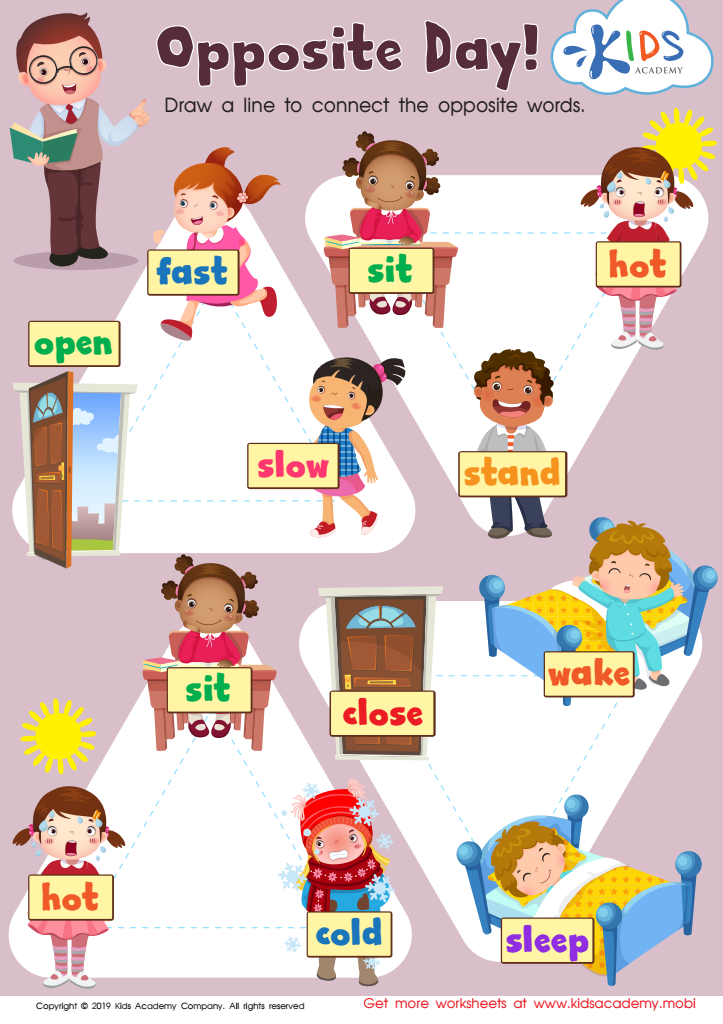
Opposite Day Worksheet

Opposite Day Worksheet

Early learners need to know about opposites to improve their higher-order thinking and critical thinking. This fun worksheet helps them understand the concept, practice opposite words, read high-frequency words and work on fine motor skills. Download the traceable PDF to get started.
Opposite Day Worksheet
Worksheet
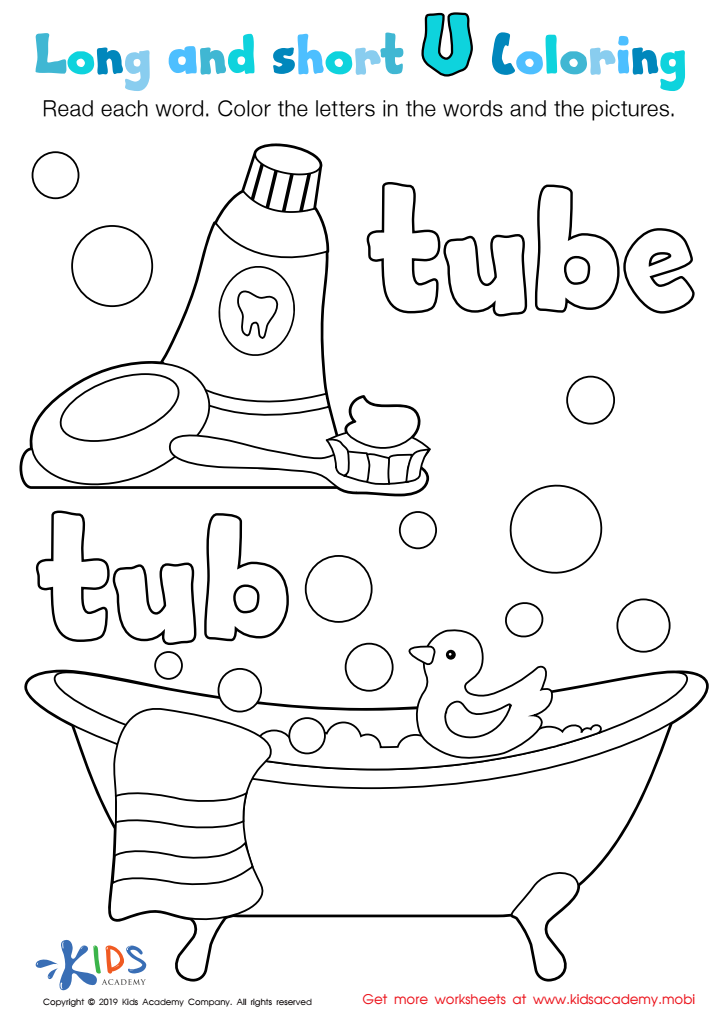
Long and Short U Worksheet

Long and Short U Worksheet

Revised: Spice up your lesson on long and short vowels with this fun printout! Kids read the words "tube" and "tub," then reinforce the sound by coloring in the words and pictures. It's a great way to make phonics class enjoyable!
Download (PDF)
Assign to My Students
Long and Short U Worksheet
Worksheet
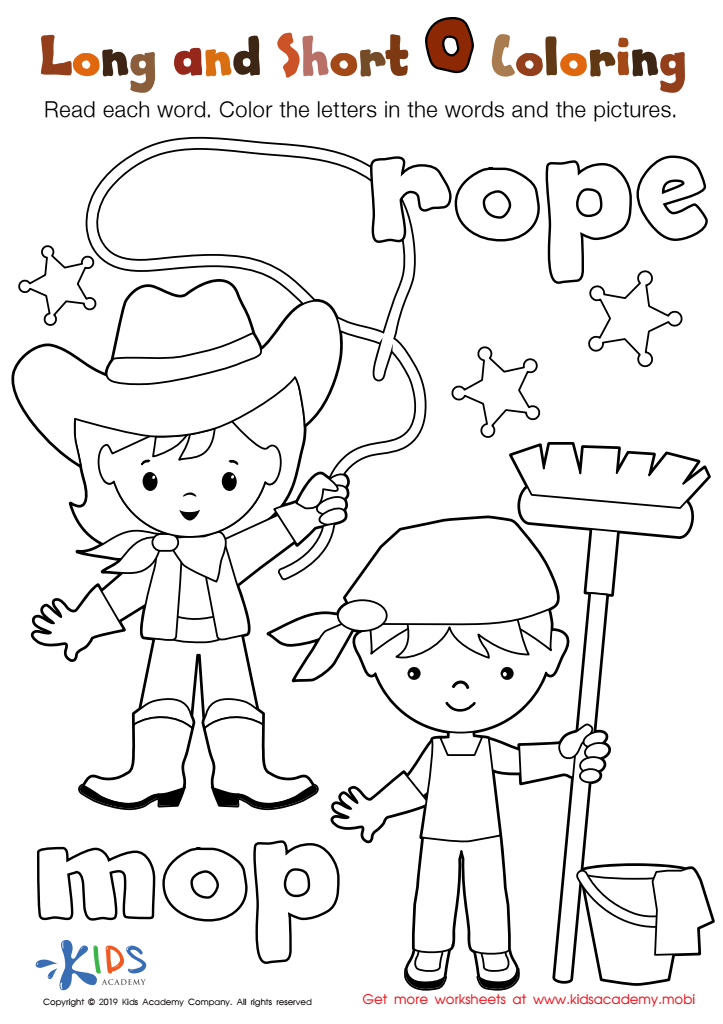
Long and Short O Worksheet

Long and Short O Worksheet

Help your students recognize the difference between long and short «Os» with this fun printout. Let them read and color-in "rope" and "mop" simultaneously. Listen to the different sounds, then color the words and pictures. Great for classes, it'll make your phonics lesson memorable and enjoyable.
Download (PDF)
Assign to My Students
Long and Short O Worksheet
Worksheet
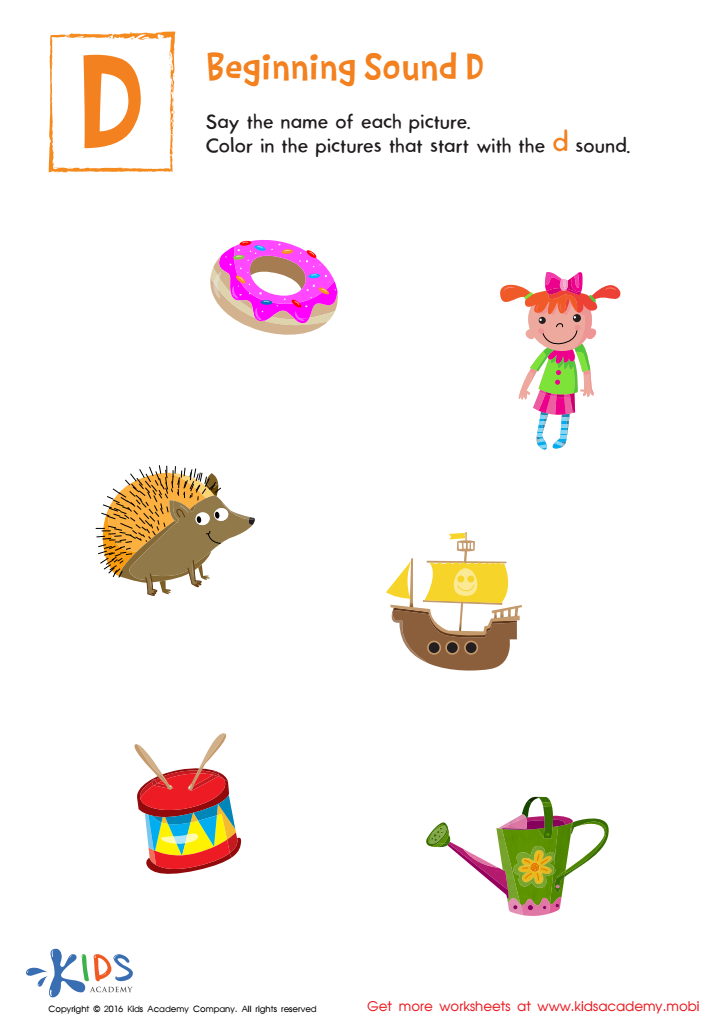
Beginning sound d worksheet

Beginning Sound D Worksheet

Reinforce phonics with this vibrant beginning sound d worksheet! Pictures help kids identify words beginning with 'd' and develop early reading skills. Sounding out each word increases literacy!
Beginning Sound D Worksheet
Worksheet


Vocabulary expansion in preschool is essential for laying a strong foundation for a child's reading and communication skills. Effective phonics instruction helps young learners understand the relationship between sounds and letters, making it easier for them to decode unfamiliar words. This foundational skill benefits vocabulary acquisition by allowing children to read more fluently and confidently.

Parents and teachers should care about vocabulary expansion through phonics because an expansive vocabulary enhances overall literacy development. When children encounter and understand new words, they can express themselves better and comprehend what they read more deeply. A rich vocabulary also supports cognitive development, as discussing varied ideas fosters critical thinking skills.

Furthermore, early vocabulary exposure correlates with later academic success. Children with a broader vocabulary are more likely to excel in reading and writing tasks in primary school and beyond. By prioritizing vocabulary expansion in conjunction with phonics, parents and teachers can nurture lifelong readers, confident communicators, and curious learners. Investing time in these foundational skills not only empowers children now but also sets them on a path for future success in all areas of life, including social interactions, education, and beyond.